


Decorative Brass Chime
These decorative brass chime pieces bring rich acoustic resonance and period character into a room.
Decorative Brass Chime
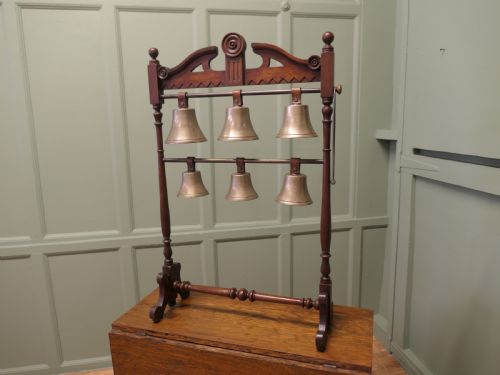
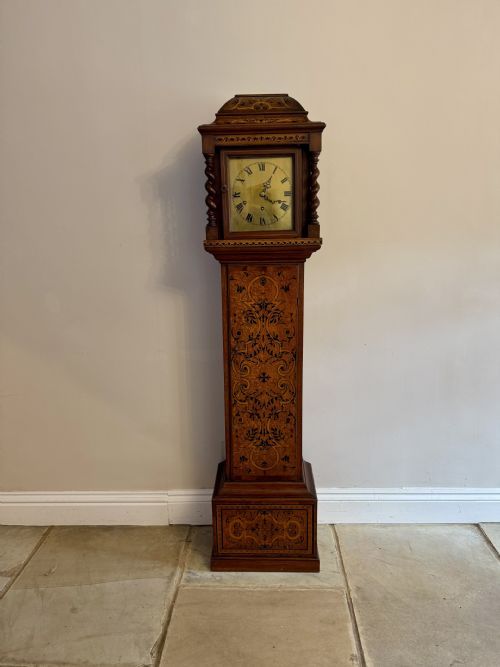
A decorative brass chime encompasses striking gongs, dinner gongs, and musical bells spanning the Victorian, Edwardian, and nineteenth-century periods. These sound-producing objects range from tabletop bells mounted on wood bases to large wall-hung iterations and tall case clocks.
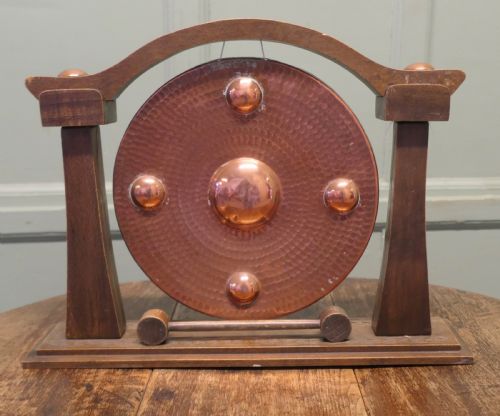
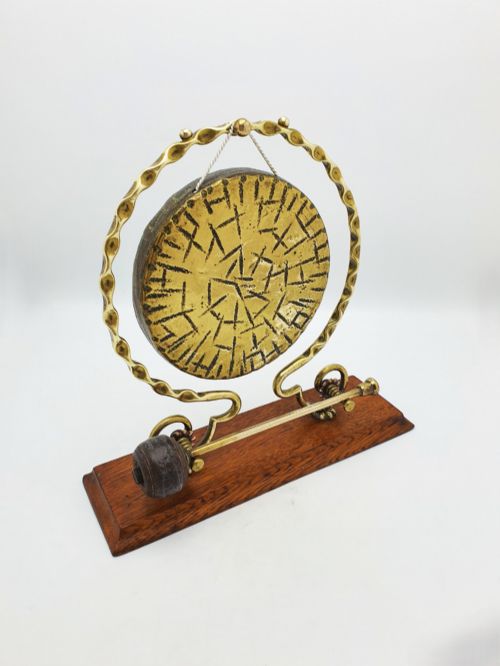
The most frequent examples found here are table gongs and dinner gongs set upon oak, walnut, or mahogany stands, often accompanied by handheld strikers. Pieces drawing on Arts and Crafts, Art Nouveau, and Gothic Revival styles appear regularly among the selections.
Makers and manufacturers utilised diverse materials alongside brass, incorporating copper, silver plate, glass, and bamboo. Forms extend from simple tabletop designs to elaborate carved dragon frames and multi-bell racks.
How they were made
Construction relies heavily on cast and beaten brass combined with traditional cabinet timbers such as oak, walnut, mahogany, and bamboo for the suspension frames and bases. Metalwork involves casting, engraving, and copper-working, whilst wooden elements feature inlay, marquetry, and carving.
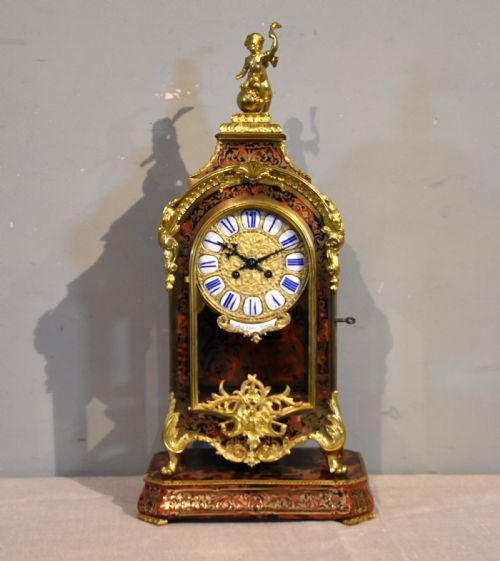
Clockwork mechanisms and striking trains within the bracket and mantel clocks demonstrate precision engineering alongside acoustic tuning for the multi-bell racks and gongs. Silver plating and applied patination complete the surface treatment on specific metal components.
One persistent dragon watches over a nineteenth-century gong, ready to roar if dinner is late.
What varies in quality
Quality rests in the acoustic resonance of the brass bells and gongs, together with the crispness of any cast ornamentation and the stability of the wooden mounts. Finer examples display harmonious bell tuning and careful joinery in woods like walnut and mahogany.
Artistic execution dictates distinction, seen in the fluid plant lines of Art Nouveau items or the hand-carved detail on Chinese export dragon frames. The integration of mechanical complexity in musical movements and clockwork also separates standard items from superior works.
Winterhalder & Hofmeier
The Decorative Brass Chime Glossary
- Dinner Gong
- A suspended metal disc or set of tubes struck with a mallet to announce meals. They gained popularity in large Victorian and Edwardian households.
- Bracket Clock
- A portable house clock traditionally designed to sit on a bracket or table. These often feature striking movements that chime on bells or gongs.
- Arts and Crafts
- A design movement valuing traditional craftsmanship and simple forms. It rejected mass production in favour of visible hand-working in metals and woods.
- Boulle
- A form of marquetry using brass and tortoiseshell inlay developed in France. It appears on decorative clock cases from the nineteenth century.
- Marquetry
- Decorative veneer work forming pictures or patterns on furniture surfaces. Craftsmen assemble thin slices of various woods to create the design.
Decorative Brass Chime: Frequently Asked Questions
What is a dinner gong?
A dinner gong is a percussion instrument mounted on a frame, traditionally used in large homes to summon guests to the dining room.
These pieces combine functional metalwork with decorative wooden bases made from oak, walnut, or mahogany.
How do you clean brass gongs?
Cleaning requires careful dusting and minimal interference to preserve the historic surface patination developed over decades.
Aggressive metal polishes should be avoided as they remove the original finish and alter the appearance of the brass.
Where were table chimes placed?
Table chimes and gongs sat on sideboards, hall tables, or dining surfaces within Victorian and Edwardian interiors.
They served both a practical signalling purpose and acted as decorative ornaments within the room.
What periods do these pieces represent?
The selection spans the nineteenth century through the Edwardian era, encompassing Victorian and early twentieth-century manufacturing.
Styles range from Gothic Revival and Arts and Crafts to Art Nouveau and French revival designs.