

Antique Swedish Seating
Antique swedish seating brings light wood and restrained neoclassical proportions into a room, offering functional historical chairs and benches that anchor a rustic or formal interior.
Antique Swedish Seating
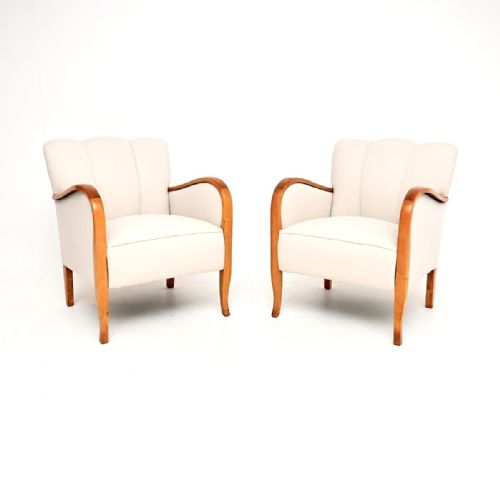
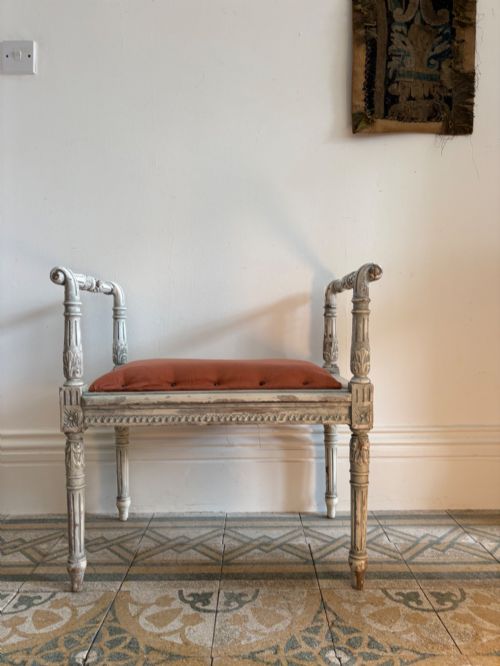
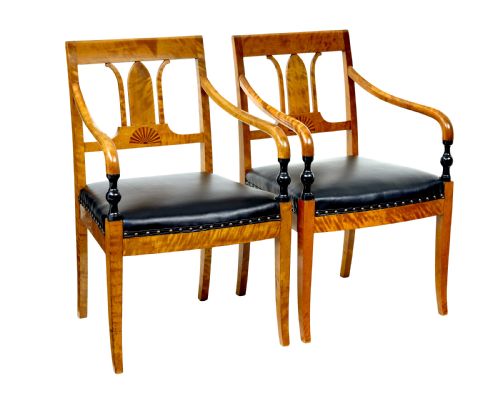
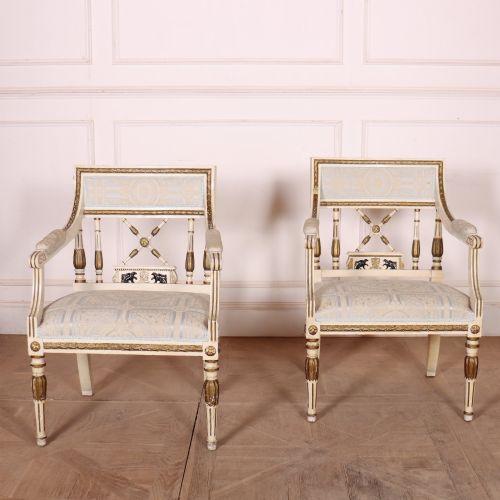
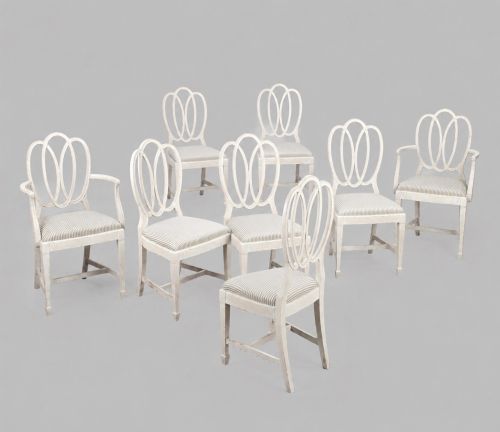
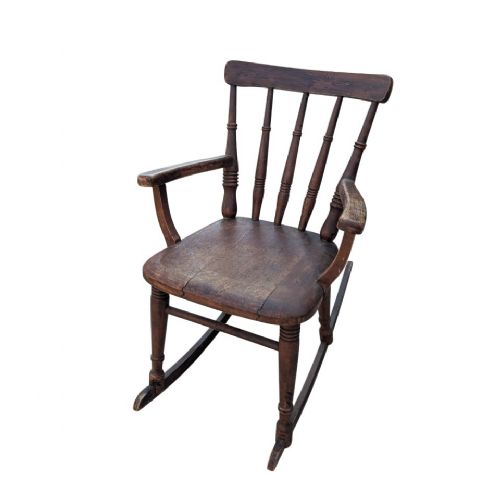
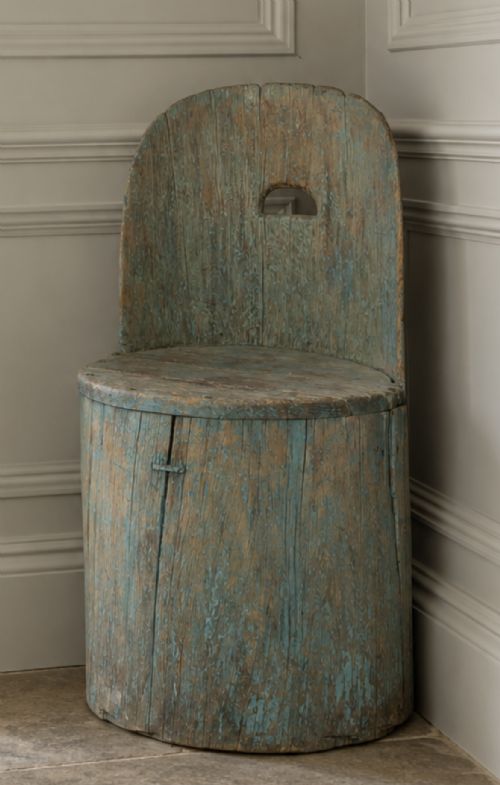
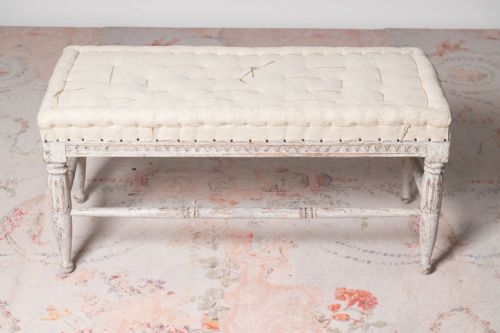
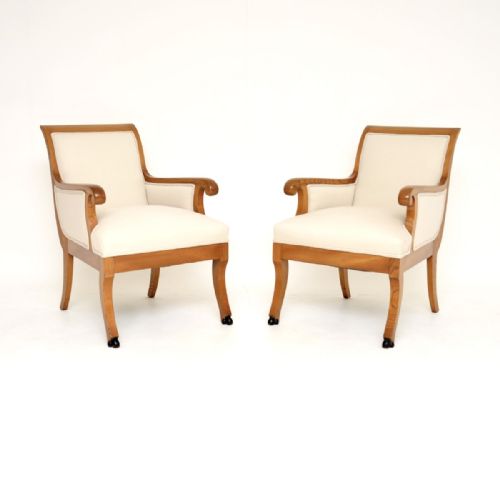
When you search for antique swedish seating, you encounter a varied landscape of forms spanning from austere eighteenth-century country pieces to polished art deco armchairs. The selection includes everything from simple pine settle benches and dugout chairs to elegant Gustavian settees, Biedermeier birch armchairs, and matching sets of dining chairs.
The material palette shifts naturally across these eras, moving from sturdy pine and painted wood in country workshops to figured birch, satin birch, and elm in nineteenth-century urban commissions. Upholstery ranges from plain linen and silk to leather and modern fabric additions on club chairs and loungers.
Materials and construction
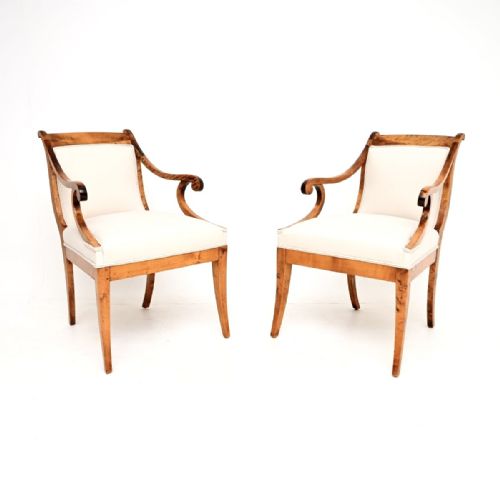
Makers relied heavily on native timber, turning to resilient pine for country benches and highchairs, while selecting birch, satin birch, and elm for more refined neoclassical, Empire, and Biedermeier armchairs. Surfaces often received layers of paint, sometimes in white or lighter tones to brighten Nordic interiors, or were polished to reveal the natural grain of birchwood.
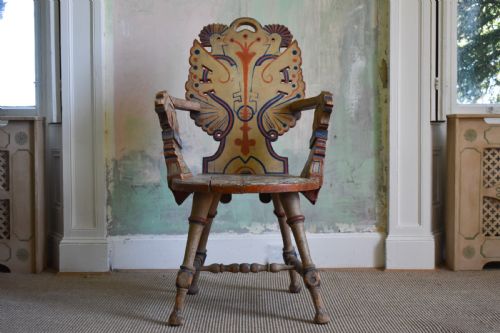
Joinery techniques matched the utilitarian or formal demands of the object, incorporating solid framing for settees, turned elements for bobbin-style throne chairs, and carved giltwood details on high-status Empire settees. Seats combined traditional webbing and horsehair stuffing with fabric, silk, or leather coverings, though many surviving frames retain simpler wooden or dug-out timber construction.
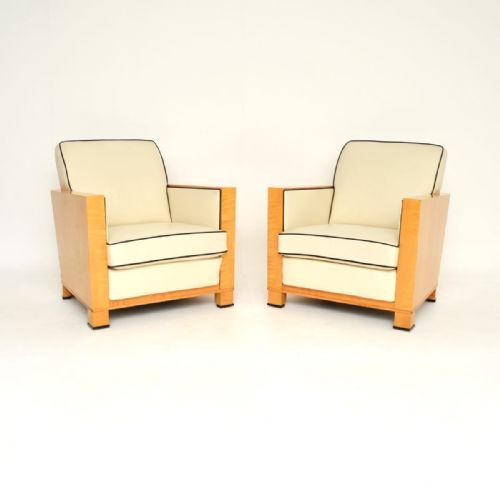
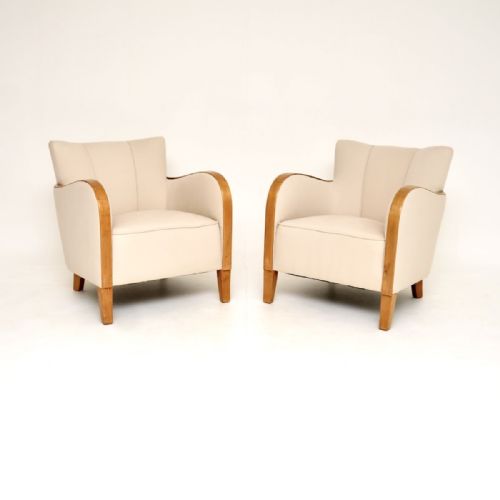
The listings encompass nineteenth-century pine benches, eighteenth-century Gustavian settees, and twentieth-century satin birch art deco armchairs.
Assessing quality
The hierarchy among these pieces rests on the integrity of the timber, the crispness of any carving or giltwood application, and the preservation of original painted surfaces. Pieces retaining their initial layers of paint display a depth and patina that later repainting obscures.
Proportion and structural balance also dictate distinction, separating standard vernacular items from master-designed Biedermeier, Gustavian, or Art Deco examples. Finer armchairs and settees demonstrate precise joinery in birch or elm, whereas rustic benches show utilitarian adaptation.
The Antique Swedish Seating Glossary
- Gustavian
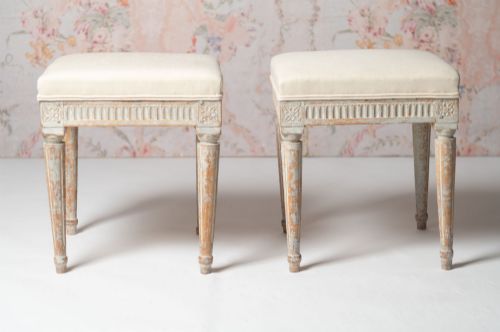
- The Swedish interpretation of neoclassical design, characterised by restrained carving, fluted legs, and light painted finishes. It emerged during the late eighteenth century under King Gustav III.
- Biedermeier
- A central European and Scandinavian style spanning the nineteenth century focusing on utility, clean lines, and the natural beauty of wood veneers such as birch. It offers comfort without excessive ornamentation.
- Settle
- A wooden bench featuring high backrests, solid arms, and often an enclosed storage compartment beneath the seat. These served to block drafts in older Nordic homes.
- Dugout
- A primitive seating form hewn directly from a single log of pine or other timber. This construction method represents early vernacular furniture traditions.
- Satin Birch
- A lustrous timber frequently utilised in Biedermeier and Art Deco frames. Its distinctive grain creates a shimmering surface under ambient light.
Antique Swedish Seating: Frequently Asked Questions
How do I identify Gustavian seating?
Gustavian pieces typically display straight fluted legs, neoclassical motifs like urns or swags, and pale painted surfaces. They prioritize symmetry and proportion over heavy carving.
Look for light, airy frames that reflect late eighteenth-century French influence adapted to Scandinavian tastes.
What is a pine settle bench?
A pine settle is a high-backed wooden bench designed to shield occupants from cold drafts in traditional interiors. Many include hinged seats opening to reveal storage space below.
These functional pieces formed the backbone of rural domestic seating.
Are Biedermeier chairs comfortable?
Biedermeier armchairs prioritize ergonomic curves, padded armrests, and supportive upholstered backs. They were designed for domestic comfort during the nineteenth century.
Their substantial wood frames house well-constructed seating wells suited for extended sitting.
How should I care for painted wood?
Maintain painted pine and decorative surfaces by dusting with a dry microfibre cloth and avoiding harsh chemical cleaners. Keep them away from direct sunlight to preserve historic finishes.
Stable indoor humidity prevents the underlying timber from shifting and cracking the paint.