


Antique Style Wall Mirror
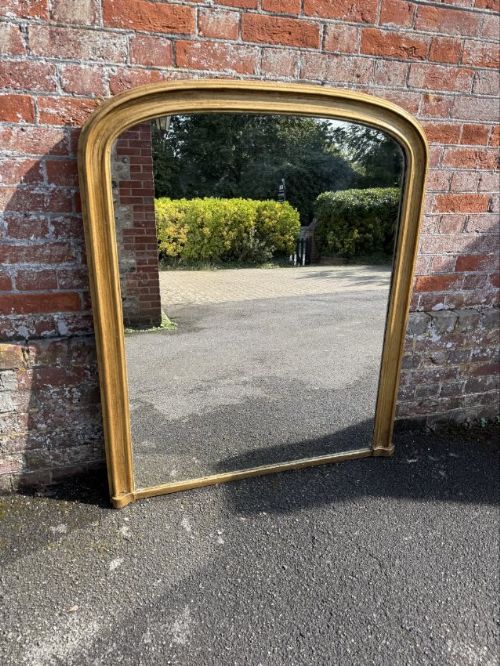
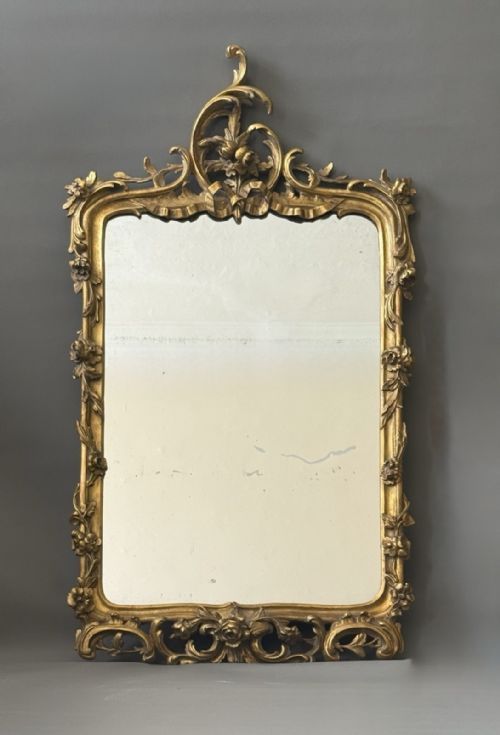
An antique style wall mirror brings historic decorative character to a room, using period forms and gilt or carved wooden frames.
Identifying an antique style wall mirror
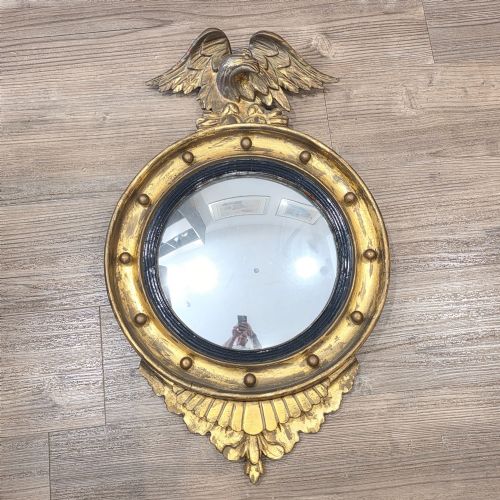
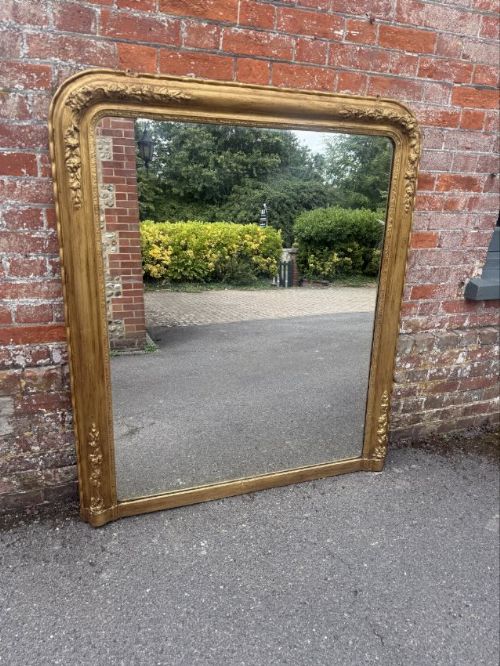
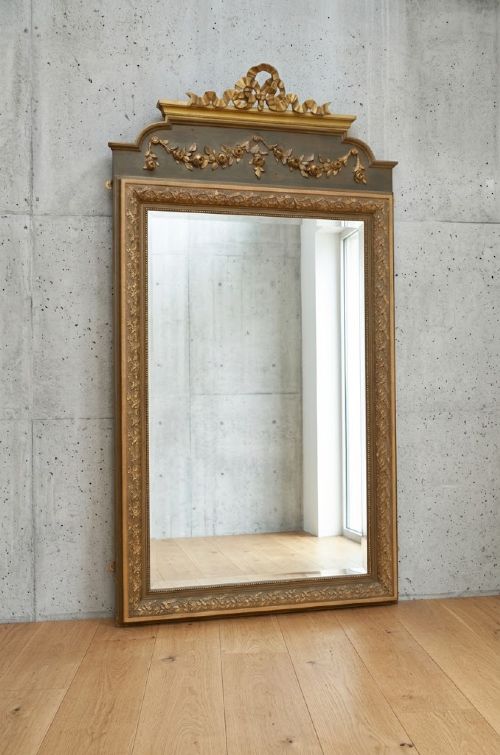
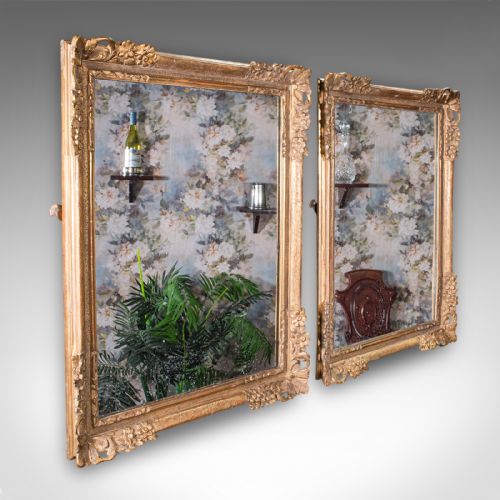
When you search for an antique style wall mirror, you are looking at decorative hanging looking glasses produced in historical revival styles or earlier periods. These pieces span from the nineteenth century into the early twentieth century, drawing on design traditions such as Georgian, Baroque, and Regency.
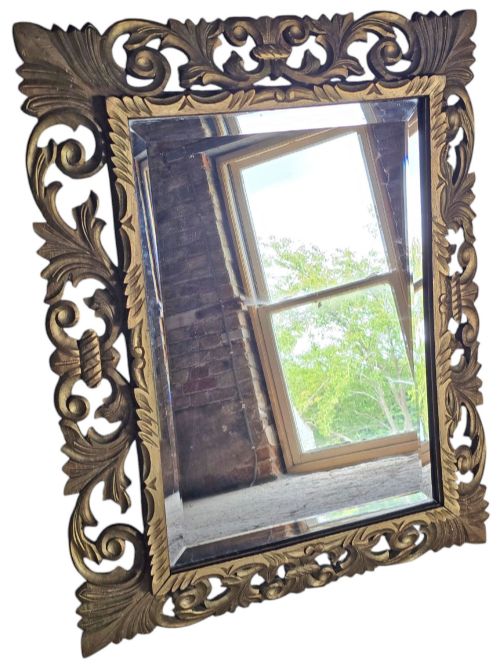
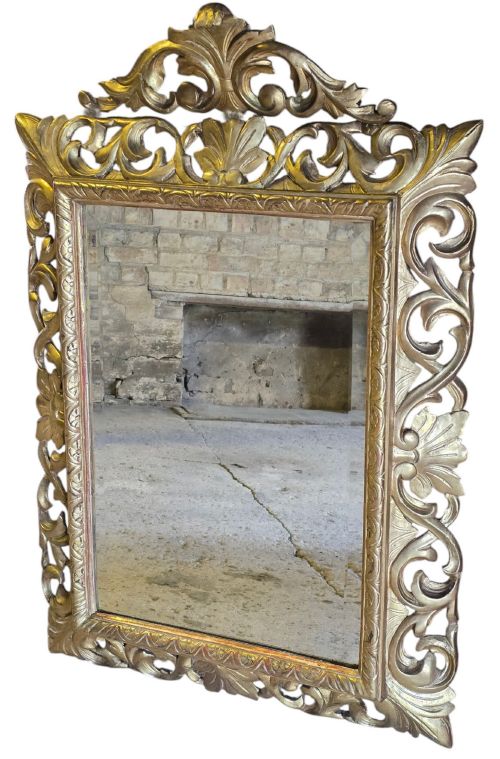
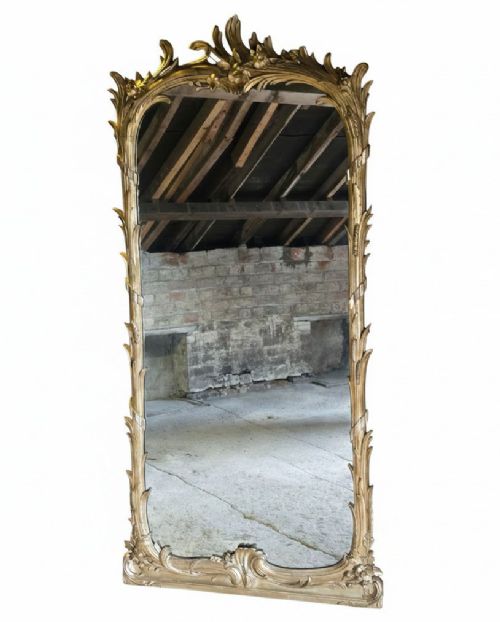
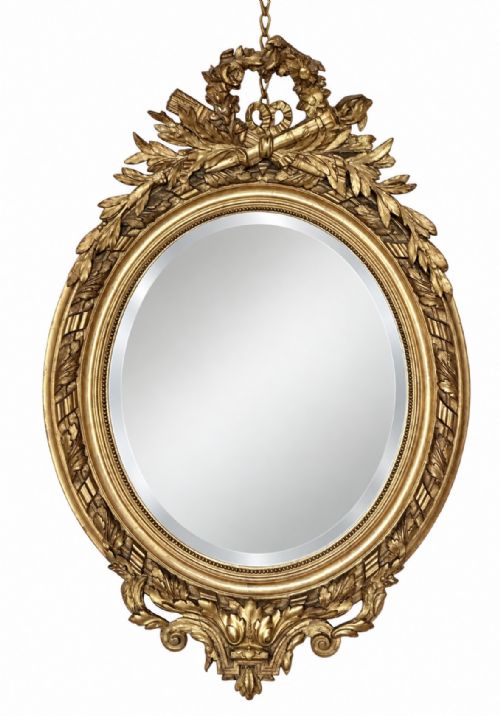
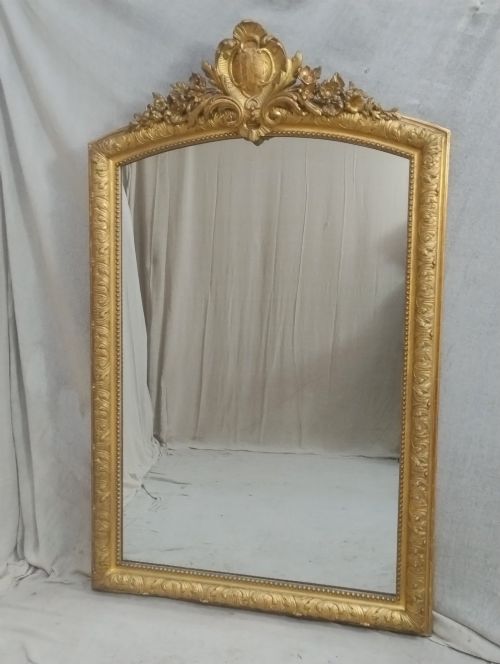
You are most likely to meet pieces finished in giltwood, mahogany, walnut, or painted lacquer. Formats range from small hanging mirrors to larger overmantle pieces, often incorporating carved details like vitruvian scrolls or fretwork.
The selection includes specific regional revivals, such as Italian Baroque interpretations and French Louis Philippe styles. Each piece replicates the decorative presence of earlier centuries using traditional materials and construction methods.
Materials and construction methods
Frames are built from hardwoods like mahogany, walnut, and dark oak, or constructed from softer timbers prepared for surface treatments. Carved wooden elements often receive layers of gesso before being gilded with gold leaf or painted.
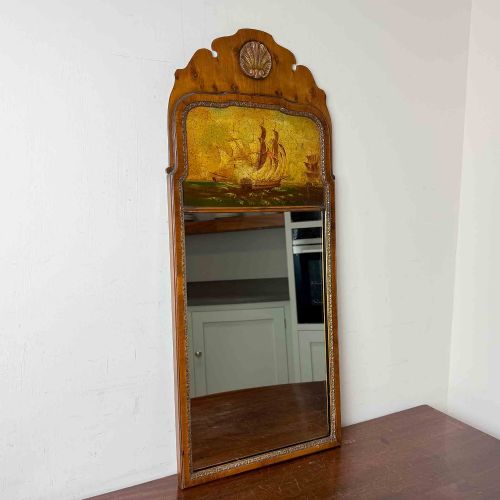
Surface finishes include hand-applied lacquer for Chinoiserie pieces, alongside parcel gilt highlights on figured walnut. Glazing relies on traditional mirror glass set within rebated wooden frames or held behind carved fretwork borders.
Retail Price Guide 2026
Typical UK retail prices for style wall mirror, calculated from the Sellingantiques database of over a million retail prices indexed since 2003. This retail price guide relies exclusively on Sellingantiques data; no external sources or auction records are used, so the figures do not describe the wider market.
Materials recorded across the inventory include giltwood, gold leaf, lacquer, mahogany, walnut, and painted wood.
Distinguishing quality in frames and finishes
The standard of a piece depends heavily on the depth and crispness of the hand-carving within the wood or gesso. Finer examples show sharp relief in scrollwork and foliage, whereas simpler versions rely on moulded composition details.
Finish application also separates tiers of work, with genuine gold leaf and layered lacquer ageing differently than flat metallic paints. The choice of primary timbers, such as figured walnut or solid mahogany against standard stained woods, determines the structural weight and visual richness.
The Antique Style Wall Mirror Glossary
- Giltwood
- Wood carved and surfaced with gold leaf or metal leaf. This finish creates a bright reflective surface that catches natural light in a room.
- Fretwork
- Thin wood panels cut with decorative pierced patterns. This technique creates openwork frames commonly found on Georgian revival hanging mirrors.
- Vitruvian scroll
- A classical repeating scroll ornament resembling wave patterns. It frequently appears as a carved border framing the mirror glass.
- Chinoiserie
- European artistic interpretation of Chinese and East Asian decorative styles. Pieces feature painted lacquer finishes depicting oriental scenes.
- Girandole
- A wall mirror featuring attached candle sconces. The candle arms multiply the reflected light within the interior space.
Frequently Asked Questions
What is an overmantle mirror?
An overmantle mirror is a large hanging glass designed specifically to sit above a fireplace mantelpiece.
These horizontal pieces visually anchor the chimney breast and reflect light across the main living space.
How do I clean an antique mirror glass?
Clean the glass gently using a soft microfibre cloth slightly dampened with water or a mild vinegar solution.
Avoid spraying liquid directly onto the glass edges where moisture can seep behind the silvering and cause deterioration.
Are these mirrors original antiques?
The pieces span various periods, including original nineteenth-century items and later revival pieces made in historical styles.
Listings specify the production era or stylistic period to help identify when each mirror was made.