

Antique Style Wall Glass
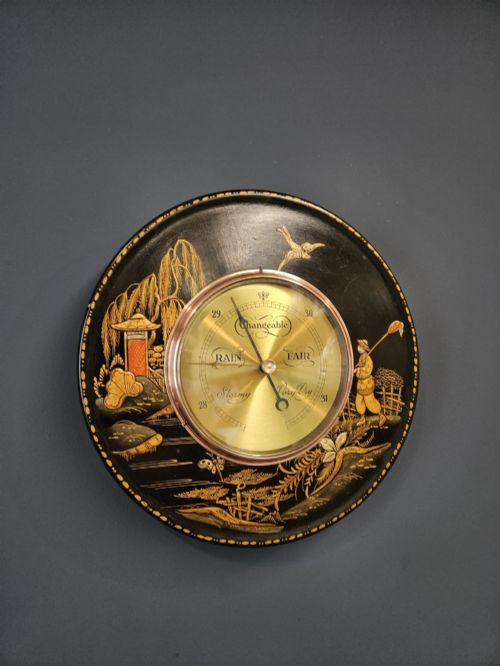
Antique style wall glass comprises decorative mirrors, barometers and wall lighting designed to reflect light and space across period interiors.
Antique Style Wall Glass
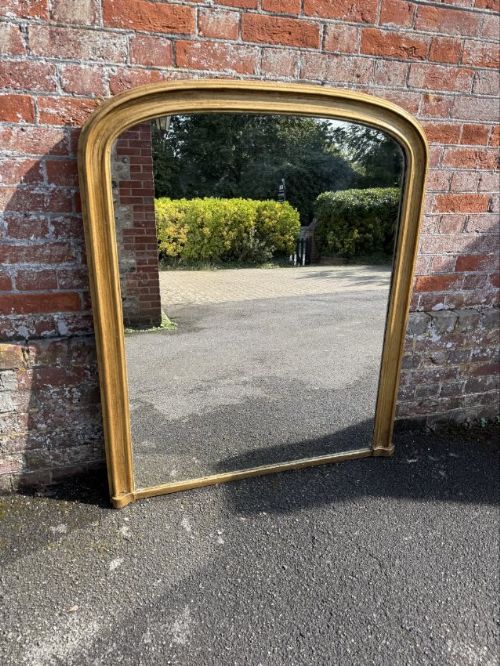
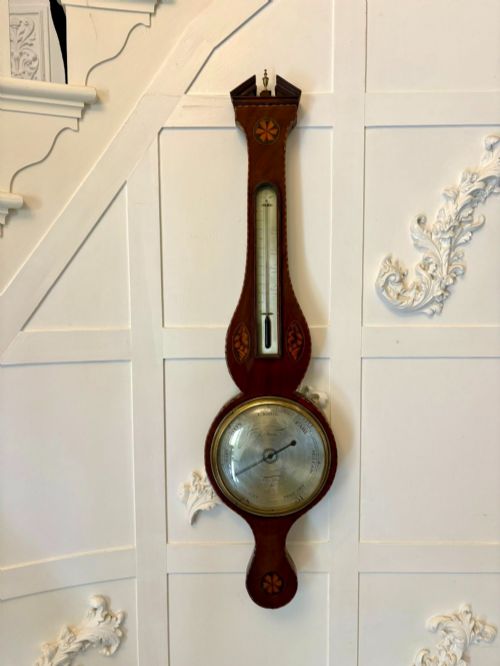
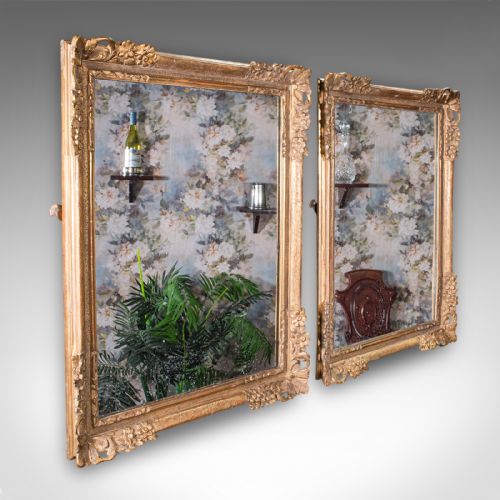
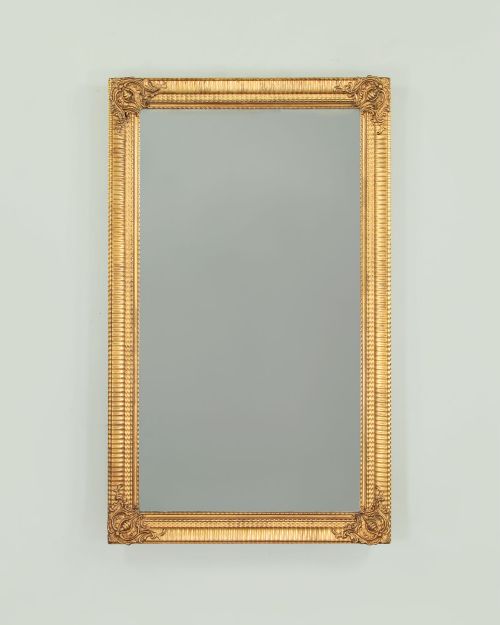
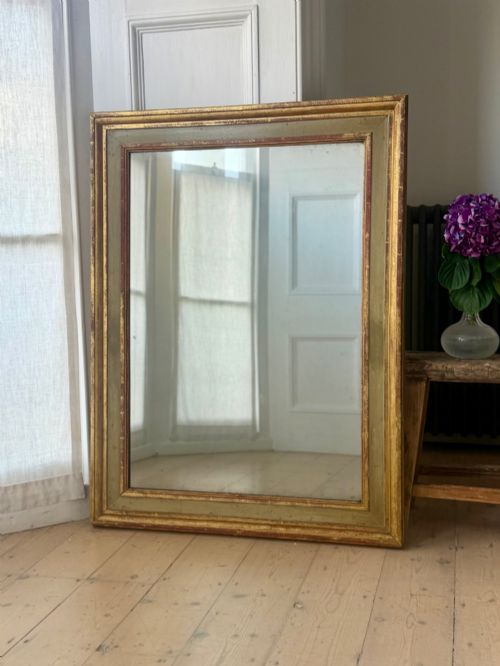
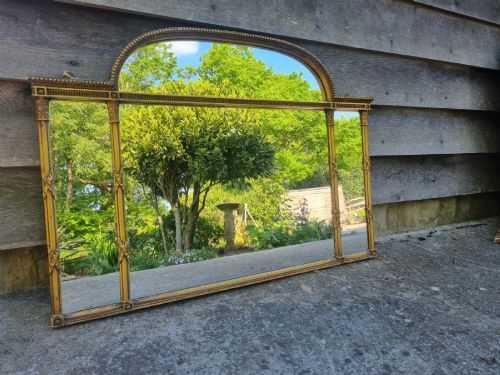
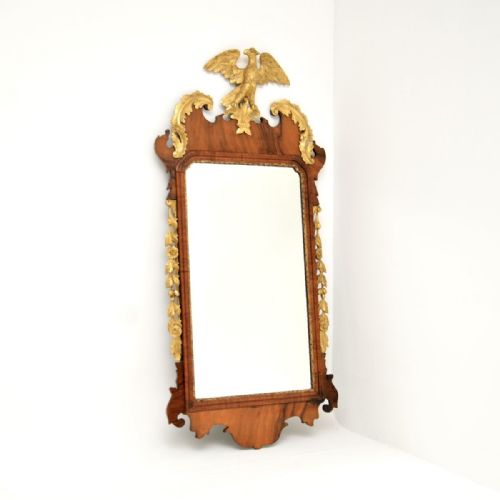
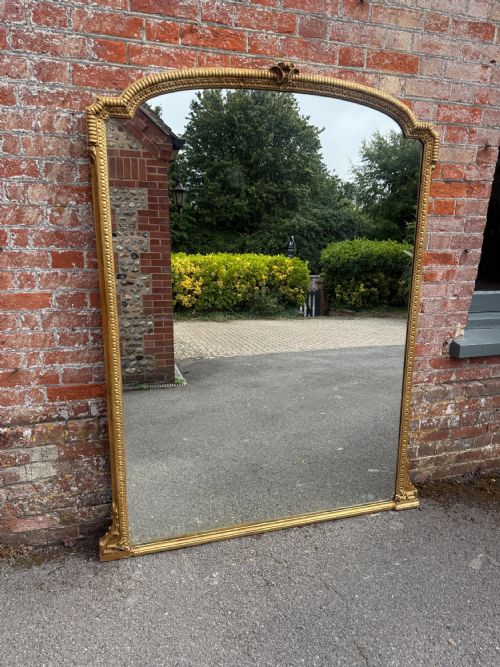
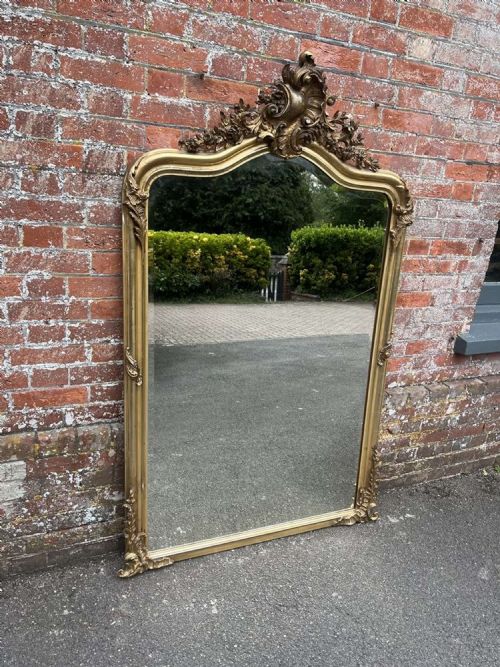
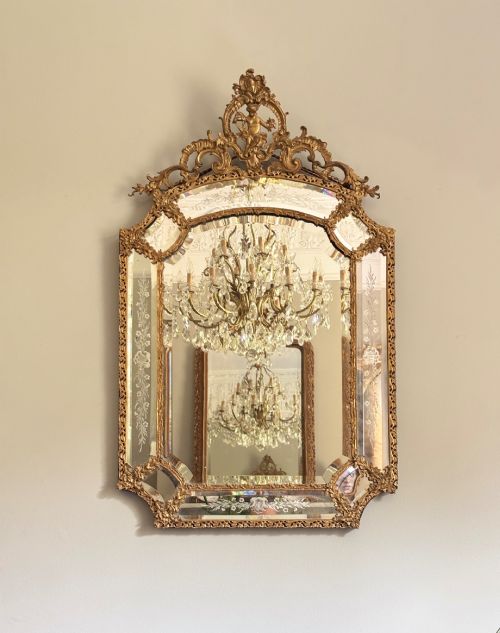
Buyers seeking antique style wall glass encounter a varied selection of hanging items, dominated by overmantel mirrors, wall mirrors and barometers. These pieces originate from periods spanning the eighteenth, nineteenth and early twentieth centuries, reflecting Georgian, Victorian, Regency and Rococo designs.
The assortment includes large giltwood overmantels intended for chimney breasts alongside smaller pier mirrors and mahogany banjo barometers. French and English workshops dominate the origins, producing shaped top frames, trumeau mirrors with pastoral paintings, and carved wooden sconces.
What varies in quality
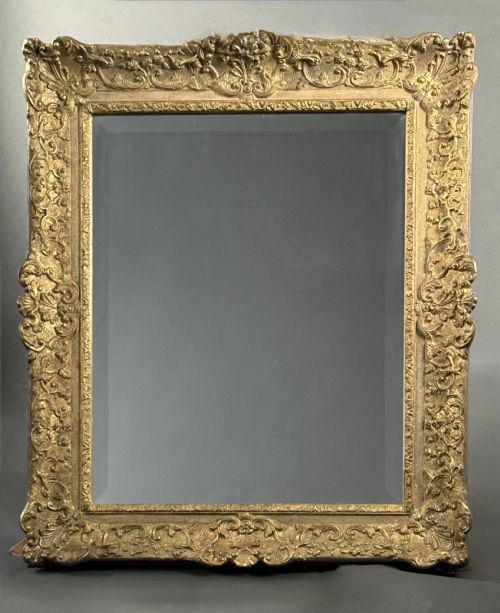
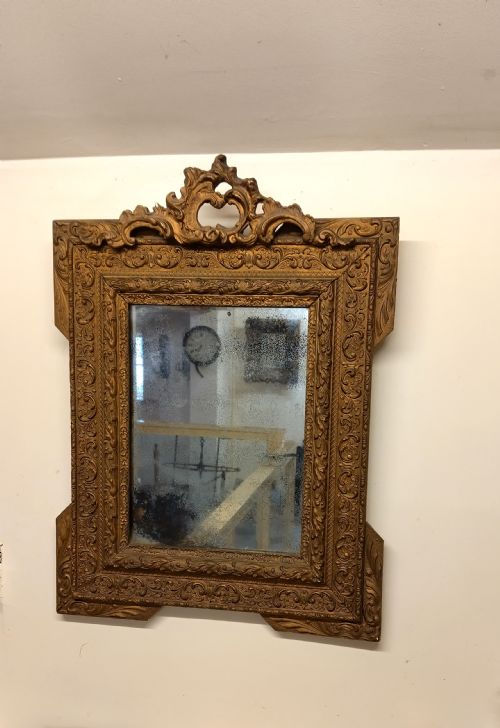
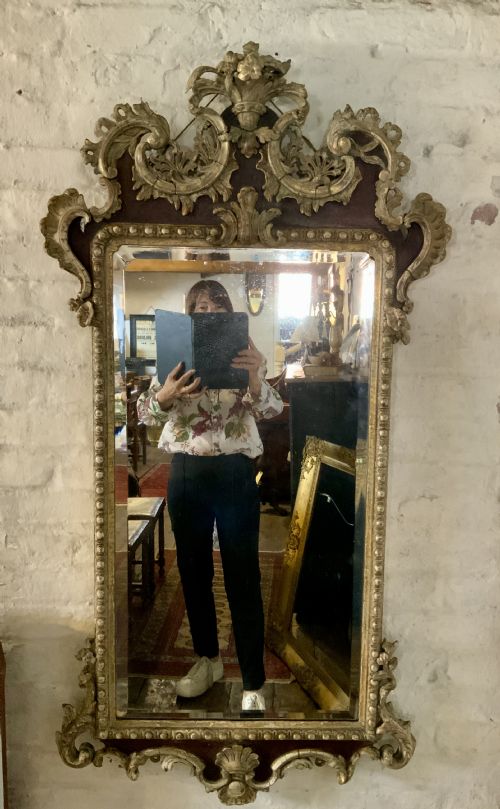
Quality rests in the depth and crispness of the hand-carved wood and gesso ornamentation, where sharper botanical or scroll motifs indicate superior craftsmanship. Lesser pieces rely on simpler moulded composition details rather than carved depth.
The preservation of the original mercury glass plates and genuine gold leaf gilding distinguishes finer examples from later replacements. Structural integrity of the underlying timber frame and the retention of original backboards also influence the standing of a piece.
Gillows Of Lancaster·Maison Baguès
The Antique Style Wall Glass Glossary
- Giltwood
- Wood that has been coated with a thin layer of gold leaf. This finish creates a bright reflective surface that was popular in grand reception rooms.
- Gesso
- A plaster-like mixture applied to wood frames to provide a smooth base for carving and gilding. Artisans carved intricate relief patterns directly into this material.
- Overmantel mirror
- A large horizontal mirror designed to sit upon the mantelpiece above a fireplace. These pieces dominated nineteenth-century interior wall space.
- Mercury glass
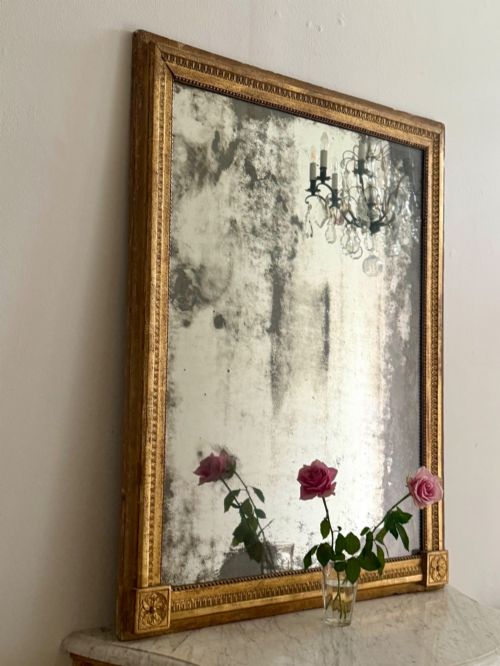
- Mirror glass produced by applying a tin and mercury amalgam to the rear of the glass plate. It yields a distinctive mottled reflection over time.
- Trumeau
- A decorative wall mirror incorporating an oil painting or panel within the upper section of the frame. Originating in France, these pieces integrated art and reflection.
Antique Style Wall Glass: Frequently Asked Questions
How do I hang a heavy antique mirror safely?
Large nineteenth-century giltwood mirrors carry substantial weight from their wooden frames and glass plates. Secure the piece directly into wall studs using appropriate steel brackets or fixings rated for the load.
Distribute the weight evenly across two fixing points rather than a single central wire to prevent frame distortion.
What is the difference between an overmantel and a pier mirror?
Overmantel mirrors are traditionally wider than they are tall, designed to anchor the visual space above a fireplace mantel. Their proportions suit wide expanses of wall.
Pier mirrors are narrower and taller, originally built to hang on the wall space or pier between two windows to maximise available light.
How should I clean antique mirror glass?
Apply a mild, alcohol-free cleaning solution to a soft microfiber cloth rather than spraying the glass directly. This prevents moisture seeping behind the silvering or mercury backing.
Avoid abrasive cloths and strong chemical agents that can damage the aged surface of the glass and the surrounding giltwood frame.
How can I tell if a mirror plate is original?
Original nineteenth-century or earlier plates often exhibit foxing, which appears as dark spots or irregular patches within the glass where the backing has degraded. The glass itself may show slight waviness or distortion.
Modern replacement plates present a uniform, perfectly clear reflection without historical ageing marks.