

Antique Style Seating
Antique style seating encompasses diverse historical forms from dining chairs to settles, offering period character and craft tradition to interior schemes.
Antique Style Seating
When buyers search for antique style seating, they encounter a broad spectrum of historic forms spanning dining chairs, armchairs, benches, and sofas. The selection ranges from formal mahogany dining suites and library chairs to country Windsor chairs in ash and elm, reflecting centuries of domestic utility.
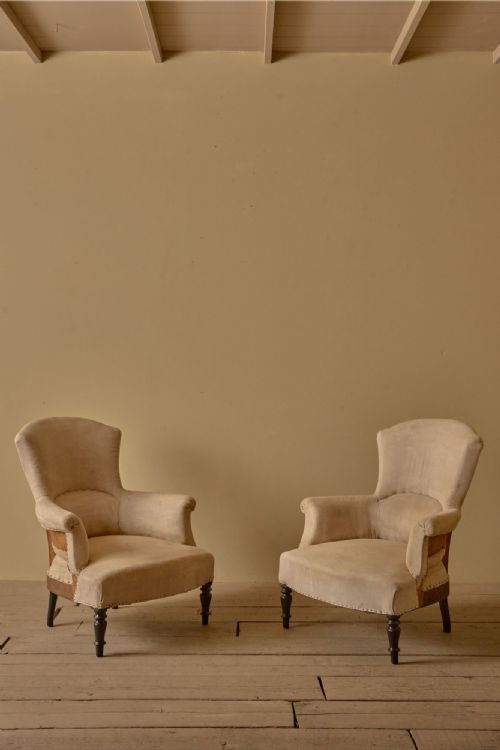
The material record on this page shows a heavy concentration of 19th-century and early 20th-century pieces, alongside earlier 18th-century examples. Dining chairs and armchairs appear most frequently, often grouped in sets or as decorative pairs.
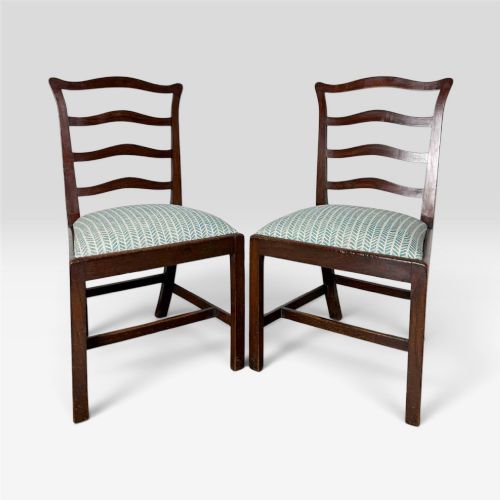
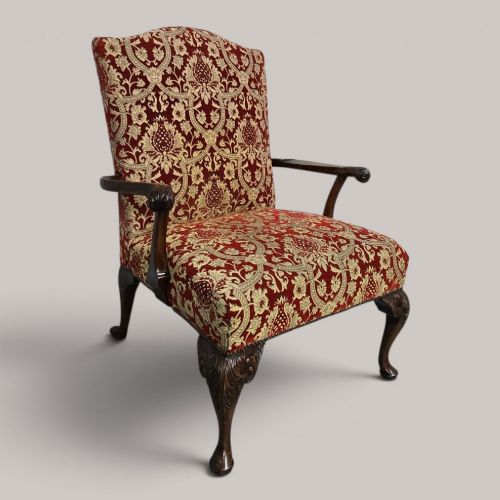
Stylistic revivals dominate the offerings, with cabinetmakers reproducing Georgian, Regency, Queen Anne, and Louis XVI aesthetics well into the Victorian and Edwardian eras. This historical emulation provides the visual weight of earlier centuries combined with the structural integrity of later manufacturing.
How they were made
Timber selection dictates the core framework of these seats, with mahogany, walnut, oak, ash, and elm utilised according to the regional tradition and stylistic period. Solid hardwoods provide the structural skeleton for carved rails, cabriole legs, and shield backs.
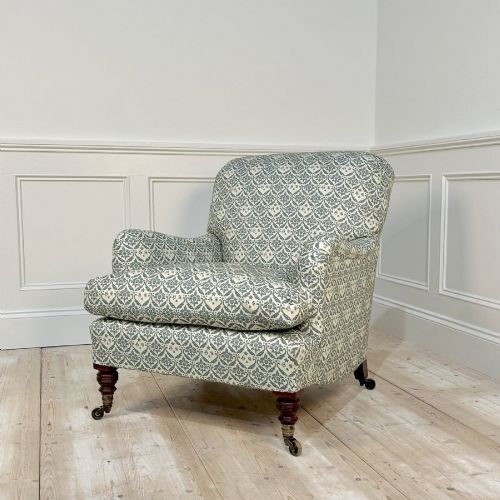
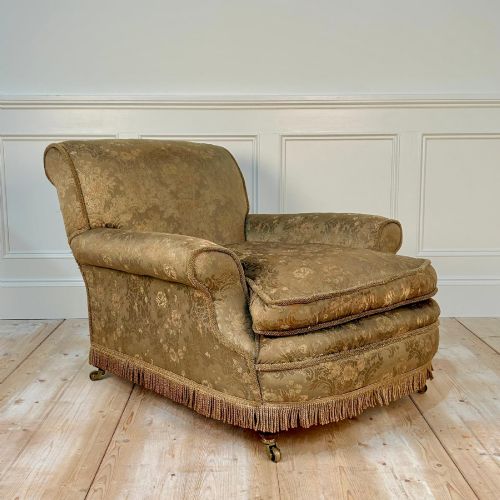
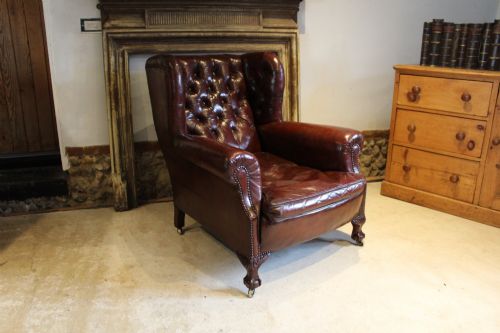
Upholstery techniques involve traditional stuffing materials paired with surface textiles such as velvet, silk, and woven fabrics, often secured with brass detailing or buttoning. Secondary timbers support rush seating and cane panels on country and revival chairs.
Antique Style Seating Retail Price Guide 2026
Typical asking prices for style seating among the pieces listed under this phrase on Sellingantiques today, from the lower quarter to the upper quarter. They describe what is for sale here now, not the wider market.
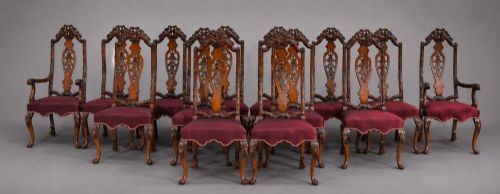
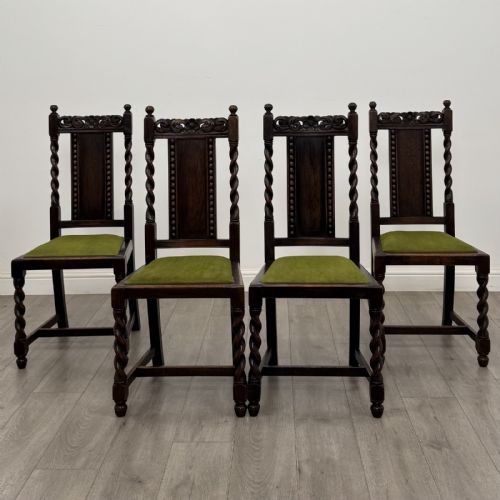
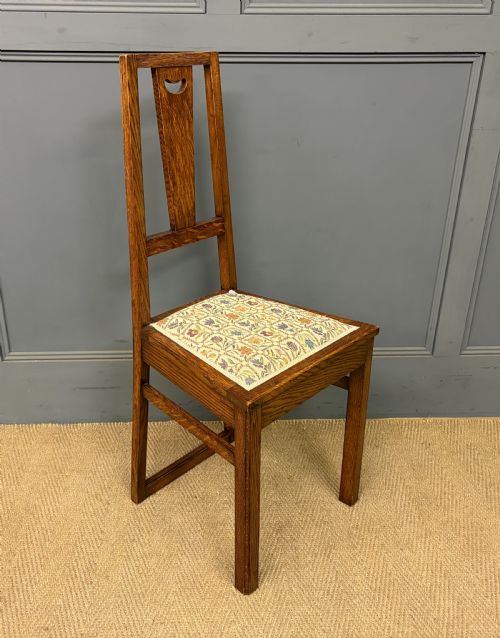
Revival aesthetics span from Queen Anne walnut reproductions to elaborate Arts and Crafts oak designs and Louis XVI style salon chairs.
What varies in quality
The refinement of hand-carved ornamentation separates standard production from exhibition pieces, particularly in the crispness of foliage, ribands, and claw-and-ball feet. Cabinetmakers who invested time in timber selection achieved harmonious grain patterns across entire dining sets.
Structural honesty and the retention of original components determine the standing of upholstered and framed seating. Pieces retaining period textiles or untouched secondary woods hold greater architectural integrity than heavily restored alternatives.
Whytock and Reid·Waugh and Son·Howard and Sons·Morris and Co·Charles Tozer
The Antique Style Seating Glossary
- Carver
- An armchair designed to match a set of dining single chairs, typically featuring open arms to accommodate formal clothing. These usually sat at the head and foot of the dining table.
- Shield back
- A chair back shaped in the outline of a heraldic shield, popularized by 18th-century designers like Hepplewhite. This form often incorporates carved drapery or pierced splats.
- Bar back
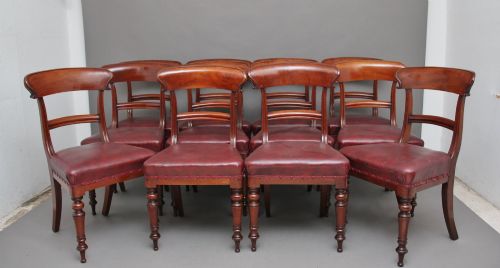
- A horizontal wooden slat running across the upper back of a dining chair, common in William IV designs. It provides robust lumbar support while allowing grain patterns to show.
- Settle
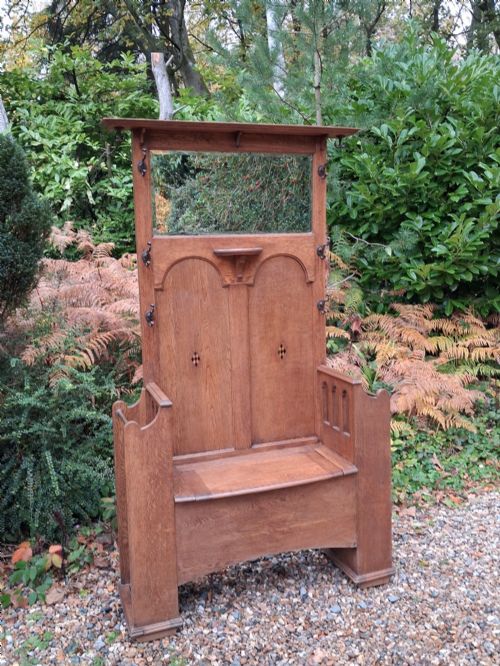
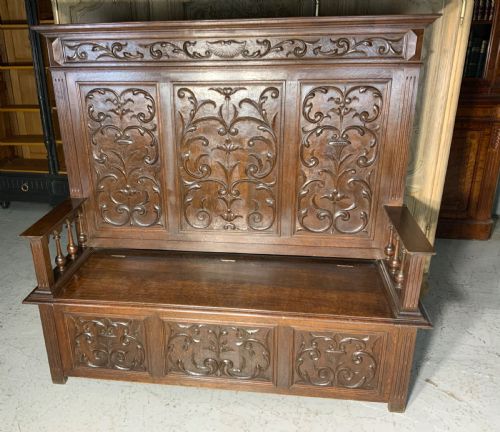
- A wooden bench with a high solid back and enclosed arms designed to deflect drafts in historic hallways and kitchens. Underseat storage occasionally appears in vernacular examples.
- Bergere
- An enclosed upholstered armchair with a cane or solid wooden frame, originating in France. The seat usually incorporates a loose down cushion for comfort.
Antique Style Seating: Frequently Asked Questions
How do I mix different chair styles?
Combining antique style seating relies on balancing timber tones and period silhouettes rather than matching sets precisely. Pairing carvers from one tradition with simpler side chairs creates a layered interior.
Grouping seating by similar wood finishes, such as polished mahogany or dark oak, unifies disparate forms around a common table or within a single room.
Are these chairs suitable for daily dining?
Most antique and revival dining chairs are built from solid hardwoods designed for regular domestic use. Their robust joinery often outlasts modern flat-pack alternatives.
Checking the stability of the leg joints and seat frames ensures safe daily use while preserving the structural balance of older furniture.
How do I care for antique upholstery?
Protecting period textiles involves regular gentle vacuuming with a soft brush attachment and keeping pieces away from direct sunlight to prevent fading. Professional cleaning maintains delicate silk and velvet surfaces.
Avoiding excessive moisture prevents damage to internal stuffing materials and preserves the tension of traditional webbing and buttoning.