

Antique Style Oak Dresser
An antique style oak dresser brings substantial timber presence into a room, offering practical storage through deep drawers and sturdy display surfaces.
Antique Style Oak Dresser
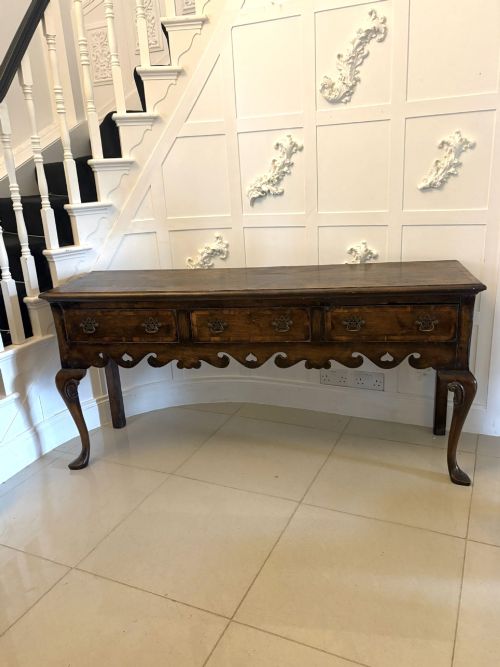
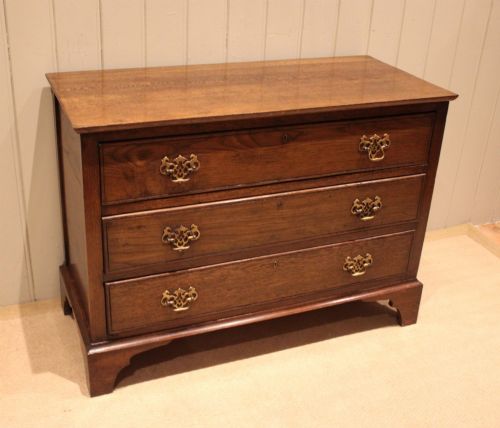
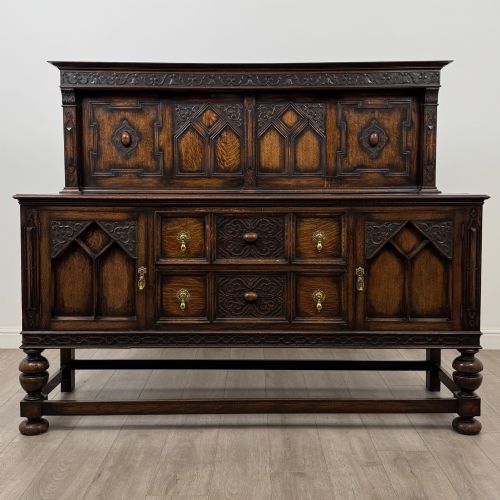
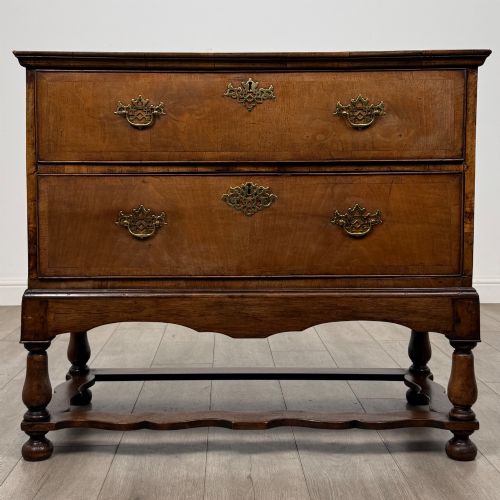
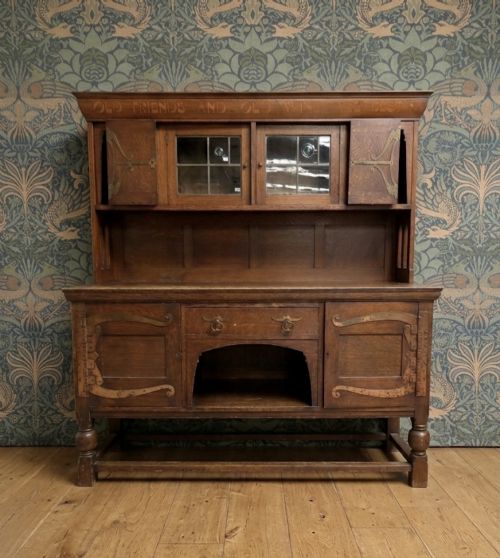
When searching for an antique style oak dresser, buyers encounter pieces primarily spanning from the seventeenth century through to the Edwardian period and the nineteen-twenties. The selection encompasses regional country pieces, high dresser bases with potboards, and revival furniture modelled on earlier Georgian and Jacobean aesthetics.
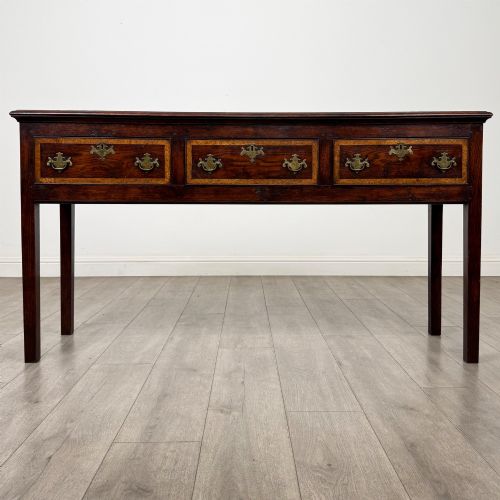
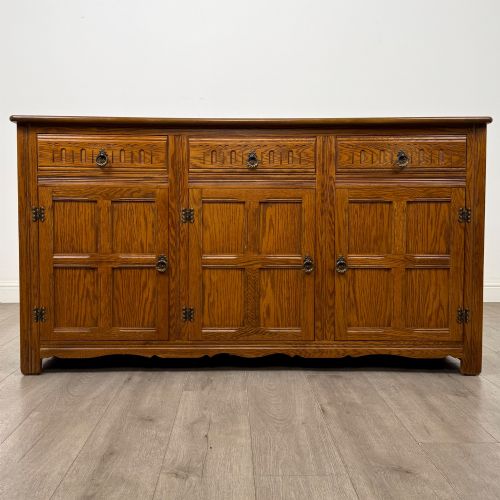
The form frequently bridges the gap between a sideboard, a serving table, and a storage cabinet, often featuring multiple drawers alongside cupboards. Many examples demonstrate historic revivals, where nineteenth and twentieth-century makers reinterpreted seventeenth-century geometric mouldings and panel construction.
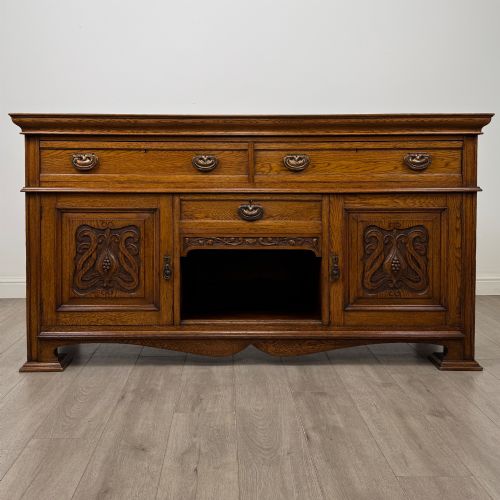
Most items meeting this description present heavy timber construction, utilising native or imported hardwoods shaped into functional domestic storage. Buyers are most likely to encounter Edwardian interpretations and nineteenth-century revival pieces that mirror older proportions and decorative carving.
How They Were Made
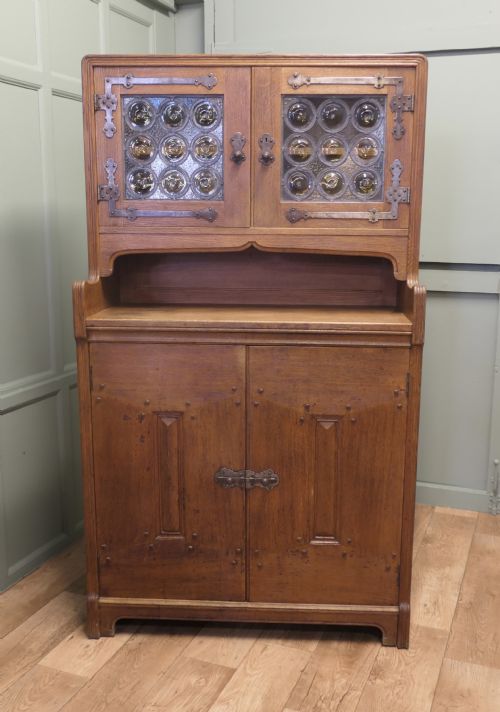
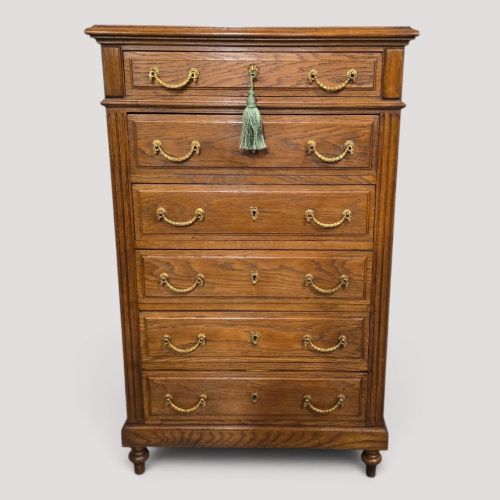
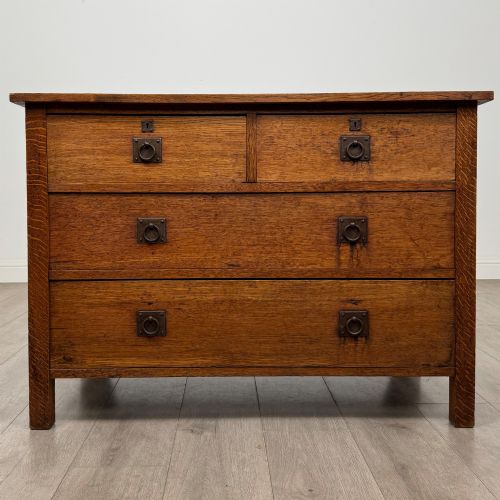
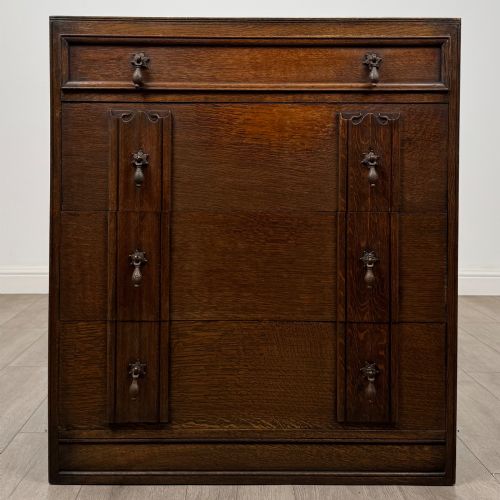
Construction relies heavily on solid oak, chosen for durability and distinctive grain patterns, paired with brass and iron hardware such as drop handles and hinges. Joinery techniques include mortise and tenon frames, hand-cut dovetails for drawers, and geometric mouldings applied to drawer fronts.
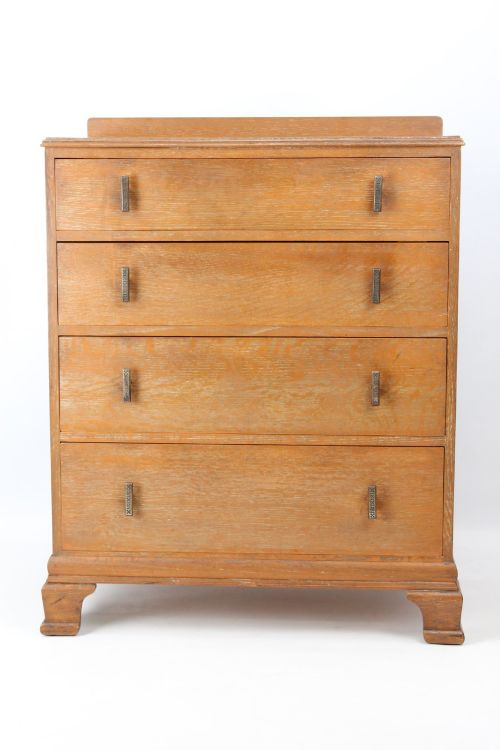
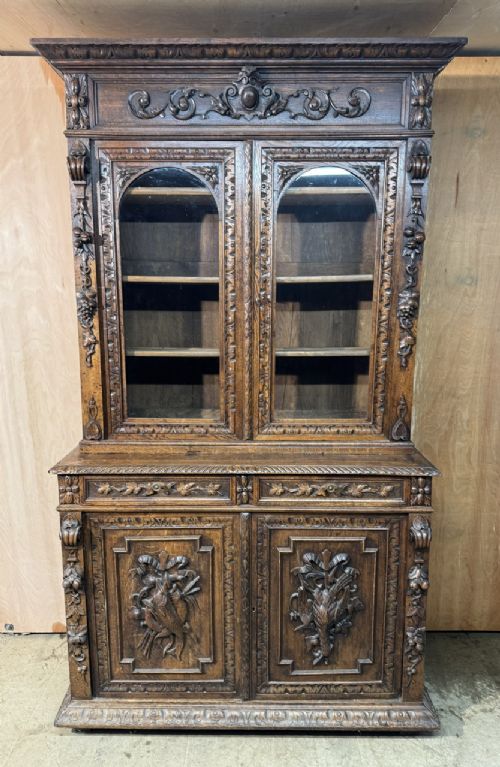
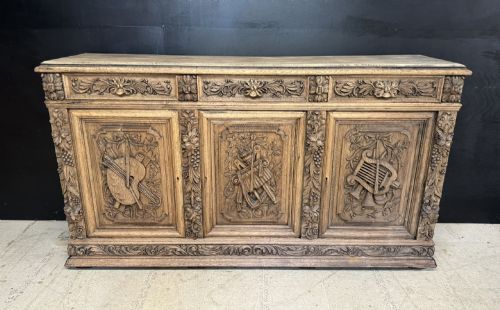
Surface treatments range from waxed finishes that highlight natural golden tones to limed oak applications and dark polishing intended to simulate centuries of age. Carved details, linenfold panels, and applied geometric facets require skilled hand-chiselling rather than mass production methods.
Listings feature oak combined with brass, iron, glass, and marble across styles including Jacobean Revival, Arts and Crafts, and French Provincial.
What Varies in Quality
Quality rests upon the selection of timber, the crispness of hand-carved mouldings, and the structural integrity of the joints and drawer runners. Superior examples display carefully matched grain across drawer fronts and heavy, solid oak timber boards rather than thin veneers over secondary softwoods.
The distinction between standard commercial production and finer workshops appears in the weight of the brass hardware, the precision of the dovetail joints, and the depth of the carved panels. Finer pieces maintain original timber patination and balanced proportions that reflect thoughtful design by established makers.
Ambrose Heal·Leonard Wyburd
The Antique Style Oak Dresser Glossary
- Dresser base
- A low sideboard unit featuring drawers and sometimes a lower shelf or potboard, designed for serving food and storing tableware. This form sits without the plate rack superstructure found on high dressers.
- Potboard
- An open slatted lower shelf integrated into the base of a dresser, historically used for storing pots and pans. It provides structural stability to the legs while offering low display space.
- Geometric moulding
- Raised wooden mouldings applied in intersecting geometric patterns such as rectangles and octagons on drawer fronts and doors. This decorative technique is frequently associated with seventeenth-century and revival furniture.
- Linenfold
- A style of wood carving that imitates folded fabric or linen cloth, commonly used to adorn cabinet doors and panels. It gained prominence during the Tudor period and reappeared in later revival pieces.
- Cabriole leg
- A furniture leg that curves outward in a convex arc and tapers inward in a concave arc, terminating in a pad or foot. This form appears on eighteenth-century inspired revival tables and dresser bases.
Antique Style Oak Dresser: Frequently Asked Questions
How do I spot a true period piece from a revival?
Distinguishing older construction involves examining tool marks, timber shrinkage, and the type of fixings used within the internal framework. Hand-cut joinery and authentic wear patterns separate seventeenth and eighteenth-century originals from later nineteenth-century revival interpretations.
Revival furniture often exhibits uniform machine milling and standardised components that differ from the individual quirks found in truly ancient cabinetmaking.
Where should I place an oak dresser in my home?
These substantial pieces anchor dining rooms, kitchens, and large hallways, providing both surface area for display and deep storage within their drawers and cupboards. Their robust timber presence works well against plain walls where the grain and carving remain visible.
Avoid positioning solid wood furniture directly next to active heat sources or in areas subject to extreme humidity fluctuations to prevent timber movement.
How do I care for antique oak surfaces?
Regular dusting with a dry, soft cloth maintains the surface without stripping the natural wax or accumulated patination. Periodic application of quality beeswax feeds the dry timber and preserves the rich golden tone of the oak.
Keep liquids away from the top surface and use coasters or mats beneath objects to prevent water rings and staining on the polished wood.
What is the difference between a high dresser and a dresser base?
A high dresser incorporates an upper plate rack featuring shelves for displaying ceramic plates and platters above the main serving surface. A dresser base consists solely of the lower cabinet portion with drawers and cupboards.
Dresser bases function similarly to sideboards and offer flat top surfaces suitable for serving or placing lamps.