

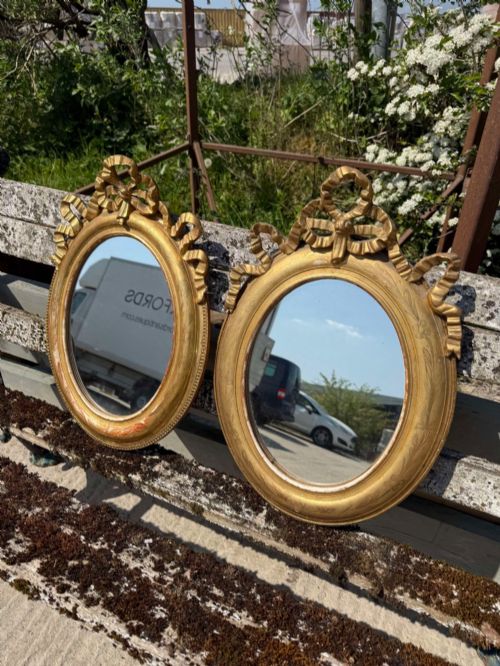
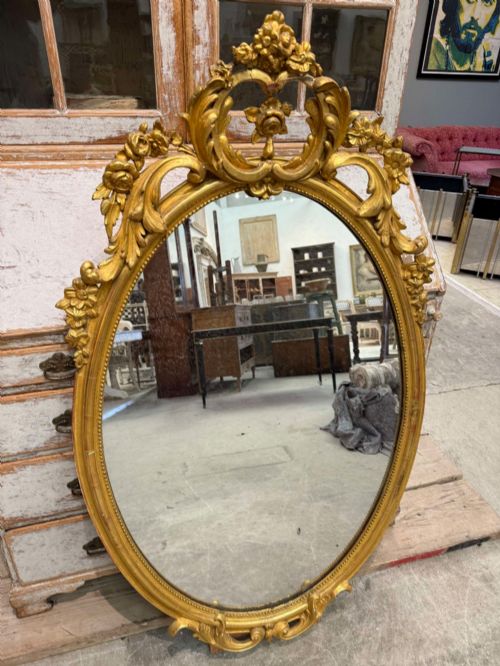
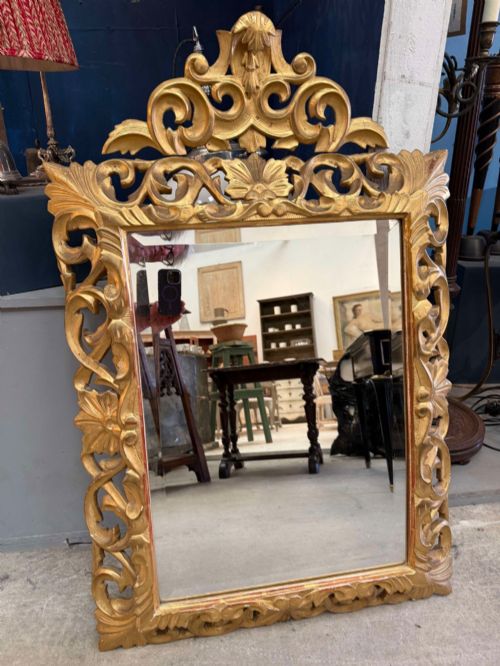
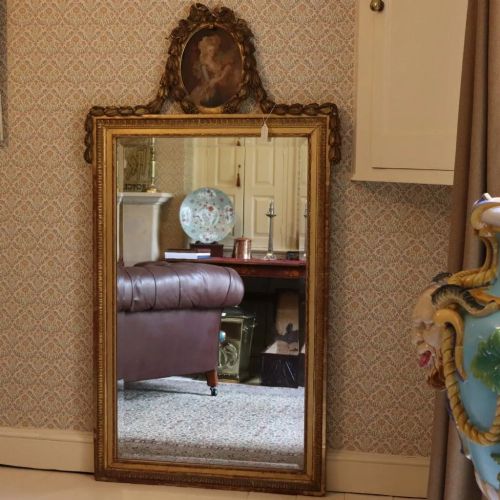

Antique Style Mirror
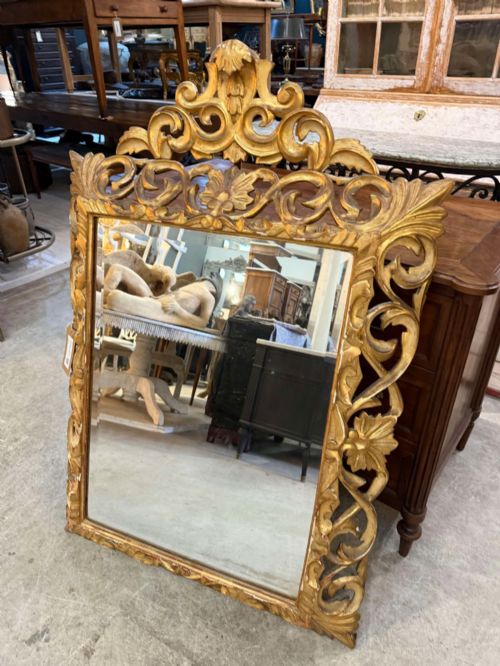
An antique style mirror brings reflective light and period character into a room through carved giltwood frames and stately proportions.
Antique Style Mirror
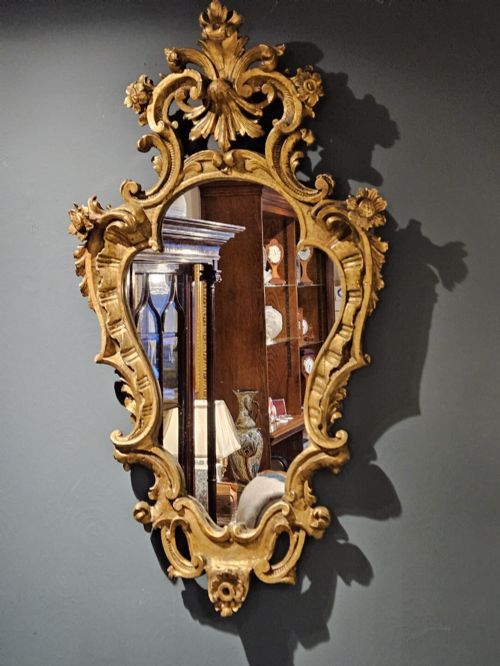
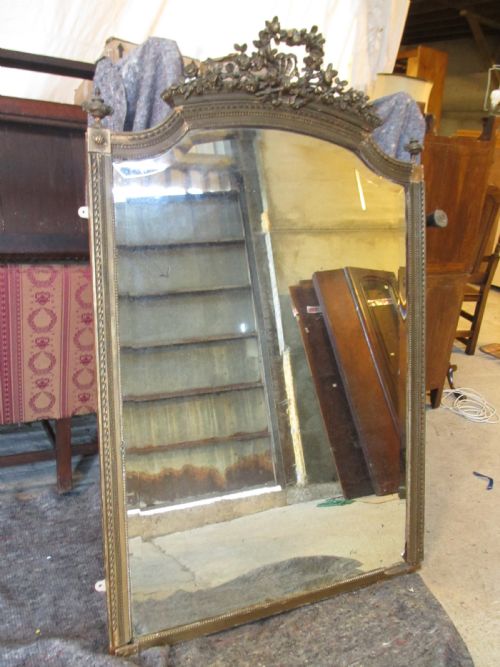
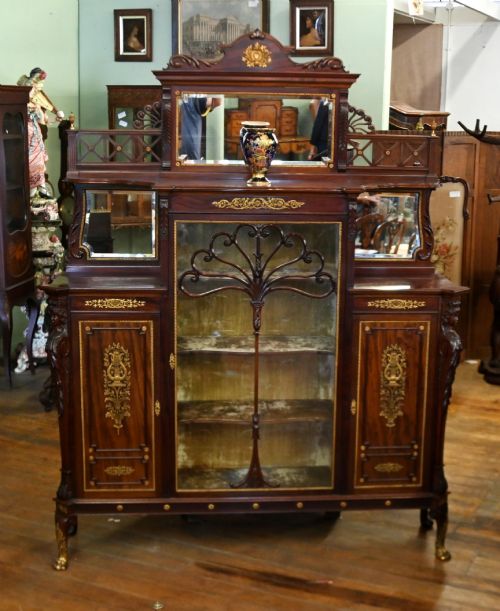
When searching for an antique style mirror, a buyer encounters a diverse selection of wall hangings, overmantels, and dressing glasses spanning the eighteenth through early twentieth centuries. These pieces reflect specific historic aesthetics including Regency, Victorian, and Rococo Revival designs executed in rich timber or gilded finishes.
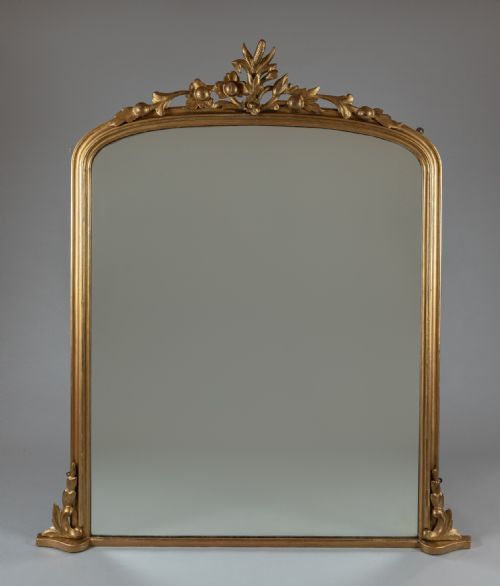
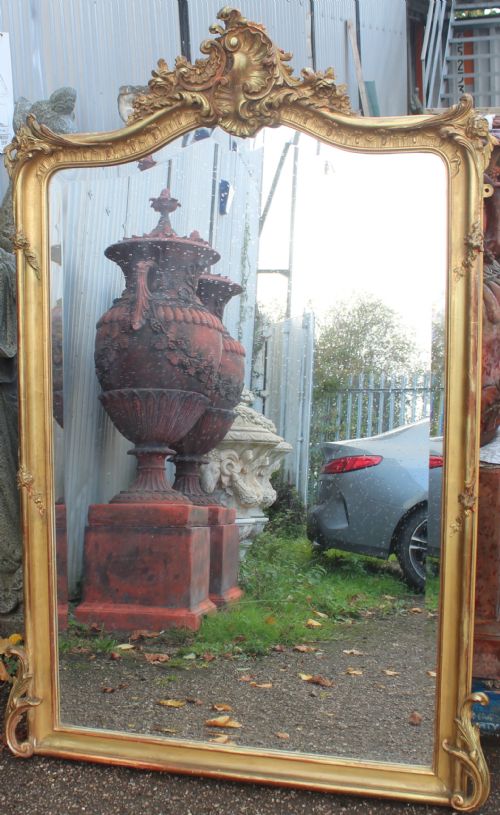
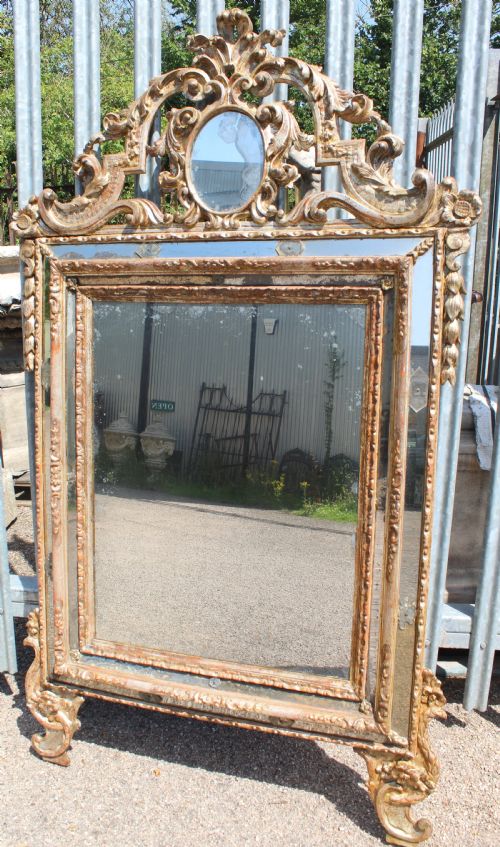
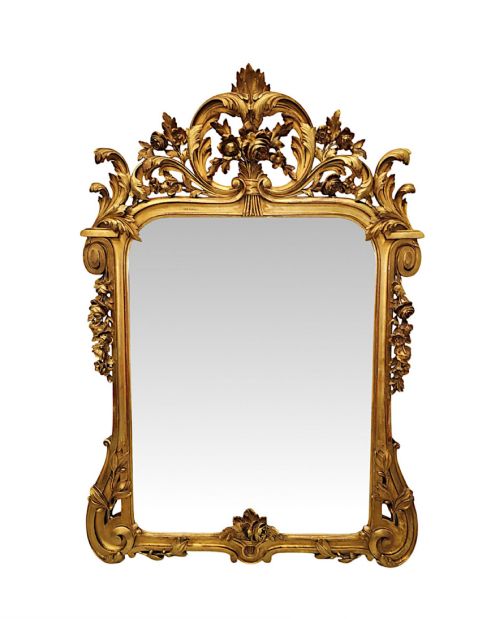
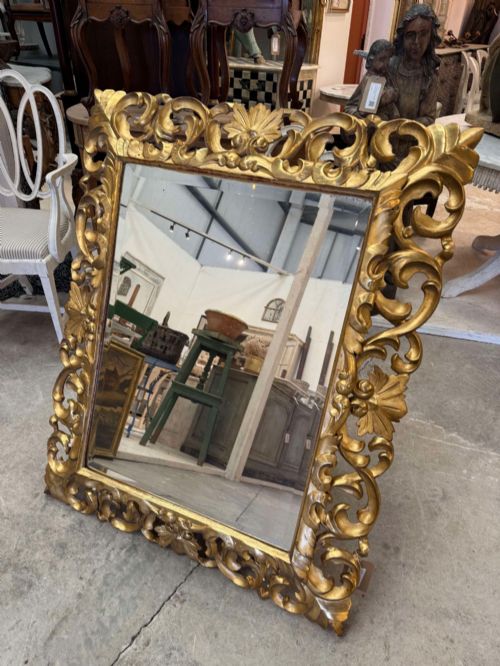
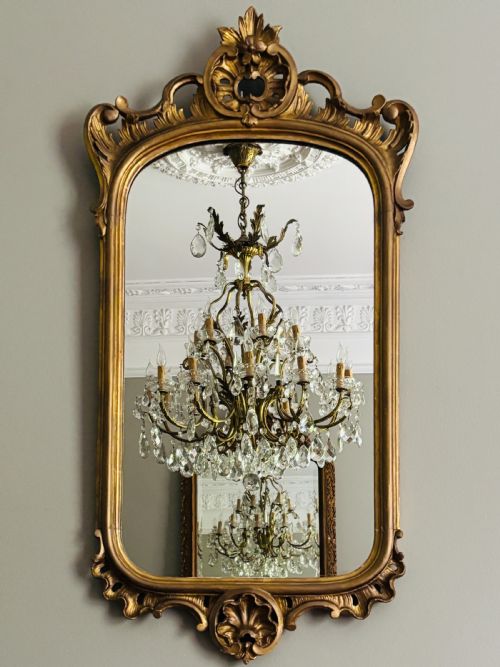
The most common examples on this page are substantial nineteenth-century giltwood overmantel mirrors and ornate wall mirrors featuring arched tops or carved gesso ornamentation. These items were originally built to anchor formal reception rooms or grand mantelpieces.
How they were made
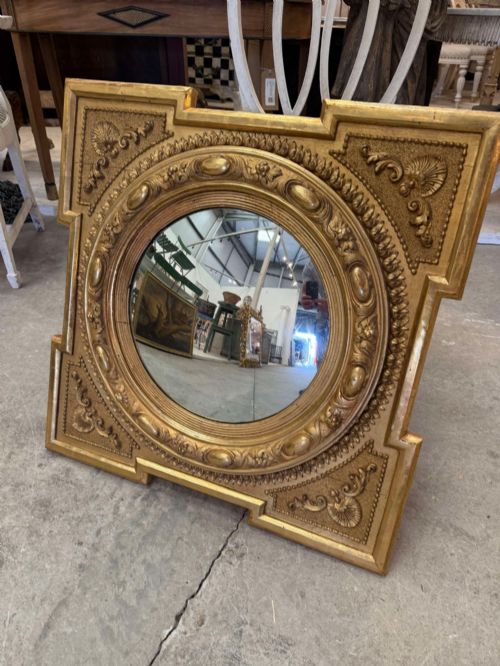
Framemakers built these pieces using solid timbers such as mahogany, oak, and yew, often applying a layer of gesso over carved wood to receive intricate surface decoration. Giltwood examples utilised thin sheets of gold leaf or applied gilding over red bole primers to achieve their characteristic metallic sheen.
Reflecting surfaces historically consisted of mercury glass or traditional mirror plate, set within frames secured by pegged joints or intricate fretwork. Decorative crests, ribbons, and birds were painstakingly carved by hand before being integrated into the main structural frame.
Antique Style Mirror Retail Price Guide 2026
Typical asking prices for style mirror among the pieces listed under this phrase on Sellingantiques today, from the lower quarter to the upper quarter. They describe what is for sale here now, not the wider market.
One particularly vigilant convex mirror comes surmounted by a large spread eagle keeping watch over the room.
What varies in quality
The distinction between ordinary production and superior craftsmanship rests in the depth and crispness of the hand-carved wood and gesso ornamentation. Finer examples display meticulous detailing along the floral motifs, scrollwork, and crests without the softening of edges typically found in mass production.
Material selection also dictates the standing of a piece, separating simple pine-framed items from substantial mahogany structures or deeply burnished gold leaf surfaces. The integrity of the original mirror plate and the weight of the supporting timber frame further distinguish the standard of manufacture.
Edwards and Roberts
The Antique Style Mirror Glossary
- Giltwood
- Wood that has been coated with gold leaf or a gold-coloured metallic finish. This technique gives frames a brilliant reflective quality suited to formal interiors.
- Gesso
- A plaster-like mixture applied to wood frames to create a smooth surface for carving and gilding. Artisans model intricate low-relief ornamentation directly into this compound.
- Overmantel mirror
- A large mirror specifically designed to hang above a fireplace mantelpiece. These pieces often feature expansive horizontal proportions to fill the wall space.
- Cheval mirror
- A full-length swing mirror suspended on a vertical floor frame. The pivoting glass allows the user to adjust the viewing angle easily.
- Girandole
- A decorative wall mirror fitted with attached candle sconces. The candleholders multiply the available light within a dimly lit room.
Antique Style Mirror: Frequently Asked Questions
What is an overmantel mirror?
An overmantel mirror is a large decorative glass specifically proportioned to hang directly above a fireplace mantel. These pieces served to brighten rooms by reflecting natural daylight from opposing windows.
Historically, they formed the visual focal point of Victorian and Georgian reception rooms. Their substantial scale helps anchor the surrounding architecture.
How do I identify a Victorian mirror?
Victorian mirrors often feature heavy gesso ornamentation, arched tops, and rich giltwood finishes reflecting Rococo or Renaissance revival tastes. Makers during this era embraced elaborate floral carvings and substantial proportions.
Examining the construction methods and backing boards reveals the nineteenth-century origins of the piece. The weight of the timber and the depth of the gilding provide further clues to the period.
Where should I hang a large wall mirror?
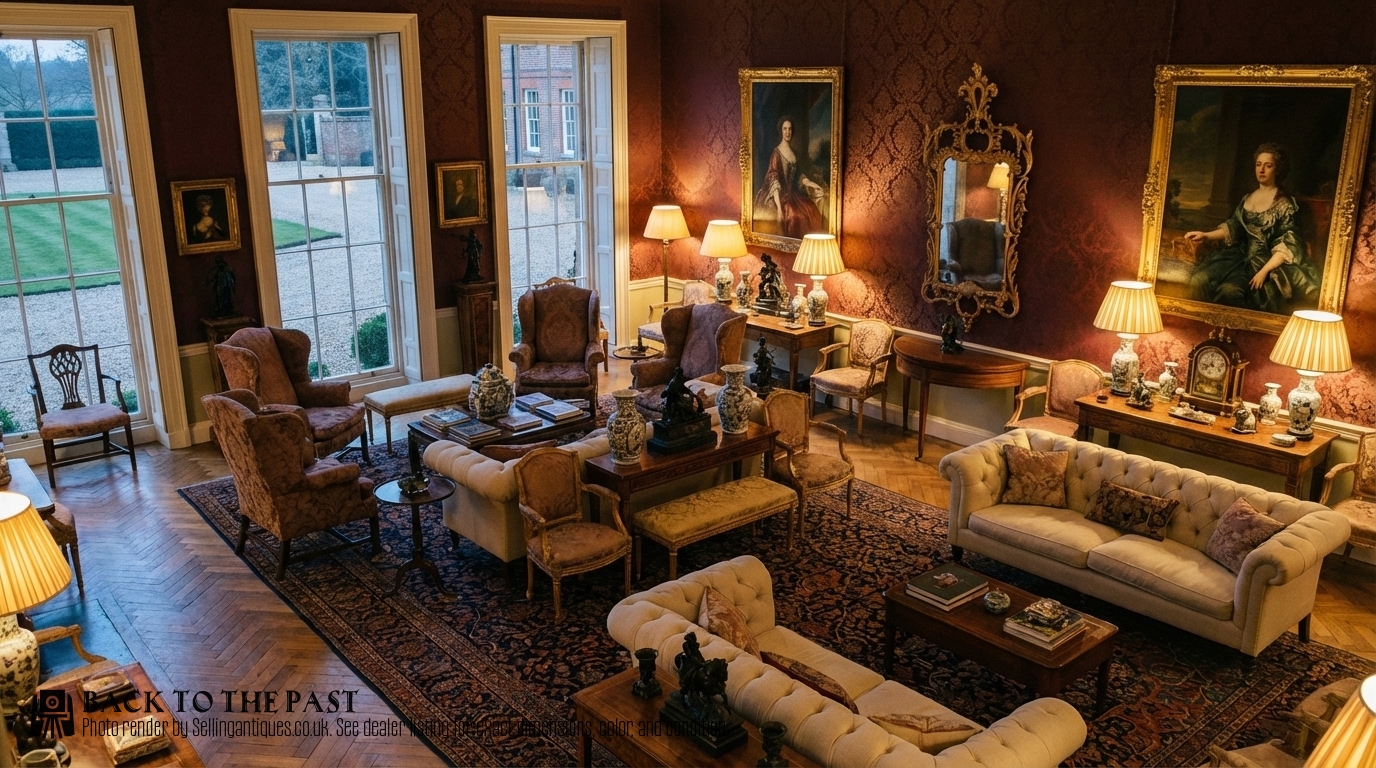
Large wall mirrors work best anchored to prominent walls in living rooms, hallways, or above dining room sideboards. Positioning the glass opposite a window maximises light distribution.
Ensure the wall structure can support the substantial weight of carved wood and gesso frames. Professional fixings are essential for safely securing heavy nineteenth-century pieces.