




Antique Style Globe
An antique style globe often takes the form of a sectional bookcase or a desktop instrument, bringing mechanical ingenuity and utility to a study.
Antique Style Globe
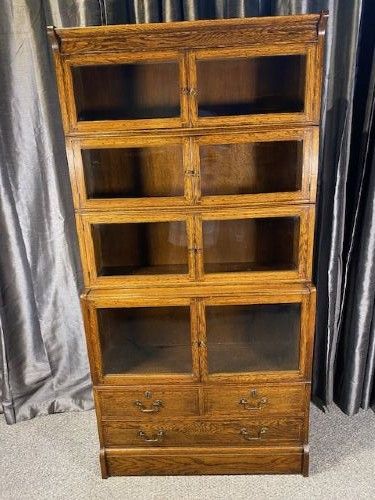
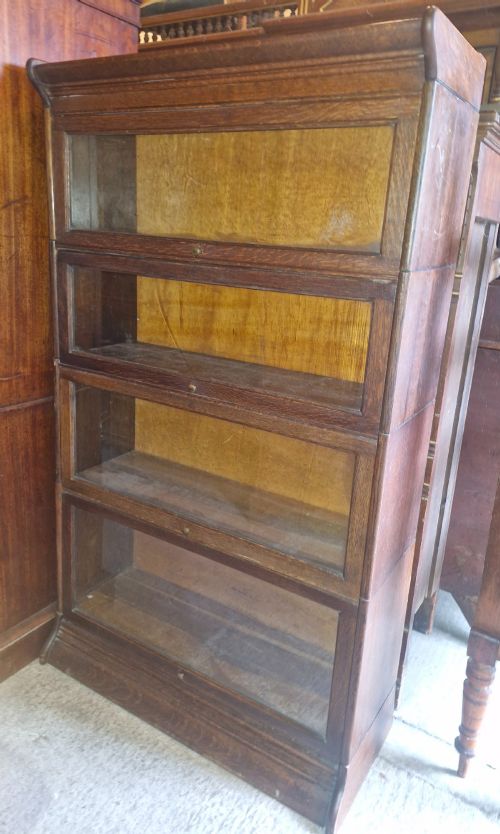
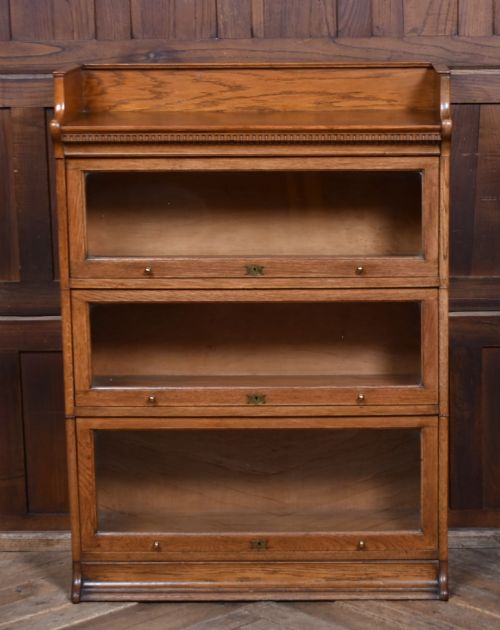
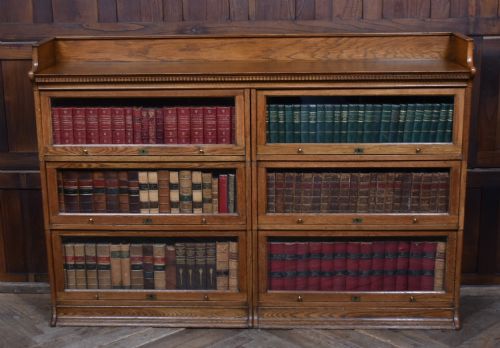
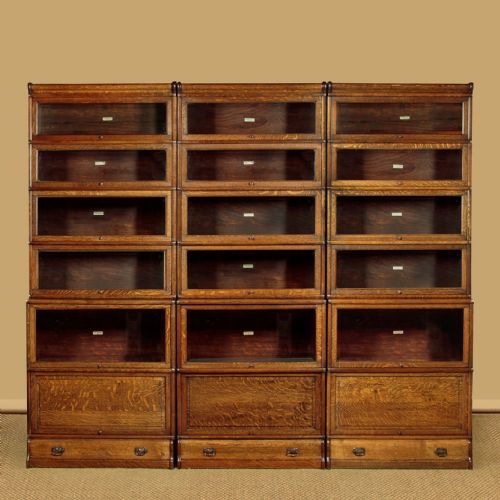
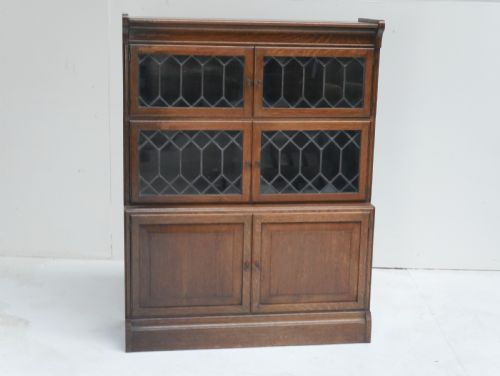
When you search for an antique style globe, you are encountering a mix of terrestrial globes and sectional barrister bookcases that share the name of the pioneering manufacturer Globe Wernicke. These pieces span the Edwardian period, the 1920s and the 1930s, reflecting a domestic desire for orderly libraries and geographical learning.
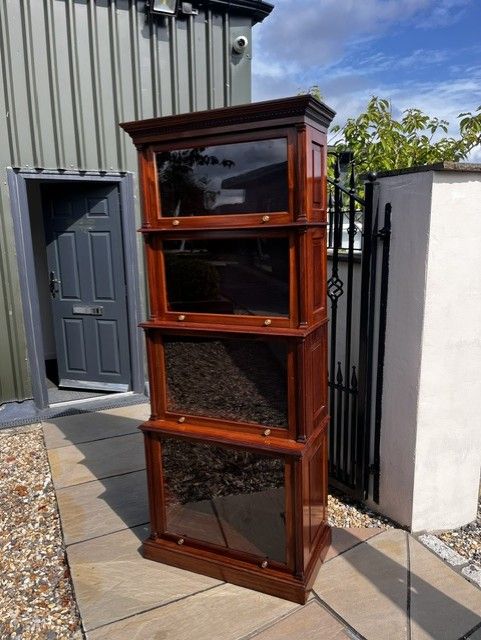
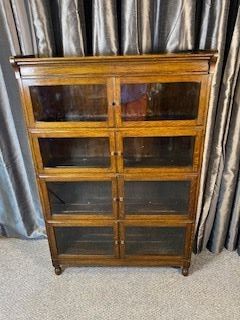
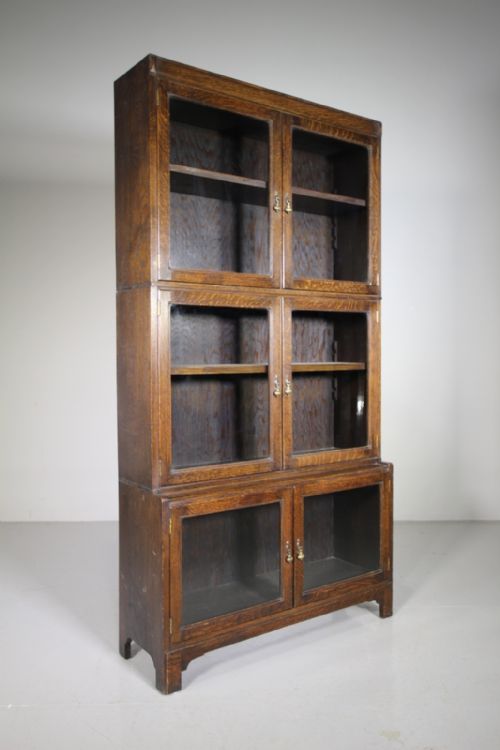
The most common form on this page is the modular stacking bookcase in oak or mahogany, alongside miniature desk globes mounted on wood or metal stands. Makers such as Minty, Lebus, and Gunn dominated this office furniture tradition, creating horizontal tiers with upward-lifting glass doors.
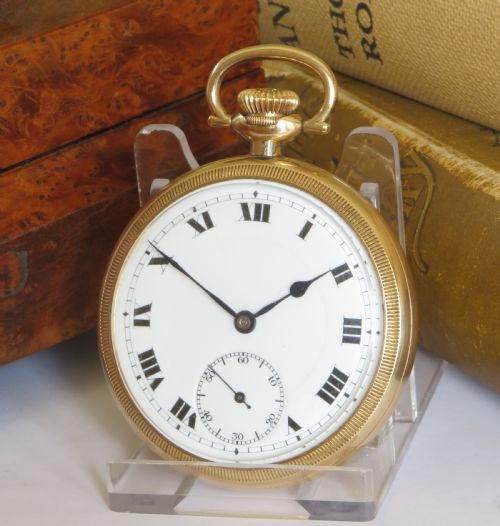
Beyond the standard office units, the evidence shows related spherical and celestial items including pocket watches, rock crystal earrings, and figural clock garnitures. Each object uses the sphere or the stacking mechanism to solve a practical storage or design problem in the home.
Materials and construction
Solid oak and mahogany form the primary carcasses of the sectional bookcases, paired with clear window glass to protect the books inside. Brass hardware, lead weights, and metal fittings control the smooth vertical movement of the stacking doors.
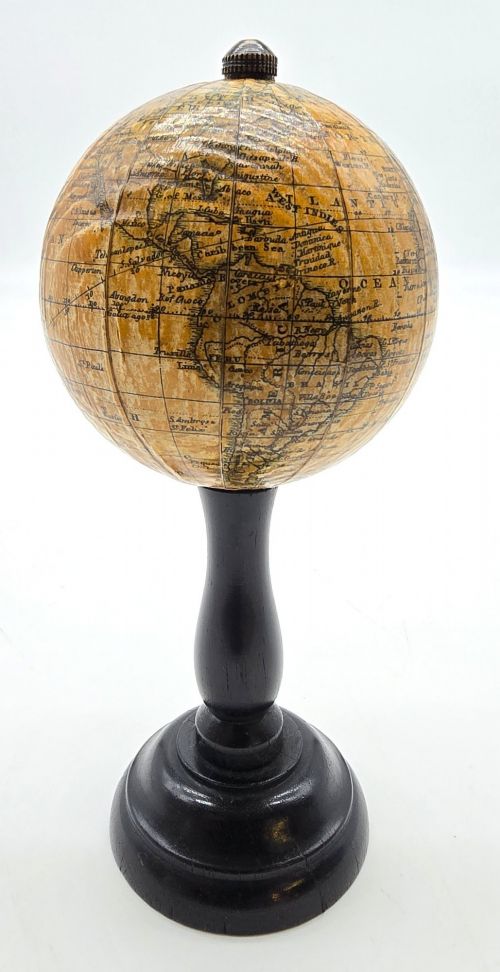
Desk globes combine printed paper gores applied to glass or spherical cores, supported by stands carved from ebony or cast in bronze and ormolu. Finishes range from golden oak polish to limed oak and traditional wax, preserving the timber grain.
Listings feature oak and mahogany woods combined with glass, brass, and paper across Edwardian, Victorian, and mid twentieth century periods.
Evaluating quality and craftsmanship
Quality rests upon the precision of the modular joints and the original condition of the glass panels within each tier. Maker attribution via stamped brass badges or labels from firms like Globe Wernicke, Minty, or Lebus elevates a piece above generic alternatives.
The integrity of the paper map gores on a globe and the smooth operation of the lifting mechanism in a bookcase determine the desirability of the item. Retaining original surface patination without aggressive sanding distinguishes a superior antique from a heavily restored one.
Globe Wernicke·Lebus·Minty·Gunn·Globe Watch Co·Messenger·Perry And Co·Raths Physikalischer
The Antique Style Globe Glossary
- Barrister bookcase
- A modular office cabinet featuring stacked glazed sections that lift and slide inward. This design allowed lawyers to transport their libraries piece by piece.
- Globe Wernicke style
- A stacking sectional bookcase design popularised in the late nineteenth and early twentieth centuries. It uses interlocking wooden modules.
- Gore
- A tapering printed paper strip applied to a spherical core to form a map of the earth. Several gores align to complete the terrestrial globe.
- Garniture set
- A matching set of decorative objects, typically a clock paired with matching vases or urns, placed on a mantelpiece.
- Sectional bookcase
- A piece of furniture built from separate modular tiers stacked vertically. Units can be added or removed as a library grows.
Antique Style Globe: Frequently Asked Questions
How do sectional bookcases work?
Each tier is a separate wooden box with a glazed door that slides upward and into the cabinet above the books. The modules stack on top of a base plinth and sit beneath a top cornice without permanent fixings.
This modular construction allowed offices and homes to expand their storage vertically by simply adding another section to the stack.
Where were these pieces used?
Stacking bookcases were designed primarily for professional offices, law chambers, and studies where working libraries required dust protection and frequent access. Desk globes sat in studies, libraries, and schoolrooms as functional reference tools for geography.
Over time, these utilitarian office pieces transitioned into domestic living rooms and hallways for display purposes.
How do I care for oak and mahogany?
Keep wooden furniture away from direct heat sources and drastic humidity changes to prevent the timber from splitting or warping. Dust regularly with a dry cloth and apply a traditional beeswax polish sparingly to maintain the finish.
Avoid commercial liquid sprays containing silicone, which can build up and soften the historic polish over time.
How are periods identified?
Periods are determined by construction methods, timber selection, brass hardware designs, and manufacturer stamps or paper labels. Edwardian and 1920s pieces often feature golden oak with distinctive patent brass mechanisms.
Later interwar pieces may show limed oak finishes or Art Deco influences in their simpler cornices and handles.