


Antique Style Dressing Seat
An antique style dressing seat provides a low, supportive perch before a mirror, uniting period joinery with practical bedroom utility.
Antique Style Dressing Seat
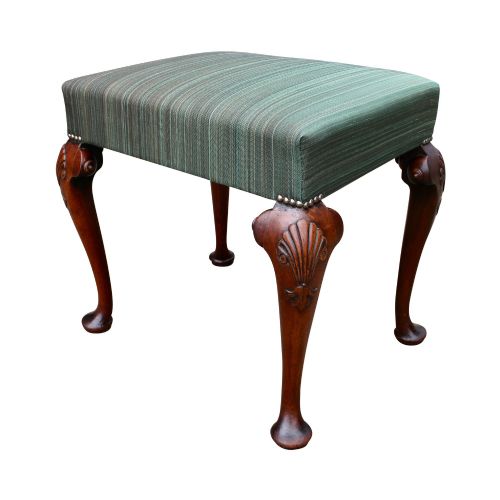
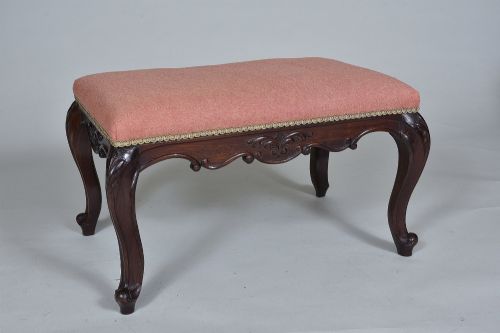
When you search for an antique style dressing seat, you encounter a variety of low stools, window seats, and piano stools intended for bedrooms and dressing rooms. These forms span from the eighteenth century through the Edwardian period, encompassing revival designs and regional variations.
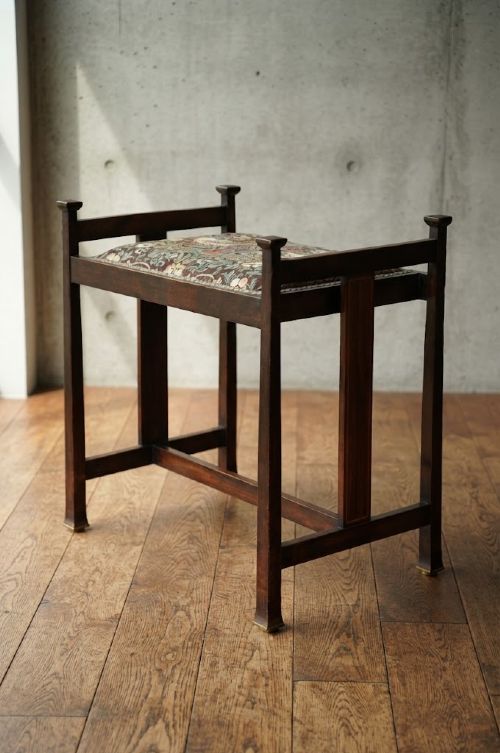
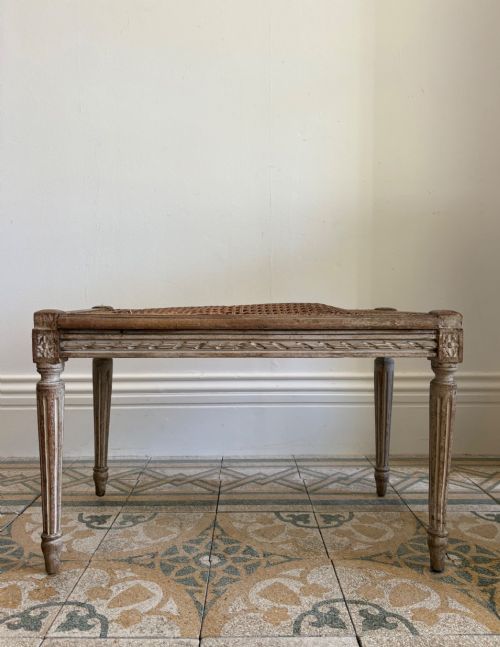
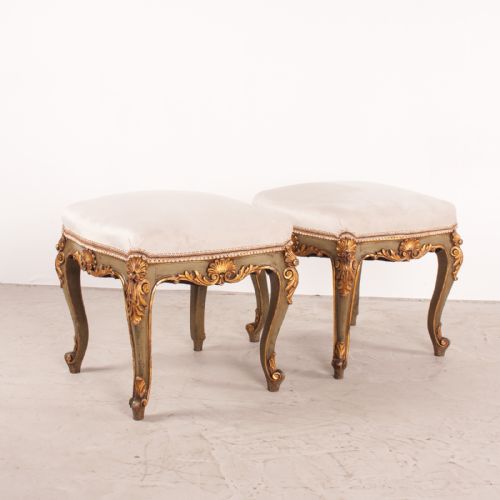
The most common examples on this page date from the nineteenth century, utilising dense timbers and traditional upholstery. They appear in styles ranging from Queen Anne and Chippendale revivals to French Neoclassical and Arts and Crafts interpretations, reflecting the period tastes that influenced their creation.
How they were made
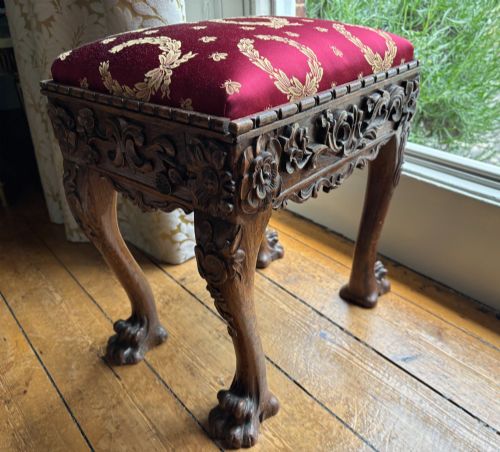
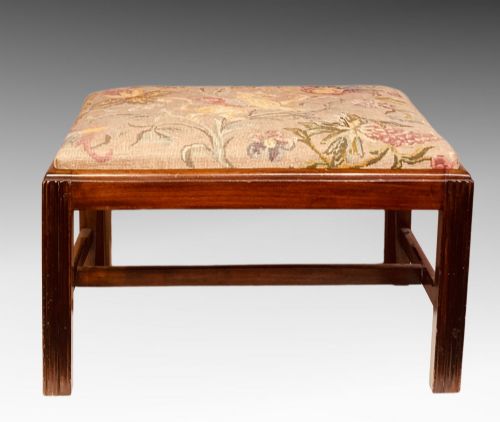
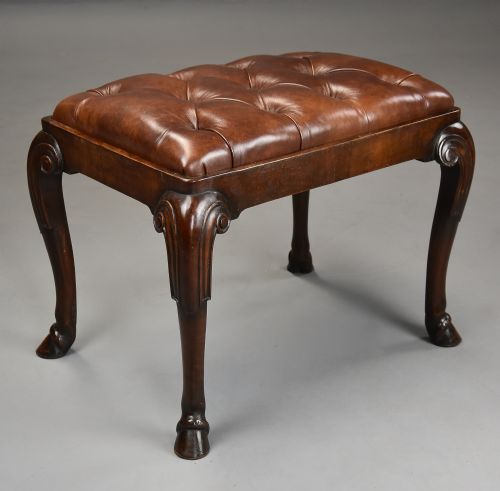
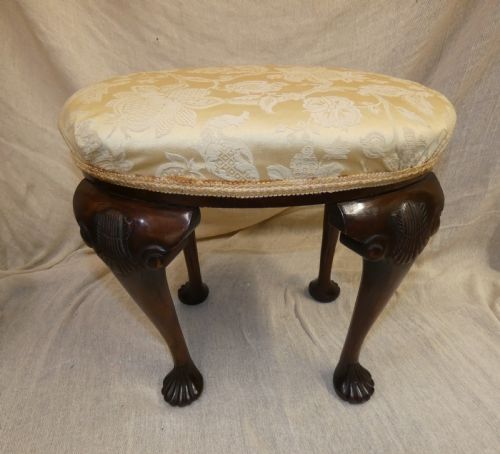
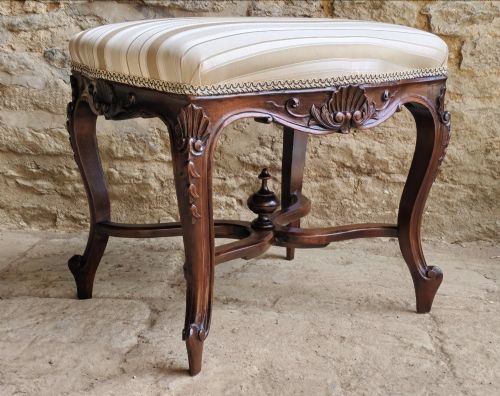
Cabinetmakers constructed these frames primarily from solid mahogany, walnut, and oak, often shaping timbers with cabriole legs, carved details, or X-frame supports. Joinery relied on traditional mortise and tenon methods to ensure stability under daily seating use.
Upholstery completed the piece, utilising materials such as fabric, leather, textile, and needlepoint over padding. Decorative elements like brass fittings, white paint, gilding, and gesso applied to wood surfaces added surface texture and visual contrast.
Antique Style Dressing Seat Retail Price Guide 2026
Typical asking prices for style dressing seat among the pieces listed under this phrase on Sellingantiques today, from the lower quarter to the upper quarter. They describe what is for sale here now, not the wider market.
A surprising number of these compact seats spent their early mornings hiding under dressing tables before being drafted to serve as impromptu piano benches.
What varies in quality
The distinction between tiers of quality rests upon the crispness of the wood carving and the integrity of the timber selection. Finer examples display deeply undercut ornamentation, carefully figured walnut or mahogany grain, and robust structural joinery that withstands centuries of movement.
Upholstery execution and the preservation of original finishes also determine a piece's standing. Tables and seats retaining period textiles or well-executed traditional re-upholstery maintain greater coherence with their original design period.
The Antique Style Dressing Seat Glossary
- Cabriole leg
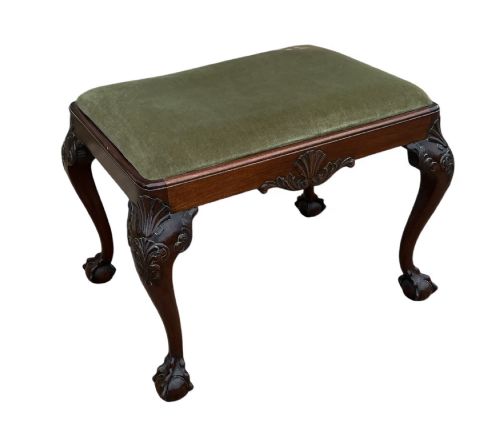
- A furniture leg that curves outward at the knee and tapers inward toward the ankle, mimicking animal limbs. This form frequently terminates in pad or claw-and-ball feet.
- X-frame
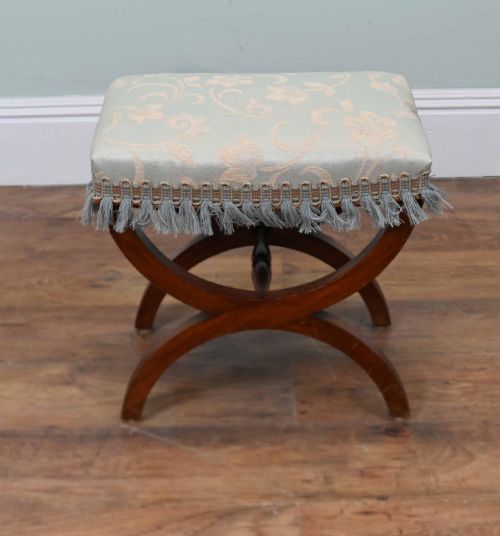
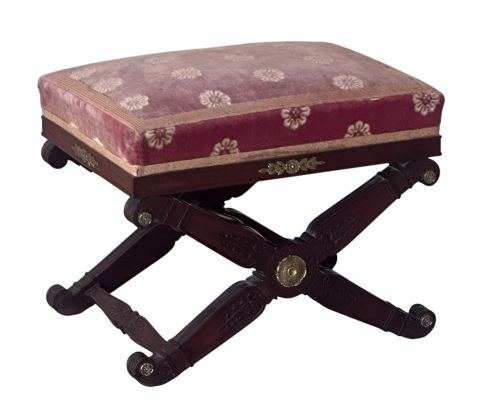
- A structural base formed by two intersecting diagonal members that create an X shape when viewed from the side. This design provides robust support for curule and folding stool forms.
- Giltwood
- Wood that has been coated with a thin layer of gold leaf or powder over a prepared surface. It appears on decorative neoclassical and revival seating.
- Stretcher
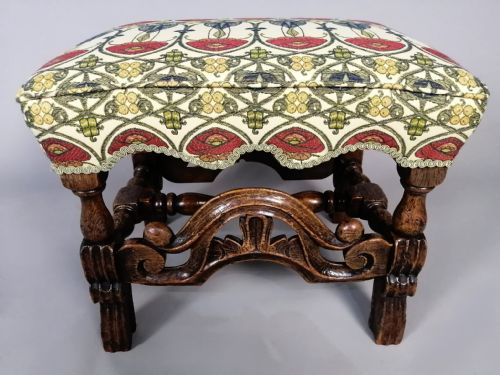
- A horizontal wooden brace connecting the legs of a piece of furniture to increase stability. They appear in turned or oyster-veneered configurations on earlier periods.
- Needlepoint
- A type of canvas work embroidery executed with wool yarn, commonly applied to seat covers. It provides a durable and decorative surface for dressing stools.
Antique Style Dressing Seat: Frequently Asked Questions
What is an antique style dressing seat used for?
These seats provide a designated place to sit while grooming at a dressing table or vanity. Their compact proportions allow them to tuck neatly underneath furniture when not in use.
They also function as window seats, piano benches, or low accent perchs in hallways and bedrooms. Their varied upholstery styles help integrate them into traditional or eclectic interior schemes.
How do I identify the period of a dressing seat?
Dating relies on examining the timber species, joinery techniques, and stylistic vocabulary displayed in the frame. Characteristics such as cabriole legs or specific revival motifs point toward Victorian, Edwardian, or earlier construction dates.
Hardware, wear patterns, and upholstery foundations offer further clues to age. Comparing structural details against documented period examples helps confirm the decade of manufacture.
Are these seats sturdy enough for daily use?
Most antique dressing seats were built with durable hardwoods like mahogany and walnut, utilising solid joinery. When the frame and joints remain tight, they handle everyday seating without difficulty.
Periodic checks of the leg joints and stretcher connections ensure structural stability. Professional re-gluing can restore firmness to pieces that have loosened over time.
What is the difference between a stool and a window seat?
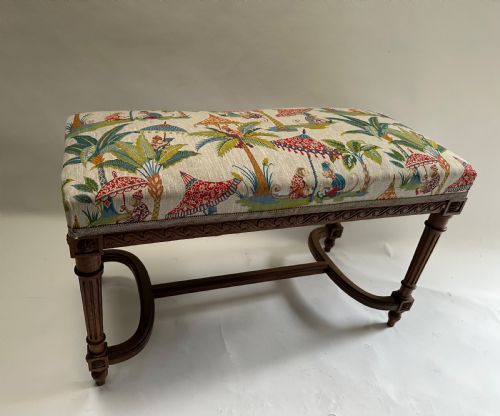
Stools generally feature compact, square, or circular tops designed to fit beneath dressing tables or serve as footrests. Their frames prioritize a small footprint for easy movement around a room.
Window seats tend to be longer and more rectangular, often incorporating upholstered ends or backrests suited for prolonged sitting by natural light. Their proportions match the width of window recesses or the foot of a bed.