


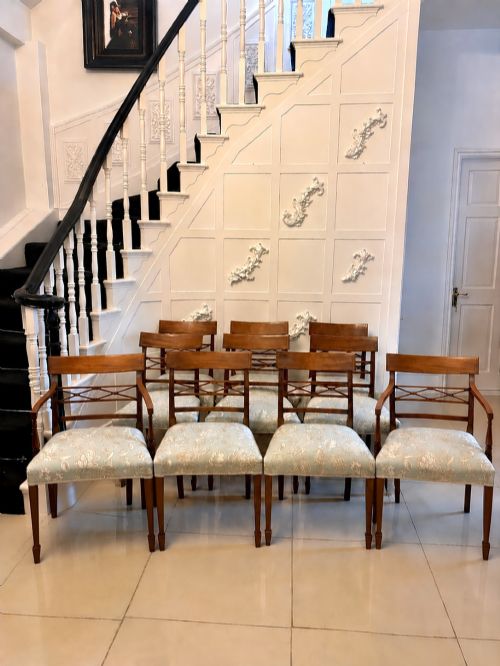
Antique Style Dining Seats
These antique style dining seats bring centuries of craftsmanship to the table, offering sturdy seating built to anchor a room.
Antique Style Dining Seats
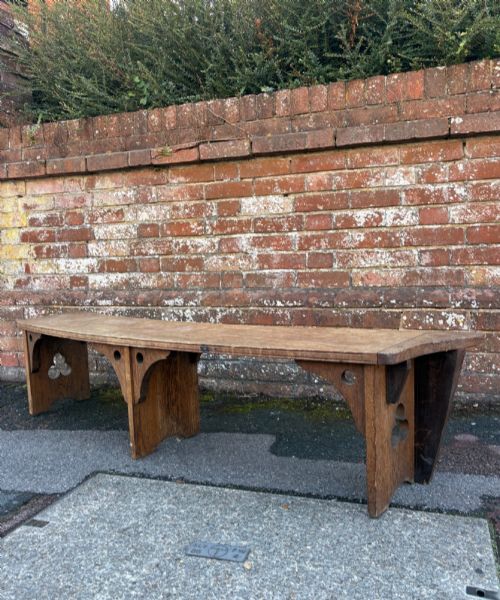
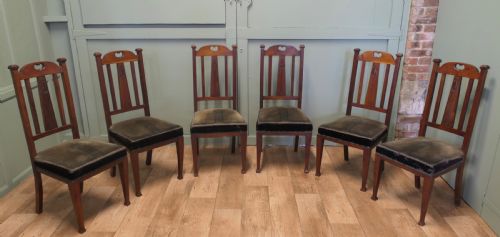
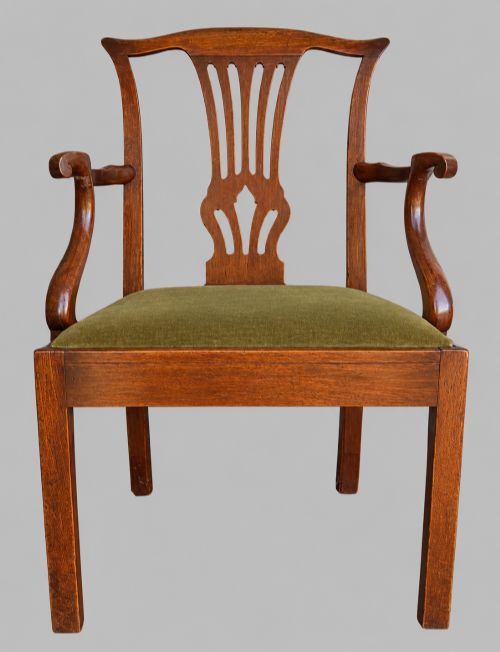
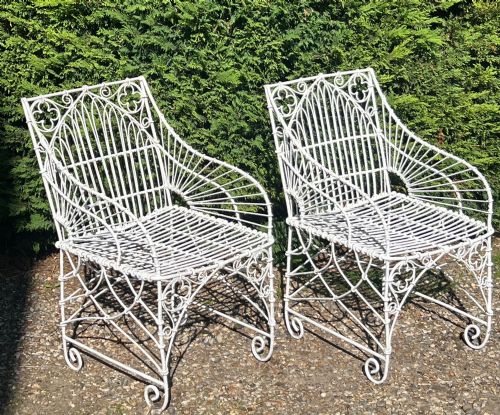
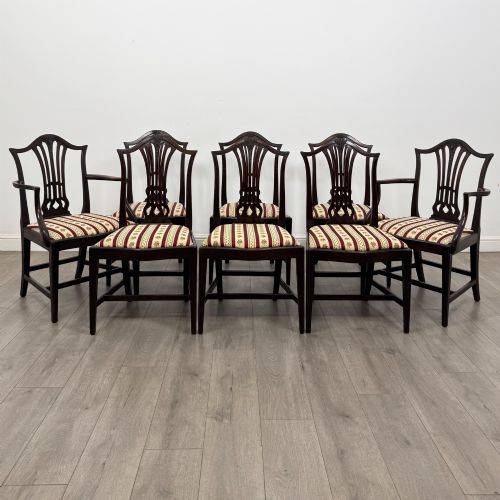
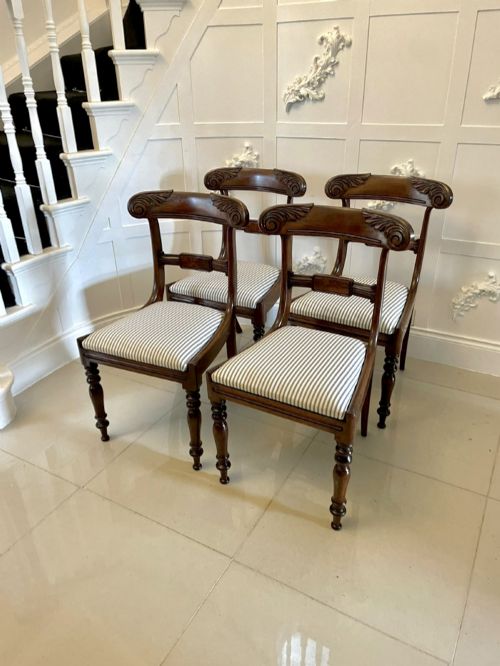
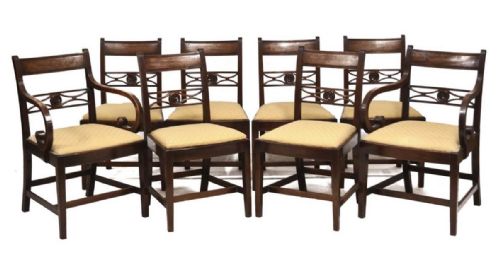
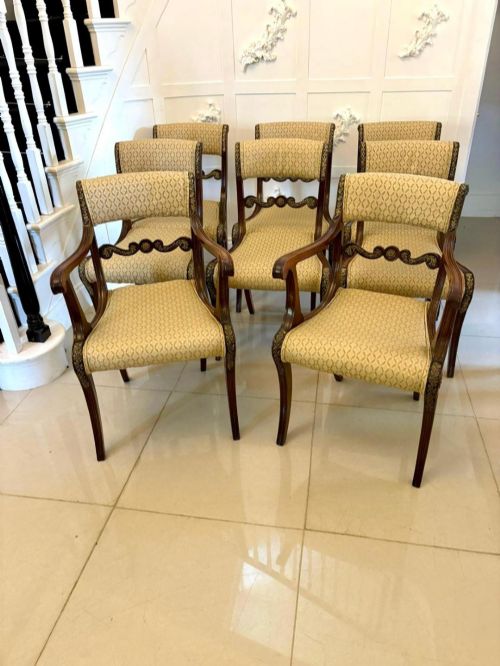
When you search for antique style dining seats, you encounter a wide selection of dining chairs, armchairs, side chairs, and benches spanning the 18th, 19th, and early 20th centuries. These forms reflect historical revivals from Georgian, Regency, and Victorian periods alongside Arts and Crafts designs.
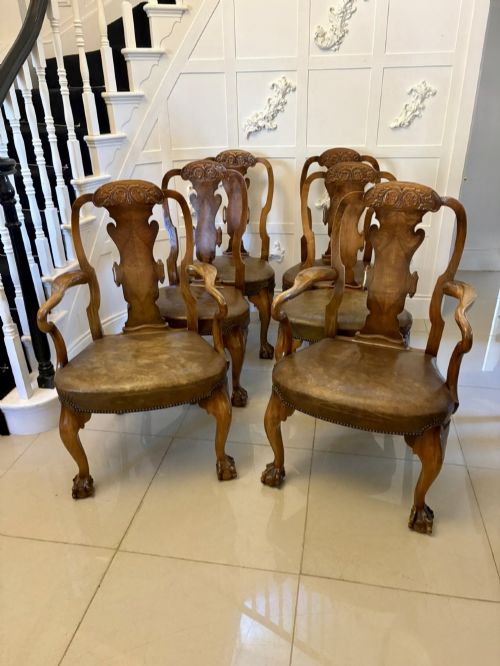
Sets of matching chairs appear frequently alongside single pieces and occasional benches. Mahogany and oak dominate the offerings, matched with walnut, elm, fruitwood, and maple.
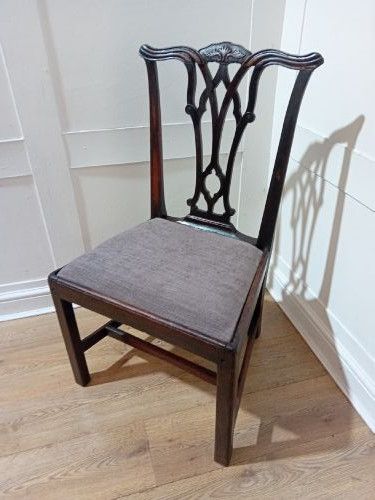
Origin points range from English workshops to Scottish and Irish makers, incorporating styles such as Chippendale, Hepplewhite, Queen Anne, and Gothic.
How they were made
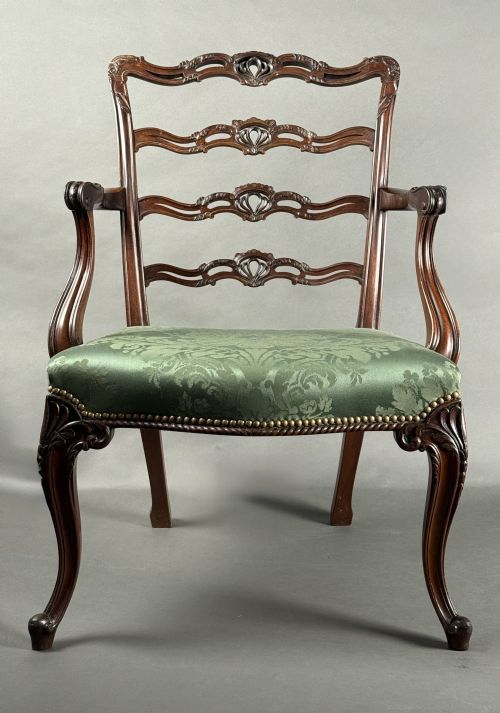
Makers utilised solid timbers like mahogany, oak, walnut, and elm, shaping frames through traditional joinery to endure heavy daily use. Turnings, carved splats, and trefoil supports display hand-tooled detailing across various regional workshops.
Upholstery integration relies on fabric, leather, velvet, and rush seating supported by webbing and stuffing materials appropriate to the period.
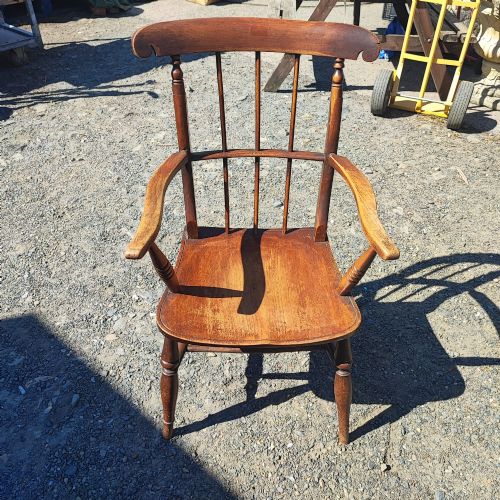
Some elm wheelback chairs carry centuries of kitchen dinners in their grain.
What varies in quality
The degree of hand carving and the selection of figured timber distinguish standard production from exhibition pieces. Matched sets with uniform grain patterns and intact original frames command higher regard than assembled groups.
Subtleties in proportion, crispness of carved details like shield backs or ball-and-claw motifs, and the integrity of the underlying joinery set individual examples apart.
Charles Tozer·Gillows·Maple and Co
The Antique Style Dining Seats Glossary
- Bar back
- A horizontal wooden slat across the upper section of a chair back, frequently seen in 19th-century seating. This design provides structural rigidity while offering lumbar support.
- Splats
- The vertical wooden strip down the middle of a chair back. These elements carry the primary decorative carving in many traditional designs.
- Carver
- An armchair designed to match a set of smaller side chairs, typically placed at the head of a dining table. These pieces include supportive armrests.
- Rush seat
- A seating surface woven from dried marsh grass or rushes, commonly found on country and Arts and Crafts chairs. This technique creates a textured, flexible base.
Antique Style Dining Seats: Frequently Asked Questions
How do I care for antique dining chairs?
Apply appropriate wood waxes sparingly to maintain the finish and prevent the timber from drying out in heated rooms. Protect upholstered surfaces from direct sunlight to preserve the fabric or leather.
Check joint stability periodically and avoid dragging chairs across carpets or hard floors to protect the lower legs and feet.
Can I mix these chairs with a modern table?
Mixing period seating with contemporary tables creates a balanced interior by contrasting old materials with new surfaces. Ensure the seat height aligns comfortably with the underside clearance of the table.
Matching the wood tone or finish helps integrate disparate eras into a cohesive dining arrangement.
How do I identify a reproduction from an older piece?
Examine the construction methods, tool marks, and wood ageing to determine the period of manufacture. Hand-cut joinery and uneven wear patterns often indicate older origin.
Compare the style characteristics against documented regional furniture patterns from the stated century.
What is the difference between side chairs and carvers?
Side chairs lack armrests and are built compactly to fit multiple units along the sides of a dining table. Carvers feature arms and take up a wider footprint.
Tradition places carvers at the head and foot of the table while side chairs fill the remaining spaces.