

Antique Style Desk Clock
An antique style desk clock sits on a table or mantelpiece, bringing mechanical timekeeping and period design into a room.
Antique Style Desk Clock
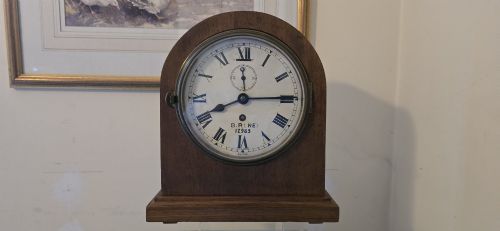
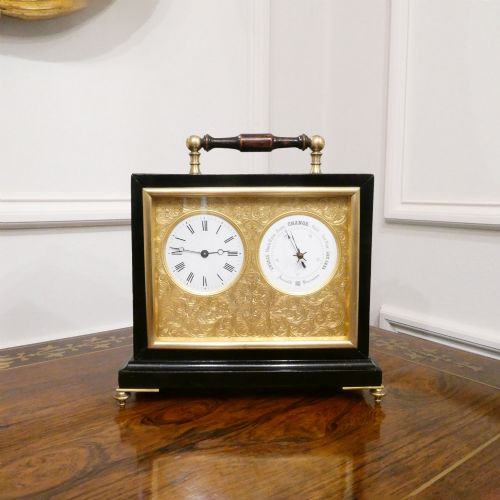
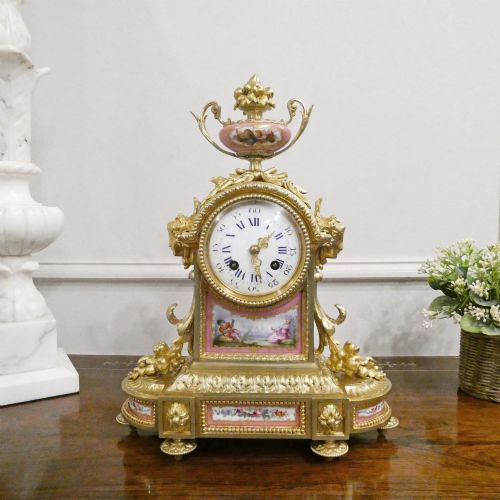
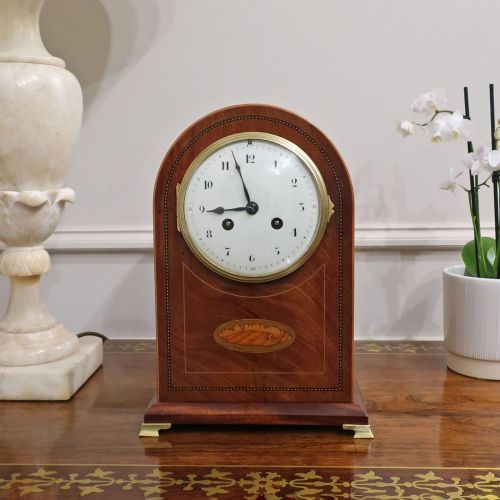
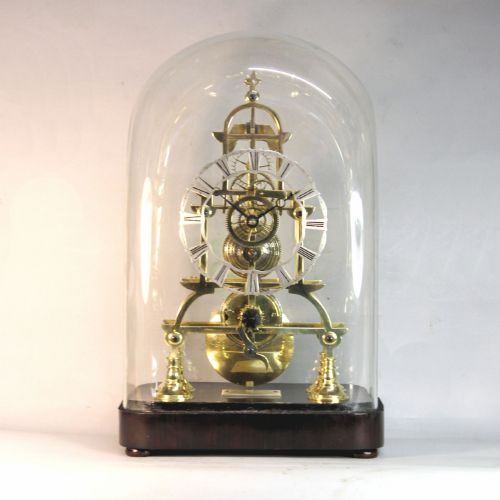
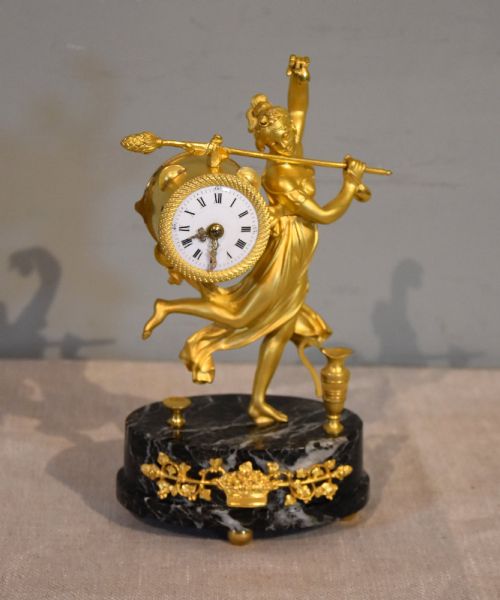
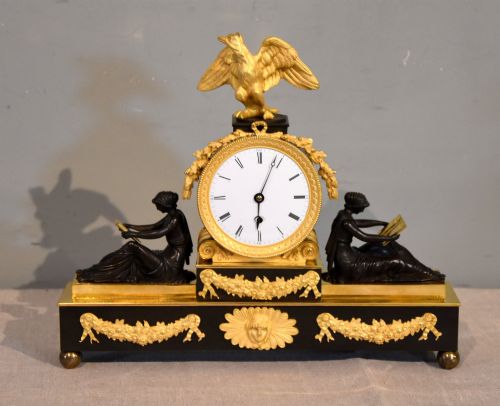
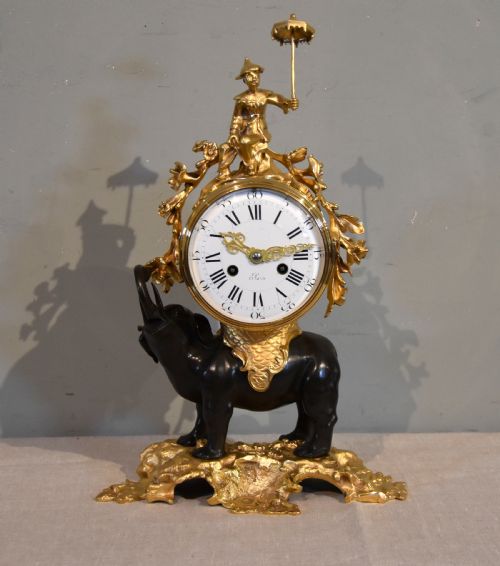
When you search for an antique style desk clock, you encounter a variety of mantle clocks, carriage clocks, and table clocks spanning the nineteenth century up to the Edwardian period.
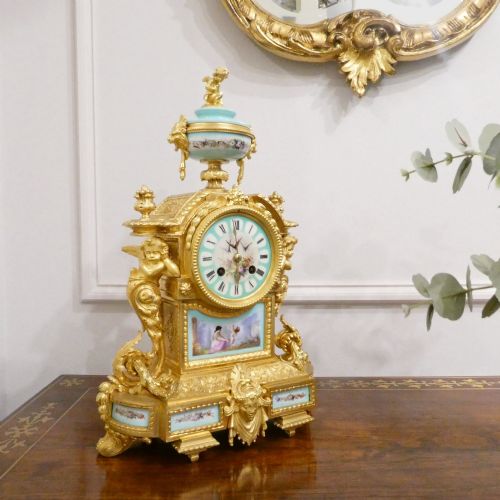
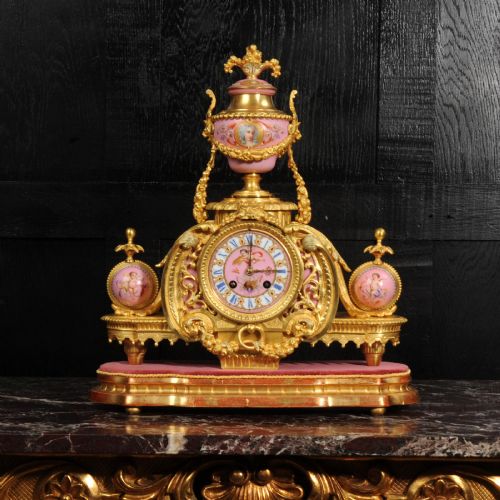
The pieces appearing most frequently range from French gilt bronze and porcelain creations to English brass carriage clocks and mahogany mantle timepieces.
Makers and makers' styles represented span French movements by houses like Japy Freres and Achille Brocot alongside English makers such as Mappin & Webb and Viner.
Materials and construction
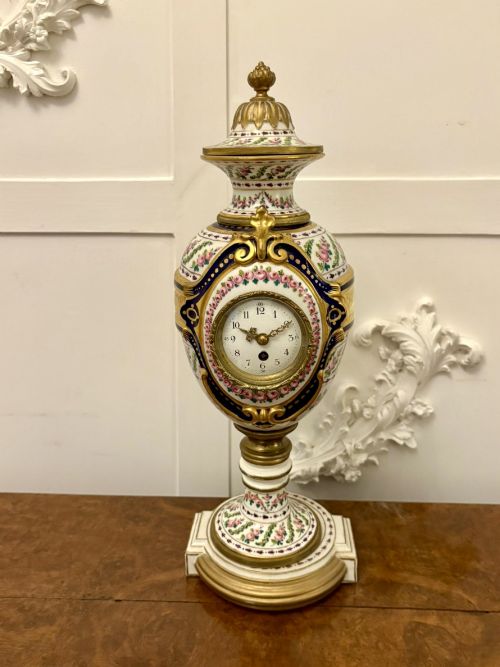
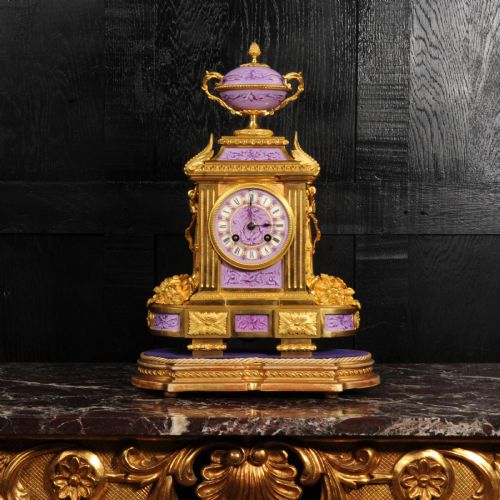
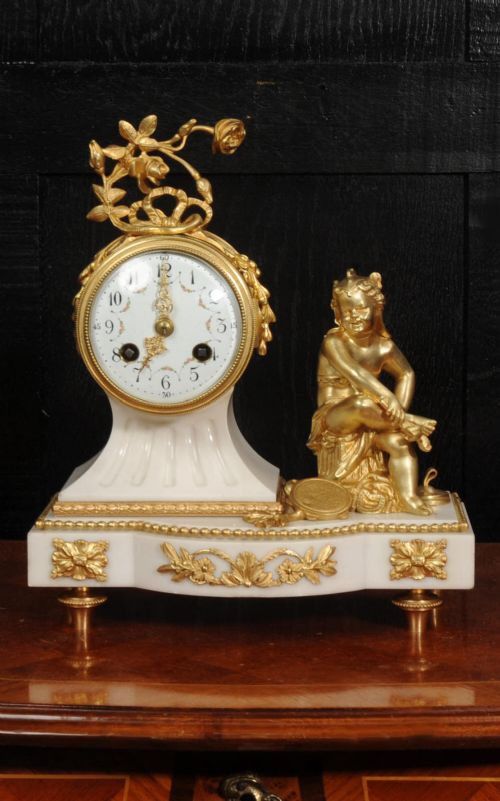
Cases combine brass, ormolu, gilt bronze, marble, mahogany, and porcelain, frequently featuring hand-painted panels or Sèvres porcelain elements.
Clockmakers housed mechanical movements within these decorative housings, utilising enamel dials, glass panels, and specialised metalwork to create both carriage clocks and larger mantle timepieces.
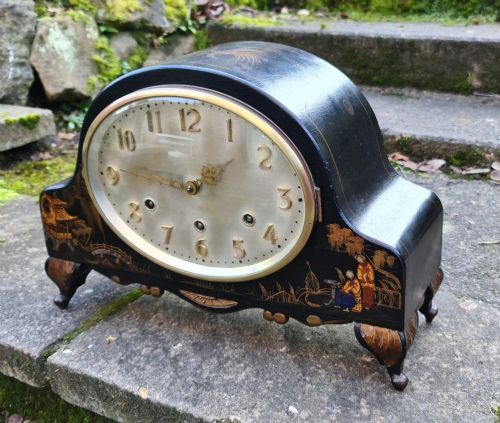
Listings feature materials such as brass, marble, mahogany, porcelain, and ormolu across Victorian and Edwardian periods.
Distinctions in standard
The distinction between ordinary and superior examples lies in the crispness of the gilt bronze or ormolu cast, the presence of signed movements from notable makers, and the integration of porcelain panels or specialised case woods like tortoiseshell and mahogany.
Heavier construction, fully working movements, and refined decorative details such as hand painting separate the higher tier of timepieces from standard production.
Achille Brocot·Japy Freres·Mappin & Webb·Tiffany·Viner
The Antique Style Desk Clock Glossary
- Ormolu
- Gilded bronze cast and finished with mercury gilding, commonly found on nineteenth-century French clock cases.
- Carriage clock
- A portable spring-driven clock with a handle, originally designed for travel during the nineteenth century.
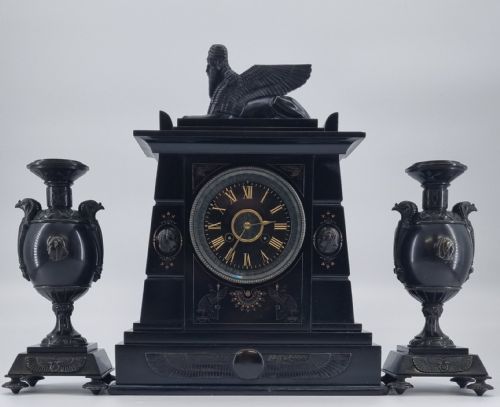
- Garniture
- A set of decorative matching objects, such as urns or vases, displayed alongside a central mantle clock.
- Sèvres porcelain
- Fine porcelain produced by the French royal manufactory, often incorporated into the dial or panels of decorative clocks.
- Timepiece
- A clock that tells the time without a striking mechanism for hours or quarters.
Antique Style Desk Clock: Frequently Asked Questions
What is a carriage clock?
A carriage clock is a small, portable spring-driven timekeeper equipped with a carrying handle on top. They were designed for travel and feature protective glass panels.
Most examples date from the nineteenth and early twentieth centuries, housed in brass cases with enamel dials.
How do I identify French mantle clocks?
French mantle clocks often utilise materials like ormolu, gilt bronze, marble, and Sèvres porcelain. They frequently feature movements stamped by makers such as Japy Freres or Achille Brocot.
Stylistic elements follow periods like Louis XVI, French Empire, and Rococo Revival.
Where should I place a desk clock?
These clocks fit naturally upon a desk, shelf, mantelpiece, or table where their mechanical movement and decorative case remain visible. Smaller models like carriage clocks suit compact surfaces.
Position them away from direct heat sources and damp environments to protect the metalwork and internal gears.
What periods do these clocks cover?
The pieces span the nineteenth century and the Edwardian era, incorporating styles from Regency, Victorian, and French Rococo Revival periods. Dates typically range from the mid-nineteenth century up to the early twentieth century.
Materials and case designs reflect the dominant decorative tastes of each specific decade.