

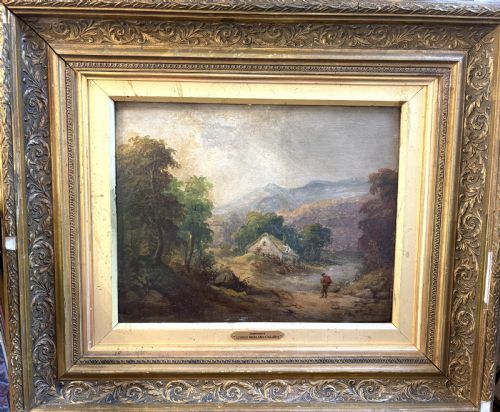


Antique Style Country Artwork
Antique style country artwork brings rustic charm and pastoral heritage into a room through historic depictions of rural life.
Antique Style Country Artwork
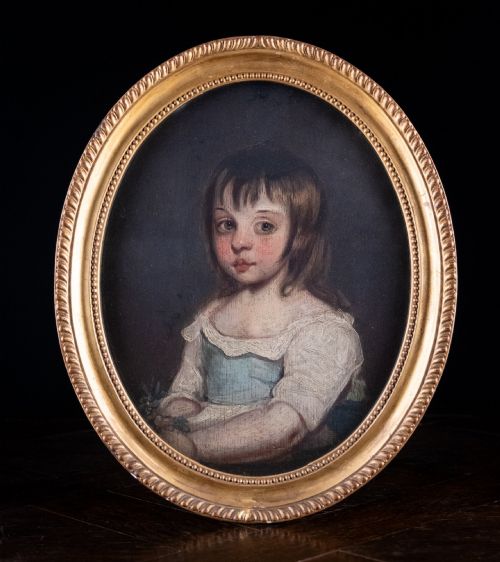
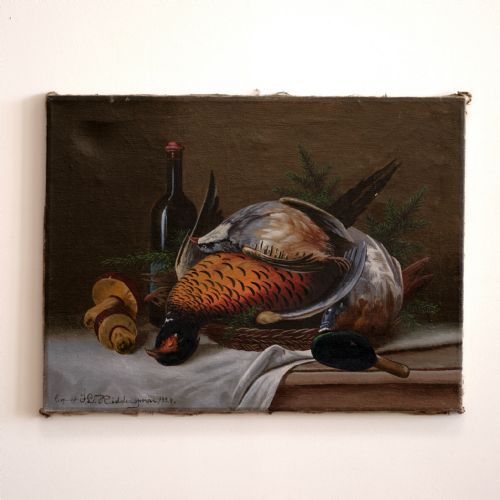
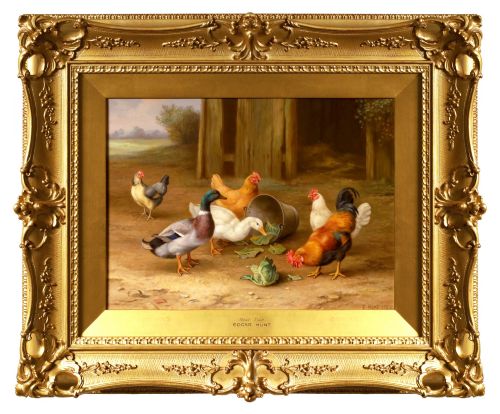
When searching for antique style country artwork, buyers encounter a diverse selection of pastoral scenes, farmyard views, and rural portraits originating primarily from the eighteenth, nineteenth, and early twentieth centuries. These pieces capture quiet landscapes, livestock, domestic animals, and historical country pursuits rendered through traditional artistic methods.
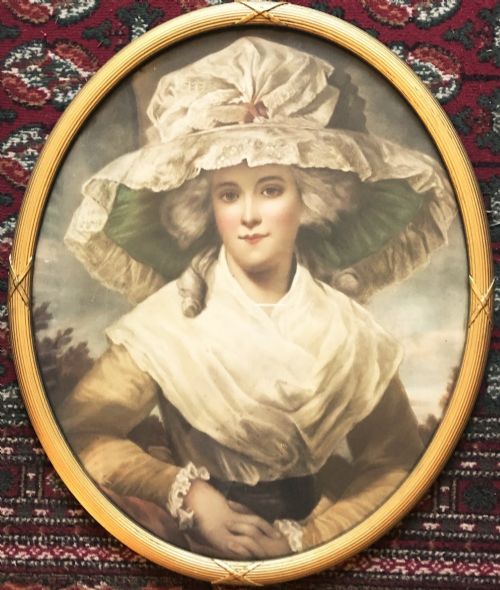
The selection on this page leans heavily toward oil paintings on canvas or board, alongside watercolours, gouache, and framed prints. Many works reflect established British and European artistic traditions, ranging from intimate depictions of cottages and farm animals to sweeping topographical views.
Buyers will find both original period works by named artists and followers, as well as later interpretations and decorative prints created in the manner of earlier masters. These works offer a direct window into historical rural life, portraying agricultural scenes, domestic animals, and figures within natural settings.
How they were made
The physical construction of these works relies fundamentally on traditional painterly materials such as oil paint applied to canvas, wood panels, or heavy paper supports. Artists built depth using layered pigments, sometimes employing gesso grounds on wooden boards to prepare a smooth, stable surface for fine brushwork.
Framing often complements the aesthetic, utilising traditional wood mouldings finished with giltwood or decorative gesso details. Mixed media and watercolours utilise paper supports, while print reproductions employ period engraving and glazing techniques to emulate original painted textures.
Listings feature works spanning the eighteenth to the twentieth centuries, utilising canvas, wood, oil paint, gesso, and paper.
What varies in quality
The distinction between tiers of quality rests largely upon the skill of the brushwork, the accuracy of anatomical and spatial rendering, and the expressive handling of light within the composition. Works executed by accomplished hands demonstrate a confident command of texture and atmosphere, whereas simpler pieces rely on more formulaic execution.
Provenance and proximity to notable artistic circles also shape the standing of a piece, with works by recognised followers or documented masters holding greater artistic weight. Additionally, the integrity of the original material support, whether canvas or panel, contributes to the overall standing of the artwork.
Edgar Hunt·Thomas Sidney Cooper·John Constable·George Morland·Michael Dahl
The Antique Style Country Artwork Glossary
- Oil on Canvas
- Pigments bound in a drying oil applied directly to a woven fabric support stretched across a wooden frame. This primary medium allows for rich blending and textured impasto application.
- Giltwood
- Wood carved and coated with a thin layer of gold leaf or metallic powder, commonly found on traditional antique picture frames. It provides a reflective border that enhances the framed artwork.
- Gesso
- A paint mixture consisting of a binder mixed with chalk, gypsum, or pigment used to prepare wood or canvas surfaces. It creates a smooth, absorbent base for oil or tempera painting.
- Gouache
- An opaque water-based paint medium consisting of pigment and other inert materials designed to be used in a water-based painting technique. It produces a flat, matte surface finish.
- Provenance
- The chronology of the ownership, custody, or location of a historical historical artwork. Establishing this history helps confirm authenticity and origin.
Antique Style Country Artwork: Frequently Asked Questions
What defines antique country artwork?
These pieces comprise historical paintings and prints depicting rural landscapes, farm animals, and traditional countryside life from past centuries.
They reflect the artistic styles and pastoral interests of periods ranging from the Georgian era through the mid-twentieth century.
How were these landscape paintings created?
Artists typically applied oil paints onto stretched canvas, prepared wooden boards, or heavy paper supports using traditional brushes and layering techniques.
Many works were subsequently housed in hand-finished wooden frames accented with gesso and gilt details to complement the domestic interiors of the period.
How should I live with these artworks?
These pieces suit traditional or rustic interior schemes, bringing warmth and a sense of historical narrative to living spaces, studies, and hallways.
Placement should avoid direct sunlight and excessive moisture to protect delicate painted surfaces and paper supports over time.
How can I tell periods apart?
Stylistic shifts in clothing, framing methods, and painting techniques help indicate whether a piece originates from the eighteenth, nineteenth, or twentieth century.
Subject matter and brushwork often align with the prevailing artistic movements of specific decades, such as Victorian realism or Barbizon landscape styles.