


Framed Autumn Wall Painting
A framed autumn wall painting brings the deep ochres and quiet light of the fading year directly into a room.
Framed Autumn Wall Painting
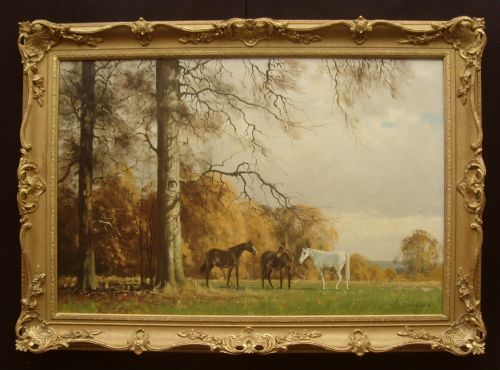
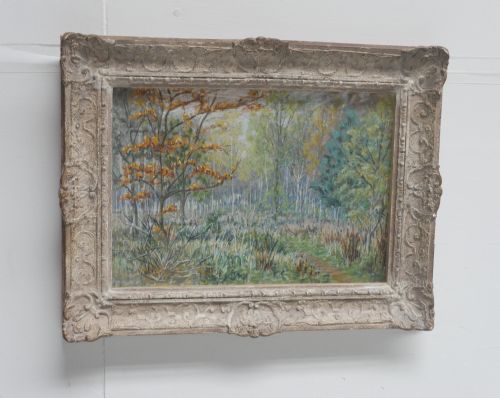
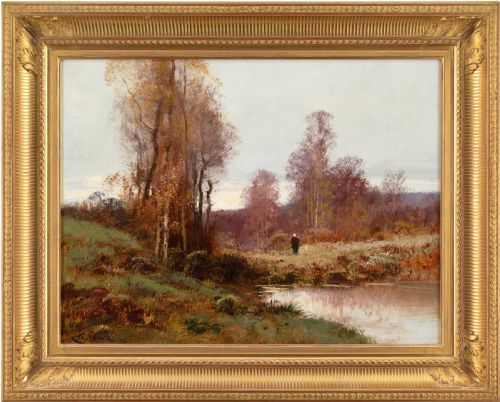
A framed autumn wall painting captures seasonal change through traditional country scenes, wooded landscapes, and river views rendered in oils or watercolours. Buyers seeking a framed autumn wall painting will find works originating from the Victorian era through the mid-twentieth century.
The selection ranges from detailed nineteenth-century British landscapes to mid-century interpretations influenced by impressionism and traditional country styles. Canvases and paper works arrive set within wooden, gilded, or glassed surrounds ready for hanging.
Factors of quality
The degree of observation in the brushwork and the handling of seasonal light distinguish finer examples from standard decorative works. Skilled hands capture the specific atmosphere of an October morning or an autumnal riverbank with distinct tonal control.
The integrity of the original frame and the preservation of the canvas or paper surface govern the overall standard. Works retaining their period wooden surrounds without structural alteration command greater interest from collectors.
Geese frequently navigate autumn rivers across these canvases, seemingly unbothered by the advancing chill.
Charles Clair·Samuel Timmins·Arthur Herbert Rigg·George Graham·William Mellor·Berthe des Clayes·Charles James Adams·J McIntyre·Hans Kappel Øvre·Owen Bowen·Augustus William Ennes·Fred Merriman·Percy Lancaster·Everett Watson Mellor
The Framed Autumn Wall Painting Glossary
- Oil on canvas
- Pigments bound in a drying oil applied to a woven fabric stretched across a wooden frame. This medium allows for rich texture and deep colour saturation.
- Watercolour painting
- Pigments suspended in a water-based solution applied to paper. It yields translucent washes well suited to atmospheric landscapes.
- Gilded wood
- Timber treated with a thin layer of gold leaf or metallic gilt powder. It provides a reflective border that frames the artwork.
- Impressionism
- A style focused on accurate depiction of light and its shifting qualities. Painters working in this manner use rapid, visible strokes.
- Reverse glass print
- An image applied directly to the rear side of a glass panel to be viewed from the front. This technique produces a glossy surface finish.
Framed Autumn Wall Painting: Frequently Asked Questions
How should I hang a heavy framed canvas?
Secure wall fixings directly into wall studs or utilise appropriate masonry plugs depending on your wall type. Heavy wooden frames require robust picture wire and sturdy hooks to distribute weight evenly.
Ensure the painting hangs at eye level away from direct heat sources and strong sunlight to protect the canvas and pigments over time.
What is the difference between oil and watercolour?
Oil paint uses a drying oil binder that sits on the canvas surface, creating rich textures and allowing for deeper colour blending. Watercolours use water-soluble binders on paper, producing lighter, translucent effects.
Oils generally do not require glass protection, whereas watercolours need glass to shield the paper from moisture and dust.
How do I date an antique painting frame?
Examine the timber construction, joinery methods at the corners, and the composition of the gesso or gilding layers. Older frames often utilise hand-cut joinery and traditional preparation layers that differ from modern manufacturing.
Wear patterns and the type of fixings on the reverse also offer clues regarding the age of the housing.
Can I clean an old oil painting myself?
Surface dust can be removed gently with a soft, dry brush, but deeper cleaning requires professional conservation methods. Household liquids and chemical cleaners will damage the oil paint layer and varnish.
Consult a qualified conservator if the canvas shows signs of cracking, discoloured varnish, or grime accumulation.