
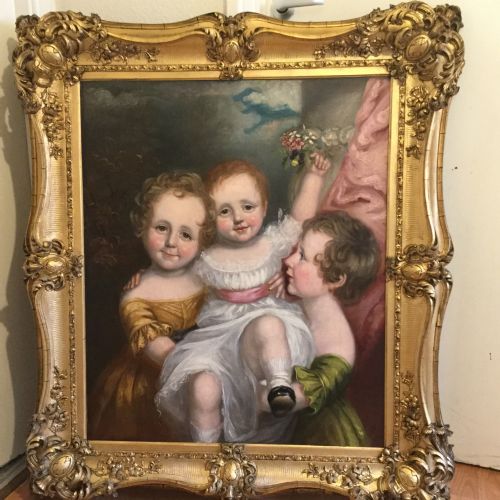
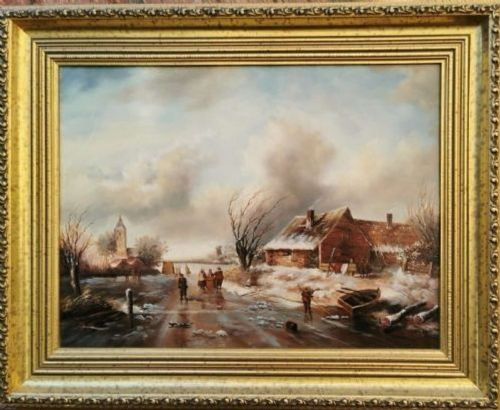
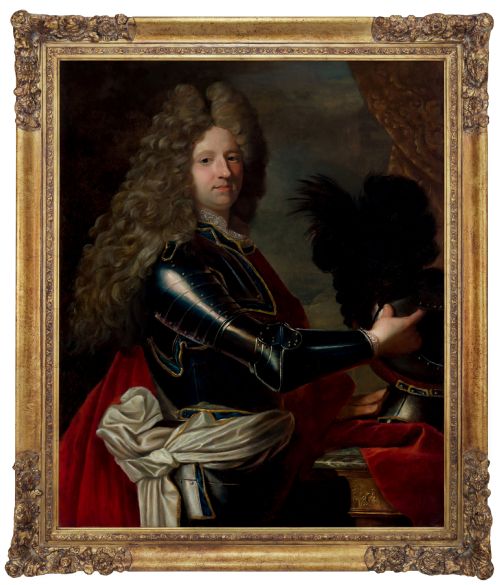
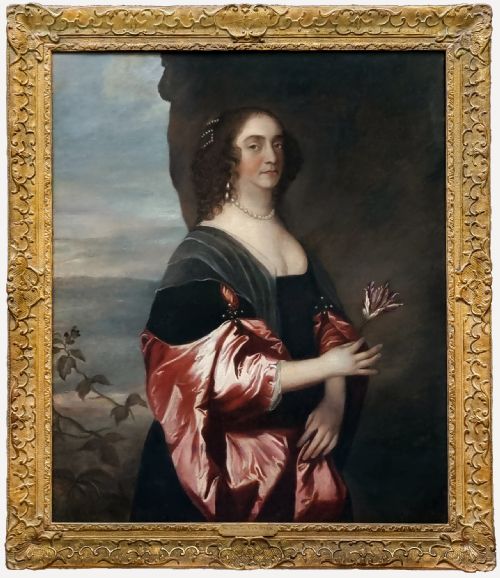
Antique Style Canvas Painting
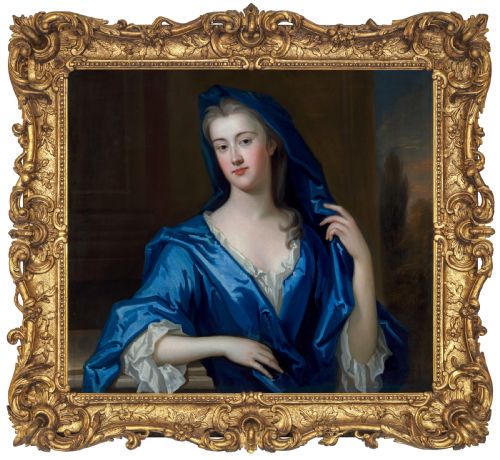
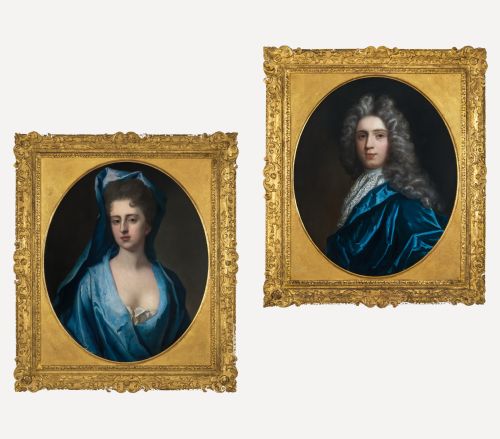
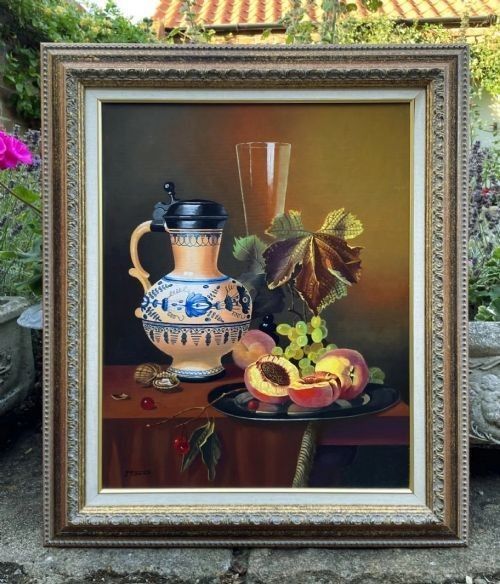
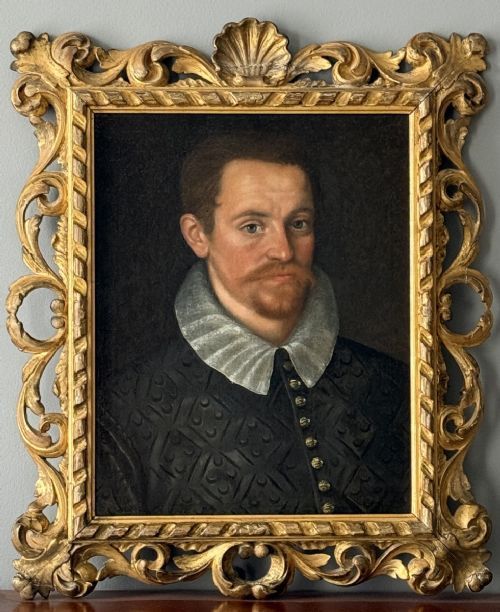
When seeking an antique style canvas painting, collectors look for historic oil portraits, still lifes and classical scenes executed on woven supports.
Antique Style Canvas Painting
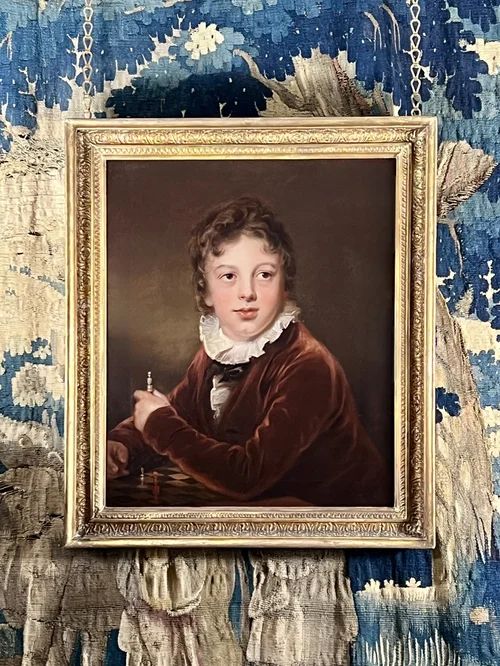
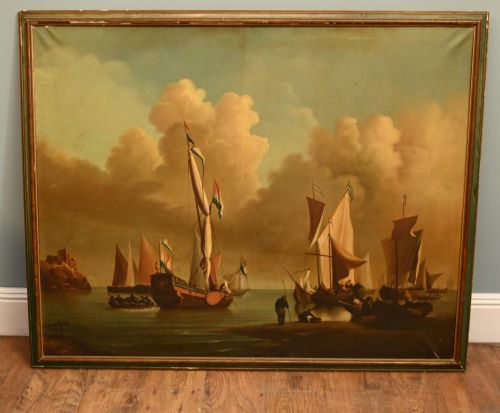
An antique style canvas painting encompasses works created across multiple centuries, ranging from seventeenth-century English and continental portraits to nineteenth-century interpretations of earlier masters. These pieces typically take the form of framed wall art, oil paintings, and devotional or mythological scenes.
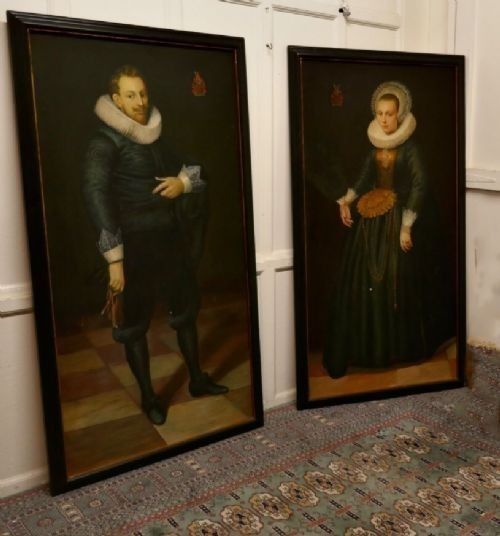
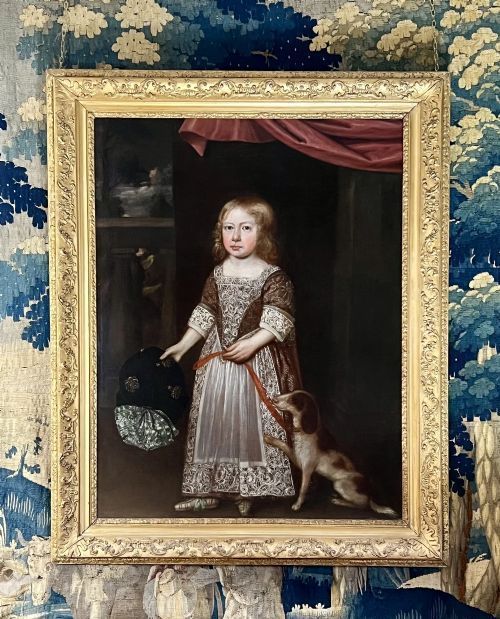
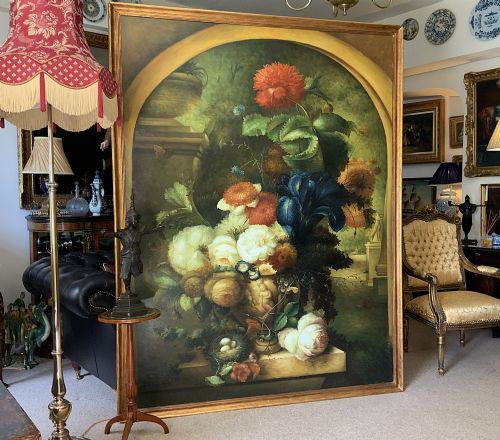
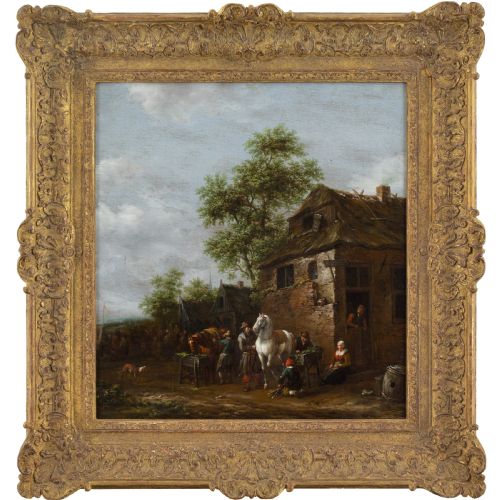
The selection includes period originals alongside later homages, such as eighteenth-century works after François Boucher or twentieth-century studies in the manner of Dutch masters. Buyers frequently encounter portraits of noblemen, ladies, and country girls, as well as expansive floral still lifes and winter landscapes.
Origins span British, French, Italian, and Dutch schools, reflecting diverse regional aesthetics from the Baroque period through to Victorian and Renaissance revival movements.
How They Were Made
The primary medium recorded is oil paint applied to woven canvas supports, sometimes supplemented by gold leaf and tempera in specific religious icons. Pigments are built up in layers to create depth, shadow, and texture across portraits and still lifes.
Many works are housed in period or revival frames constructed from wood, carved giltwood, and gilt wood, which provide structural support and complement the visual weight of the paintings.
Listings feature works spanning from the seventeenth to the twentieth century, utilising oil on canvas, wood, and giltwood.
What Varies in Quality
Quality rests in the fidelity of the brushwork and the confidence of the draughtsmanship, distinguishing hurried studio copies from meticulously rendered compositions. The handling of light, shadow, and fabric texture in portraiture reveals the technical capability of the painter.
The framing contributes significantly to the overall integrity of the piece, with hand-carved giltwood frames offering greater craftsmanship than simpler later mouldings.
Mary Beale·Sir Peter Lely·John Hayls·Jeremiah Davison·Anthony Van Dyck·Francisco Jose de Goya·Sir Joshua Reynolds·Charles D Agar·Sir Thomas Lawrence
The Antique Style Canvas Painting Glossary
- Canvas
- A heavy woven fabric utilised as a support surface for oil paintings. It provides a textured base that interacts with applied layers of pigment.
- Giltwood
- Wood that has been coated with a thin layer of gold leaf or gilt powder. This material is frequently found on ornate frames surrounding historic paintings.
- Oil Paint
- A slow-drying medium composed of pigments suspended in a drying oil such as linseed. It allows for subtle blending and rich tonal depth.
- Baroque
- An artistic style prevalent in the seventeenth and eighteenth centuries characterised by drama, deep shadow, and dynamic movement. Works in this manner often display rich colour palettes and theatrical lighting.
- Provenance
- The documented history of ownership associated with a work of art. It establishes authenticity and traces the lineage of the piece through time.
Antique Style Canvas Painting: Frequently Asked Questions
What periods do these paintings represent?
The selection spans from the seventeenth century through to the mid-twentieth century, encompassing periods like the Georgian, Victorian, and Baroque eras.
Pieces also include later revivals and copies that emulate the distinctive aesthetics of these historical epochs.
What subjects are most common?
Portraits of noblemen, ladies, actors, and children dominate the selection, alongside botanical still lifes and landscape scenes.
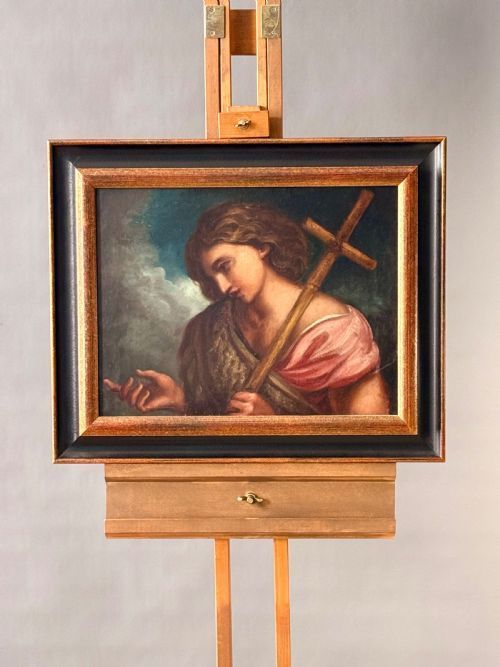
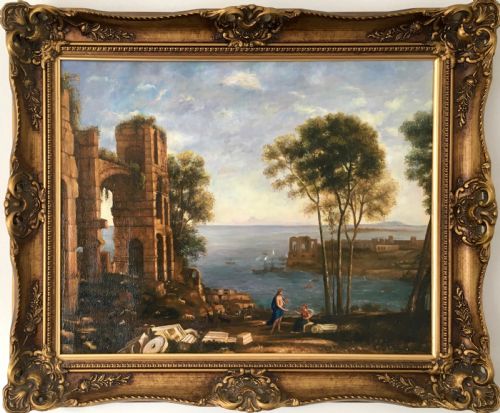
Religious icons and mythological subjects after classical masters also appear frequently across the inventory.
Are these works original period pieces?
The inventory contains a mixture of authentic period works from centuries past and later interpretations or studies created in the manner of earlier schools.
Each listing records the specific estimated date or school associated with the creation of the artwork.