

Antique Style Candelabra Lights
Antique style candelabra lights bring branching illumination and classical presence to a room, drawing on centuries of metalwork traditions.
Antique Style Candelabra Lights
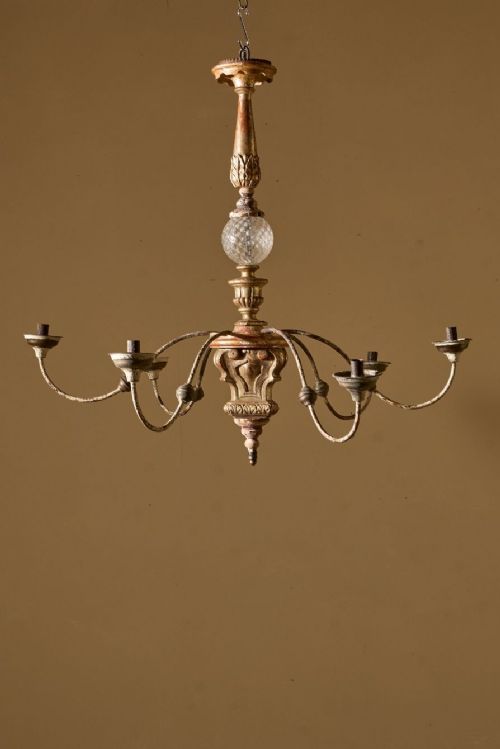
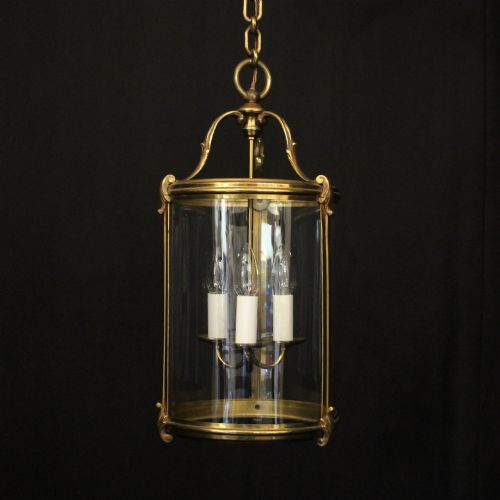
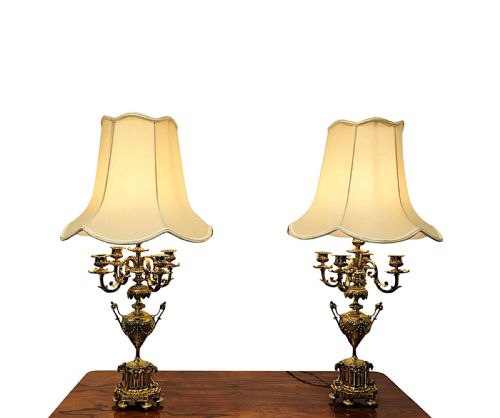
Antique style candelabra lights encompass multi-arm lighting fixtures designed for tables, walls, and ceilings. Buyers searching this phrase encounter branched candelabras alongside related forms such as wall sconces, chandeliers, and converted table lamps.
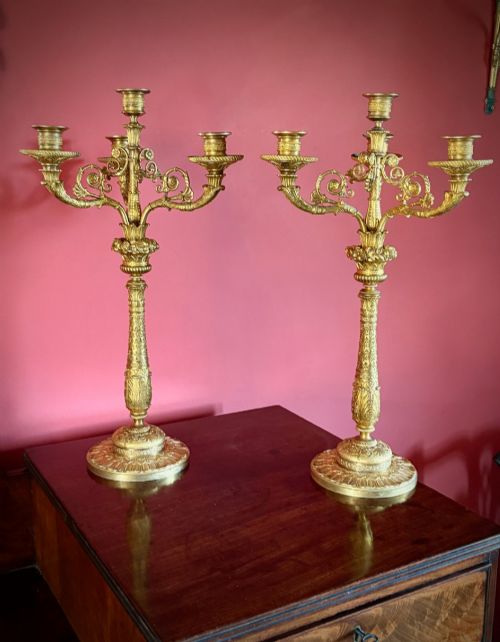
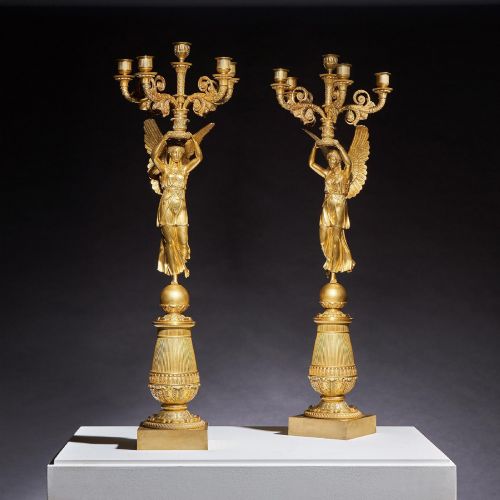
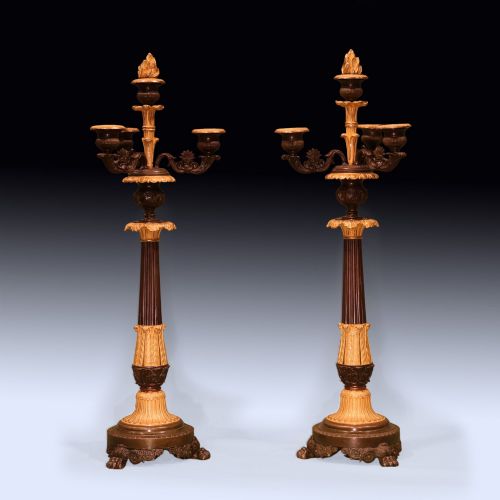
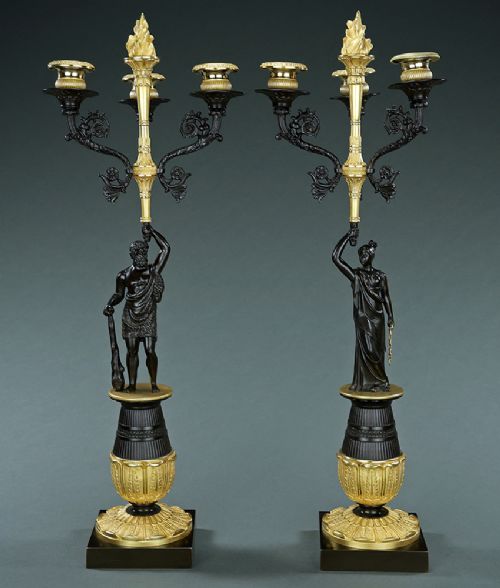
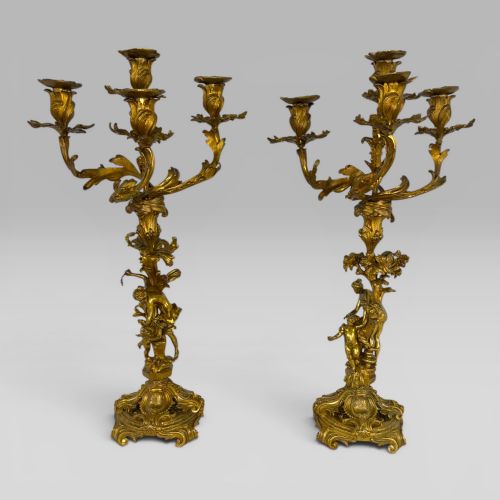
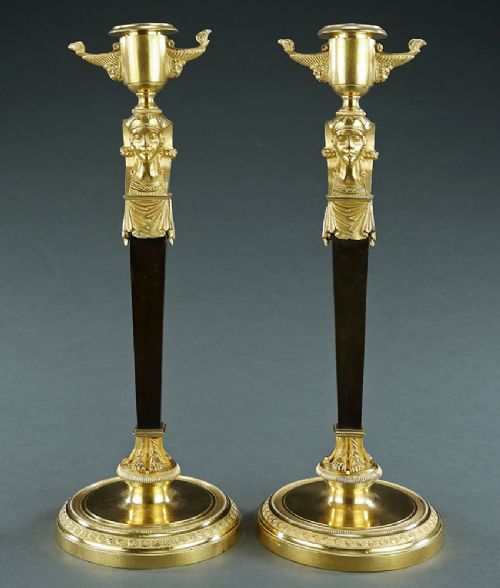
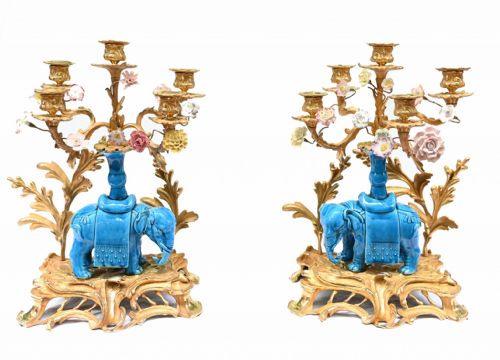
The selection ranges widely across periods, drawing heavily on nineteenth-century craftsmanship alongside twentieth-century interpretations of earlier historical styles. French design influences dominate, particularly forms derived from the Empire, Regency, and Rococo periods.
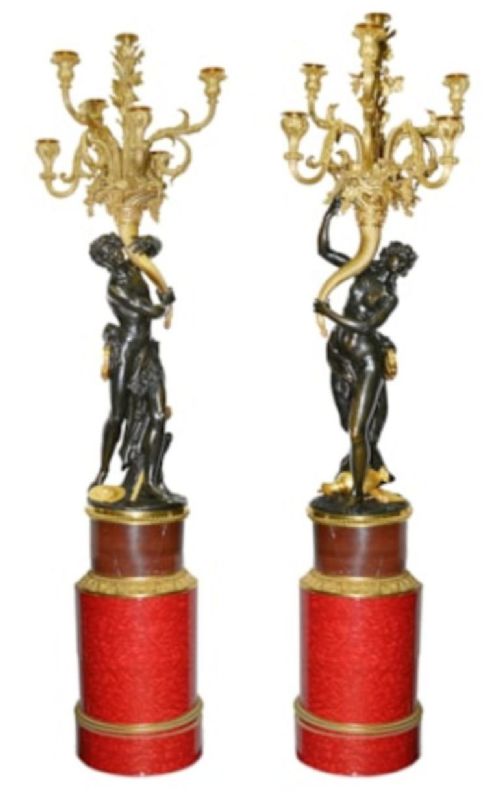
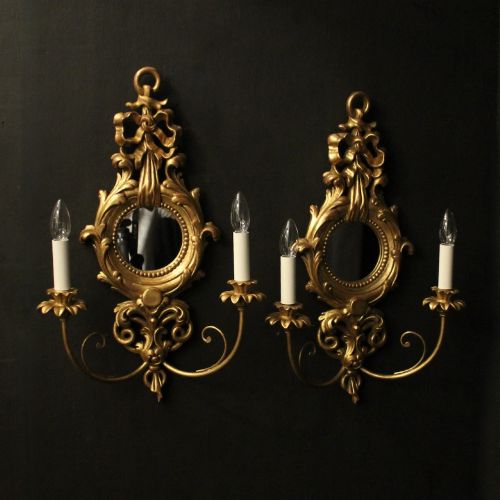
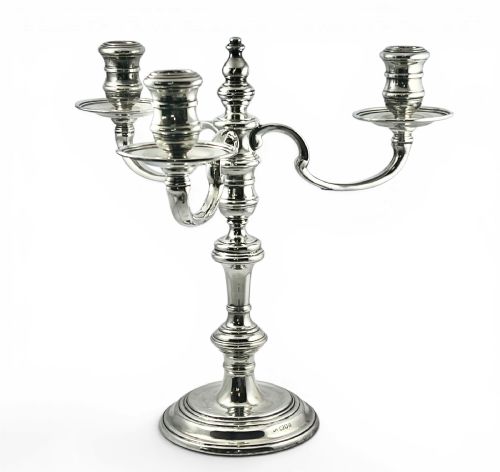
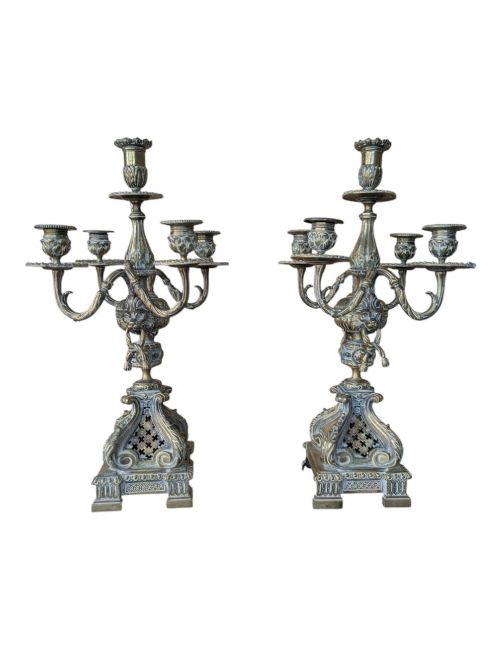
Makers utilised various mounting configurations, from twin-arm wall lights to grand sixteen-light chandeliers and heavy floor candelabras. Brass, bronze, and gilt finishes appear frequently across the surviving inventory.
How they were made
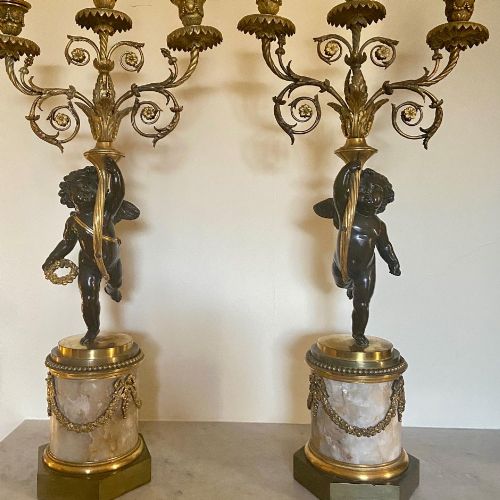
Foundry casting formed the backbone of these pieces, utilising bronze, brass, and gilt metals to achieve crisp structural detail. Artisans applied mercury gilding, known as ormolu, alongside patinated finishes to create contrasting metallic tones.
Detailing often incorporated hand-chasing directly onto the metal surface following the cast. Glass crystals, marble bases, and carved wooden elements supplemented the metal frames in more elaborate lighting designs.
Materials recur across multiple forms, combining gilt bronze, brass, ormolu, and wrought iron with glass and crystal accents.
What varies in quality
The refinement of the casting and subsequent chasing distinguishes finer examples from simpler production. Superior pieces display sharply defined figural work, crisp acanthus leaf motifs, and balanced weight across all branches.
Material composition significantly alters the character of a piece, with heavy patinated or gilt bronze holding greater depth than standard brass or plated alternatives. Original components, including matched drip pans and unified arm assemblies, elevate the integrity of the object.
Francois Redmond·Pierre Philippe Thomire·Smith & Sissons & Co
The Antique Style Candelabra Lights Glossary
- Ormolu
- Gilt bronze produced through a process involving mercury amalgamation, creating a durable golden surface layer. This technique defined luxury French metalwork during the eighteenth and nineteenth centuries.
- Girandole
- A branched wall sconce featuring reflective backplates, often incorporating glass or mirrors to multiply the candle light. These fixtures gained popularity in formal reception rooms.
- Candelabrum
- A freestanding branched candlestick designed to hold multiple candles simultaneously. The plural form, candelabra, frequently applies to matched pairs used on mantelpieces or sideboards.
- Bouillotte
- A traditional table lamp featuring a central standard and an adjustable metal shade, originally designed for card playing. Examples often combine brass components with painted metal toleware.
- Pricket
- A sharp metal spike set in the drip pan to secure a large candle, common on ecclesiastical and early Gothic revival lighting.
Antique Style Candelabra Lights: Frequently Asked Questions
How do I identify a true period candelabrum?
Examine the casting quality, the construction of the joints, and the wear patterns on the metal surfaces. Authentic older pieces show hand-finished chasing and construction methods appropriate to their stated era.
Compare the style characteristics, such as Empire or Rococo revival details, against documented examples from specific centuries. Consistency in the patination and assembly offers further confirmation of age.
Can these candelabra lights use electricity safely?
Many antique candelabras and chandeliers undergo professional conversion to house electrical wiring for modern use. Qualified electricians can integrate internal cords without damaging the structural metalwork.
Reversible conversion methods allow the fixtures to retain their original candle-holding capability while functioning as lamps or wired wall lights.
How should I clean gilt bronze and ormolu?
Dust the metal gently with a soft, dry brush to remove surface particles without scratching the delicate gilt layer. Avoid abrasive polishes or chemical solvents that strip the historical surface finish.
Professional conservation cleaning is recommended for pieces showing heavy tarnish or accumulated grime to preserve the underlying metal integrity.