
Antique Style Cabinet
When searching for an antique style cabinet, buyers discover pieces ranging from Georgian mahogany to Edwardian burr walnut.
Antique Style Cabinet
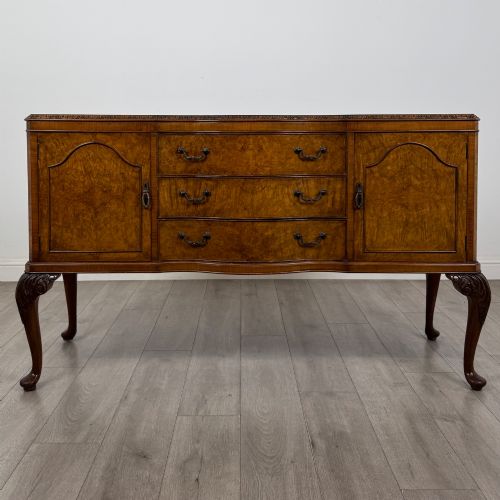
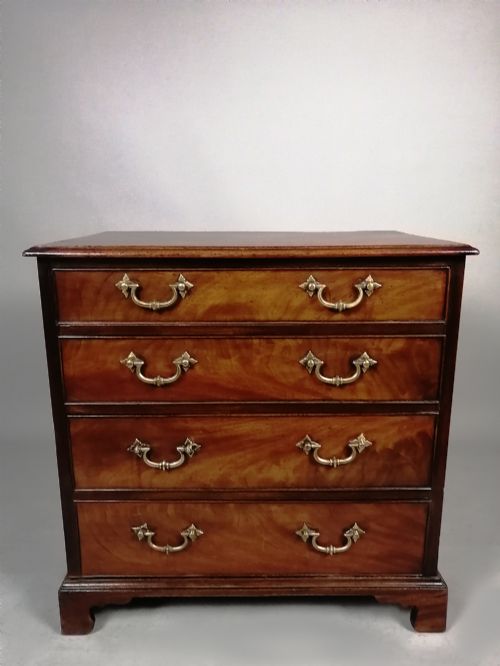
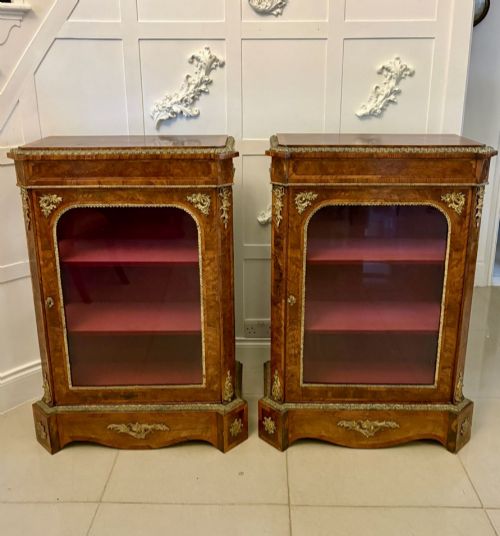
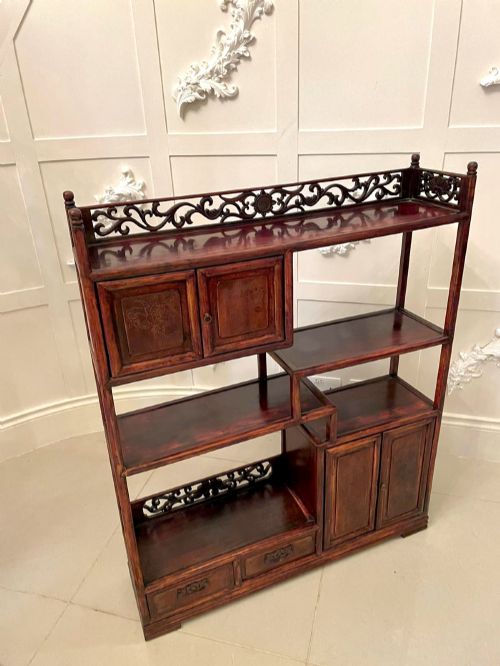
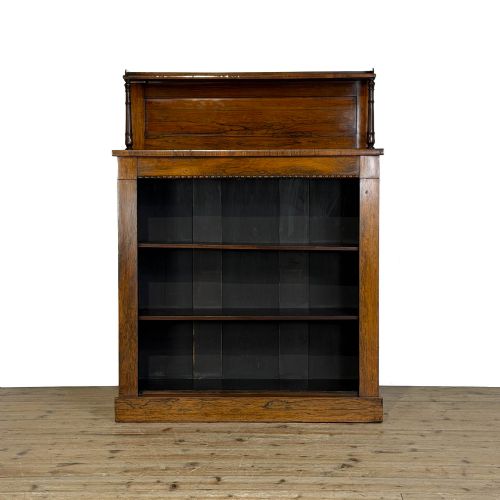
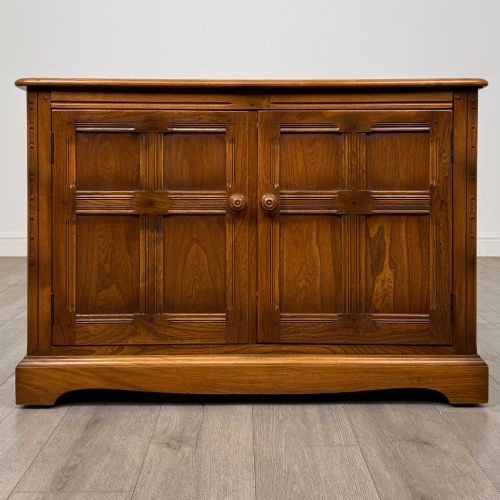
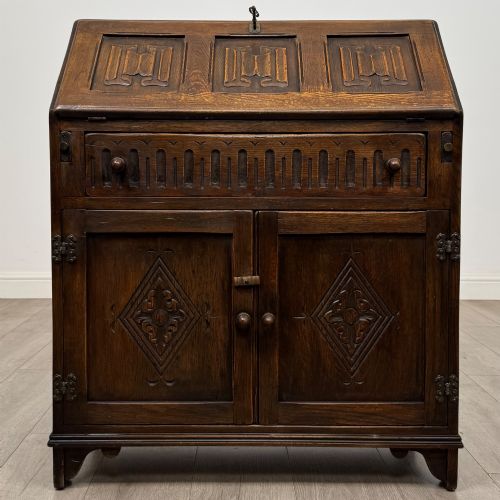
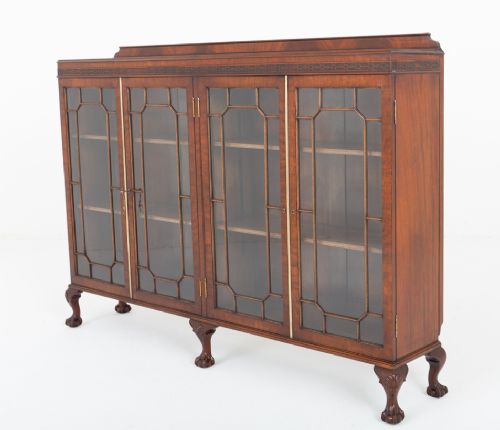
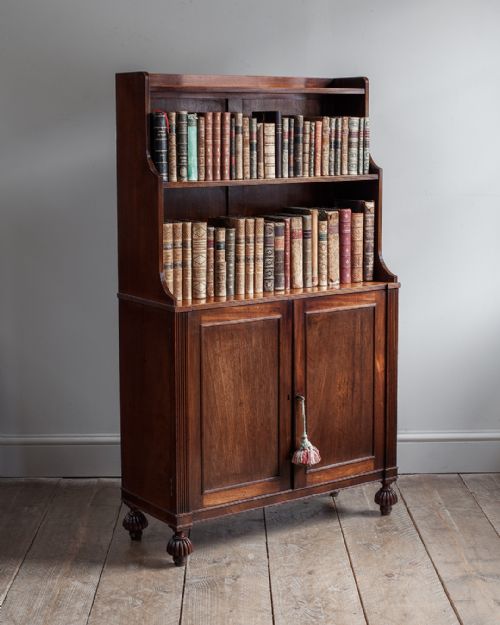
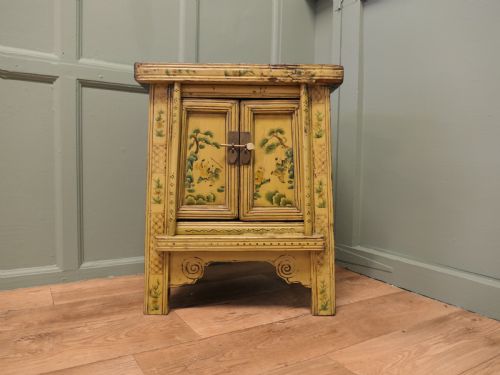
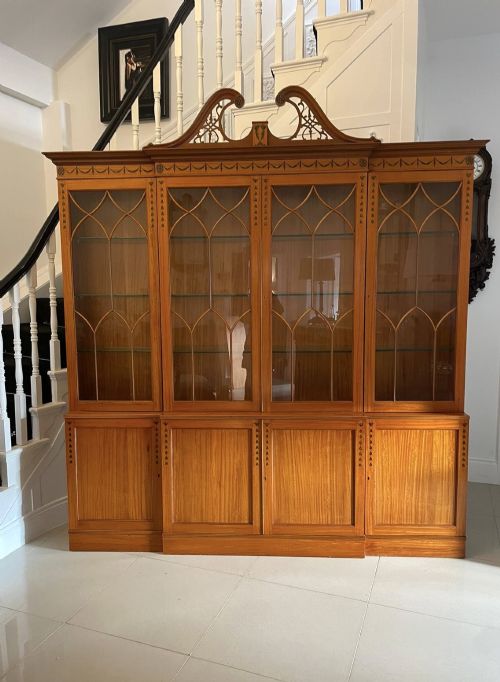
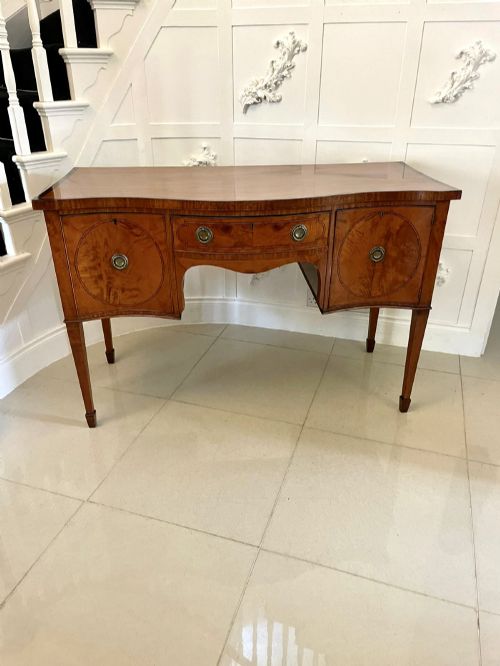
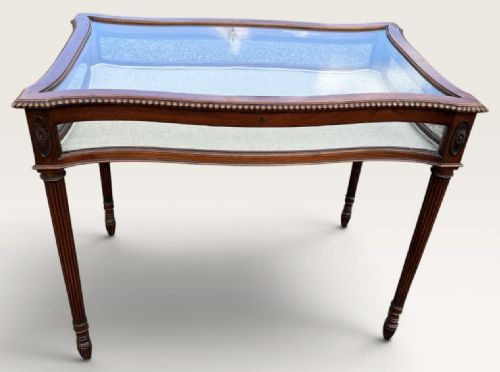
The antique style cabinet category encompasses a diverse array of storage and display furniture, including bookcases, sideboards, vitrines, and music cabinets. Many examples originate from Victorian and Edwardian periods, alongside revival pieces spanning Georgian to Jacobean designs.
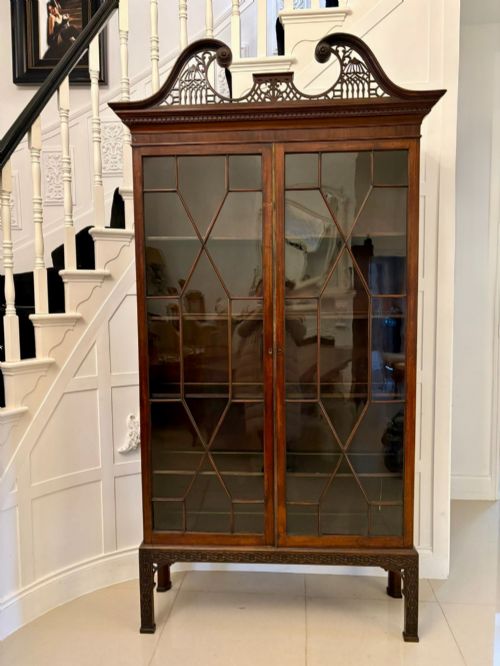
Display cabinets and bookcases frequently feature astral glazing, while sideboards and cupboards utilise rich timbers such as mahogany, oak, and burr walnut. Buyers encounter both English craftsmanship and continental French styles, including Louis XV and Louis XVI marquetry pieces.
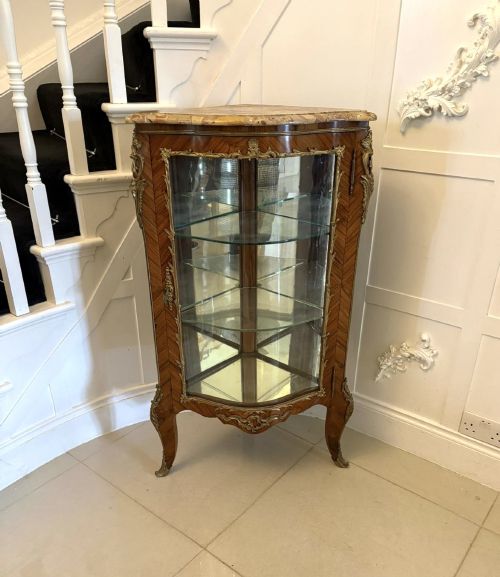
Smaller formats such as bedside cabinets, corner units, and pier cabinets also appear frequently. These versatile storage items reflect shifting domestic interior needs across the nineteenth and twentieth centuries.
Materials and Techniques
Cabinetmakers relied heavily on substantial hardwoods such as mahogany, oak, and walnut, often applying burr walnut or satinwood veneers for decorative grain patterns. Secondary timbers provided internal structural support within drawers and carcases.
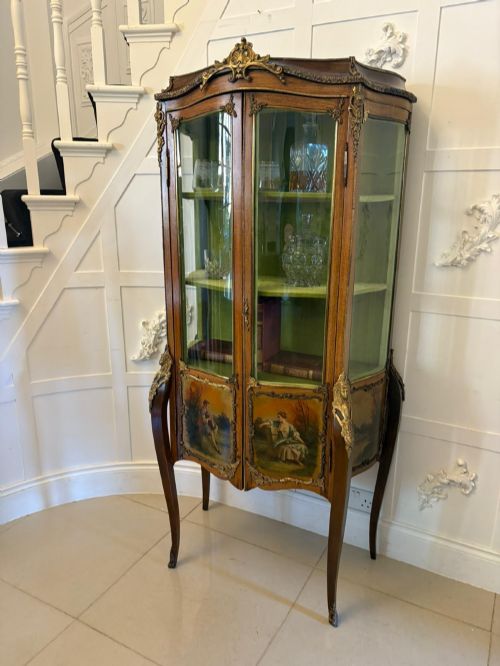
Ornamentation involved precise inlay work, hand-carved mouldings, and applied ormolu mounts on French-influenced vitrines and side cabinets. Glass panes were secured within timber framework, whilst marble tops added durable surfaces to specific corner and bedside models.
Evaluating Construction and Finish
Superior examples demonstrate meticulous timber selection, where grain patterns on burr walnut or mahogany doors match symmetrically across the front elevation. Lesser pieces rely on uniform veneer sheets with minimal attention to natural timber character.
The refinement of hand-carved details, the weight and chasing of ormolu mounts, and the integrity of internal carcase joinery distinguish exceptional cabinet work from standard production. Original hardware, glass panels, and painted decorations further elevate a piece's standing.
The Antique Style Cabinet Glossary
- Astral glazing
- Cabinet door glass divided into small panes by narrow wooden bars called muntins. This technique is typical of eighteenth and nineteenth-century bookcases and display cabinets.
- Ormolu
- Gilded bronze ornamentation applied to furniture mounts and feet. It was widely utilised on French-style cabinets and vitrines.
- Marquetry
- The art of applying decorative veneer pieces in wood to form geometric or floral patterns. It defines many Louis XV and Louis XVI revival cabinets.
- Vitrine
- A glass-fronted display cabinet designed specifically for porcelain and curiosities. These pieces often incorporate marble tops and delicate cabriole legs.
- Breakfront
- A furniture facade where the central section projects forward from the flanking wings. This architectural arrangement appears frequently on large bookcases and sideboards.
Antique Style Cabinet: Frequently Asked Questions
How do I date an antique cabinet?
Dating relies on examining timber species, construction methods, and secondary woods used inside drawers and back panels. Technological shifts in saw marks and hardware fixings provide further chronological markers.
Style revivals can occasionally complicate dating, as Edwardian makers frequently reproduced eighteenth-century aesthetics. Comparing structural wear and patination to known period examples clarifies the actual decade of manufacture.
What is the difference between a vitrine and a display cabinet?
A vitrine traditionally refers to a French-inspired glass cabinet, often featuring all-glass sides, elaborate ormolu mounts, and delicate marquetry. These were built specifically to showcase fragile porcelain and decorative objects.
Standard display cabinets encompass a broader range of English formats, including sturdy mahogany bookcases with glazed upper doors and wooden lower cupboards. Their construction prioritises functional shelving alongside visual presentation.
How should I care for burr walnut veneer?
Burr walnut requires stable indoor humidity levels and protection from direct sunlight to prevent timber warping and veneer lifting. Maintaining a consistent room temperature preserves the natural oils within the historic wood.
Occasional dusting with a soft, dry cloth is sufficient for routine upkeep. Professional wax polishing should be applied sparingly to nourish the finish without building up heavy residue.
Are antique cabinets suitable for modern homes?
These versatile pieces offer practical storage solutions for books, dinnerware, and collections while introducing distinct historical character to contemporary rooms. Sideboards and cupboards function effectively in modern dining spaces and hallways.
Smaller formats, such as bedside cabinets and corner vitrines, adapt easily to compact interiors. Their enduring construction ensures they withstand daily domestic use.