



Antique Style Accent Chairs
These antique style accent chairs bring period character and varied seating forms into a room, offering distinct historical design for everyday use.
Antique Style Accent Chairs
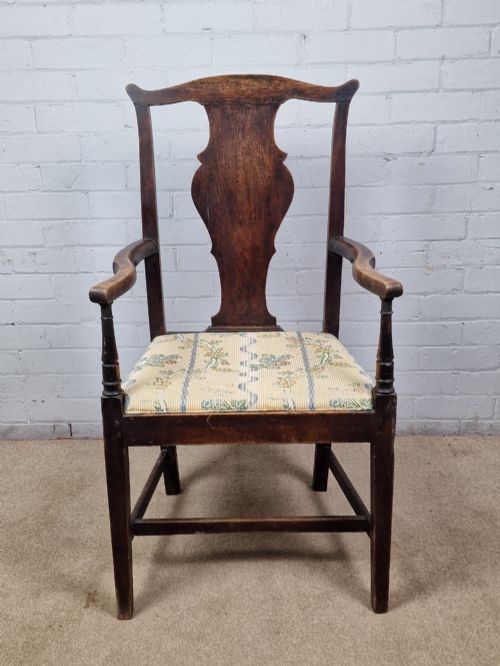
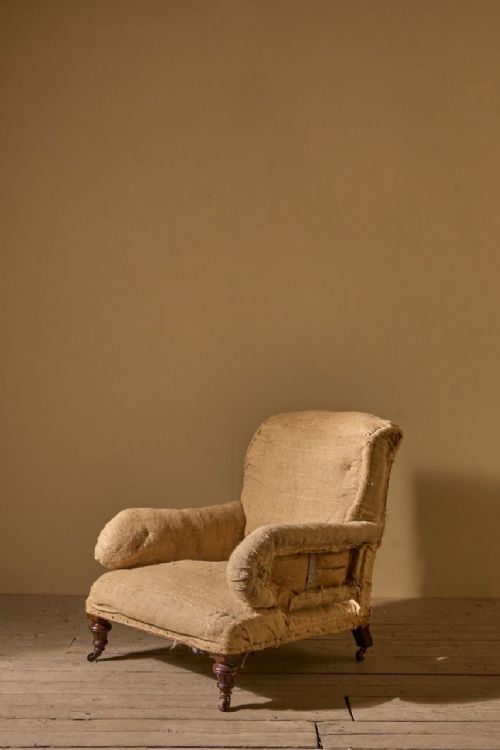
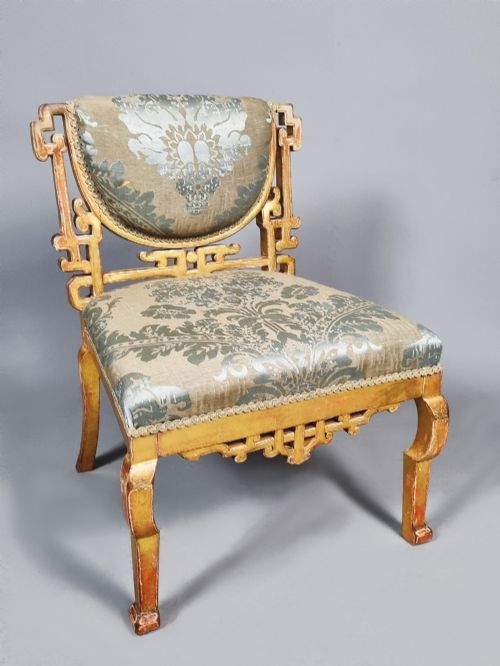
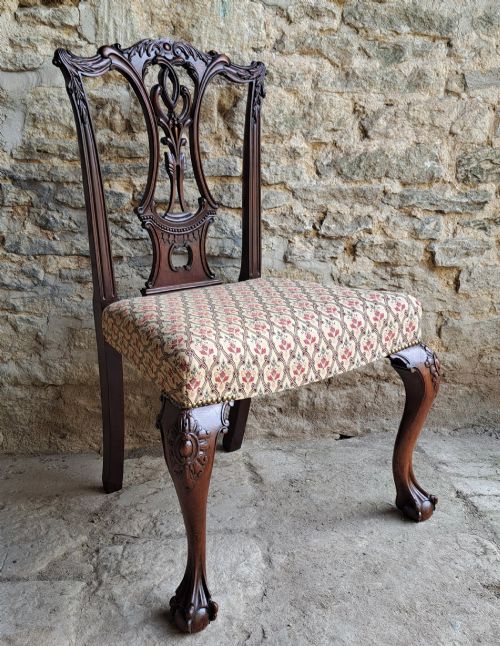
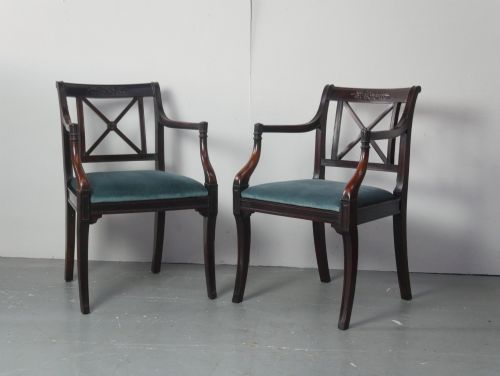
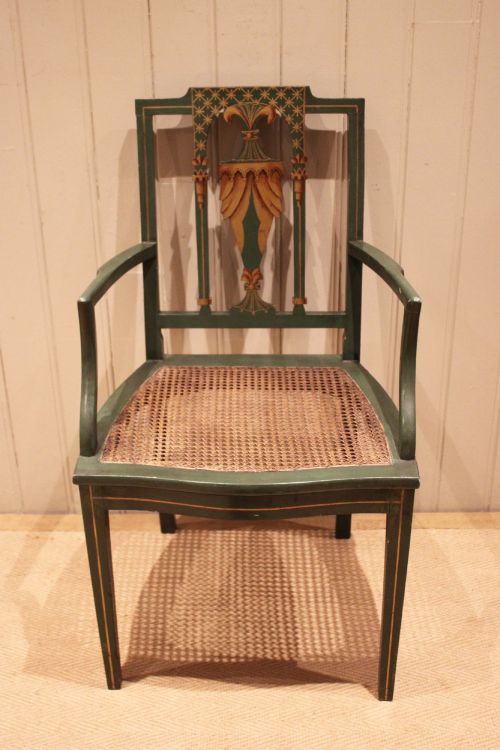
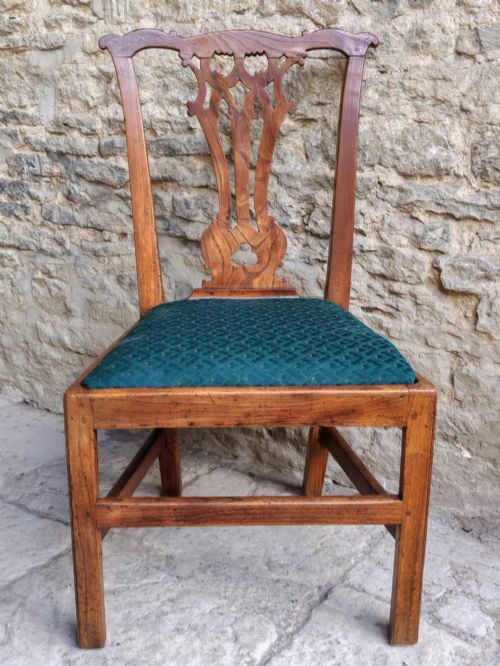
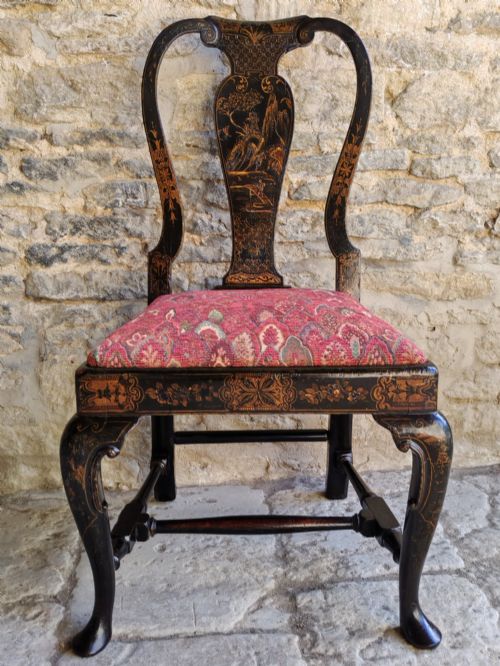
When searching for antique style accent chairs, buyers encounter a diverse selection of seating spanning from the eighteenth century through to the early twentieth century. The inventory on this page includes armchairs, side chairs, dining chairs, salon chairs, hall chairs, and rocking chairs.
The selection ranges across Georgian, Victorian, Queen Anne, Louis XVI Style, Rococo Revival, and Arts and Crafts aesthetics. Buyers are most likely to meet mahogany, walnut, oak, and painted wood frames fitted with fabric, leather, rush, or cane seating.
Origins vary between English workshops, Scottish makers, French salons, and Austrian bentwood production. This mix supplies both formal library armchairs and lighter decorative chairs suited for specific corners of a house.
How They Were Made
Makers utilised solid timbers such as mahogany, walnut, oak, fruitwood, and yew, often shaping frames through traditional joinery or steam bending. Structural elements frequently incorporated carved detail, parcel gilt finishes, or applied brass components.
Seating surfaces relied on artisan techniques including split cane work, rush weaving, and split cane panels. Upholstered examples combined horsehair or traditional stuffing with textiles like silk, tapestry, and old leather.
What Varies in Quality
The distinction between standard examples and the finest work lies in the depth and crispness of the hand carving upon the wooden frames. Superior pieces demonstrate exceptional proportion and fluid lines across arms, legs, and crest rails.
Original surface treatments, whether old paint, gilding, or patinated walnut and mahogany, separate preserved items from later alterations. The integration of high grade textiles and intact traditional seating materials like rush or cane elevates an object's standing.
Jacob and Josef Kohn·Thomas Chippendale·Jacob Desmalter·Charles Tozer·Morris and Co
The Antique Style Accent Chairs Glossary
- Bergère
- An enclosed upholstered armchair with wooden framing, frequently featuring cane sides and a loose seat cushion.
- Fauteuil
- An open-armed upholstered armchair originating in France, characterised by exposed wooden arm supports and legs.
- Windsor
- A traditional wooden chair constructed with a solid saddle-shaped seat into which turned spindles and legs are wedged.
- Sgabello
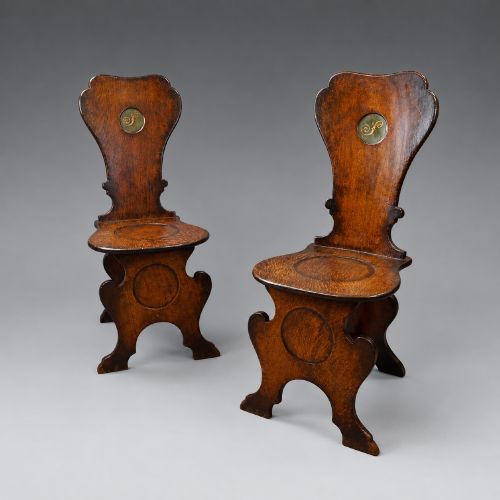
- A light wooden hall chair featuring solid trestle supports instead of conventional legs, popular during the Renaissance and later revived.
- Gainsborough
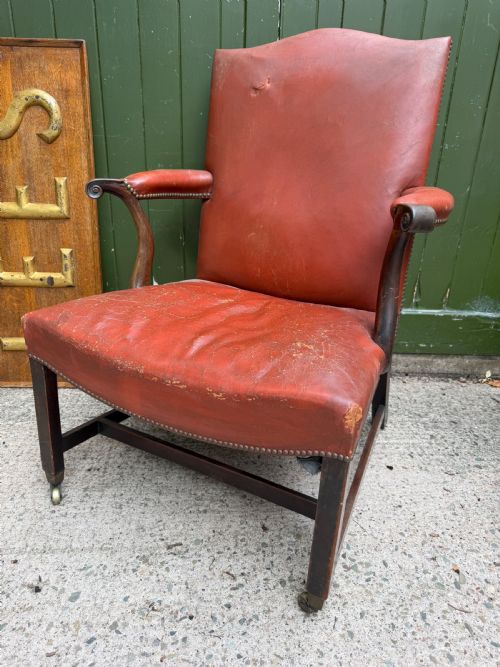
- A wide mahogany-framed armchair with padded arms, designed during the eighteenth century for reading or writing desks.
Antique Style Accent Chairs: Frequently Asked Questions
What defines an accent chair?
An accent chair is a secondary seat chosen to add visual interest, colour, or historical style to a specific room.
These pieces function independently from standard dining sets or matching sofa suites, serving as standalone decorative furniture.
How do I identify a Georgian armchair?
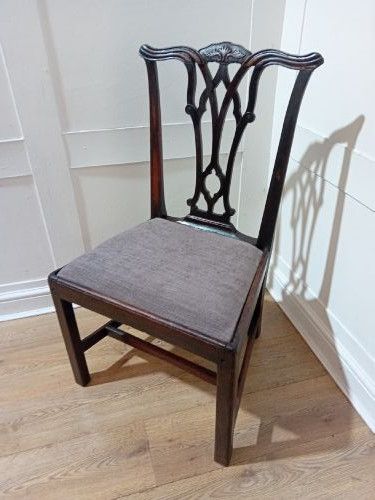
Georgian armchairs typically feature mahogany or walnut construction with carved details like ball and claw feet or cabriole legs.
They display proportions and joinery typical of eighteenth-century English cabinet making.
Where should I place a salon chair?
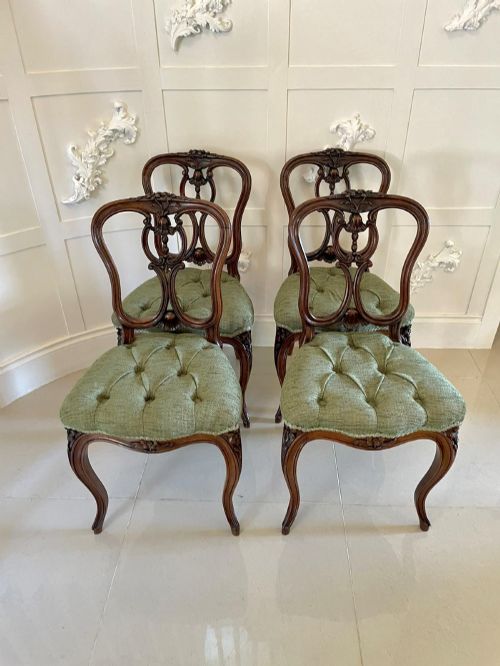
Salon chairs suit bedrooms, hallways, or drawing rooms where lighter seating is preferred over heavy upholstery.
Their decorative frames and open designs allow them to fit easily into smaller spaces.
Are cane seats durable for daily use?
Cane and split cane seating offers flexible support when woven correctly through frame apertures.
Gentle daily use preserves the natural elasticity of the cane strands over time.