




Antique Stool on Castors
An antique stool on castors is a low, movable seat designed for comfort, bringing period craftsmanship and mobility into a room.
Antique Stool on Castors
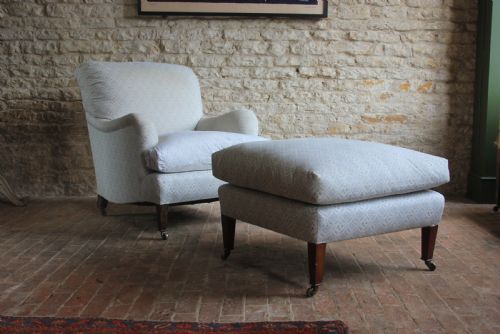
When you search for an antique stool on castors, you encounter low seats designed for resting feet or sitting, frequently upholstered in fabric, leather, or chenille. These pieces appear in forms such as footstools, ottomans, window seats, and gout stools.
The selections span from the Georgian and Regency eras through the Victorian period and into the Edwardian years. Makers such as Howard and Sons and James Shoolbred produced notable examples during these periods.
How they were made
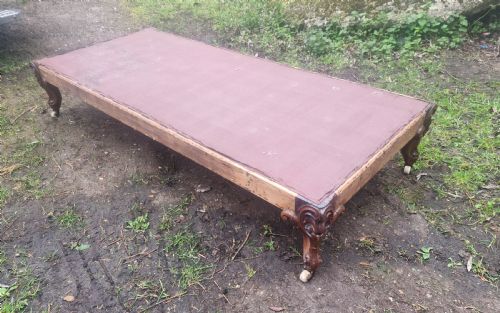
Frames rely on dense hardwoods like mahogany and walnut, frequently shaped into cabriole legs or low box structures to support heavy daily use. Joinery techniques of the periods ensure structural stability across large ottomans and compact footstools alike.
Upholstery incorporates traditional stuffing materials beneath outer layers of fabric, leather, or chenille, often secured with deep buttoning to maintain tension. Brass castors are fitted securely to the base of the legs to provide smooth mobility.
Some nineteenth-century footstools were built intentionally low and angled to soothe tired feet after long journeys.
What varies in quality
The grade of timber and the complexity of frame carving distinguish simpler pieces from finer works, particularly in walnut and mahogany models. Superior examples display refined proportions and robust construction that withstands decades of use.
The integrity of the original upholstery and the preservation of brass castors significantly influence the standing of a piece. Finer items retain their structural firmness and authentic supporting elements without unnecessary modern replacements.
Howard and Sons·James Shoolbred
The Antique Stool on Castors Glossary
- Castor
- A small wheel mounted on a swivel assembly attached to the base of a leg. This mechanism allows heavy seating to move smoothly across carpets and floors.
- Ottoman
- A low, upholstered seat without arms or a back, often built on a large box frame. These versatile pieces function as seats or resting places for feet.
- Gout stool
- A specialised footstool featuring an adjustable inclined top designed to elevate and support the foot. These pieces date back to the mid nineteenth century.
- Window seat
- A long, narrow form of stool or bench placed beneath windows. They frequently incorporate upholstered tops and mahogany or walnut frames.
- Canterbury stool
- A specialised compartmentalized piece combining seating with storage for folios or magazines. Victorian examples often utilise walnut and turned supports.
Antique Stool on Castors: Frequently Asked Questions
What is an antique stool on castors used for?
These versatile pieces served primarily as footstools, low seats near firesides, or window seats in period homes. Their mobility allowed them to be repositioned easily around a room.
Larger versions such as ottomans and box seats also provided concealed storage or generous surfaces for resting feet during long evenings.
How do I identify a Regency period stool?
Regency pieces often display classical proportions, utilising dense mahogany frames and distinct turning or saber legs. Details frequently reflect early nineteenth-century design motifs.
Checking for traditional joinery and period-appropriate upholstery methods helps confirm the age of these seating items.
Are the castors on these stools usually original?
Many surviving pieces retain their original brass castors, which show honest signs of age and secure attachment to the wooden legs. Inspecting the fittings reveals whether they match the manufacture period.
Replacements do occur due to centuries of wear, but period-correct brass replacements remain common on well-maintained examples.
How should I care for upholstered antique stools?
Protect the fabric or leather by keeping the stool away from direct sunlight and maintaining stable indoor humidity levels. Gentle dusting preserves the surface texture of chenille and velvet.
Avoid harsh chemical cleaners on the wooden frames and brass castors to preserve the natural patina developed over the centuries.