

Antique Still Life Art
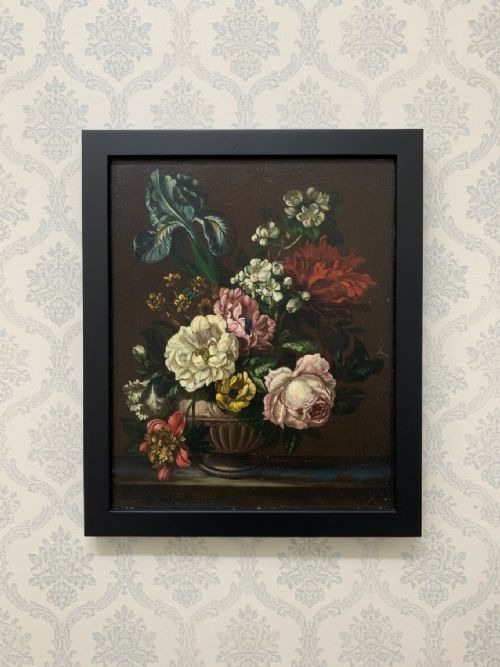
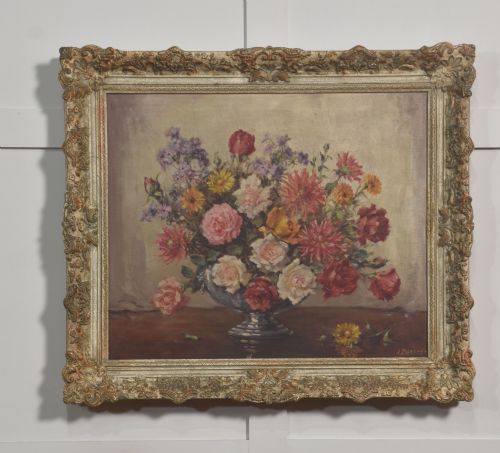
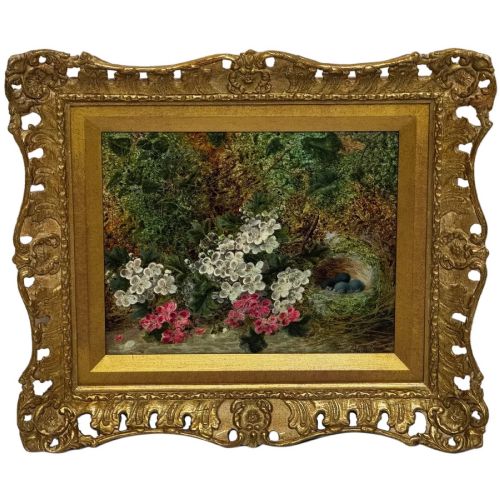
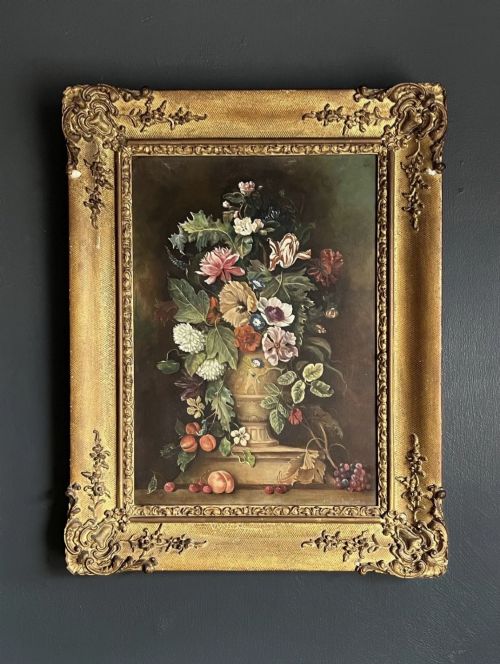
Antique still life art gathers centuries of painted botanicals, game and domestic gatherings, offering intimate studies of domesticity and nature for the collector's wall.
Antique Still Life Art
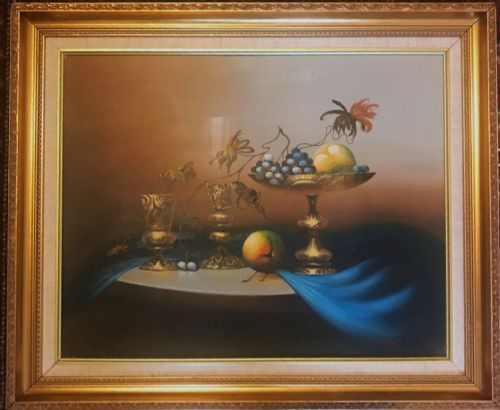
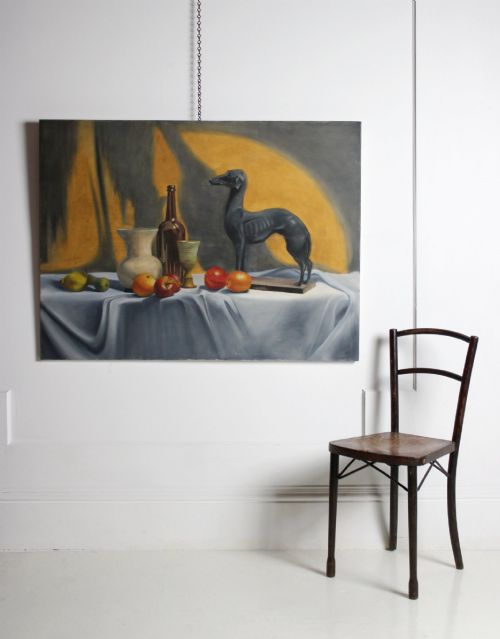
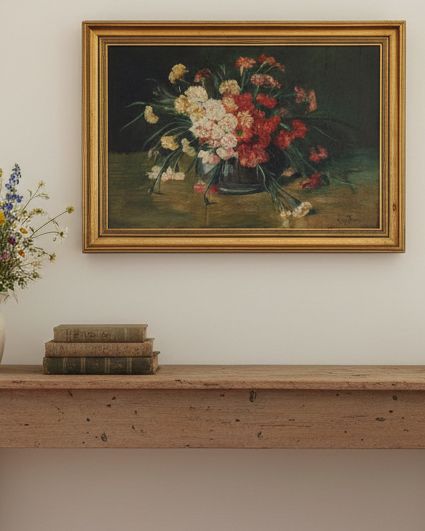
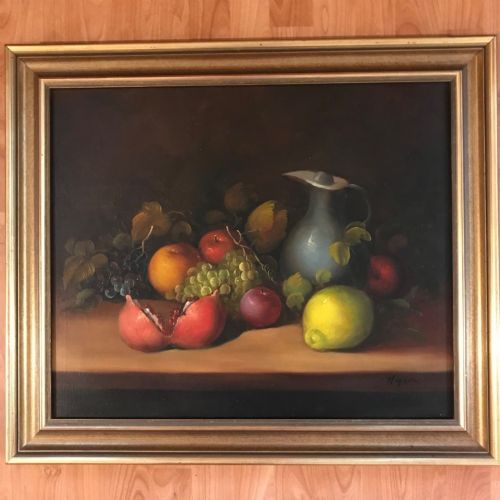
When you search for antique still life art, you encounter a diverse survey of painted subjects ranging from seventeenth-century Flemish florals to twentieth-century impressionist canvas studies. The pieces span centuries of domestic and natural observation, capturing arrangements of fruit, game, and freshly cut flowers.
You are most likely to meet nineteenth-century oil paintings and watercolours on this page, alongside early twentieth-century examples rendered on canvas, board, and panel. These works represent British, French, Dutch, and Austrian schools, reflecting changing decorative tastes across different eras.
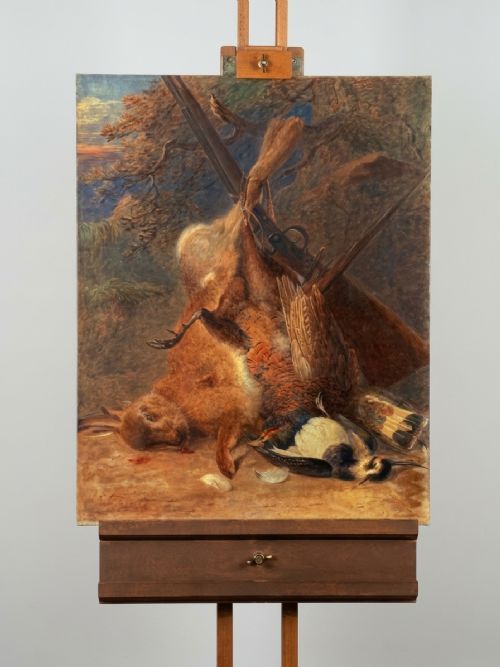
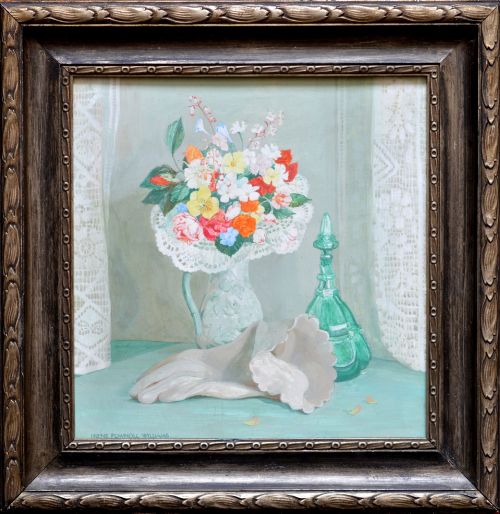
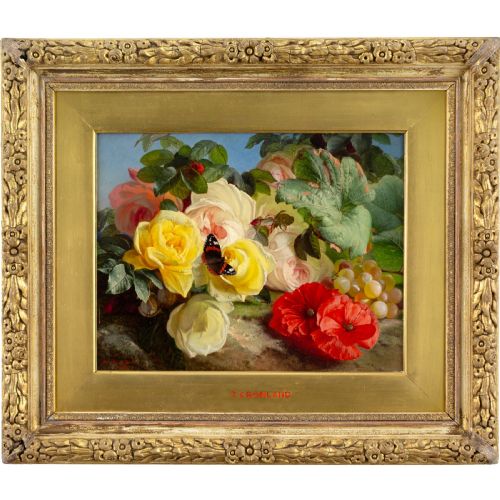
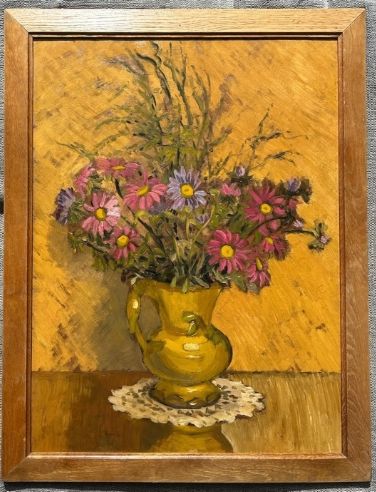
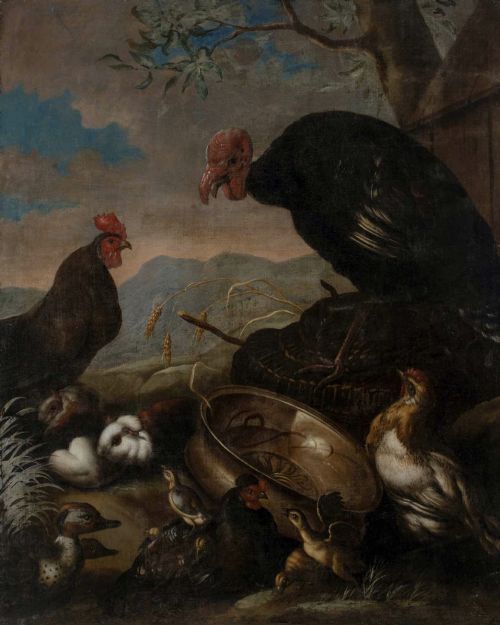
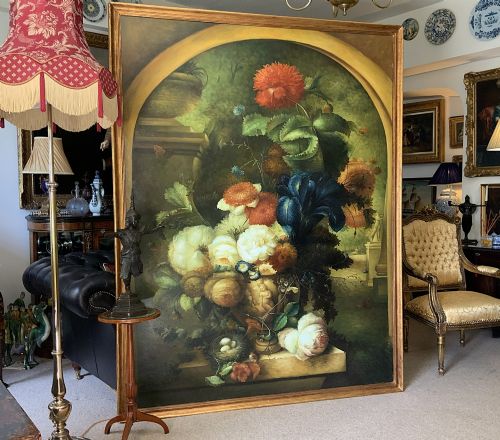
The category encompasses varied scales, from intimate cabinet watercolours to monumental decorative oils designed for prominent wall placement. Subjects divide broadly between botanical studies of roses and carnations, and larder scenes featuring fish, fowl, and baskets of fruit.
Materials and methods
Painters relied principally upon oil paint and watercolour applied to prepared canvas, wooden panels, paper, or sturdy board surfaces. Pigments were often layered to achieve depth in floral petals, luminous glass vessels, and the varied textures of feathers and fur.
Many works retain their period framing, utilising moulded wood embellished with gold leaf, giltwood, or gilt gesso finishes. These surrounds are integral to the presentation, frequently matching the aesthetic of the period in which the painting was executed.
Listings feature works executed in oil, watercolour, and gouache upon canvas, wood panel, paper, and board.
Distinguishing quality
The finest examples demonstrate a confident handling of light and shadow, giving tangible weight to fruit, foliage, and ceramic vessels. Weaker works often rely on rigid symmetry and flat application, lacking the atmospheric depth found in superior compositions.
Condition of the pigment and support significantly influences the standing of a piece, with undisturbed original surfaces commanding greater regard than heavily restored areas. The quality of the accompanying period frame also contributes to the overall integrity of the object.
Angelo Maria Crivelli·Oliver Clare·Vincent Clare·Konstantin Stoitzner·Edward Ladell·Michelangelo Meucci·Gaspar Peeter Verbruggen·William Henry Ward·Else Preußner·Edwin Steele·Arthur Dudley·John Sherrin·William Thomas Wood·James Stuart Park·Jules Édouard Diart·Marthe Barbaud-Koch·Antoine Martinez·Thomas Webster
The Antique Still Life Art Glossary
- Canvas
- A heavy woven fabric stretched across a wooden frame to serve as a sturdy painting surface. It provides the foundational ground for the majority of traditional oil compositions.
- Giltwood
- Timber carved and subsequently covered with a thin layer of gold leaf or metallic powder. This finish enhances antique frames with a warm, reflective sheen.
- Panel
- A flat piece of prepared wood utilised as a rigid support for oil paintings, particularly common in earlier continental works. It offers a smooth, stable ground that resists the sagging associated with aged textiles.
- Bodycolour
- Water-soluble paint mixed with a white pigment to render it opaque rather than translucent. It allows artists to introduce solid highlights into delicate watercolour studies.
- Trompe l'oeil
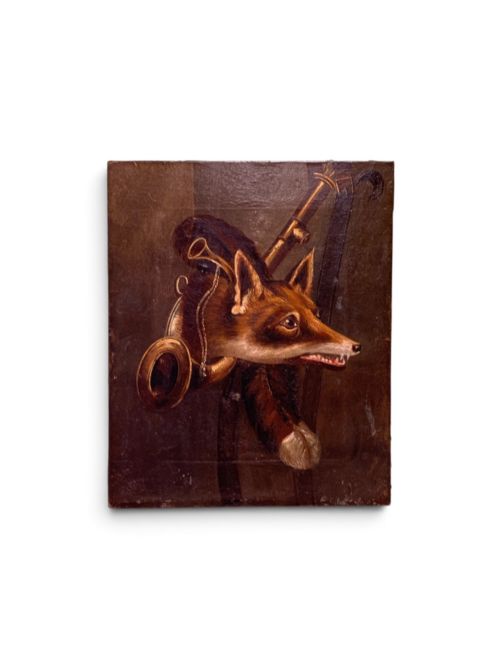
- An artistic technique designed to create an optical illusion of three-dimensional reality upon a flat surface. These clever compositions frequently depict hanging game or domestic objects with startling fidelity.
Antique Still Life Art: Frequently Asked Questions
How do I care for antique oil paintings?
Keep paintings away from direct sunlight and fluctuating temperatures to prevent the canvas or panel from warping and the oil pigment from cracking.
Dust the surface gently with a soft, dry brush without applying pressure or moisture to the aged paint layers.
What subjects are most common in still life?
Floral arrangements featuring roses, carnations, and summer blossoms appear frequently across multiple centuries and European schools.
Larder scenes depicting game birds, fish, and baskets of fruit also form a substantial portion of the available inventory.
Are these paintings usually signed by the artist?
Many works bear visible signatures or monograms, though a significant number remain unattributed or executed by regional schools.
Unsigned pieces are judged on stylistic merit, brushwork confidence, and the physical evidence of their materials.
How can I tell a panel painting from canvas?
Panel paintings utilise a rigid wooden board that does not give when light pressure is applied to the reverse side.
Canvas works exhibit a woven textile texture and may show slight give across the wooden stretcher frame.