



Antique Sterling Sugar Nips
Antique sterling sugar nips are small implements for serving lumps into tea, prized for their bright metal and ingenious domestic design.
Antique Sterling Sugar Nips
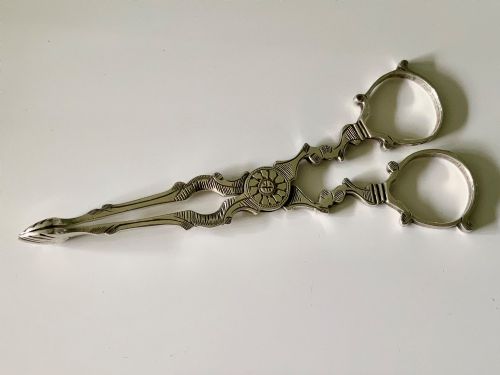
When you search for antique sterling sugar nips, you encounter a specialised form of tableware designed to handle sugar before lump sugar became uniform. The pieces seen here span from the mid eighteenth century through the Georgian, Victorian, and Edwardian eras, extending into mid twentieth century modernism.
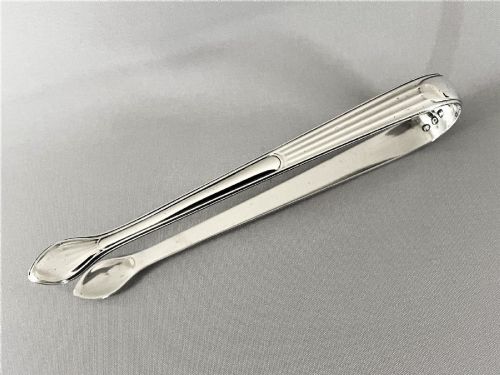
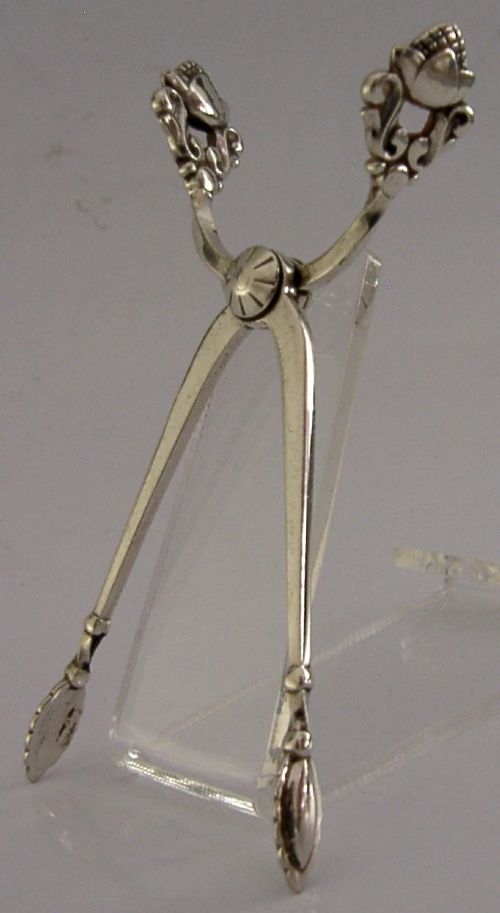
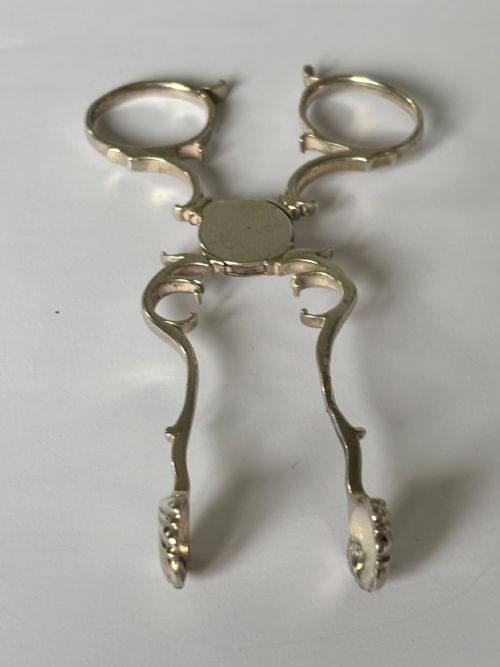
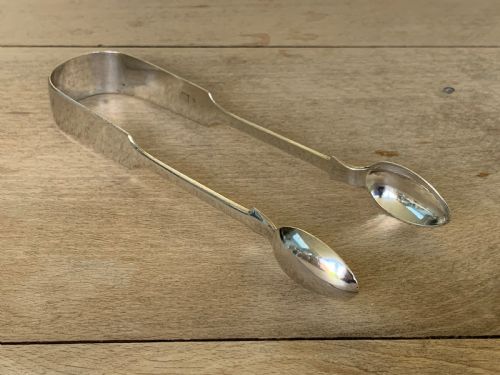
You meet both scissor style nips with loop handles and sprung metal tongs formed from a single strip folded at the arch. Many examples originate from English provincial and London assay offices, alongside Scottish and Irish makers.
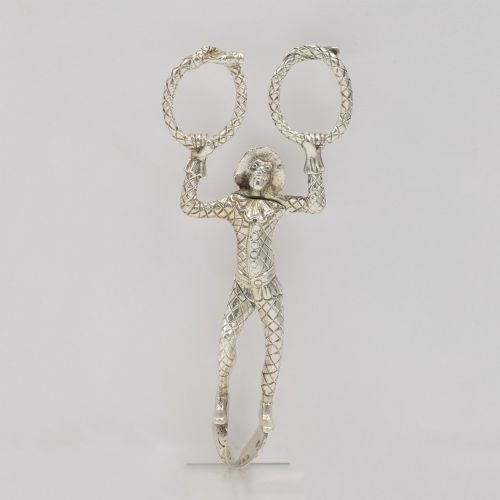
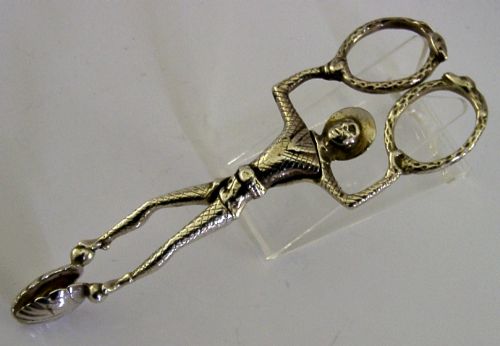
The selection ranges from plain domestic tea service items to novelty designs shaped as monkeys, jesters, harlequins, wishbones, and eagle claws. Some arrive housed within fitted presentation cases lined with velvet, silk, or leatherette.
How they were made
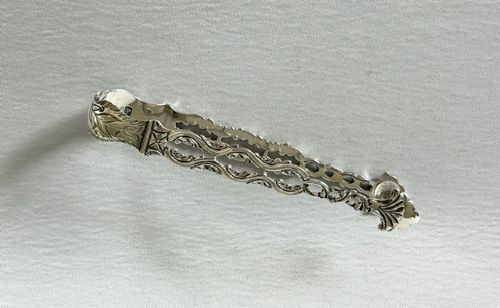
Makers shaped these items primarily from sterling silver using techniques such as casting, piercing, and hand forging. Pierced arms often display delicate openwork patterns, while cast examples feature robust nodes and detailed figural work.
Materials appearing across the inventory range from solid sterling silver to silk, velvet, and leatherette presentation linings.
What varies in quality
The distinction between standard domestic items and the finest pieces rests upon the ambition of the design and the crispness of the execution. Novelty forms and pierced eighteenth century cast work demand greater technical skill from the silversmith than plain sprung arms.
Assay documentation and the reputation of recorded makers such as Georg Jensen, Thomas Tookey, or Francis Higgins elevate an example. Preservation of original definition in chased details and tight spring tension in folded tongs also mark superior pieces.
Bateman Family·Dee and Fargus·Georg Jensen·Thomas Tookey·Josiah Williams and Co·Henry Stuart Brown·John Walton·Francis Higgins
The Antique Sterling Sugar Nips Glossary
- Sugar nips
- A scissor action implement with two finger loops used for cutting or placing sugar lumps into a cup. They precede the common sprung sugar tong in earlier tea service history.
- Sugar tongs
- A sprung metal implement formed from a single folded strip or two joined arms, used for lifting sugar lumps. The terms tongs and nips frequently overlap in historical descriptions.
- Sterling silver
- A silver alloy containing a specific proportion of pure silver and other metals for durability. British pieces carry hallmarks to verify this standard.
- Assay office
- An official body that tests the purity of precious metals and stamps items with hallmarks. Towns such as London, Chester, Exeter, and Newcastle maintained their own offices.
- Novelty
- A collectible item shaped in a whimsical or unusual form unrelated to standard utilitarian design. Examples include harlequins, wishbones, and animal claws.
- Cast silver
- Metal poured into a mould to create three dimensional shapes and heavy forms. It allows for greater relief and sculptural detail than sheet metal work.
Antique Sterling Sugar Nips: Frequently Asked Questions
What is the difference between sugar nips and sugar tongs?
Sugar nips typically feature scissor style ring handles for the fingers, whereas sugar tongs consist of a single sprung arch that is squeezed by hand.
Both tools served the tea table, though scissor nips are more frequently found among earlier eighteenth century examples.
How do I read the hallmarks on silver sugar nips?
British hallmarks usually include a maker's mark, a standard mark indicating sterling silver, a town mark for the assay office, and a date letter.
These stamps allow you to identify the specific year and location of manufacture.
Are novelty silver sugar nips functional?
Novelty designs shaped as wishbones, birds, or jesters are fully articulated and engineered to function just as standard tea implements do.
Their clever mechanical construction was intended to amuse guests during tea service.
Did people use sugar nips with loose sugar?
Before sugar was refined into uniform cubes, it came in large sugar loaves that required breaking with nippers or tongs.
The smaller nips and tongs handled these irregular lumps at the tea table.