



Antique Sterling Sugar Basin
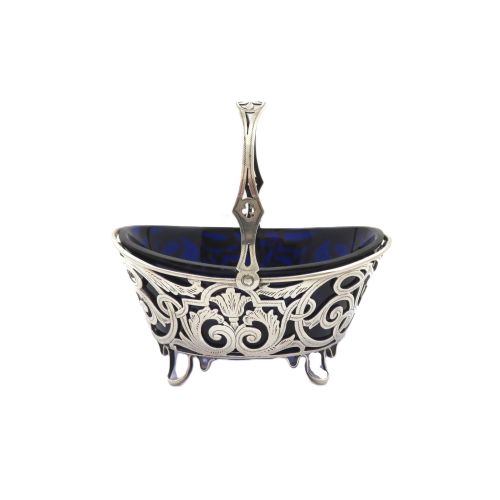
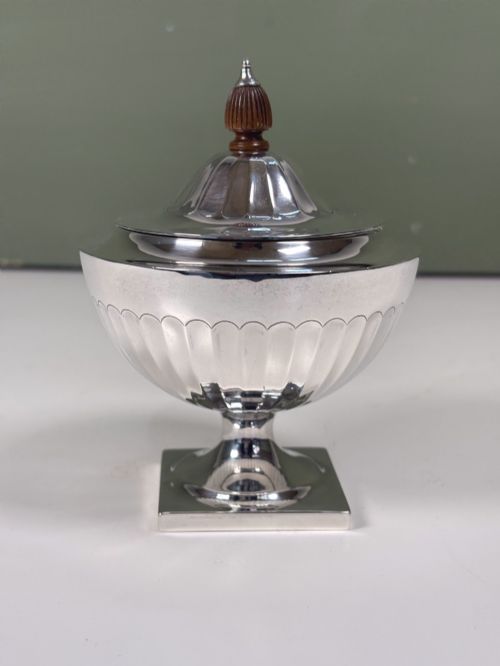
An antique sterling sugar basin brings domestic ritual to the table, taking the form of open bowls, swing-handled baskets and footed urns.
Antique Sterling Sugar Basin
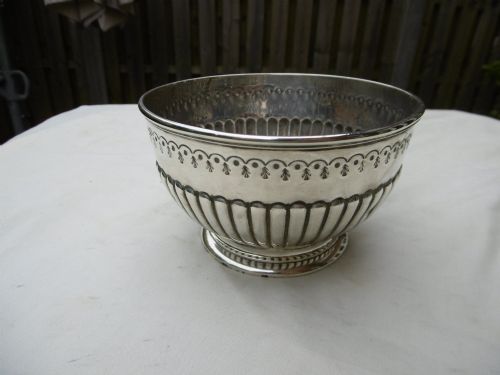
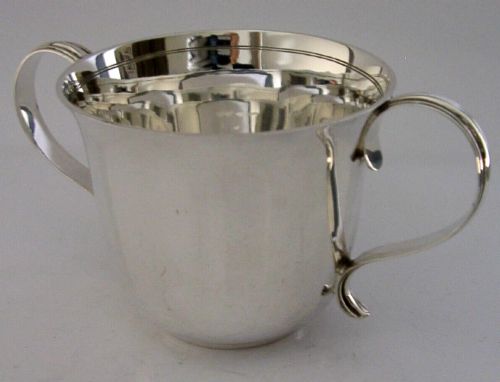
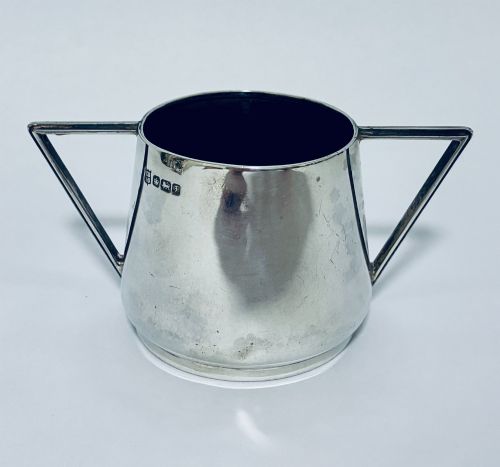
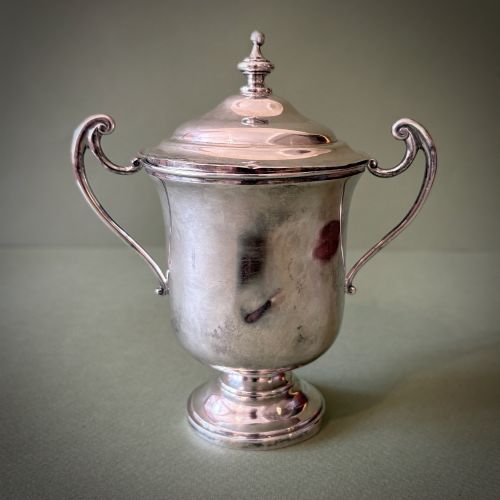
When you search for an antique sterling sugar basin, you encounter holloware spanning the Georgian, Victorian and Edwardian eras alongside 1920s Art Deco and Arts and Crafts examples. These vessels range from simple open bowls and twin-handled porringers to pierced swing-handled baskets and lidded urns.
The domestic tea and table service required these basins to hold loose sugar, often accompanied by cream jugs and sifter spoons. Formats vary from early Irish and Scottish Georgian pieces to later English production from London, Birmingham and Chester.
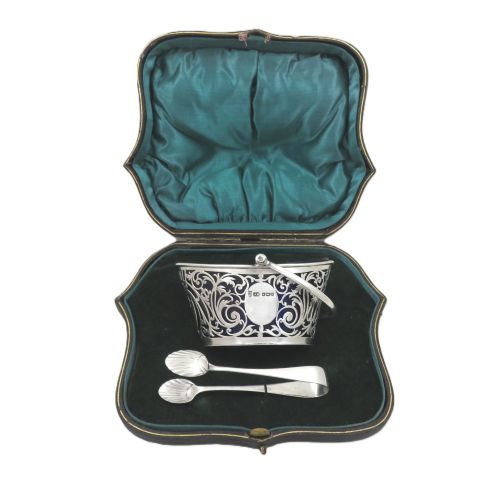
Specialised variants include tea caddies and fitted sets housed in presentation cases with silk and velvet linings. Early American and Continental European influences occasionally appear alongside traditional British regional silversmithing.
Silver and Smithing Techniques
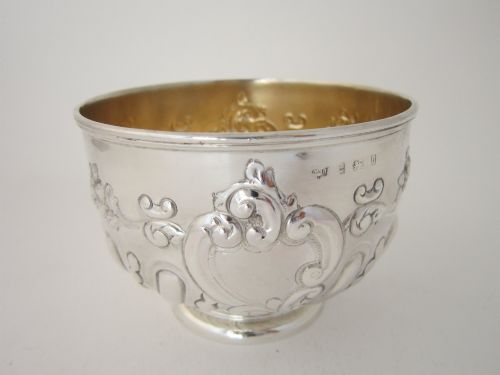
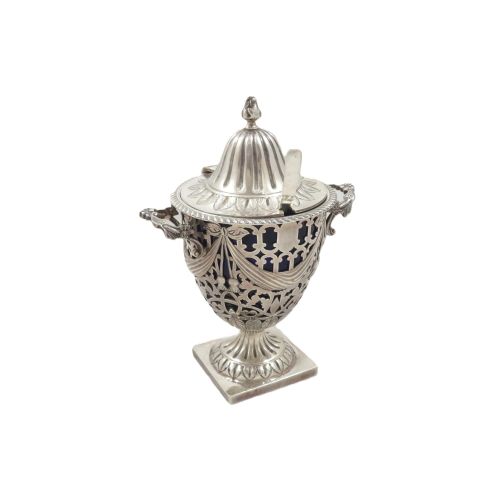
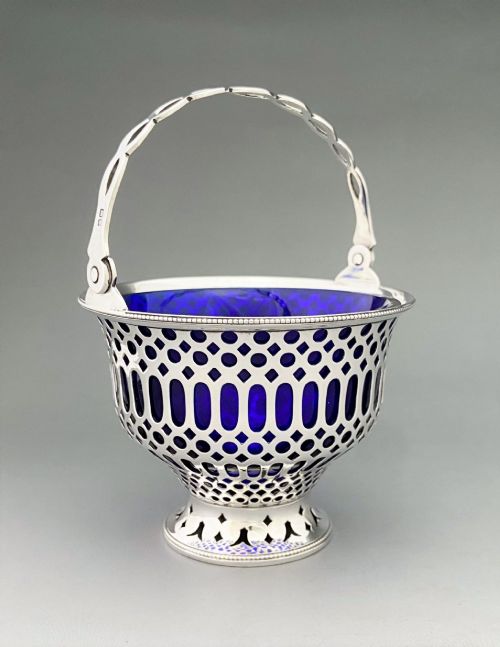
Makers shaped these basins primarily from sterling silver, occasionally employing silver gilt interiors to protect the metal from acidic contents. Cobalt glass liners frequently accompany pierced baskets, providing a contrasting flash of colour through openwork fretwork.
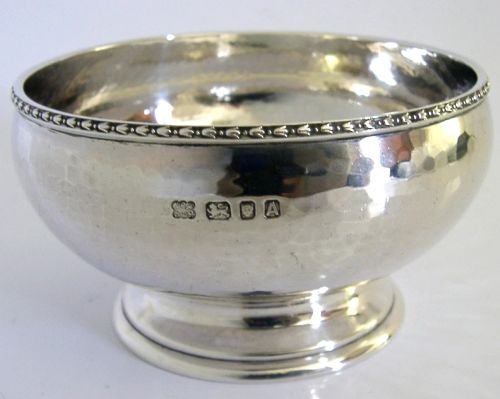
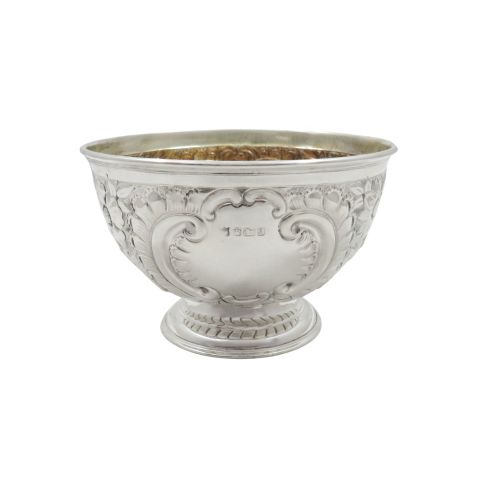
Construction methods combine casting, raising and hammering, with planished finishes visible on Arts and Crafts pieces. Repousse decoration, cast floral handles and engraved details demonstrate the manual labour involved in their creation.
Some basins hide cobalt glass liners so bright they outshine the silver cage holding them.
Design Integrity and Weight
Substance separates solid construction from lighter production, evident in the gram weight and the gauge of the silver used for handles and rims. The crispness of repousse work and the precision of piercing determine the aesthetic success of a basket or bowl.
Maker attribution elevates certain pieces, particularly those bearing the marks of known silversmiths or specialist workshops. Completeness also influences the piece, such as retaining matching sifter spoons, original glass liners or fitted presentation cases.
Peter and William Bateman·John Kincard·Mappin and Webb·John Barrett·George Fox·Walter Brind·Robert Hennel
The Antique Sterling Sugar Basin Glossary
- Sterling silver
- A silver alloy containing 92.5 percent pure silver and 7.5 percent other metals, usually copper. This standard has governed British silver production for centuries.
- Repousse
- A metalworking technique where the silversmith hammers the design from the reverse side to form a raised pattern on the front. This ornamentation is common on Victorian tea caddies and bowls.
- Planished
- A surface texture created by light hammering with a polished round-headed hammer, leaving systematic facets across the silver. This finish is characteristic of the Arts and Crafts movement.
- Porringer
- A bowl featuring one or two flat horizontal handles, adapted over time from domestic porridges to sweet service. Examples in this category date to the early twentieth century.
- Silver gilt
- Sterling silver that has been coated with a thin layer of gold on the interior surface. This technique prevents the silver from tarnishing when in contact with foodstuffs.
Antique Sterling Sugar Basin: Frequently Asked Questions
How were antique sugar basins used?
These vessels held lump or loose sugar for tea service, often placed centrally on the table alongside cream jugs and tea caddies.
Wealthier households utilised pierced baskets with blue glass liners to display refined sugar before the advent of granulated sugar blocks.
How do I clean sterling silver?
Wash the silver gently in warm soapy water using a soft cloth, avoiding abrasive dips that strip the natural patina accumulated over centuries.
Dry thoroughly with a clean microfibre towel to prevent water spots and store away from rubber or damp environments.
Are swing handles original?
Original swing handles attach via pins or hinges integrated directly into the rim mounts during the initial silversmithing process.
Replacements often show mismatched wear, solder repairs or modern fastening pins that differ from the surrounding period hallmarks.