

Antique Sterling Silver Tableware
These pieces of antique sterling silver tableware span centuries of dining refinement, offering functional elegance for the modern table.

Antique Sterling Silver Tableware
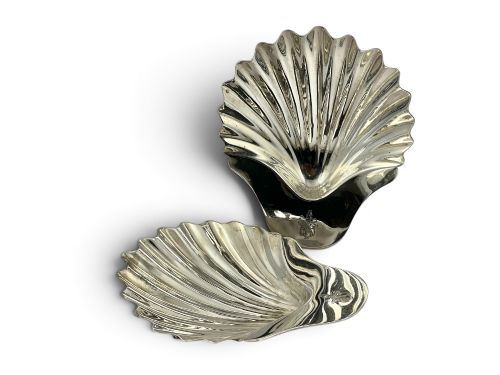
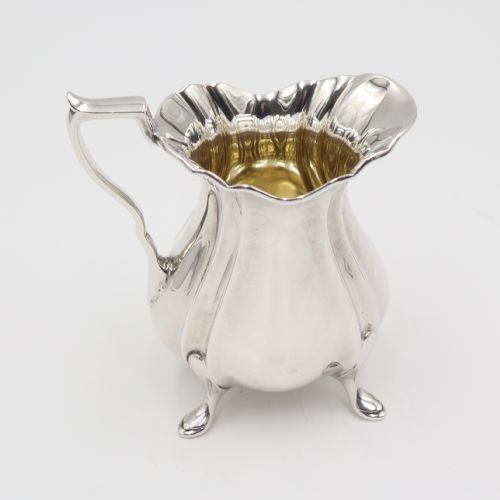
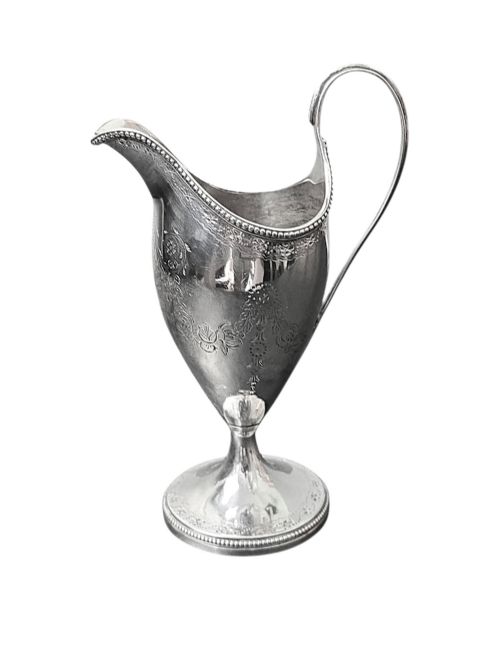
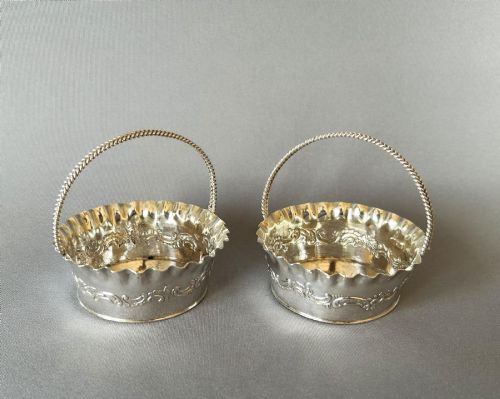
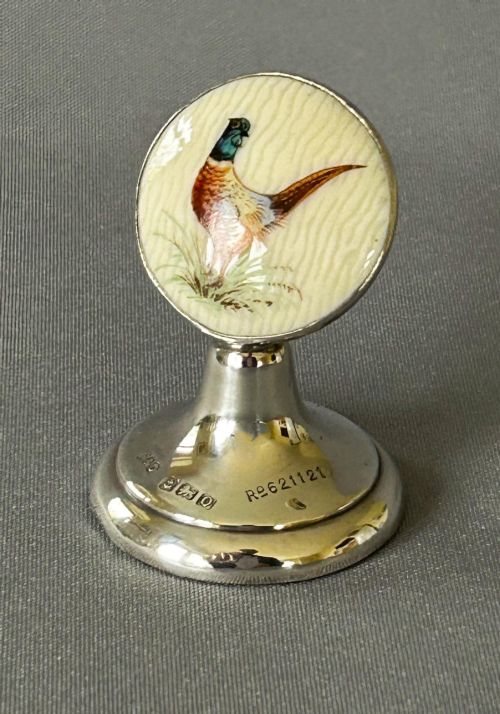
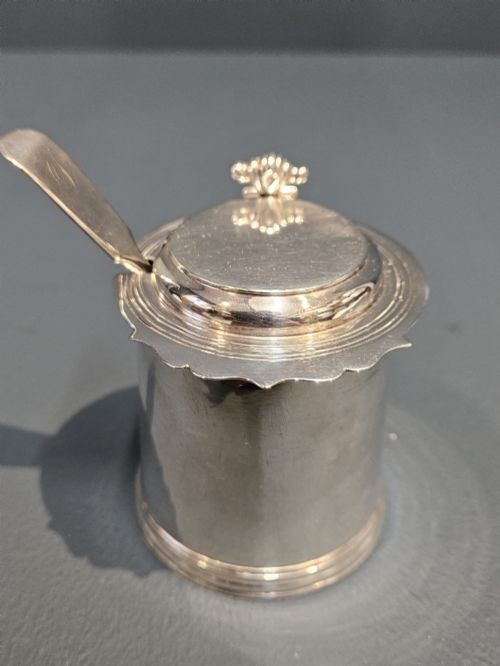
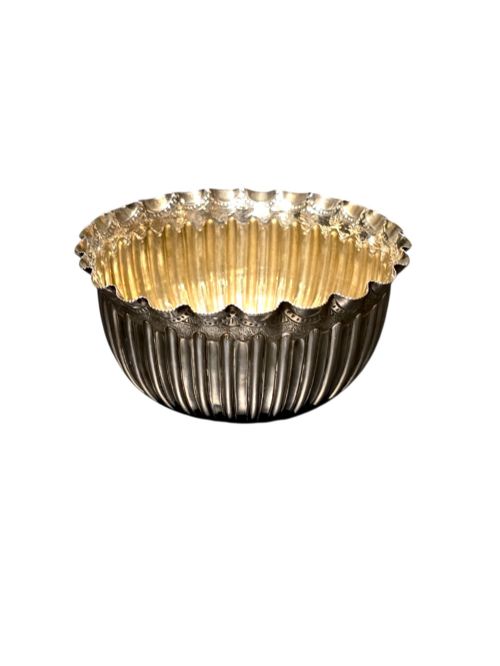
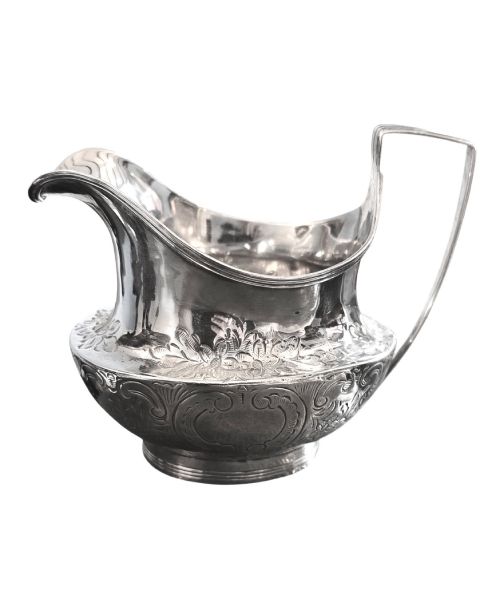
When you search for antique sterling silver tableware, you encounter a diverse array of dining accessories spanning the eighteenth, nineteenth and twentieth centuries. The selection ranges from essential serving pieces such as basting spoons, gravy ladles and cream jugs to smaller table items like salt cellars, mustard pots, napkin rings and menu holders. Georgian and Victorian examples sit alongside Edwardian creations and later twentieth-century modernist designs from the Art Deco and Arts and Crafts periods.
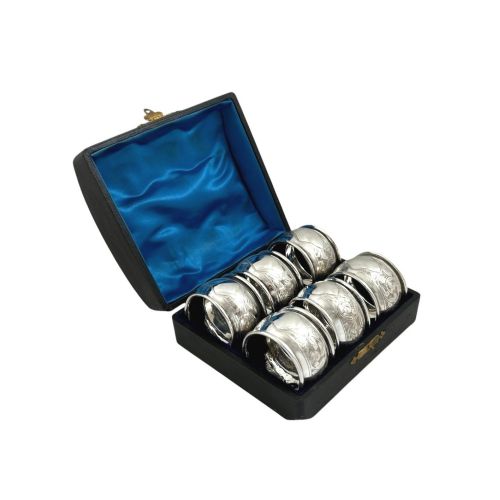
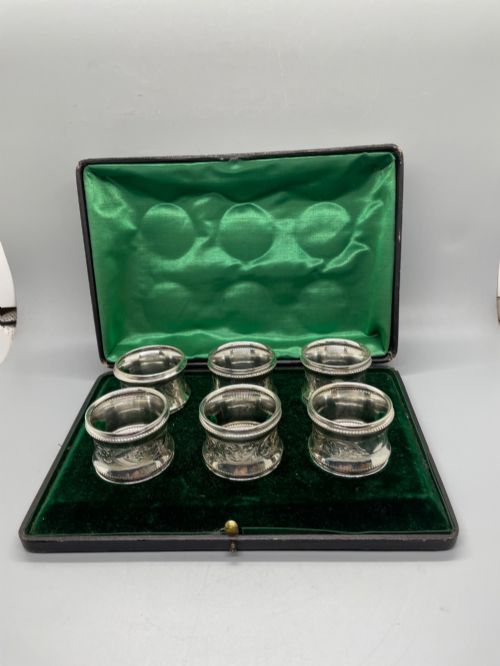
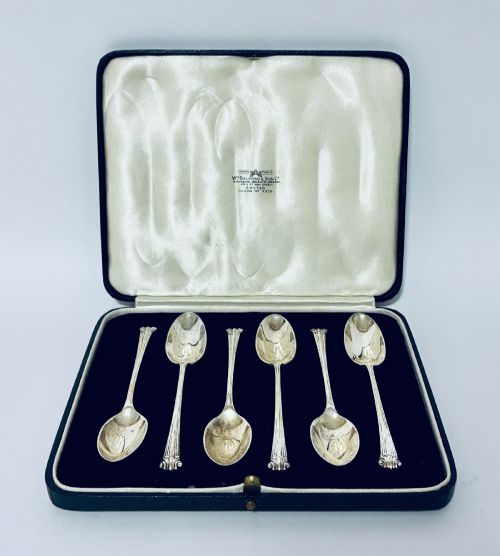
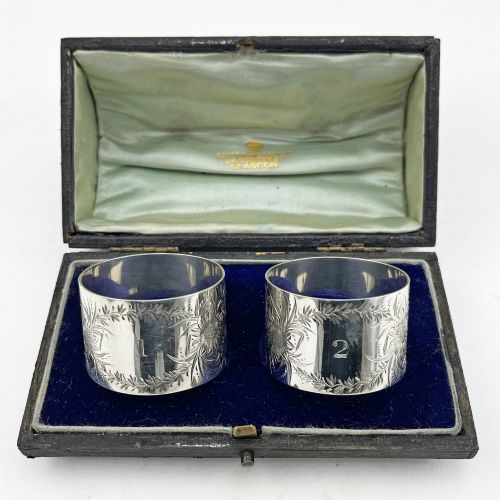
Among these forms, spoons, salt cellars, napkin rings and cream jugs appear most frequently, reflecting the enduring domestic utility of these silver items. Many smaller accessories survive in fitted presentation cases lined with silk, velvet, satin or leatherette, often complete with original matched spoons or glass liners. Whether searching for an eighteenth-century caster or a cased set from the 1930s, the selection captures changing dining rituals over several hundred years.
Materials and construction methods
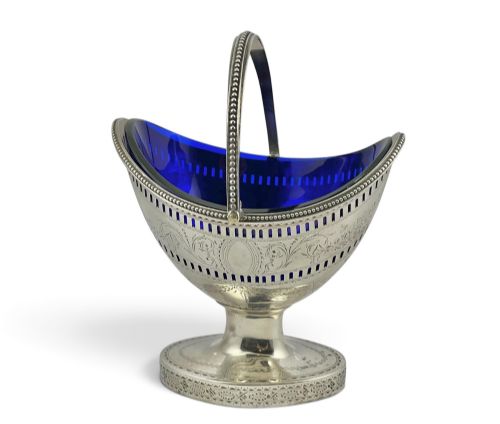
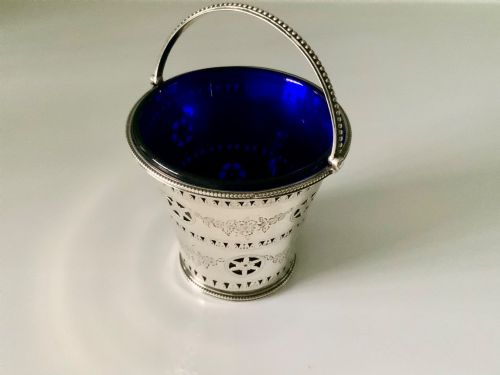
The primary material across these listings is sterling silver, frequently paired with complementary substances to achieve specific decorative and functional qualities. Glass liners in blue or clear tones appear inside open salts and mustard pots, protecting the metal from corrosive condiments while adding vibrant colour contrast. Auxiliary materials such as silk, velvet, satin and leatherette line fitted presentation cases for napkin rings and cruet sets, preserving the polished metal within.
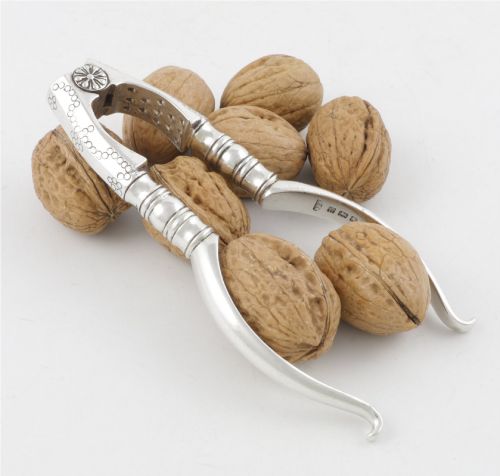
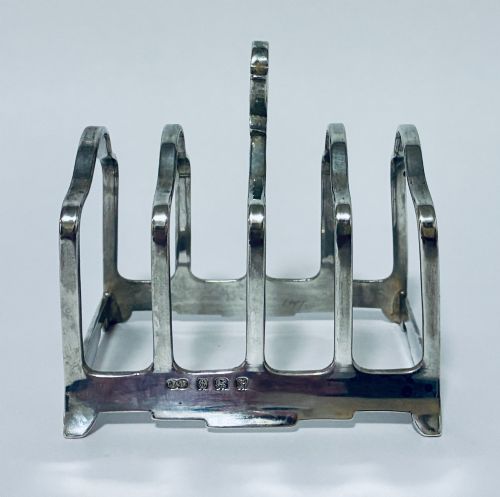
Makers employed both traditional hand-wrought techniques and emerging twentieth-century methods, producing items that range from smooth, polished surfaces to distinct hammered textures. Cast elements form structural details such as dolphin feet on shell-shaped salts or crest motifs on heavy ladles, while intricate piercing and engraving define sugar bowls, caddy spoons and posy vases. Hallmarks stamped directly into the metal record the assay office, date letter and maker's mark, anchoring each piece to its specific year of creation.
Antique Sterling Silver Tableware Retail Price Guide 2026
Typical asking prices for sterling silver tableware among the pieces listed under this phrase on Sellingantiques today, from the lower quarter to the upper quarter. They describe what is for sale here now, not the wider market.
Several pieces feature winged swan salt cellars and tiny silver owls holding dinner menus in their beaks, bringing whimsical creatures right to the dining table.
Assessing quality in silver tableware
Quality in these objects rests upon the heft of the metal and the crispness of the original detail rather than mere age or decorative flourish. Heavier pieces, such as substantial basting spoons and thick-walled casters, demonstrate a generous gauge of silver that resists bending during daily service. Finer items exhibit precise casting and chasing, where crests, floral motifs and animal figures retain sharp definition without smoothing from decades of polishing.
The integrity of secondary materials also distinguishes finer examples, such as unblemished coloured glass liners fitting snugly within pierced salt cellars and mustard pots. Original fitted cases lined in silk or velvet, complete with their matching spoons, elevate the completeness and historical preservation of sets like napkin rings and egg cruets. Maker attribution plays a significant role, as documented output from notable workshops commands greater interest among collectors.
Peter & Jonathan Bateman·Hester Bateman·Albert Edward Jones·Georg Jensen·Alfred Marston·Levi & Salaman
The Antique Sterling Silver Tableware Glossary
- Sterling silver
- A silver alloy consisting of 92.5 percent pure silver by weight and 7.5 percent other metals, usually copper, chosen to improve durability for tableware and cutlery. This standard composition is verified by official assay office hallmarks.
- Hallmark
- A series of stamped marks on silver objects indicating the purity standard, the assay office of origin, the date of manufacture and the specific maker. These small punches serve as the primary method for dating British silver.
- Caddy spoon
- A short-handled spoon specifically designed for measuring loose tea leaves from a storage caddy into a teapot. Examples often feature novelty handles or shell bowls.
- Cruet
- A small vessel or set of vessels designed to hold condiments, salt, pepper, oil or vinegar for the dining table. Multi-piece cruet frames often incorporate glass bottles and dedicated spoons.
- Fiddle pattern
- A nineteenth-century flatware style characterised by a slender stem that broadens gracefully towards the terminal into a shape resembling a violin. It remains a standard design across many Victorian serving spoons and ladles.
- Bone dish
- A small, crescent-shaped dish placed beside a dinner plate to receive fish bones or fruit stones. These pieces reflect the formal dining etiquette of the Victorian and Edwardian eras.
Antique Sterling Silver Tableware: Frequently Asked Questions
How do I clean antique silver tableware?
Clean silver gently using a dedicated microfibre cloth and specialised silver polish designed to remove tarnish without stripping the underlying metal. Avoid harsh abrasive cleaners or dipping solutions that can permanently damage delicate engravings and antique patinas.
Store pieces in dry environments away from direct sunlight, and utilise soft cloth rolls or fitted cases to prevent surface scratches between uses.
Can I use antique silver for daily dining?
Many antique silver items, including napkin rings, cream jugs and serving spoons, remain fully functional for modern dining and entertaining. Hand washing immediately after use prevents acidic foods from pitting the metal surface.
Avoid putting silver tableware in a dishwasher, as harsh detergents and high heat will ruin the finish, loosen fitted glass liners, and damage organic lining materials in presentation boxes.
What is a caster used for?
A caster is a small, tall shaker vessel historically used for dispensing powdered sugar or dry spices over food or drinks. Early examples feature pierced domed lids secured by a bayonet fitting or threaded collar.
By the eighteenth century, matched sets of casters formed an essential part of formal tables, often resting together on a silver frame known as a cruet stand.
How do I identify the date of my silver?
Locate the stamped hallmarks on the piece, which typically include a symbol for the silver standard, a town mark for the assay office, and an annual date letter. Reference books or online registry charts match the specific letter font and shield shape to a precise year.
Maker's initials or full names stamped alongside these marks help narrow down the active working period of the silversmith.
Why do some salts have glass liners?
Open salt cellars incorporated blue or clear glass liners to protect the reactive sterling silver from corrosive salts and moist condiments. Direct contact with certain foods caused pitting and staining on older silver alloys over time.
These removable liners allowed diners to empty and wash the vessel easily without submerging the decorative outer silver frame.