
Antique Sterling Silver Spoons
Antique sterling silver spoons bring tactile history to the table, forged from precious metal across centuries of changing tastes and dining customs.
Identifying antique sterling silver spoons
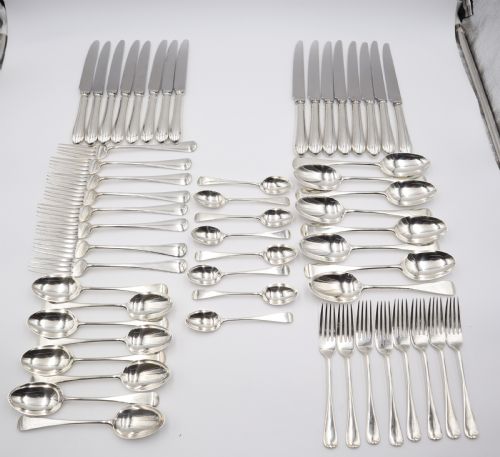
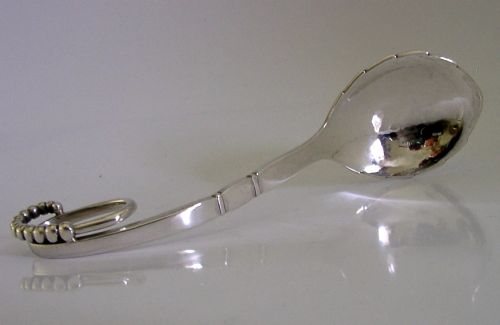
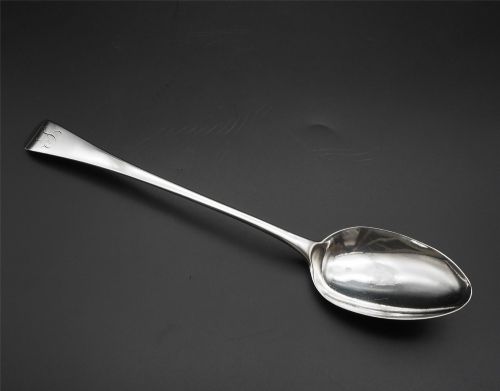
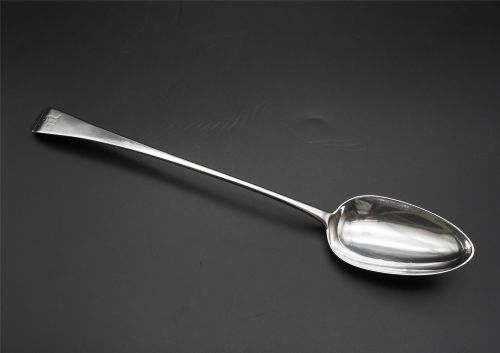
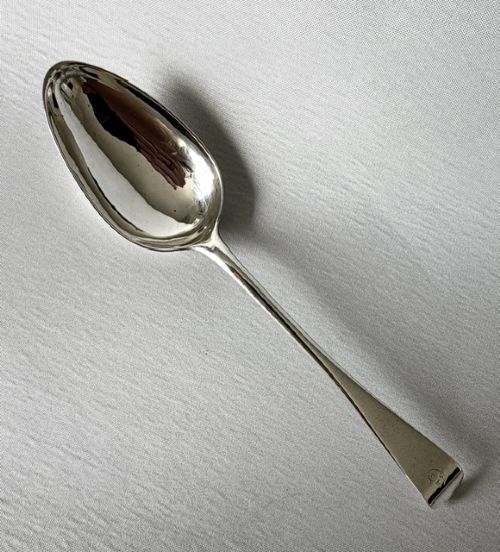
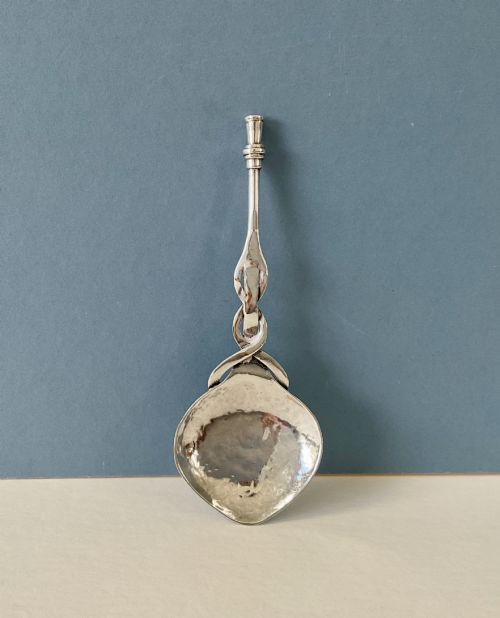
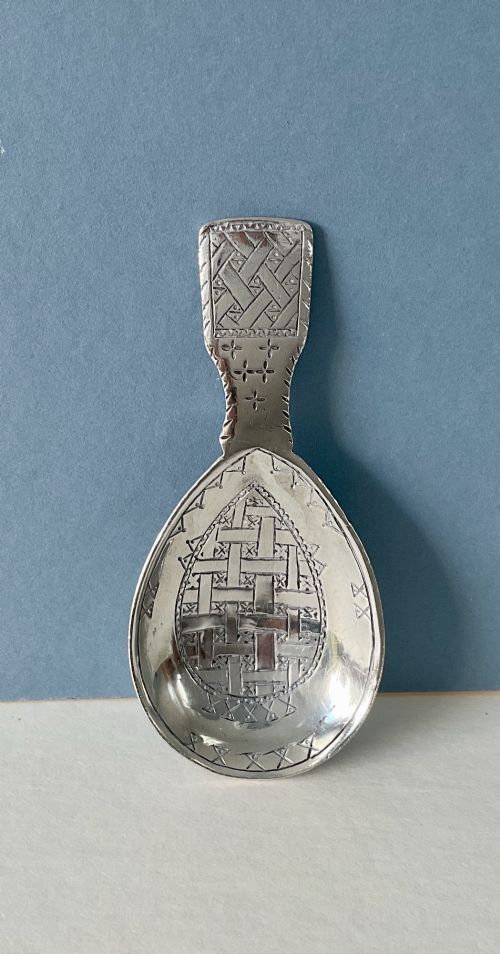
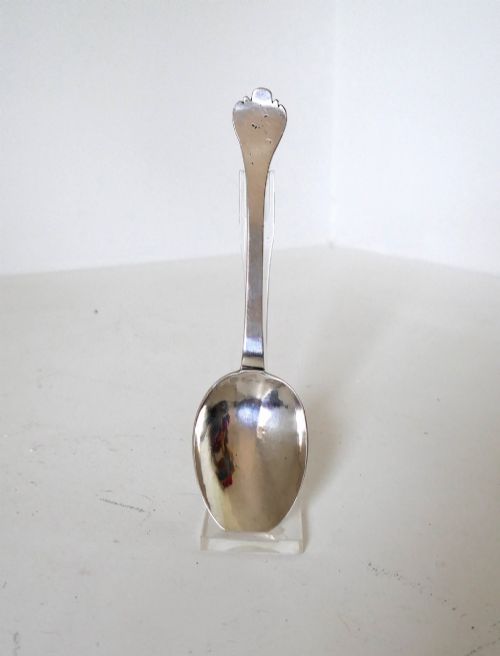
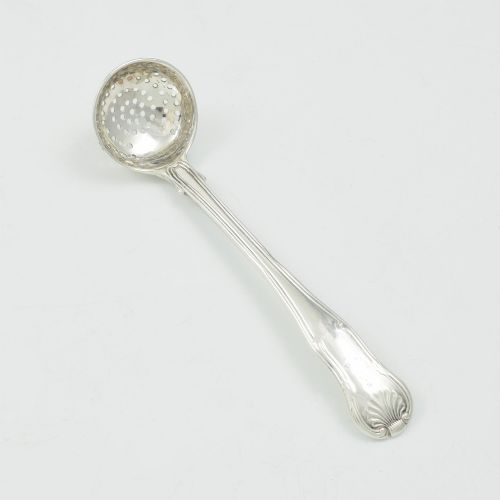
Antique sterling silver spoons encompass a diverse range of eating and serving implements, from small teaspoons and grapefruit spoons to large berry serving spoons. Buyers searching for antique sterling silver spoons will find individual pieces and cased sets spanning the Georgian, Victorian, and Edwardian eras.
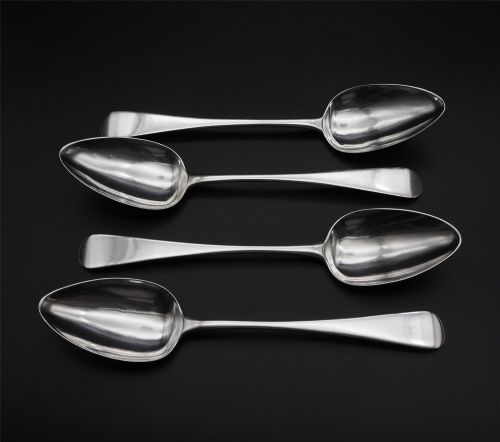
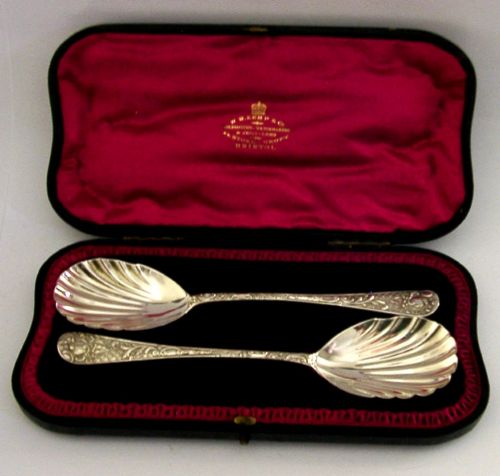
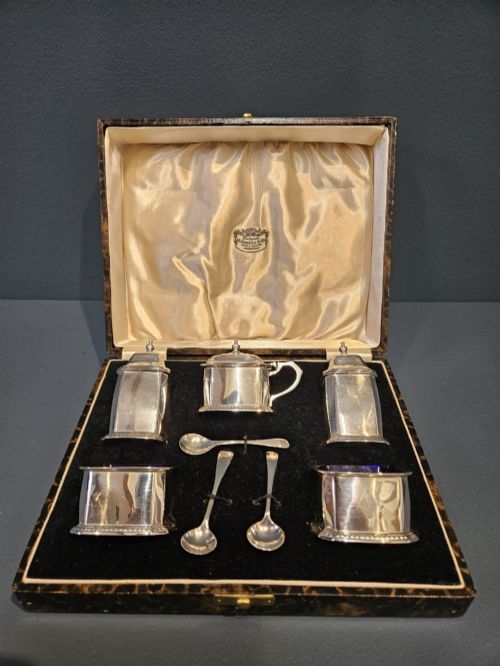
The archive records frequent appearances of matched pairs and sets, often nestled in velvet-lined presentation cases. Solo teaspoons from makers like the Bateman family sit alongside larger cased serving spoons ornamented with fruit, birds, or family crests.
Materials and methods
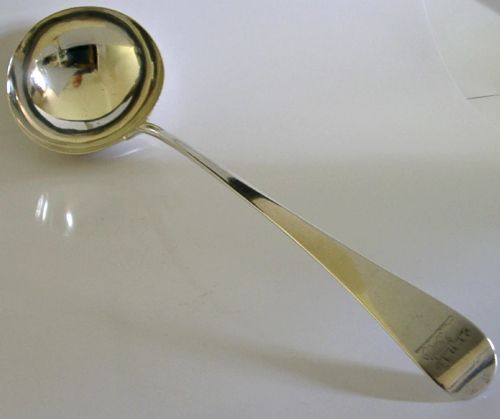
Silversmiths shaped these pieces from solid sterling silver, occasionally applying a layer of gold wash known as gilt to bowls and tines. Construction methods rely on traditional forging and hammering techniques, yielding substantial weights suited to frequent handling.
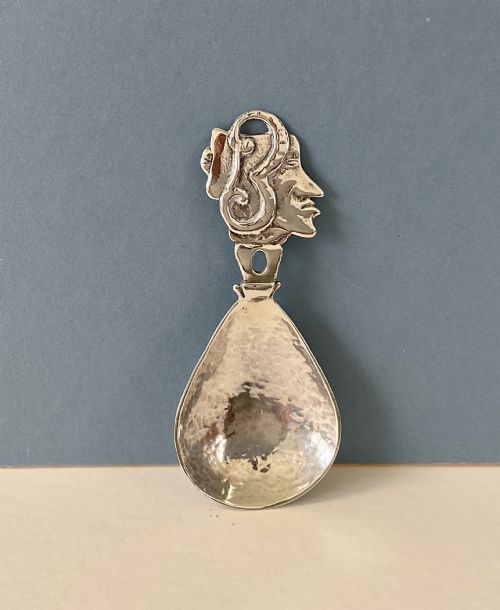
Decorative elements demonstrate specialist skills such as piercing, embossing, and enamel work. Surviving examples also incorporate fitted velvet presentation boxes lined with satin and silk.
Listings feature sterling silver pieces from the Georgian, Victorian, and Edwardian periods, including specialised berry and serving spoons.
Assessing craftsmanship and condition
Quality rests in the crispness of the chased decoration, particularly on berry spoons where fruit and foliage motifs are pressed into the silver bowl. Sharply defined crests, maker marks, and assay office stamps indicate superior workshop standards.
Substantial gauge metal prevents bowl bending and handle flexing during use. Complete original velvet-lined cases and matching sets elevate the desirability of a service over piecemeal survivals.
P A W Bateman·Walker & Hall·Liberty & Co·R Hennell
The Antique Sterling Silver Spoons Glossary
- Sterling silver
- A standard alloy consisting of 92.5 percent silver and 7.5 percent other metals, usually copper, chosen for durability.
- Berry spoon
- A large serving spoon featuring fruit and leaf decoration chased or embossed onto the bowl at a later date than manufacture.
- Gilt
- A thin layer of gold applied to the surface of the silver, creating a contrasting two-tone effect inside the bowl.
- Assay mark
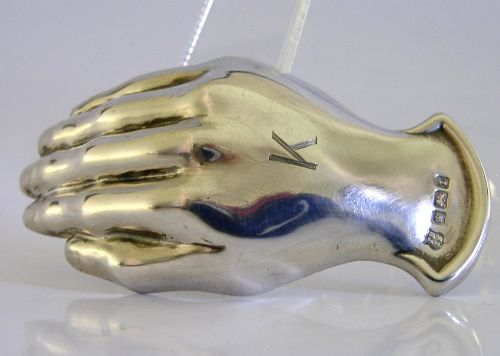
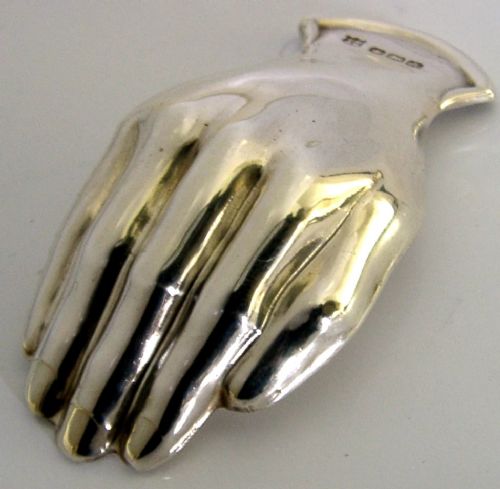
- Official stamps struck into the metal to certify its standard of purity by an authorised assay office.
- Cased set
- A matching group of utensils housed in a fitted presentation box, frequently lined with velvet or silk.
Frequently Asked Questions
How do I date antique spoons?
British silver bears a series of hallmarks that identify the maker, the town of assay, and a specific date letter corresponding to the year of testing. Comparing these stamped symbols against standard reference tables reveals the exact year of manufacture.
Additional clues come from the overall style of the handle, the shape of the bowl, and any engraved armorial crests which reflect the fashion of the period.
Can I use sterling silver spoons daily?
Sterling silver is durable enough for regular dining use, provided you wash the pieces by hand using mild soap and warm water. Avoid abrasive scourers and harsh chemical detergents that can scratch the polished surface.
Storing spoons in anti-tarnish rolls or velvet-lined cases prevents unnecessary surface wear and reduces the frequency of polishing required.
What is a berry spoon?
A berry spoon is a large serving implement featuring an embossed and chased bowl depicting fruit, flowers, and foliage. Many of these pieces were originally standard serving spoons created during the Georgian era and later decorated during the Victorian period.
The elaborate fruit designs make them visually distinct from plain table spoons and suitable for serving desserts or soft foods.
Why are some spoons gold washed?
Applying a gold wash, or gilt, to the interior of a spoon bowl protects the silver from tarnishing when in contact with acidic foods like citrus fruit or berries. This technique also adds a decorative contrast between the bright gold bowl and the white silver handle.
Gilt finishes appear frequently on grapefruit spoons, berry spoons, and ornate sugar sifters.