
Antique Sterling Silver Gift
An antique sterling silver gift brings craftsmanship from the Georgian, Victorian and twentieth-century periods to milestones and celebrations.
Antique Sterling Silver Gift
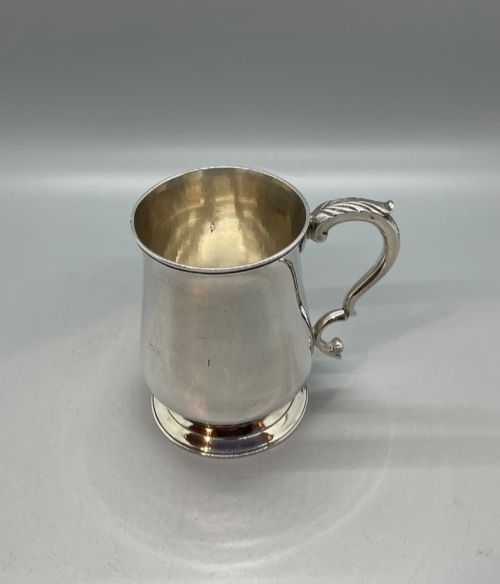
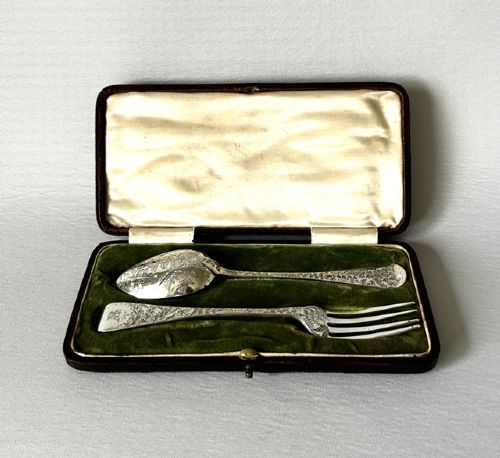
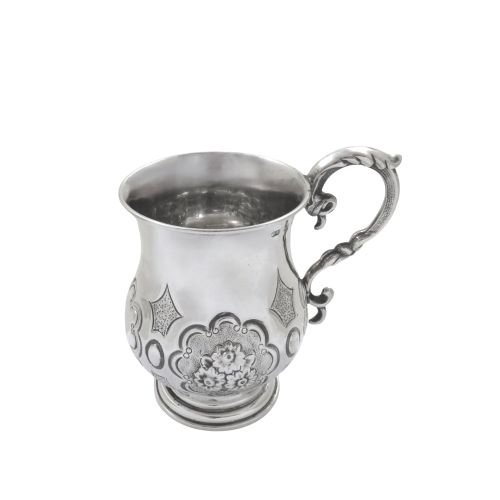
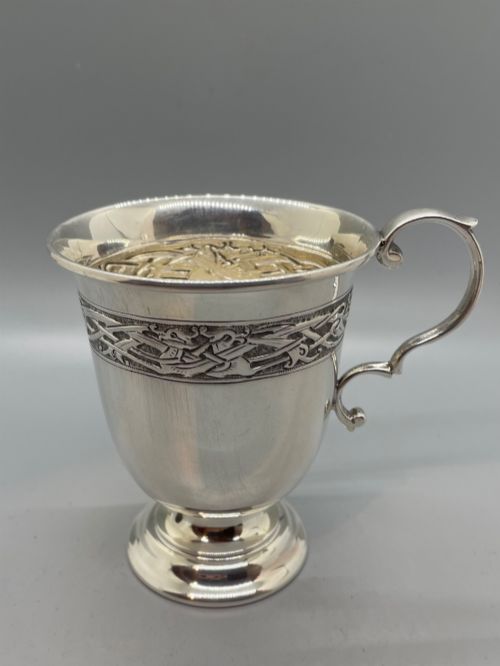
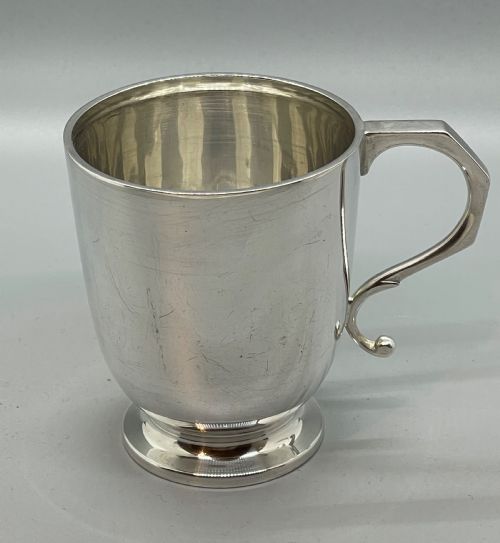
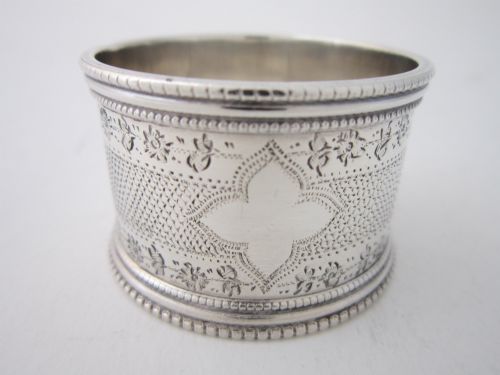
An antique sterling silver gift encompasses functional and decorative objects created for personal use, marked by eras spanning from the Georgian period through the Edwardian years to Mid-Century Modern designs. Buyers seeking a present for a significant occasion frequently encounter cased sets, christening mugs, napkin rings, and desk accessories.
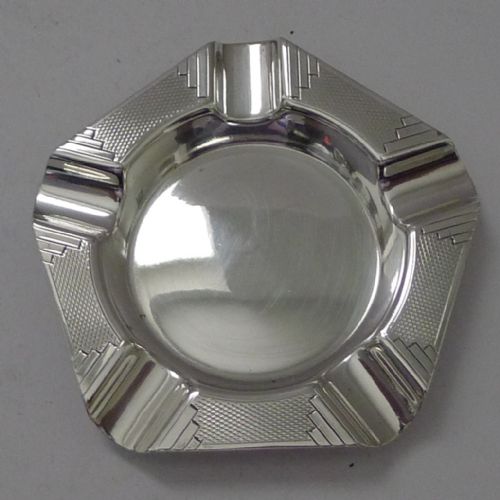
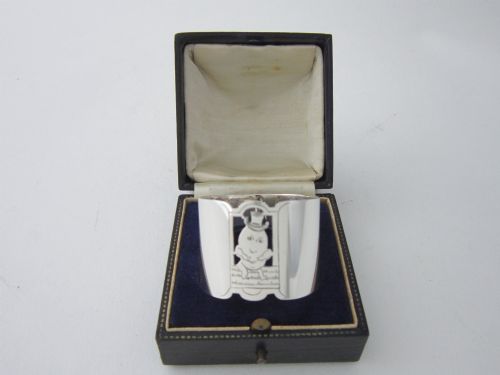
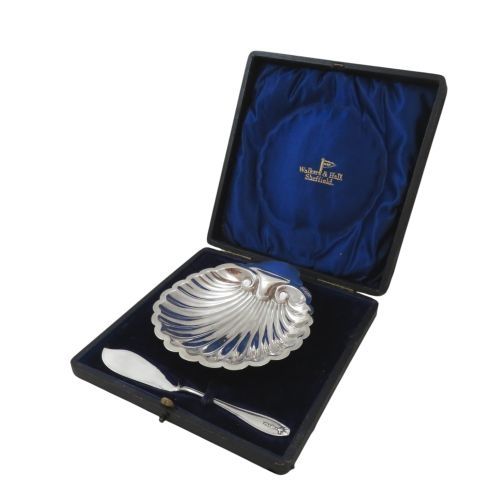
The selection ranges from Victorian christening sets and Edwardian prayer books to George V napkin rings and Art Deco ashtrays. These items reflect the social traditions of their respective eras, often preserved in original presentation boxes lined with velvet, silk, or satin.
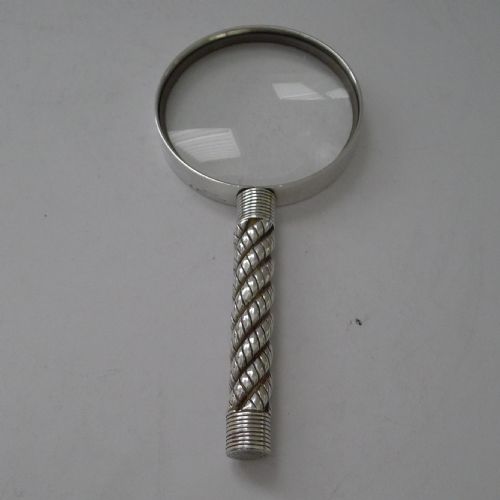
Specialist items such as vesta cases, magnifying glasses, string holders, and hip flasks demonstrate the diverse utility expected from silver objects in past centuries. Each piece combines practical application with durable metalwork intended for daily handling or display.
How they were made
Objects utilise sterling silver, sometimes enhanced with silver gilt or paired with enamel detailing. Interiors and presentation boxes incorporate supplementary textures including velvet, silk, leather, leatherette, and satin to protect the metal contents.
Manufacturing techniques combine hand-forging, casting, and repoussé or chased surface decoration, alongside precise engraving. Makers utilised fitted cases lined with textiles to present these items securely for formal giving.
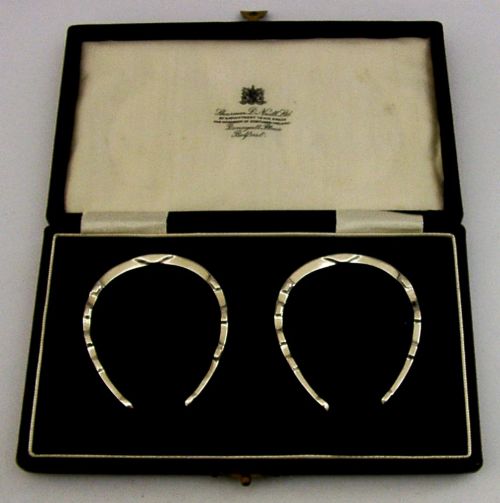
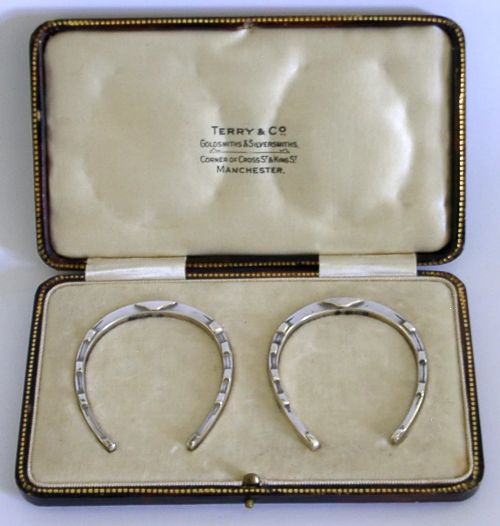
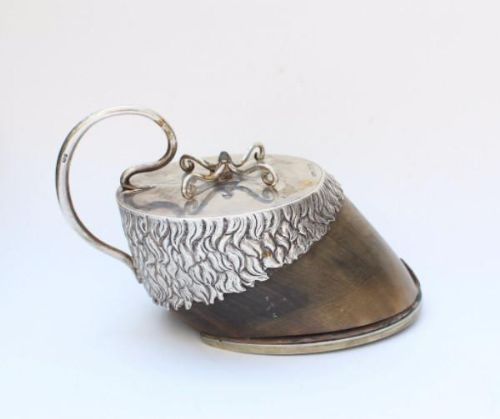
Object forms span practical desk accessories, napkin rings, christening mugs, and novelty items including horse hooves and rowing boats.
What varies in quality
Quality rests in the crispness of chased or engraved floral motifs, the weight and gauge of the sterling silver, and the structural integrity of hinges on boxes and flasks. Superior examples maintain clear hallmarks and undamaged decorative detailing.
The preservation of original fitted presentation cases lined with silk, velvet, or satin influences the overall character of the piece. Master craftsmanship is visible in the balanced proportions of christening mugs and the precise execution of novelty forms like horseshoe napkin rings or rowing boat dishes.
Hermes Paris·Walker And Hall·Wallace·R E Stone·C T Burrows And Sons·Tiffany And Co
The Antique Sterling Silver Gift Glossary
- Sterling silver
- A silver alloy containing 92.5 percent pure silver and 7.5 percent other metals, usually copper, ensuring durability for practical objects. This standard has been regulated for centuries through official hallmarking.
- Hallmark
- An official stamp applied to precious metals indicating the maker, the assay office, and the year of manufacture. These small marks allow collectors to trace the precise origin of an item.
- Christening mug
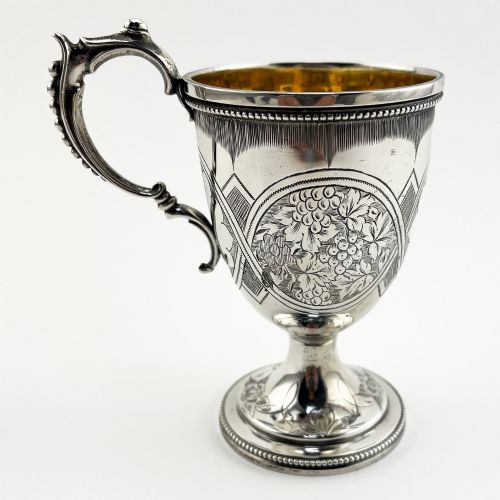
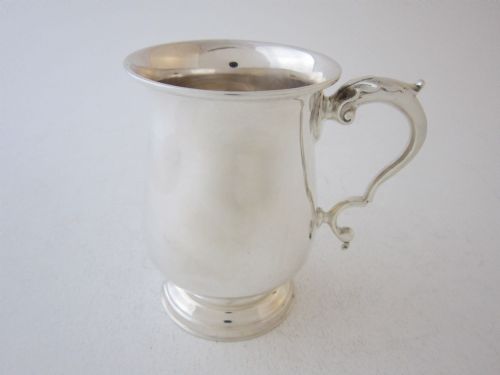
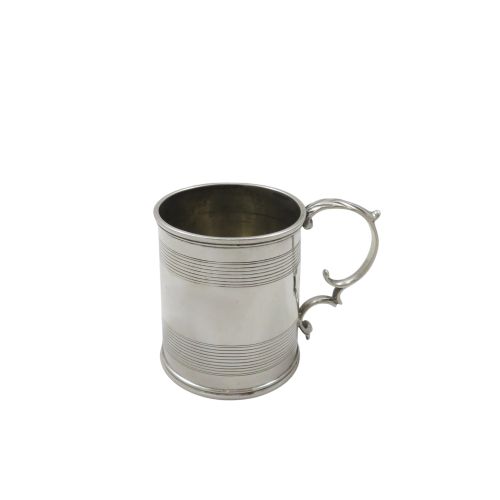
- A traditional drinking vessel presented to an infant to mark a baptism or birth. These pieces often feature repoussé floral engraving or plain polished surfaces.
- Vesta case
- A small pocket container designed to hold matches safely. Many examples from the late nineteenth and early twentieth centuries feature intricate surface decoration or novelty shapes.
- Silver gilt
- Sterling silver that has been coated with a thin layer of gold on the surface. This technique provides a contrasting two-tone appearance, frequently seen on the interior of mugs or bowls.
Antique Sterling Silver Gift: Frequently Asked Questions
What is an antique sterling silver gift?
An antique sterling silver gift comprises functional objects such as christening mugs, napkin rings, and cased cutlery sets produced during earlier eras. These items were originally presented for significant life events.
They combine precious metal craftsmanship with practical utility, reflecting the social customs and design styles of periods like the Victorian age and the twentieth century.
How were christening mugs used?
Christening mugs were traditionally given to newborns or infants to mark a baptism or naming ceremony. They served as lasting keepsakes rather than everyday tableware.
Over time, many families kept these silver mugs on display or stored them securely in their original fitted presentation boxes.
How do I identify the date of a silver item?
Dating silver relies on reading the official hallmarks stamped directly onto the metal surface by an assay office. These small marks include specific letter codes representing the year of manufacture.
Comparing the style, form, and maker's mark alongside the official hallmarks provides an accurate period for the object.
Why do some items come in fitted cases?
Fitted cases were produced to protect delicate silver items and present them appropriately as gifts. The interiors typically feature moulded recesses lined with velvet, satin, or silk.
Survival of the original box indicates that the item was treasured and preserved carefully since its manufacture.