

Antique Sterling Set
An antique sterling set gathers matched or paired silver pieces into fitted cases, vanity tables and dining rooms.
Antique Sterling Set
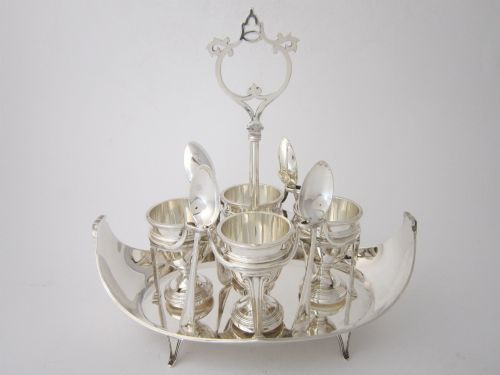
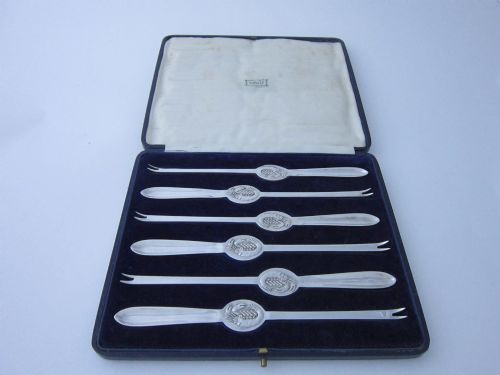
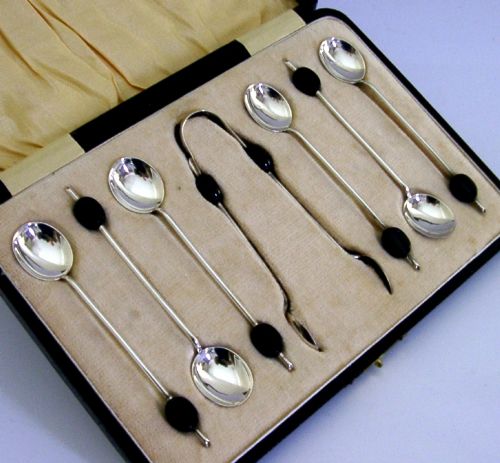
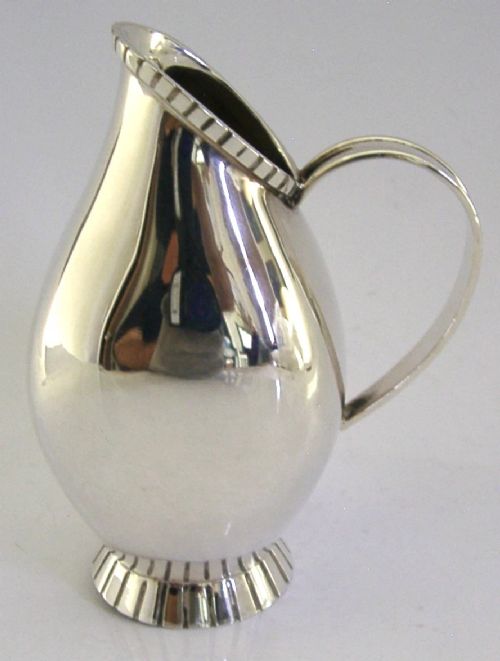
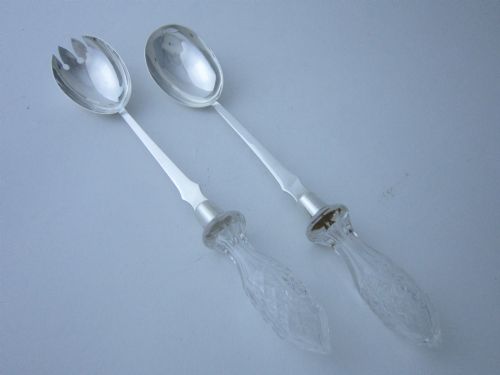
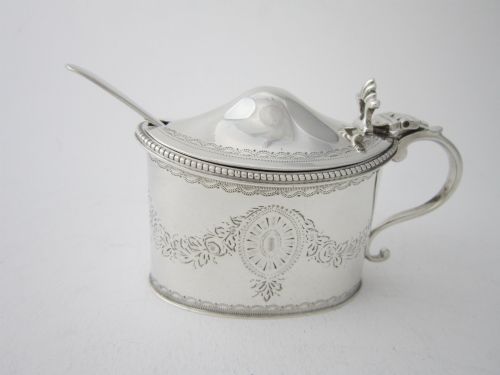
An antique sterling set comprises multiple pieces of silverware designed to function together, ranging from dining table cruets and cutlery canteens to vanity sets and cased apostle spoons.
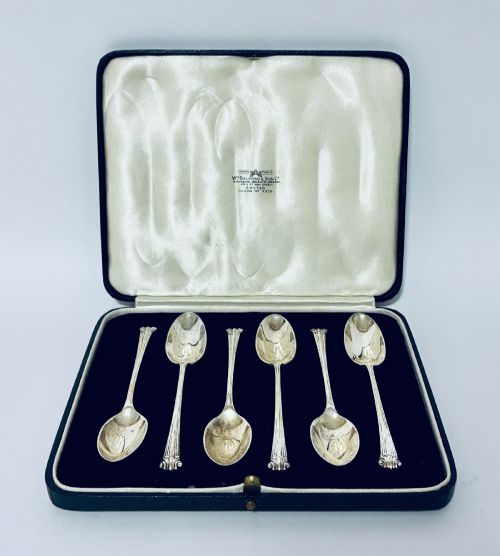
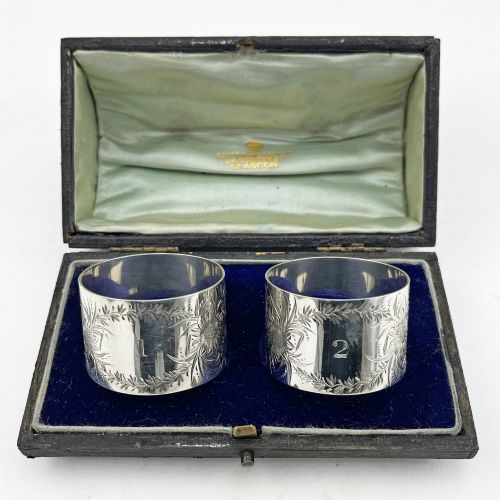
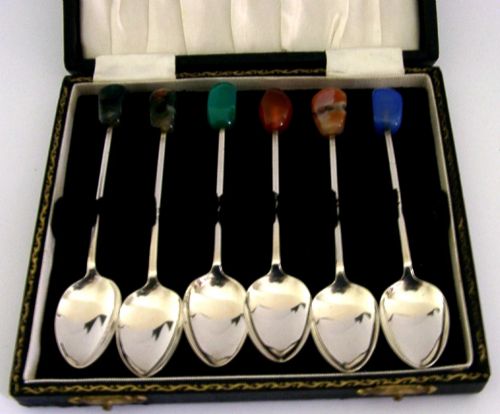
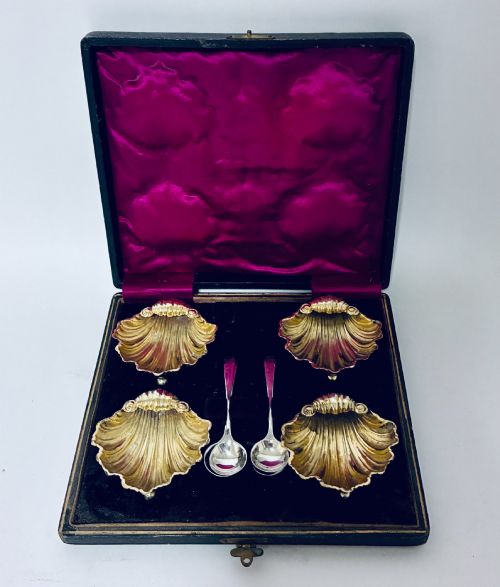
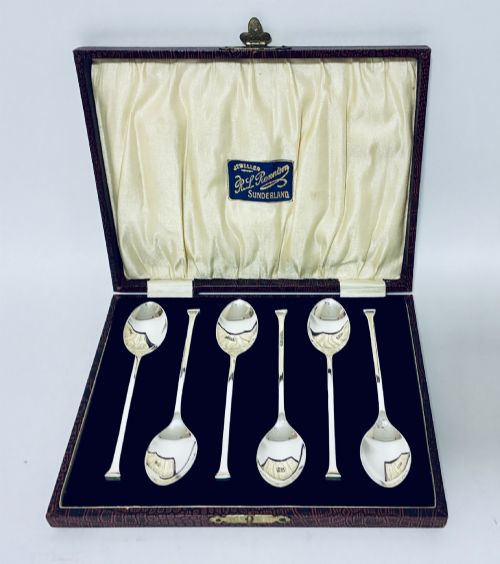
The most frequently encountered versions on this page are cased sets of spoons, napkin rings and salt cellars spanning the Victorian, Edwardian and Art Deco periods.
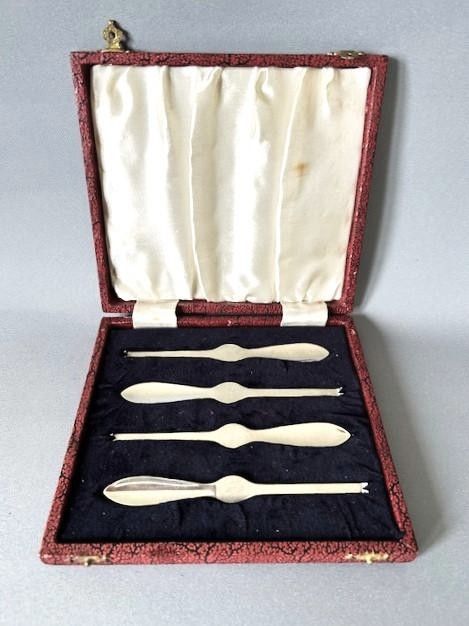
Sets often survive within original fitted cases lined in velvet, silk or satin, sometimes accompanied by leatherette outer boxes.
Materials and construction
Silversmiths formed these objects from solid sterling silver using techniques like stamping, casting and hand-beating, often incorporating gilt finishes known as silver-gilt.
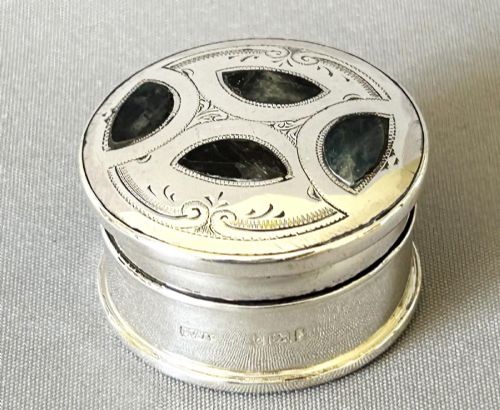
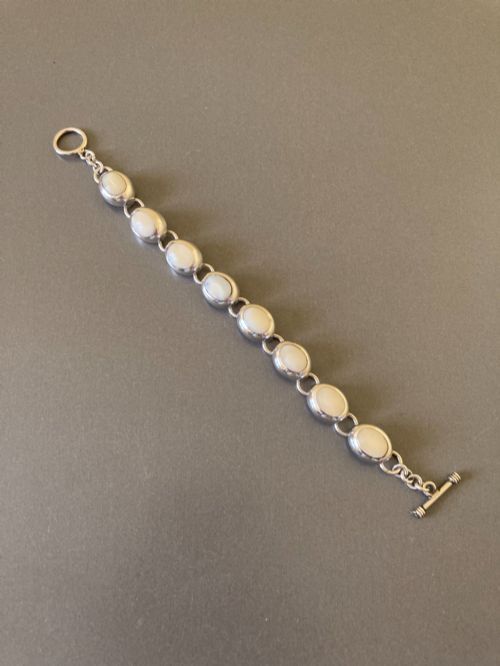
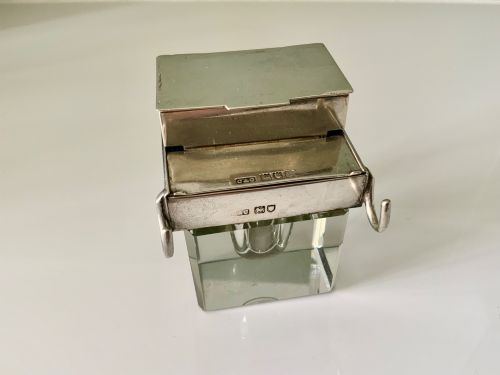
Many sets integrate mixed media such as glass liners for salt cellars, mother of pearl for dessert knife handles, and faux tortoiseshell or enamel for vanity pieces.
Antique Sterling Set Retail Price Guide 2026
Typical asking prices for sterling set among the pieces listed under this phrase on Sellingantiques today, from the lower quarter to the upper quarter. They describe what is for sale here now, not the wider market.
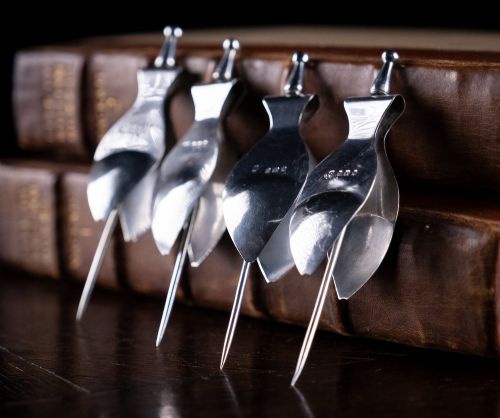
Look out for sterling silver lemon wedge squeezers shaped like tiny mechanical hands designed to keep fingers citrus-free at the dinner table.
Distinctions in quality
Quality rests upon the crispness of the silversmith's chasing and engraving, particularly on figural place card holders, menu markers and ornate cutlery handles.
The integrity of the original fitted case and the completeness of all matched elements within a multi-piece service elevate the standing of a set.
Josiah Williams & Co·Sampson Mordan·William Comyns & Sons·Asprey·Deakin & Francis·Georg Jensen·Richard Comyns
The Antique Sterling Set Glossary
- Sterling silver
- A silver alloy containing 92.5 percent pure silver by mass and 7.5 percent other metals, usually copper. This standard alloy provides the durability required for functional items like cutlery and cruet sets.
- Canteen
- A fitted box or chest designed to hold a complete set of cutlery or flatware. These cabinets keep dining services organised and protected from tarnish.
- Cruet set
- A matched group of small bottles, jars, or open cellars for holding condiments, vinegar, oil, salt and pepper at the dining table. They frequently sit upon a dedicated silver stand.
- Silver-gilt
- Silver objects that have been coated with a thin layer of gold on their surfaces. This technique gives the metal a warm golden appearance while maintaining a solid silver structure underneath.
- Etui
- A small decorative case used for holding needles, cosmetics, or sewing implements. These portable containers often appear within Victorian and Edwardian vanity sets.
Antique Sterling Set: Frequently Asked Questions
How were cased spoon sets used?
Cased spoon sets, such as apostle spoons or coffee spoons, were traditionally kept for formal tea services and dessert courses. They were presented in velvet or silk-lined boxes for special occasions.
Guests would use individual spoons for specific courses rather than general dining utensils.
What are salt cellars with glass liners?
Salt cellars are small open vessels placed on the dining table before domestic salt shakers became common. The removable glass liners protected the sterling silver from corrosion caused by salt.
Matched spoons usually accompanied these cellars to transfer the salt to individual plates.
How do I identify an Edwardian silver set?
Edwardian silver sets date from the reign of King Edward VII between 1901 and 1910, often displaying hallmarks corresponding to these years alongside styles influenced by Art Nouveau.
They frequently feature lighter, more decorative motifs than heavy Victorian designs.
Are canteen sets meant for daily use?
Canteen sets containing forks, spoons and knives were designed for formal dining rooms and large household gatherings. Many families preserved them strictly for holiday meals and entertaining guests.
Today, collectors use them to set period dining tables or display complete silver services.