
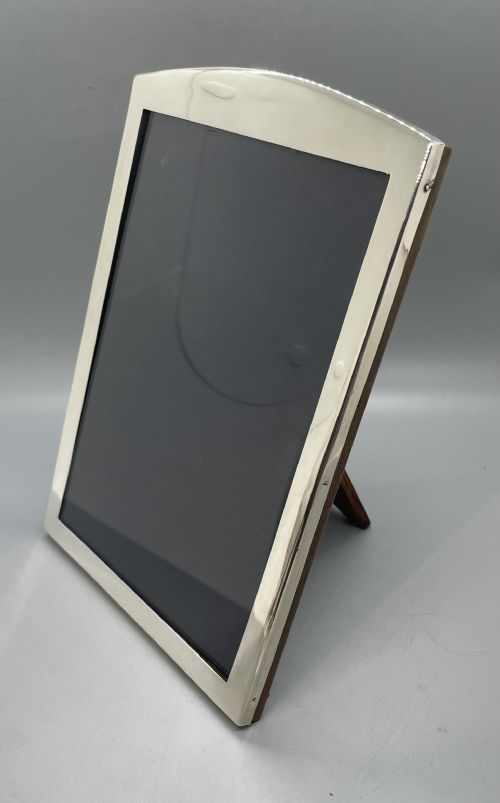
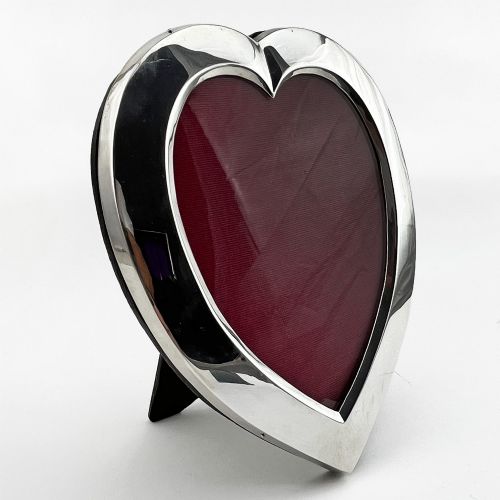
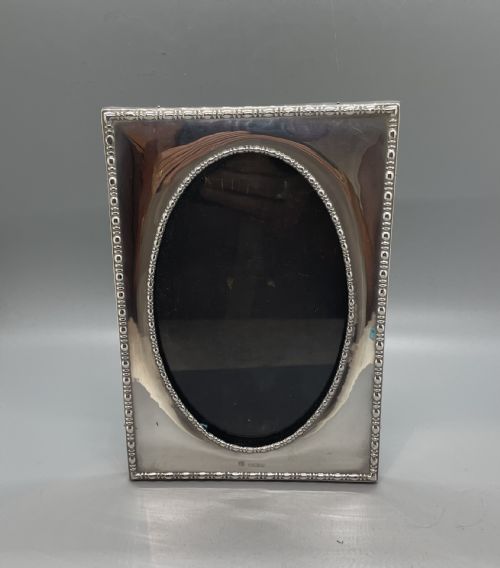
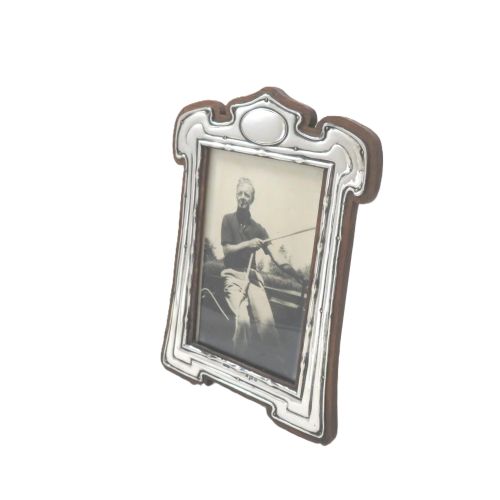

Antique Sterling Portrait Frame
An antique sterling portrait frame brings lasting elegance to a desk or mantelpiece, housing cherished photographs within precious metal.
Antique Sterling Portrait Frame
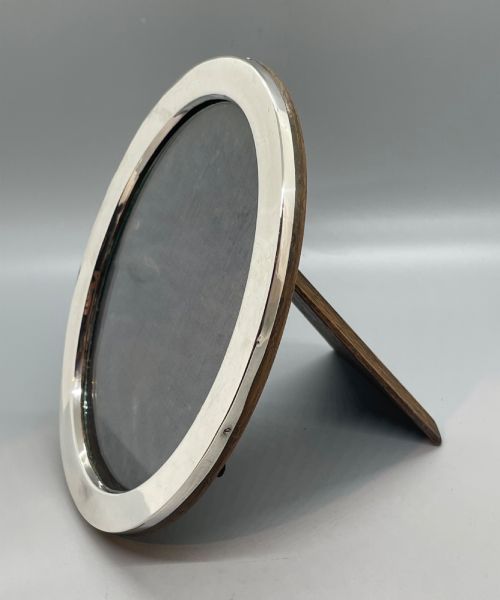
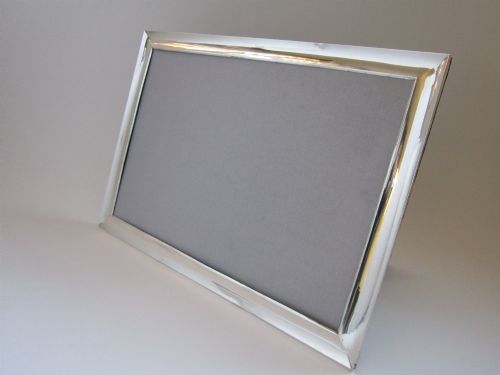
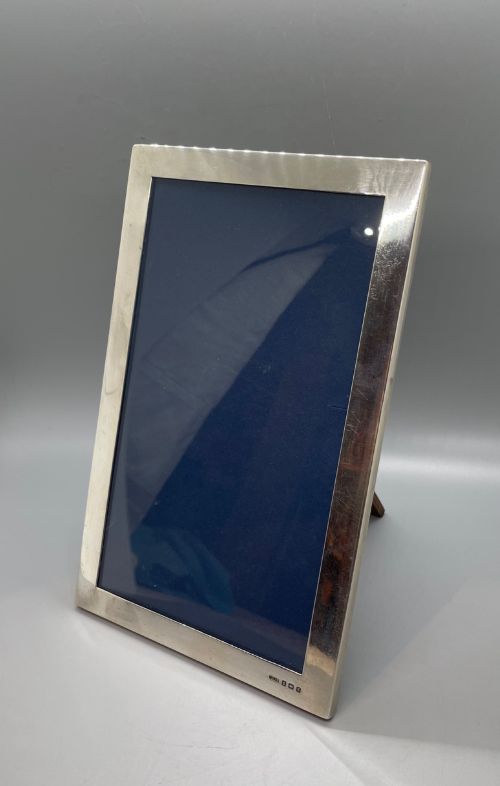
Most items on this page originate from British workshops, spanning town markers like Birmingham and Sheffield, alongside occasional pieces from broader European origins. Sizes range from compact table frames to large display pieces measuring over a foot in height. The structural variety encompasses rectangular, oval, round, and landscape orientations suited to different display spaces.
How they were made
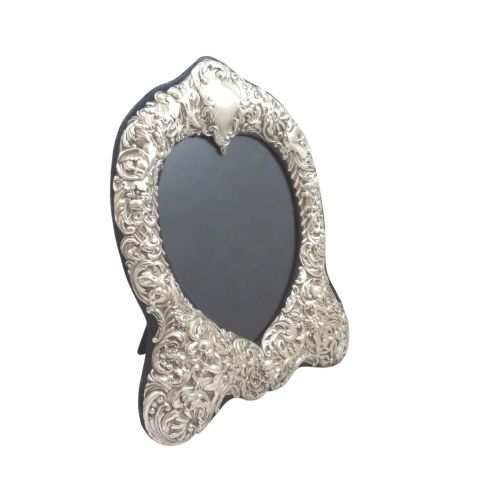
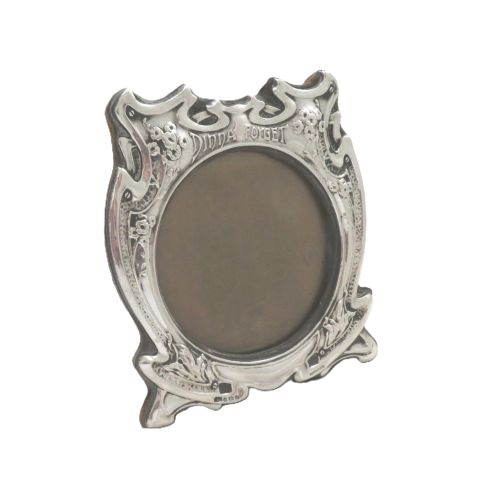
Makers constructed each antique sterling portrait frame using solid sterling silver for the visible front decoration, supported behind by wooden backings covered in velvet or fabric. Silversmiths utilised techniques such as embossing to create raised floral borders, alongside engine-turning for precise geometric patterns on the metal surface.
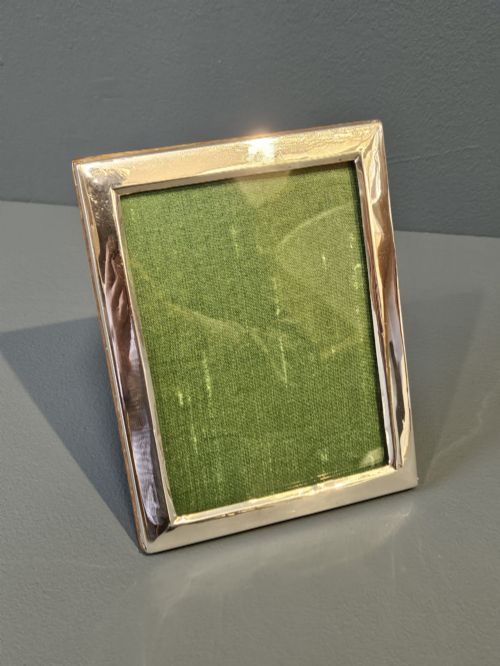
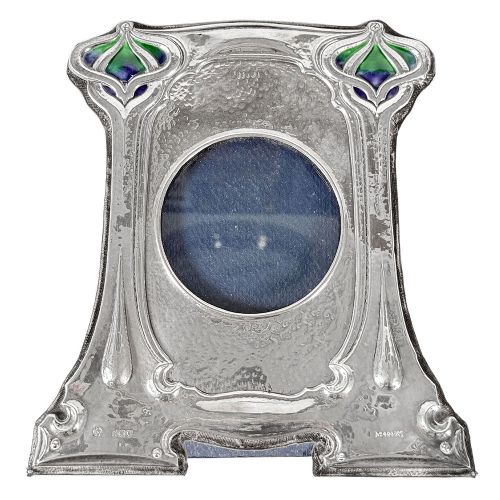
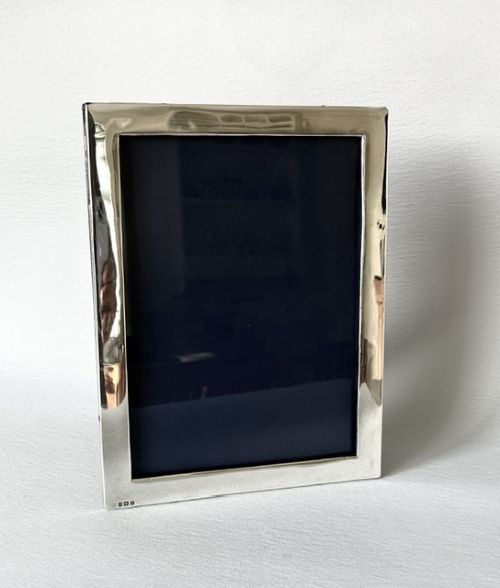
Certain workshop pieces integrate enamel panels alongside the silver structure, while others maintain a plain border to highlight the metallic sheen. Structural integrity relied on hardwood struts and fabric-lined supports secured to the rear of the silver mounts.
Materials commonly paired with sterling silver in these listings include velvet, hardwood, glass, and occasional enamel accents.
What varies in quality
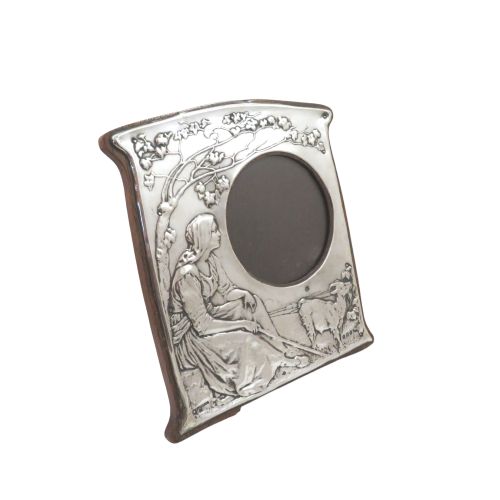
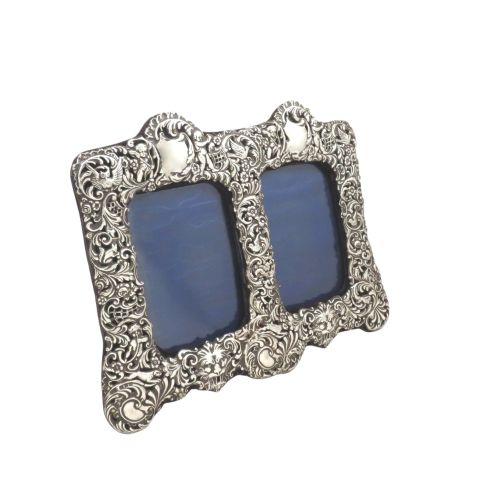
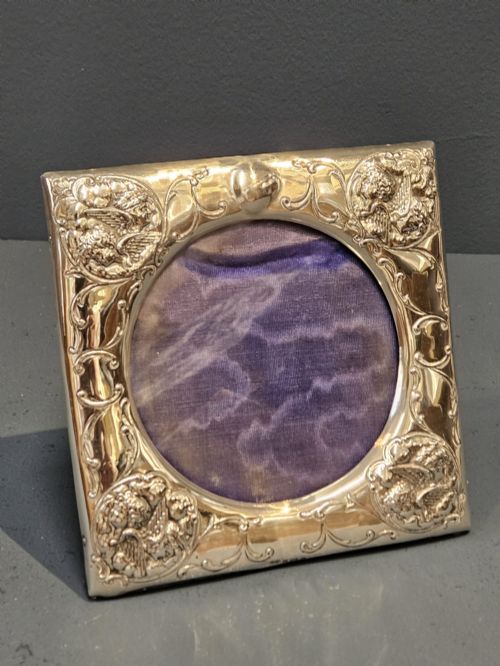
The standard of an antique sterling portrait frame rests on the clarity and depth of its embossed decoration and the crispness of the silversmith's hallmarks. Pieces featuring intricate Art Nouveau motifs like figures, butterflies, or Reynolds angels display higher artistic ambition than plain borders.
Material composition also dictates distinction, with solid timber backs and thick velvet linings representing superior craftsmanship compared to basic card or light fabric supports. The complexity of the frame shape, such as unusual heart silhouettes or double-hinged formats, elevates the execution.
William Comyns·William Hutton and sons·W.I.Broadway and Co
The Antique Sterling Portrait Frame Glossary
- Sterling silver
- A standard alloy of silver comprising ninety-two point five percent pure silver and seven point five percent other metals, usually copper. This composition provides the durability required for decorative household objects.
- Hallmark
- An official stamp applied by an assay office indicating the purity of the metal, the maker, and the year of production. British pieces typically show stamps from cities like Birmingham or Sheffield.
- Engine-turned
- A decorative technique involving a machine that etches precise, intricate geometric patterns into the metal surface. This method creates a textured background that catches the light.
- Embossing
- A metalsmithing process where a design is hammered or pressed from the reverse side to raise it in relief. Victorian and Edwardian makers applied this to render floral borders and pictorial scenes.
- Strut
- A hinged support attached to the rear of the frame allowing it to stand upright on a flat surface. These are commonly covered in velvet or fabric to match the backing board.
Antique Sterling Portrait Frame: Frequently Asked Questions
How do I date my frame?
Dating relies heavily on the assay office hallmarks stamped directly onto the sterling silver border, which indicate the exact year of testing.
Stylistic indicators such as embossed floral motifs or flowing Art Nouveau lines also point toward specific decades like the Edwardian era.
Can these hold modern photographs?
Most antique sterling portrait frames accommodate standard paper sizes or allow photographs to be trimmed to fit the internal aperture.
Care should be taken when opening the original wooden backings and fabric struts to avoid damaging fragile vintage components.
How should I clean the silver?
Cleaning requires a soft microfiber cloth and a mild silver polish formulated to protect delicate embossed details and enamel work.
Harsh chemical dips must be avoided to prevent stripping the natural aged patina and harming the underlying velvet or wooden backing.
Were these always meant for desks?
These decorative objects served primarily as portable or stationary portrait displays for bourgeois and aristocratic interiors during the late nineteenth and early twentieth centuries.
Many featured folding double designs intended for travel as well as permanent placement on mantelpieces and writing tables.