




Vintage Silver Photograph Holder
A vintage silver photograph holder brings desk and mantel display into focus with distinct period craftsmanship.
Vintage Silver Photograph Holder
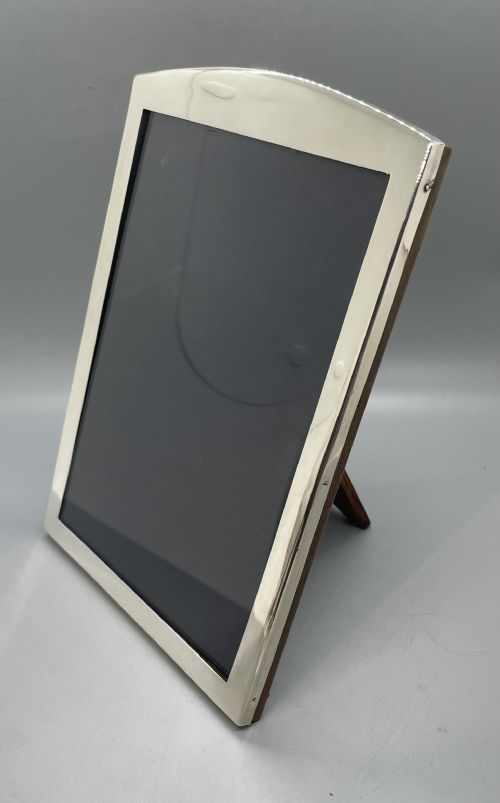
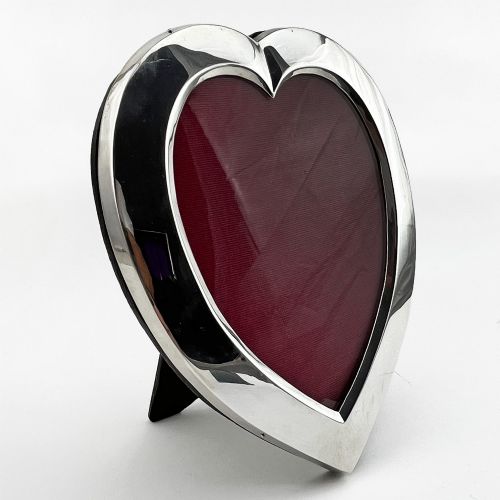
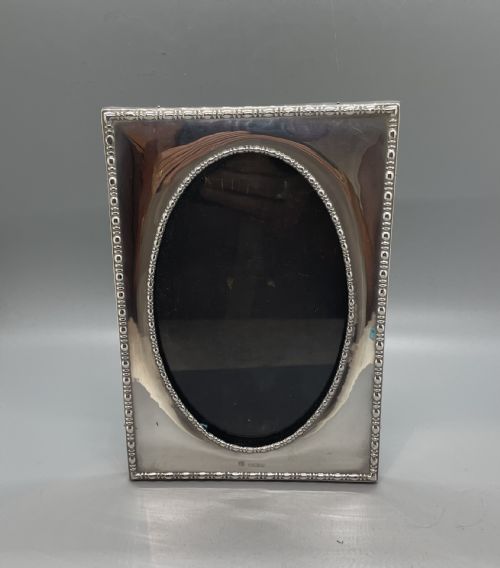
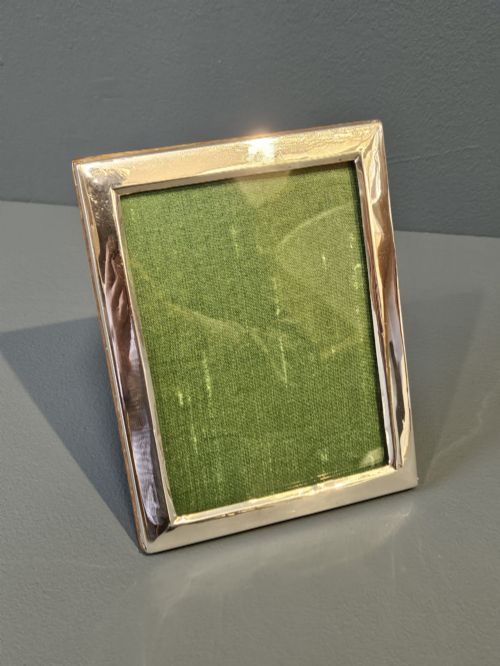
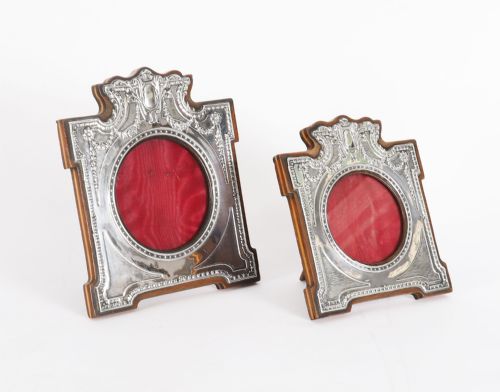
A vintage silver photograph holder encompasses picture frames and photo frames produced across various early twentieth-century decades. The pieces gathered here showcase styles ranging from Victorian and Edwardian to Art Nouveau and Art Deco.
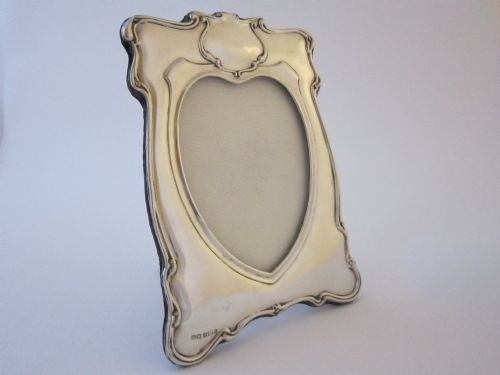
Buyers most frequently encounter George V and Edwardian examples fashioned in sterling silver or silver plate. These items include rectangular formats, heart shapes, double frames and oval designs originating from English and continental workshops.
Materials and Construction Methods
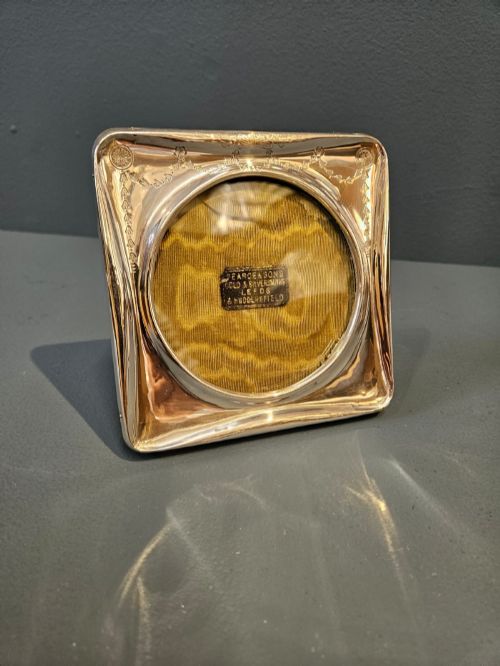
Silversmiths utilised sterling silver or silver plating over base metals, shaping sheets through embossing, engraving and engine-turning. Many frames incorporate wooden backs covered with velvet or fabric to support the structure.
Makers integrated glass glazing to protect the photograph behind the silver border. Structural elements often rely on easel stands fixed to hardwood or fabric-backed panels.
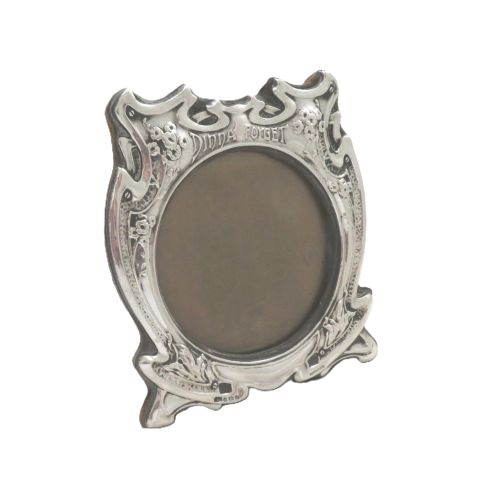
One Edwardian frame bears the specific inscription Dinna Forget, preserving a sentimental Victorian sentiment in solid silver.
Factors Distinguishing Quality
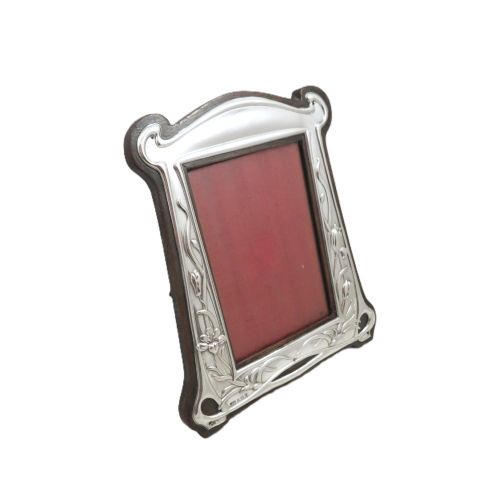
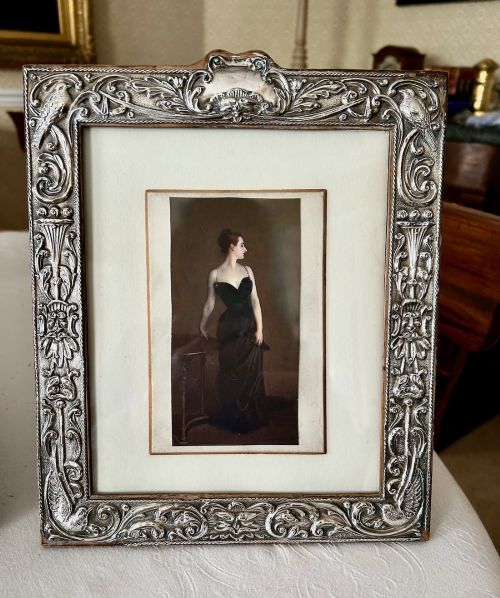
The refinement of surface decoration separates standard examples from superior pieces. Crisp hand-chasing, intricate floral embossing and precise engine-turned patterns demonstrate greater workshop skill than plain or lightly stamped alternatives.
The weight and gauge of the silver metal used for the front plate influence durability and substance. Superior construction also extends to the integrity of the backing materials, hinges and easel supports.
William Comyns·Mappin Bros·Hardy Brothers·Emile Langlois
The Vintage Silver Photograph Holder Glossary
- Sterling silver
- An alloy containing ninety-two point five per cent silver and seven point five per cent other metals, typically copper. This standard composition is widely used across British frames.
- Engine-turned
- A geometric pattern of fine lines mechanically engraved into metal surfaces. This technique adds texture and reduces glare on silver frames.
- Embossing
- A process of raising a design in relief against a background using punches and hammers. Edwardian makers frequently applied this method to floral motifs.
- Silver plate
- A layer of silver bonded to a base metal core. This method offered a durable finish at a lower cost than solid sterling pieces.
- Easel back
- A hinged support strut attached to the reverse of a frame. It allows the item to stand upright on a desk or mantelpiece.
Vintage Silver Photograph Holder: Frequently Asked Questions
How do I date a silver photograph holder?
Assay office marks, date letters and maker's stamps provide the primary evidence for dating British silver items. Comparing the decorative style, such as Art Nouveau curves or Art Deco geometric lines, supports the hallmark analysis.
Provincial assay offices like Birmingham and Sheffield used specific letter stamp cycles alongside standard lion passant marks. These hallmarks reveal the exact year of manufacture.
Were these frames meant for desks or walls?
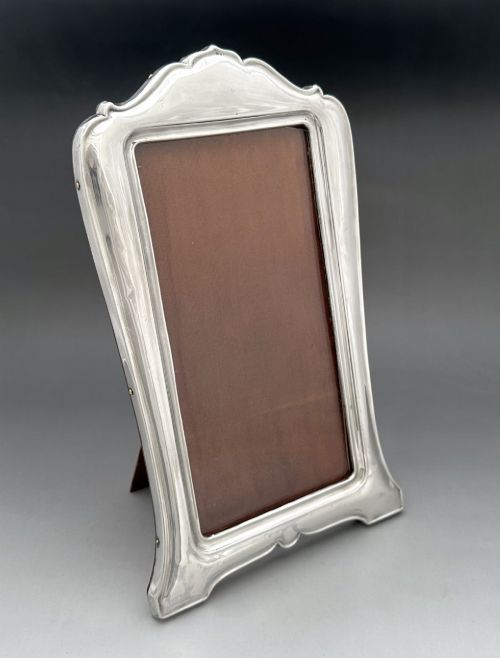
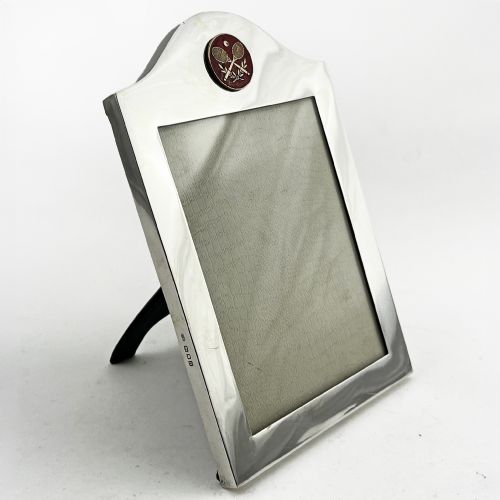
The presence of an easel back indicates that these holders were designed primarily for standing on flat surfaces such as desks, tables or mantelpieces. Some examples feature integrated loops or rings to allow hanging.
Domestic interiors of the Edwardian and George V periods favoured desk displays for family portraits. The easel mechanism remains the standard support found on these pieces.
How should I clean silver photo frames?
Gentle cleaning with a soft microfibre cloth and specialised silver polish maintains the metal surface without removing fine details. Care must be taken around embossed areas and glass panels to avoid residue buildup.
Harsh chemical dips should be avoided, particularly on pieces with velvet or fabric backings that can suffer water damage. Regular dusting preserves the aged patina.
What glass is typically used in these frames?
Period frames generally contain thin, clear window glass cut to fit the specific rebate behind the silver bezel. Some replacement panes occur due to breakage over the decades of use.
Original glass often shows minor surface bubbles or imperfections consistent with early glass manufacturing methods. Securing glass requires original retaining clips or pins.