

Hallmarked Sterling Photo Frame
A hallmarked sterling photo frame brings period character to a desk or mantel, crafted from solid silver with glass and wooden supports.
Hallmarked Sterling Photo Frame
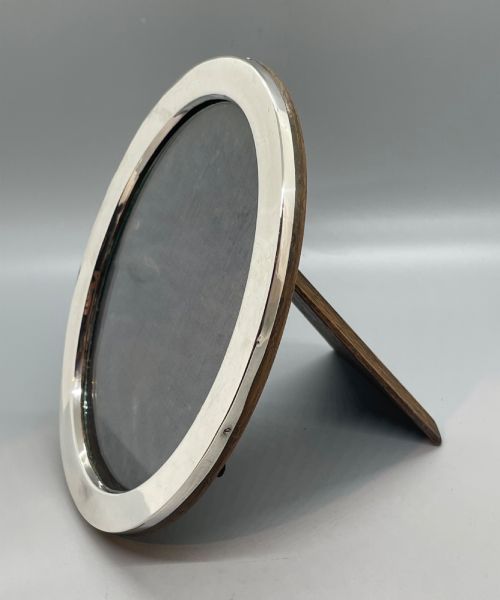
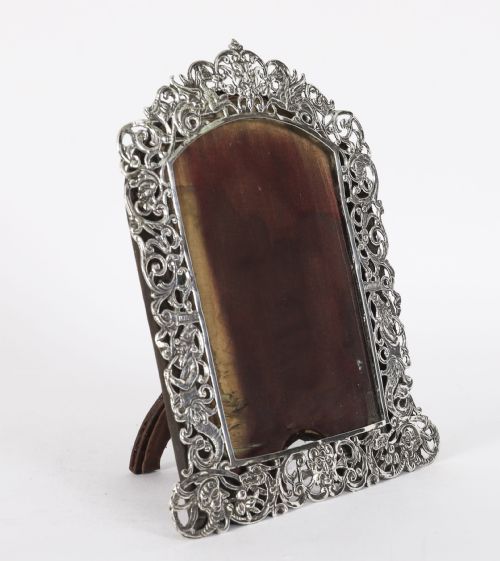
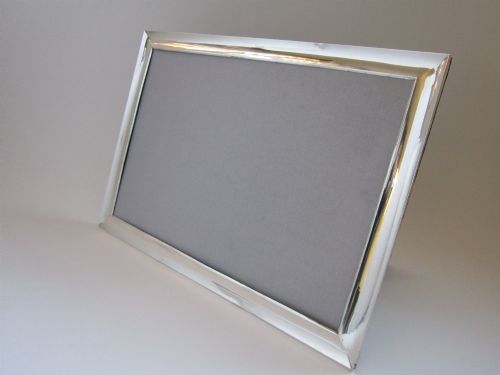
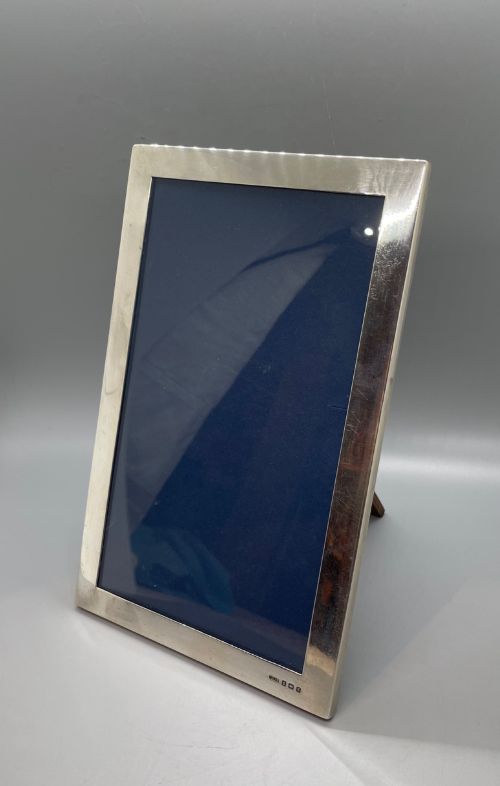
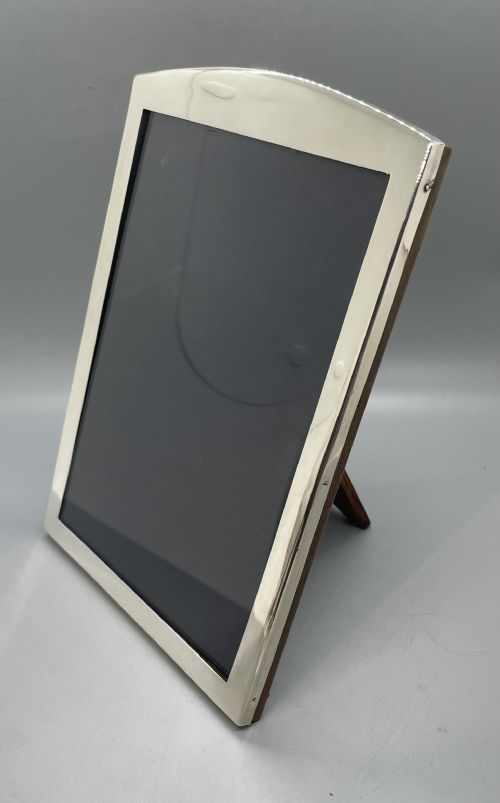
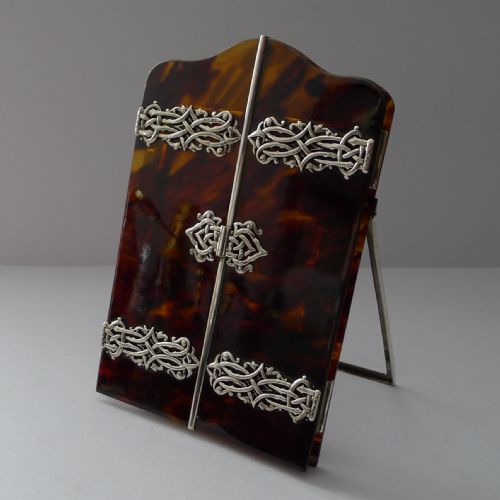
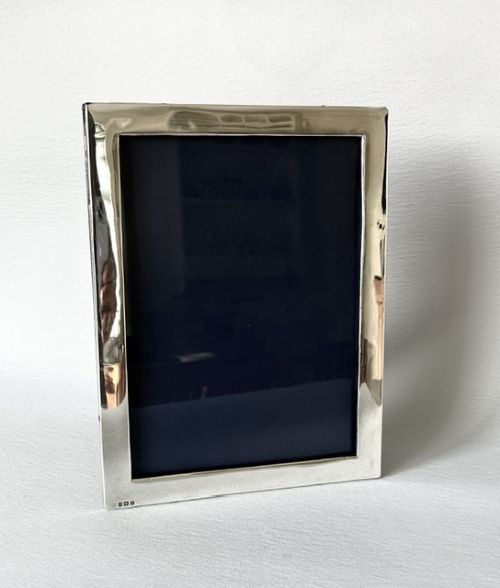
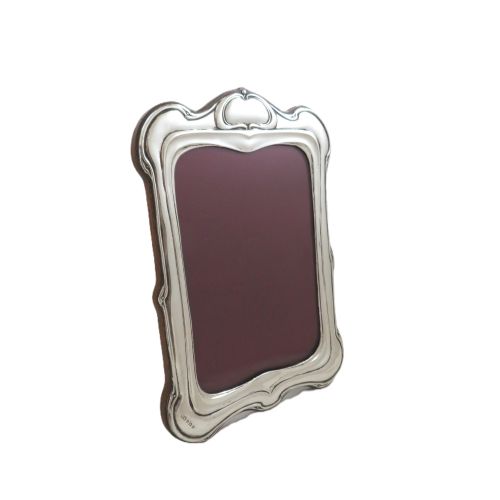
When you search for a hallmarked sterling photo frame, you encounter solid silver picture holders designed to display portrait and landscape photographs on surfaces or walls. These objects date from the Victorian, Edwardian, and George V periods, spanning the late nineteenth and early twentieth centuries.
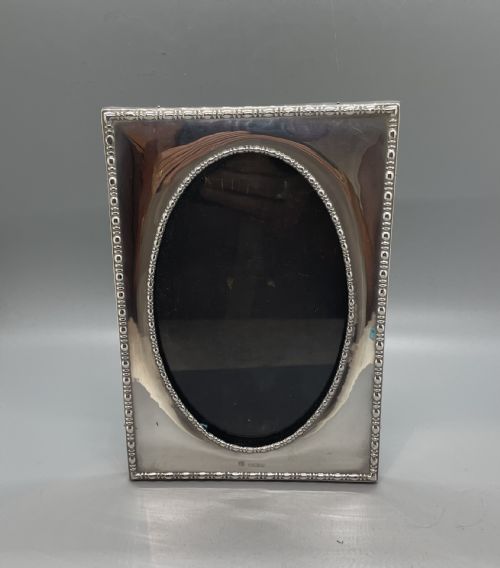
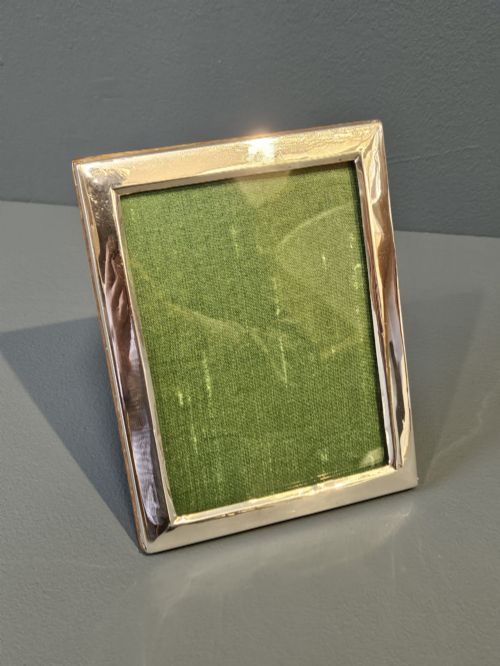
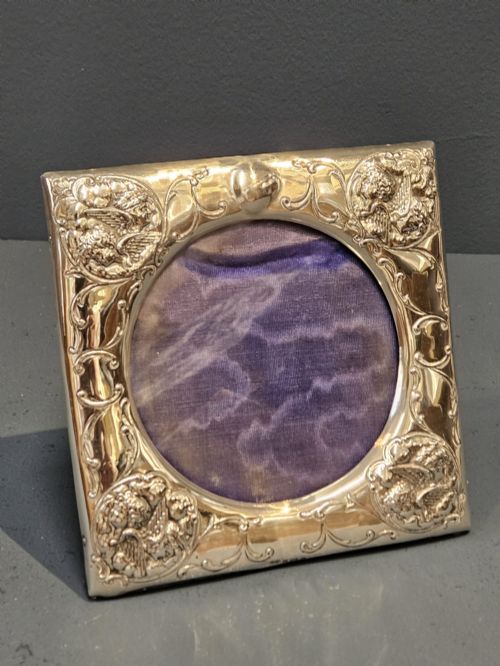
The version most commonly met on this page is the Edwardian or George V rectangular frame, often featuring embossed floral borders, plain edges, or easel backs. Makers utilised sterling silver alongside materials such as wood, velvet, glass, fabric, oak, and leather to construct these functional pieces.
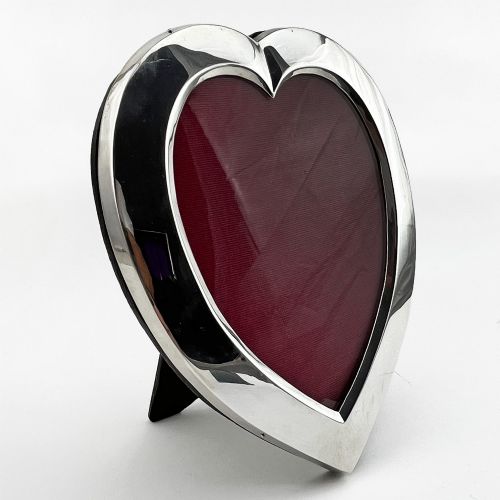
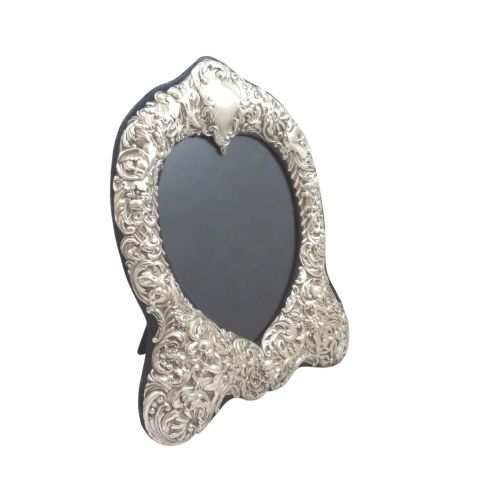
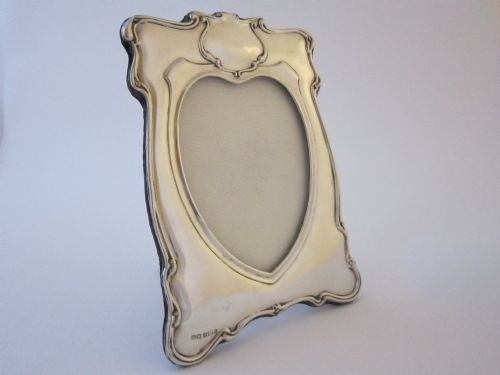
Examples vary in scale from small heart-shaped tokens to large twenty-inch display items suitable for substantial desks. Certain pieces accommodate photographs in both portrait and landscape orientations through two-way stands.
What varies in quality
The standard of design and execution separates standard production items from exceptional workshop examples created by prominent makers. Depth of embossing and crispness in stamped details demonstrate the level of skill applied to the silver front.
Integrity of the backing materials and the survival of original glass and easel supports influence the overall completeness of the piece. Substantial gauge silver resists distortion better than thinner sheeting used in mass production.
Listings feature items spanning the Victorian, Edwardian, George V, and Art Deco periods, utilising sterling silver, oak, leather, and velvet.
Rosenthal Jacob And Co·William Comyns·Mappin Bros·W I Broadway And Co·Henry Matthews
The Hallmarked Sterling Photo Frame Glossary
- Hallmarked
- An official stamp applied by an assay office indicating the purity of the silver, the maker, and the year of manufacture. These marks provide definitive evidence of origin and date.
- Sterling silver
- An alloy containing ninety-two point five percent silver and seven point five percent other metals, typically copper, chosen for durability. This standard defines the primary metal used across these items.
- Easel back
- A hinged prop attached to the rear of a frame that allows it to stand upright on a desk or table. Most period frames combine this mechanism with a wooden or leather support.
- Engine-turned
- A decorative technique involving precise geometric patterns engraved into metal by a mechanical lathe. This method produced repeating lines and textures on silver surfaces.
- Assay office
- An official organisation that tested precious metals and applied hallmarks to certify their purity. Cities such as Birmingham and Sheffield housed prominent offices.
Hallmarked Sterling Photo Frame: Frequently Asked Questions
How do I date a silver photo frame?
Assay office marks and date letters stamped into the silver border reveal the exact year of manufacture. Comparing the stylistic elements, such as Art Nouveau curves or Edwardian floral embossing, further confirms the period.
Makers' marks alongside the standard sterling lion passat provide additional clues to trace the origin of the workshop.
What materials support the silver front?
Makers utilised wood, oak, and leather to construct rigid backings that hold the silver sheeting in place. Velvet and fabric frequently cover these structural elements to provide a finished appearance.
Glass panes sit behind the silver bezel to protect the photographic print from dust and handling.
Can these frames hang on walls?
Certain pieces feature integrated loops or two-way mechanisms designed for wall hanging alongside standard desktop display. The weight of the silver requires secure fixings when mounting larger items vertically or horizontally.
Easel backs often fold flat or lock into position to accommodate different display preferences.
What styles appear most frequently?
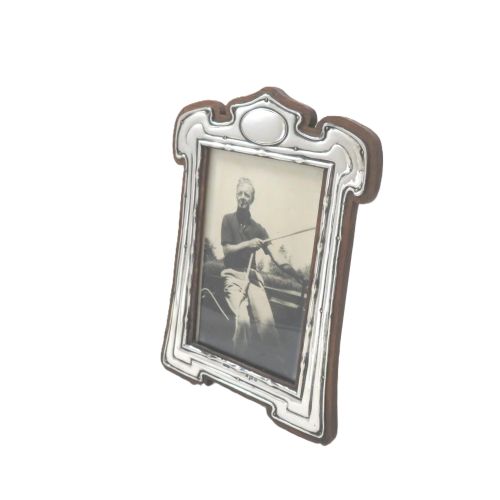
Edwardian and George V designs dominate the selection, characterised by plain borders, embossed floral motifs, and Neoclassical Revival details. Art Nouveau examples introduce flowing plant tendrils and asymmetric shapes.
Victorian pieces often display heavier Rococo revival scrolls and heart-shaped contours.