

Antique Sterling Decanter
An antique sterling decanter brings heavy glass and gleaming silver together for the dining table.
Antique Sterling Decanter
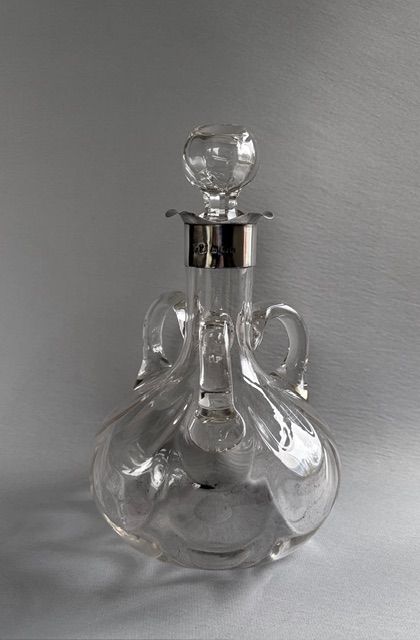
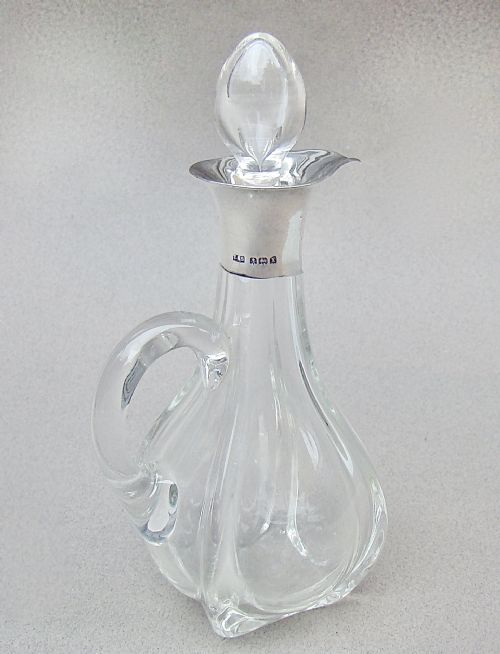
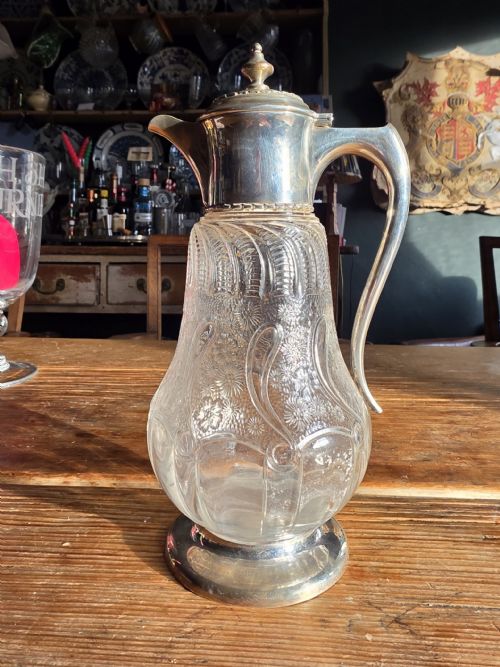
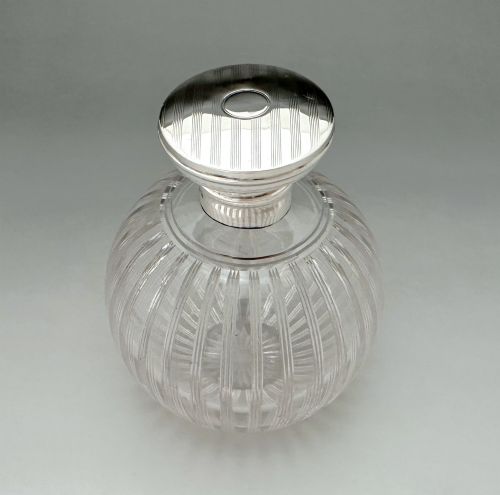
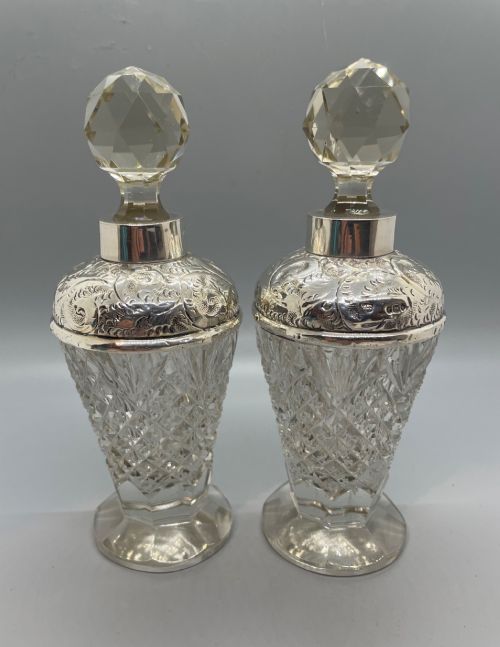
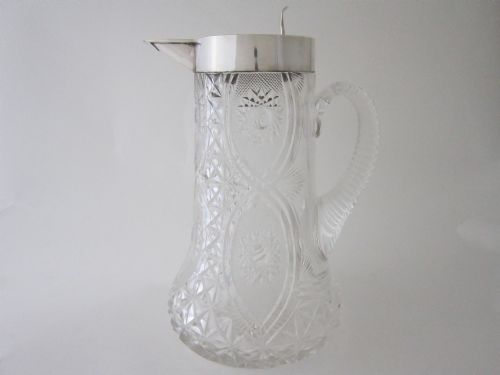
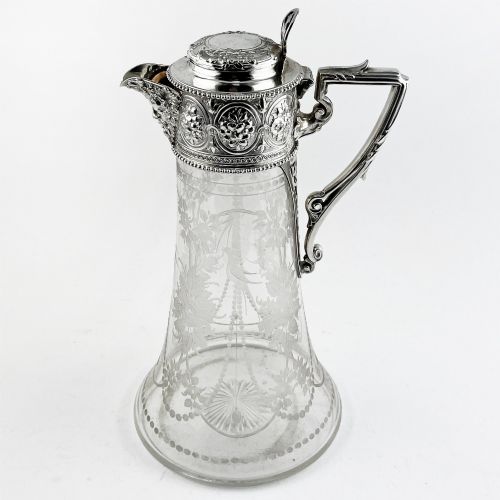
An antique sterling decanter combines heavy moulded glass or crystal with solid silver mounts, collars, and stoppers. The selection spans Georgian, Victorian, and Edwardian periods, featuring forms designed for port, sherry, claret, and whisky.
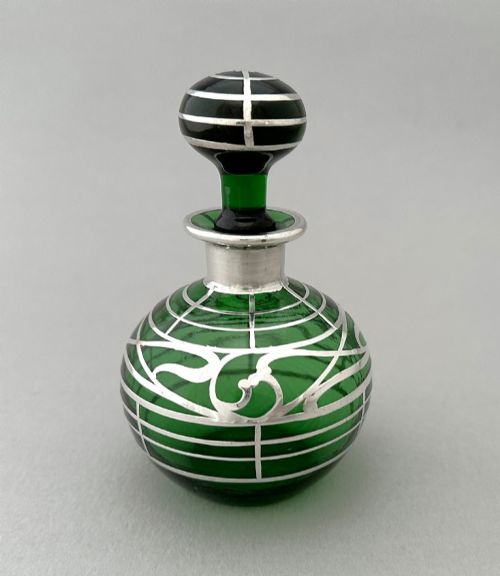
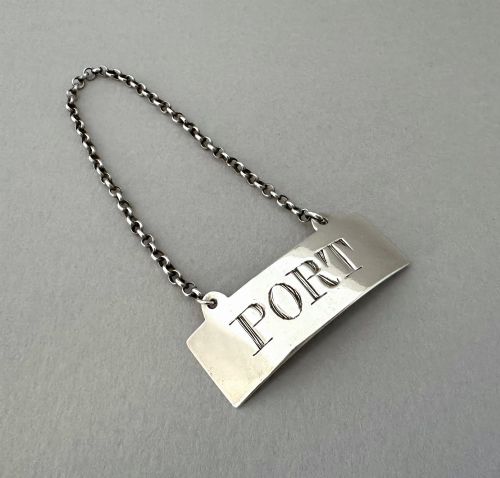
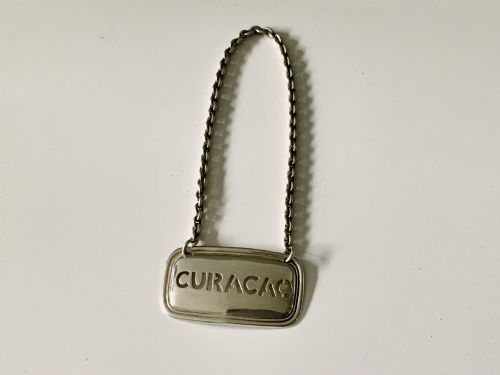
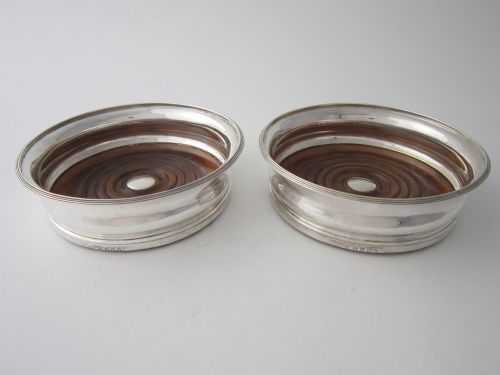
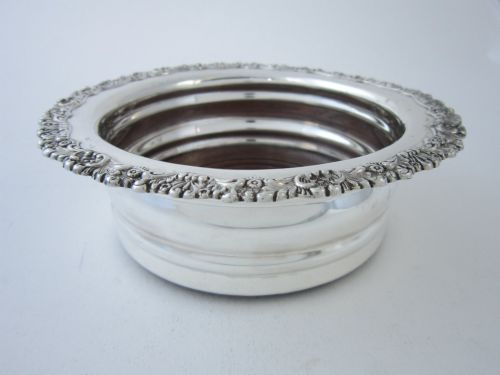
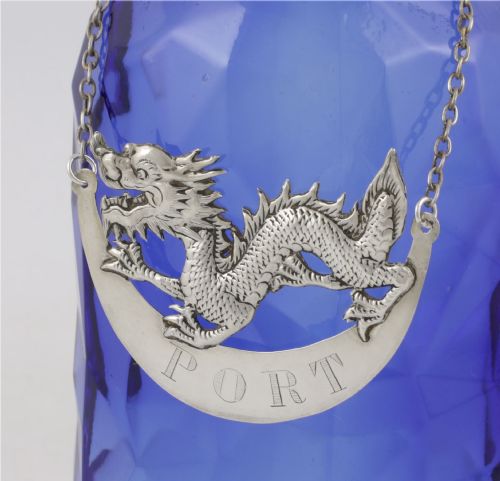
Buyers also encounter related barware including silver decanter labels, wine coasters, funnels, and smaller whisky noggins. Glass bodies range from plain blown vessels to pieces with deep cut patterns and silver overlay.
The most common examples on this page date from the Georgian era through the early twentieth century, reflecting the periods represented in the current inventory.
How they were made
Makers fashioned the glass bodies using blowing and cutting techniques, creating heavy crystal and glass vessels intended to hold spirits securely. Silversmiths then shaped sterling silver collars, mounts, and cast handles, securing them directly to the glass necks.
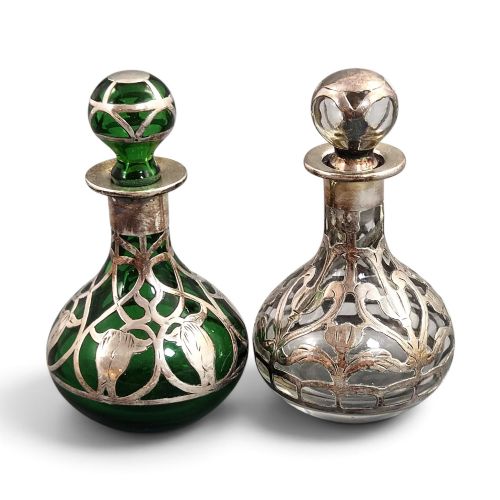
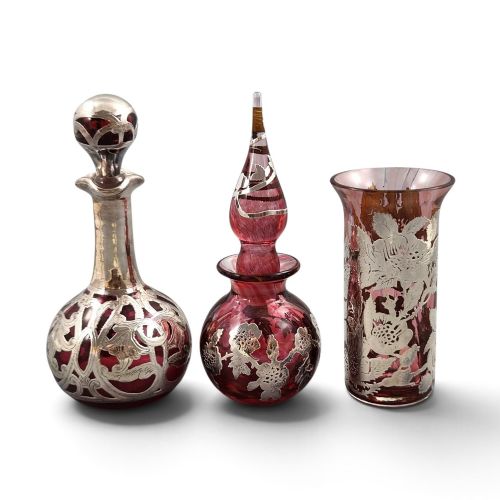
Silver components received hand engravings, floral motifs, or Art Nouveau overlay work soldered or applied directly to the glass surface. Hallmarks stamped into the silver identify the assay office, city, and date of manufacture.
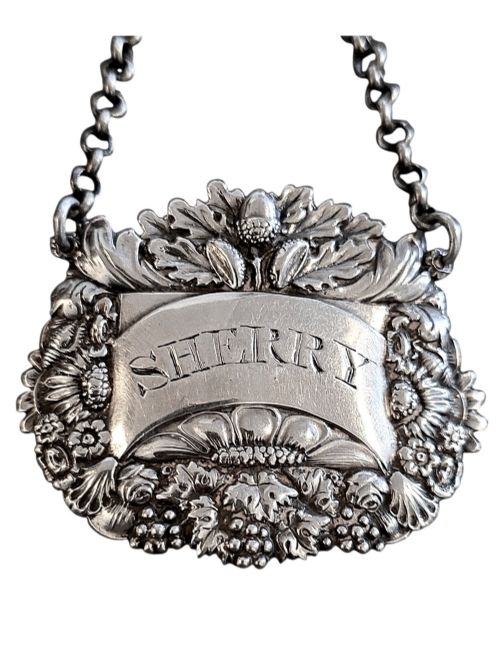
Associated items like decanter labels and wine coasters utilised sheet sterling silver, pierced, chased, or engraved with specific beverage titles such as port, sherry, and rum.
Antique Sterling Decanter Retail Price Guide 2026
Typical asking prices for sterling decanter among the pieces listed under this phrase on Sellingantiques today, from the lower quarter to the upper quarter. They describe what is for sale here now, not the wider market.
Listings feature Georgian, Victorian, and Edwardian periods, utilising sterling silver, cut glass, crystal, and mahogany.
What varies in quality
The thickness and weight of the glass body dictate much of the substance, with heavy cut crystal setting a different standard than thin blown glass. Crisply cast silver mounts and distinct, legible hallmarks separate standard production from superior silversmith work.
The proportion between the silver collar and the glass vessel affects the overall balance of the piece. Matching stoppers, original to the decanter rather than replacements, alter the integrity of the antique.
William Barrett II·William Comyns·Elizabeth Morley·John Reily·Solomon Hougham·Thomas Wallis II·Charles Thomas Fox·Gorham
The Antique Sterling Decanter Glossary
- Sterling silver
- A silver alloy containing 92.5 percent pure silver and 7.5 percent other metals, typically copper, used for the mounts and labels.
- Decanter label
- A small silver tag hung by a chain around the neck of a bottle to identify the contents such as port or sherry.
- Claret jug
- A tall serving vessel specifically shaped for red wine, featuring a hinged silver lid and handle.
- Whisky noggin
- A small spirit decanter or jug, often holding a single generous measure, fitted with a silver mount and sometimes a matching label.
- Silver overlay
- A decorative technique where molten silver or silver sheet is applied directly onto a glass or crystal body in floral or abstract designs.
Antique Sterling Decanter: Frequently Asked Questions
How do I clean an antique sterling decanter?
Wash the glass interior with warm water and specialised cleaning beads rather than harsh detergents that might harm the antique surface. Polish the sterling silver mounts gently with a soft cloth to avoid touching the glass.
Keep moisture away from the interior of fitted stoppers and dry all silver components thoroughly after cleaning to prevent tarnishing.
Are the stoppers original to the decanters?
Many decanters retain their original matching glass or silver-topped stoppers, which is noted when the inventory records it. Replacement stoppers occur frequently due to accidental breakage over the centuries.
Check the fit and the matching cut or tint of the glass where applicable to see if the stopper belongs to the vessel.
How do I read the silver hallmarks?
British hallmarks include a standard mark for sterling silver, a leopard head or other town mark for the assay office, and a date letter indicating the specific year. Additional marks show the maker's initials, such as Thomas Wallis II or Solomon Hougham.
Consult standard silver reference books to match the stamped date letter with the correct year of assay.
Can I use these decanters for daily service?
These vessels were built to hold wine and spirits and remain functional for modern dining tables. Handle heavy crystal and silver mounts with care during pouring and washing.
Avoid serving liquids that might stain aged glass interiors over extended periods.