

Antique Stemmed Bowl
When you handle an antique stemmed bowl, you hold centuries of drinking culture and master craftsmanship in your hands.
Antique Stemmed Bowl
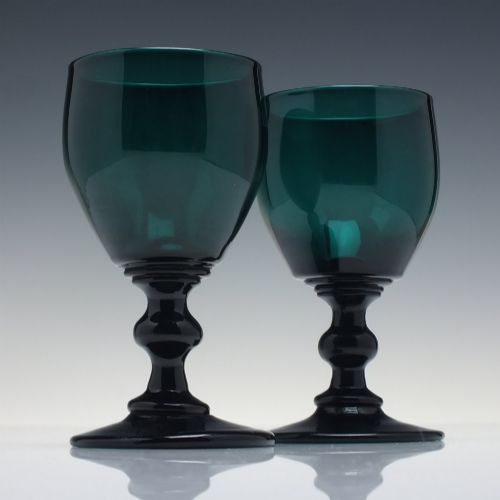
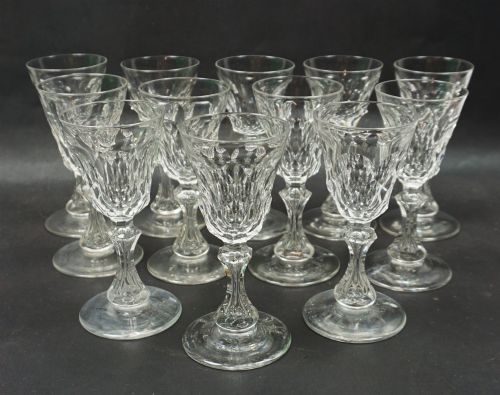
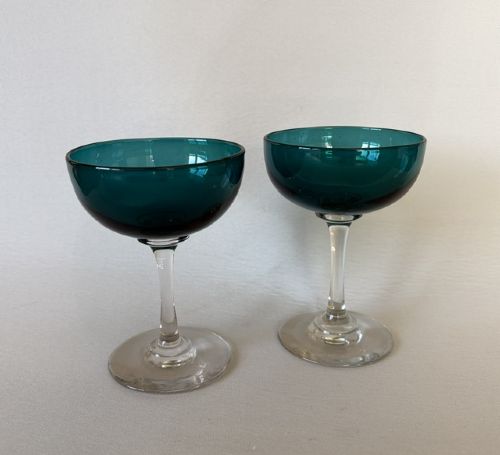
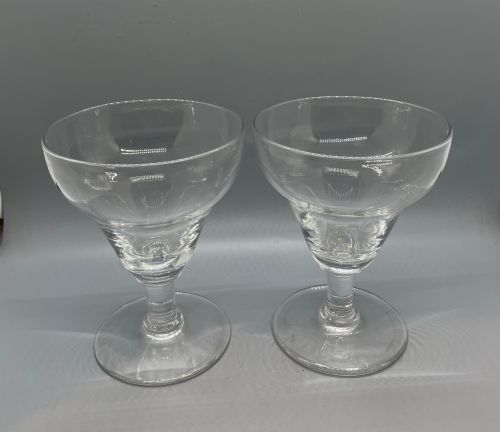
An antique stemmed bowl encompasses a rich variety of drinking vessels, wine glasses, and goblets primarily originating from the Georgian and Victorian eras. These pieces serve distinct historical functions, ranging from toast drinking to formal dining, embodying the domestic rituals of past centuries.
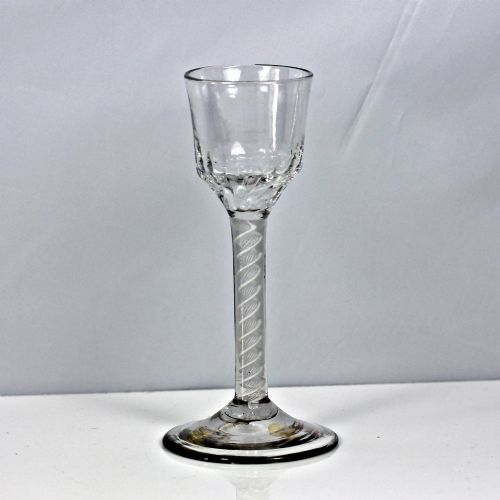
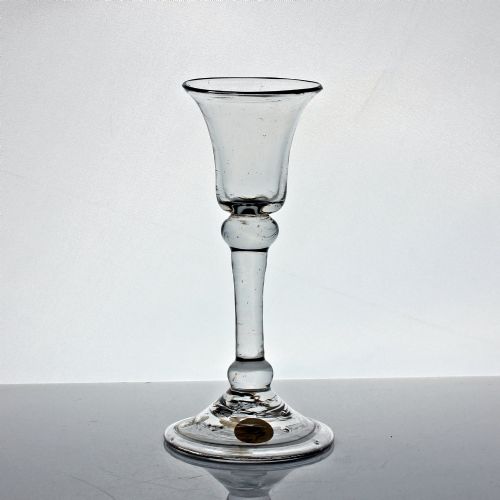
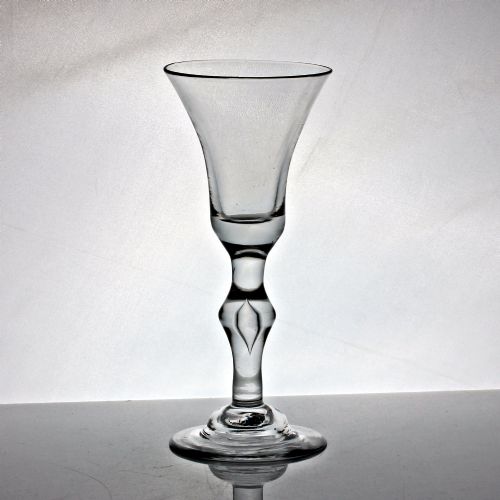
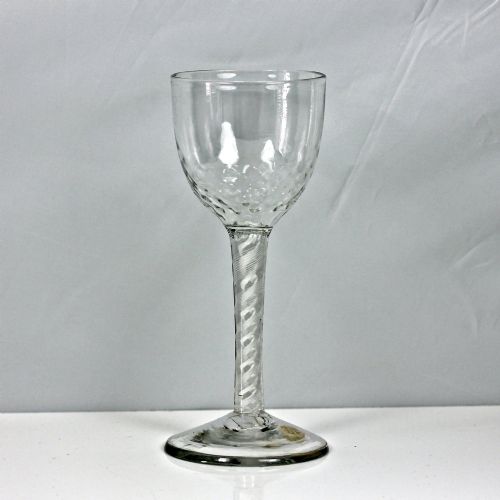
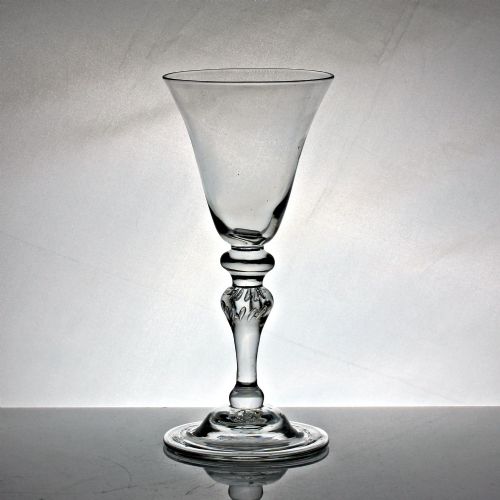
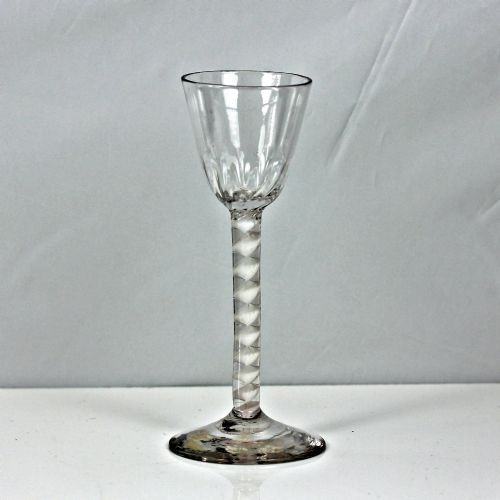
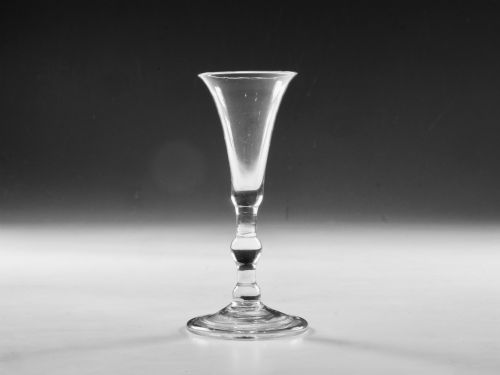
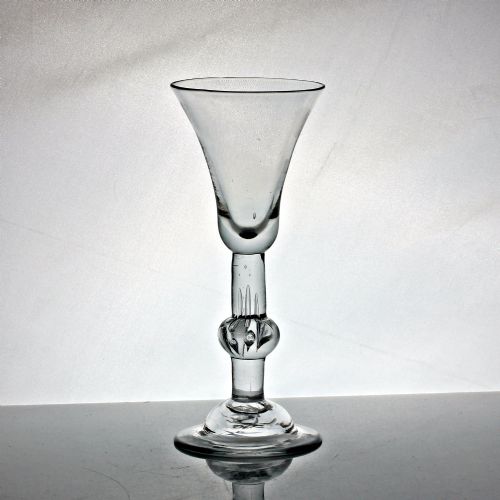
The selection on this page leans heavily towards eighteenth-century lead glass drinking vessels alongside nineteenth-century European glassware, decorative bowls, and chalices. Collectors encounter diverse bowl shapes such as bell, ogee, and trumpet profiles supported by baluster, plain, or twist stems.
How they were made
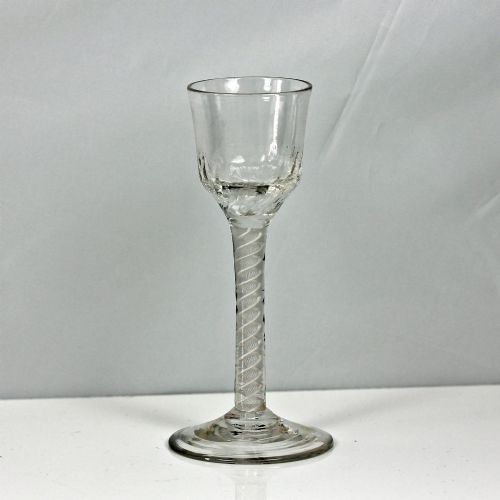
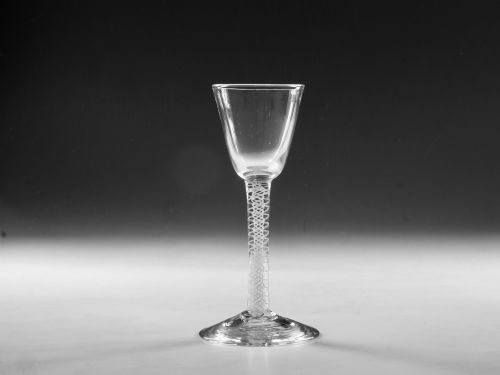
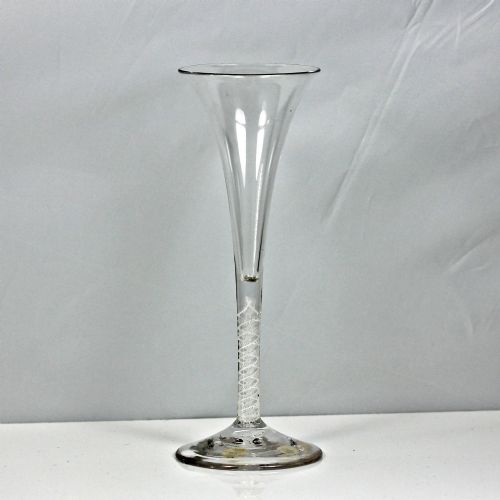
Glassware relies fundamentally on lead glass, lead crystal, and flint glass, shaped through blowing and moulding techniques that yield remarkable clarity and weight. Masters of the craft incorporated air bubbles, known as tears, into stems or drew out intricate opaque and mixed twists.
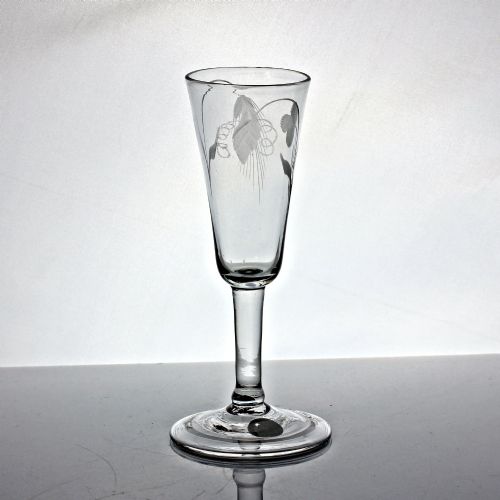
Alternative materials such as solid silver, brass, enamel, and treen appear across specific pieces, demonstrating diverse artisan traditions from Ottoman Turkish metalwork to Arts and Crafts chalices. Makers utilised petal moulding, ribbing, and detailed engraving with hop and barley motifs to finish the bowls.
Antique Stemmed Bowl Retail Price Guide 2026
Typical asking prices for stemmed bowl among the pieces listed under this phrase on Sellingantiques today, from the lower quarter to the upper quarter. They describe what is for sale here now, not the wider market.
Listings feature lead glass, clear glass, enamel, and treen across eighteenth and nineteenth-century periods.
What varies in quality
Quality rests upon the purity and weight of the metal or glass, where exceptional clarity and substantial heft distinguish superior drinking glasses and goblets. The complexity of the stem formation, such as intricate multi-spiral air twists or balanced baluster proportions, separates standard items from finer works.
The crispness of moulded decoration, the stability of folded feet, and the fineness of hand-engraved bowl details reveal the skill of the original maker. Preservation of the surface finish and the harmonious proportion between bowl, stem, and foot dictate the overall standing of each piece.
Nathan and Hayes
The Antique Stemmed Bowl Glossary
- Air twist
- A stem formation created by drawing out internal air bubbles during the glass pulling process to form delicate spiral threads. This technique produces shimmering optical effects within the transparent glass.
- Baluster stem
- A heavy, swelling stem shape reminiscent of architectural balusters popular in earlier periods. These stems often feature knops and substantial proportions.
- Ogee bowl
- An S-curve bowl profile curving inwards at the rim and outwards at the base. This specific Georgian form enhances the aromatics of wine.
- Folded foot
- A glass foot possessing a rim turned underneath to add strength and weight. This practical feature appears frequently on eighteenth-century drinking vessels.
- Treen
- Small household objects made of wood, reflecting traditional turning skills. Wooden bowls and stems display the natural grain of the material.
Antique Stemmed Bowl: Frequently Asked Questions
What is an antique stemmed bowl used for?
These vessels were primarily designed for consuming wine, ale, and spirits during formal meals and social gatherings. Over time, many transitioned into decorative table centrepieces or display items.
Today, collectors appreciate them as tactile links to historic dining traditions, using them to serve vintage beverages or displaying them within cabinets.
How do I identify Georgian glass?
Georgian glass frequently exhibits a heavy lead content, imparting a dark ring when struck and a deep lustre to the material. Look for characteristic pontil marks on the underside and traditional stem formations like balusters or twists.
Consulting period styles and manufacturing techniques helps distinguish these eighteenth-century pieces from later Victorian reproductions.
What makes an air twist stem different?
An air twist stem contains elongated bubbles trapped inside the glass and manipulated into spiral threads during creation. This method requires immense skill from the glassblower to maintain symmetry.
The resulting optical effect catches the light differently than solid stems or opaque twists.
Are these bowls safe to use?
While many eighteenth and nineteenth-century vessels remain structurally sound, lead glass can leach trace elements if acidic liquids sit for prolonged periods. Hand washing in lukewarm water protects the fragile historic material.
Most collectors limit usage to special occasions or preserve them purely for display and study.