




Antique Statue Desk Lamp
These antique statue desk lamps bring figurative bronze, brass, and spelter sculpture directly to the desk.
Antique Statue Desk Lamp
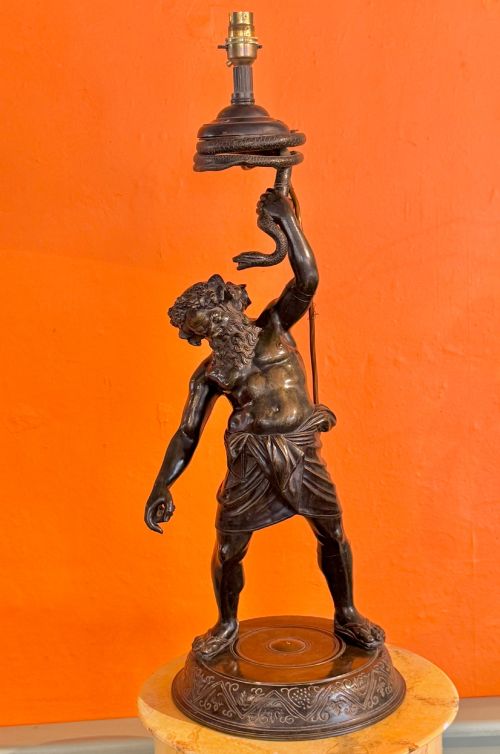
An antique statue desk lamp combines sculptural figural art with functional illumination, taking the form of classical figures, mythological subjects, animals, and Art Deco ladies. When you search for this phrase, you encounter pieces that range from Grand Tour bronze reductions to 1920s spelter night lights and converted statuettes.
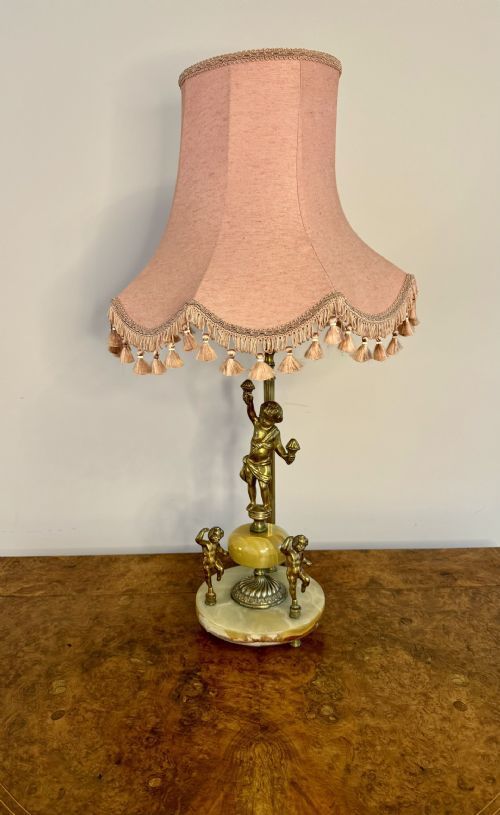
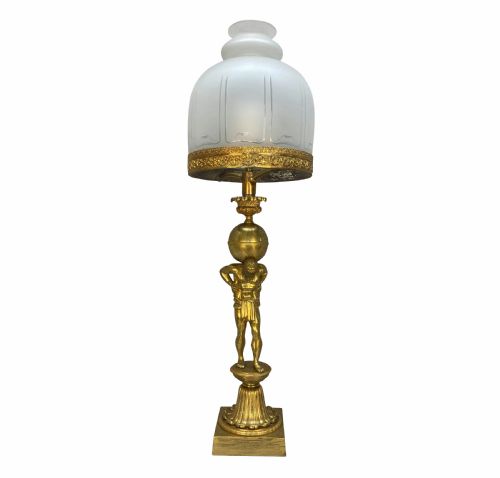
The most common versions on this page are figural lamps cast in bronze or spelter, frequently mounted on marble or brass bases. These pieces draw on Neoclassical, Victorian, and Art Deco styles, often integrating figures such as Atlas, cherubs, caryatids, and dancers.
Origins span English, French, and Italian workshops, reflecting popular tastes from the seventeenth century through the 1930s. Table lamp conversions also appear, where earlier statuary finds a second life with electrical fittings.
How they were made
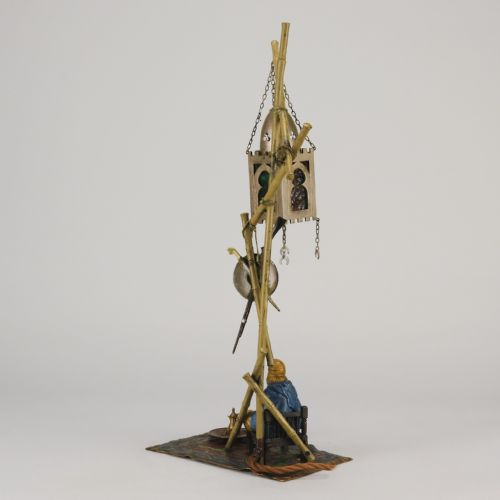
Foundry methods dictate the construction of these metal figures, utilising bronze, spelter, brass, and ormolu. Cold-painted details add colour to bronze and spelter castings, while patinated finishes create depth on surfaces.
Plinths and bases integrate dense stones such as marble and onyx, providing necessary weight and stability for desk use. Glass components, including frosted or coloured shades, complete the lighting assembly alongside fabric elements.
Materials span bronze, spelter, brass, marble, onyx, and frosted glass across periods from the 17th century to 1930.
What varies in quality
The choice of base material and mounting also separates standard production from superior items. Heavy marble or onyx plinths paired with substantial gilt-bronze or cold-painted metal indicate higher workshop standards than lightweight spelter on simple bases.
G. Amodio Naples·Franz Bergman·Emile Picault·P. Sega·Adrien Gaudez
The Antique Statue Desk Lamp Glossary
- Spelter
- An alloy of zinc and lead used as a cost-effective alternative to bronze in figural casting. It takes patination well but is softer than bronze.
- Cold-painted bronze
- Bronze sculpture painted with oil-based colours that are left to dry naturally rather than fired in a kiln. This technique is prominent in Austrian and European animal and figure lamps.
- Ormolu
- Gilded bronze produced by applying a mercury-gold amalgam to a bronze base, creating a rich golden surface. It appears on French Neoclassical and Regency pieces.
- Grand Tour
- The cultural journey undertaken by wealthy young Europeans in the eighteenth and nineteenth centuries, inspiring souvenir bronzes of classical statues. These reductions often find conversion into desk lamps.
- Caryatid
- A sculpted female figure serving as an architectural support in place of a column. They appear on wooden and metal lamp bases.
Antique Statue Desk Lamp: Frequently Asked Questions
Are these lamps safe for daily use?
Most antique lamps require professional rewiring to meet current electrical standards before regular use.
A qualified electrician can update the internal wiring while preserving the original metalwork and surface patina.
How do I clean a bronze lamp?
Dust gently with a soft, dry cloth to remove surface particles without disturbing the patination.
Avoid chemical polishes and abrasive cleaners, which strip the historic finish from bronze and spelter.
What is the difference between bronze and spelter?
Bronze is a durable copper alloy that captures fine detail and carries significant weight.
Spelter is a softer zinc alloy that feels lighter and appears more frequently in affordable twentieth-century figural pieces.
Can I replace the lampshade?
Replacement shades in frosted glass or fabric can be fitted, provided the fitter matches the original gallery size.
Original shades are uncommon on early pieces, so contemporary or period-appropriate replacements are standard.