




Antique Stationery Caddy
An antique stationery caddy organises correspondence and papers on a desk, built from fine timbers and metals to keep daily writing materials close at hand.
Antique Stationery Caddy
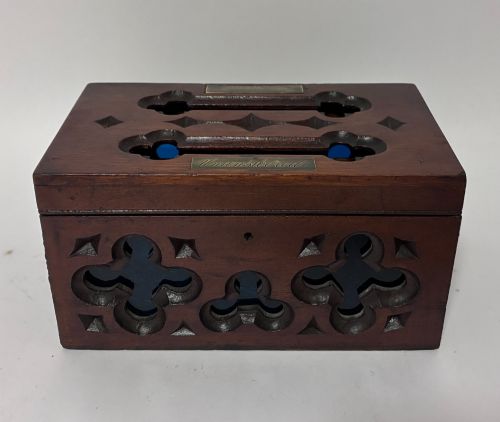
An antique stationery caddy functions as a desktop receptacle designed to hold letters, envelopes, and documents in an orderly fashion. These pieces appear in forms such as correspondence boxes, slant-front storage cases, and open letter racks.
The versions most common on this page date from the nineteenth century, including Victorian and Edwardian examples, alongside earlier Georgian iterations. Woods like mahogany, satinwood, and burr walnut dominate the selection, often complemented by brass mounts or silver.
Desk accessories of this kind range from simple tabletop holders to elaborate dome-top cabinets with fitted interiors. They reflect the heavy correspondence of past eras, providing dedicated compartments for stamps, pens, and paper.
How they were made
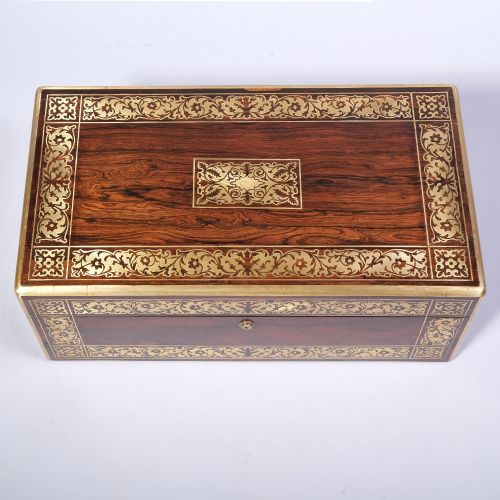
Cabinetmakers constructed these caddies using dense hardwoods such as mahogany, rosewood, and walnut, frequently applying decorative veneers like burr walnut or satinwood to the exterior surfaces. Marquetry, fan inlay, and brass banding added visual detail to the timber carcasses.
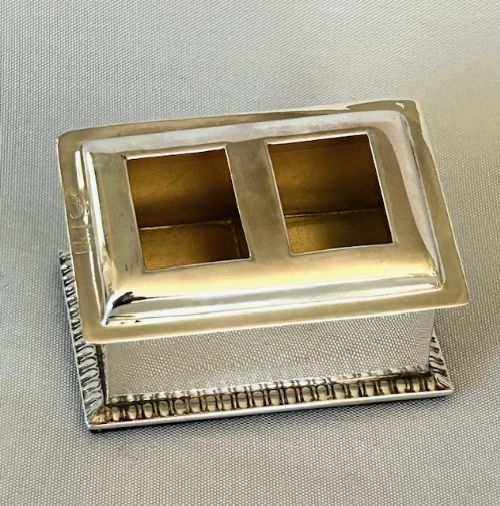
Metal components played a structural and decorative role, with cast brass handles, hinges, and mounts reinforcing the corners and edges of the boxes. Silver mounts and silver plating appeared on finer luxury pieces, while some incorporated hand-painted porcelain plaques or fabric linings.
Antique Stationery Caddy Retail Price Guide 2026
Typical asking prices for stationery caddy among the pieces listed under this phrase on Sellingantiques today, from the lower quarter to the upper quarter. They describe what is for sale here now, not the wider market.
The site listings feature stationery caddies spanning from the eighteenth century to the Edwardian period, utilising mahogany, satinwood, burr walnut, and brass.
What varies in quality
The distinction between standard examples and superior pieces rests on the choice of timber and the precision of the joinery. Figured woods with rich grain patterns, such as burr walnut and figured mahogany, command greater attention than plain planks.
Decorative embellishments indicate the maker's investment of time and skill, from intricate brass inlay and Boulle work to hand-painted porcelain inserts. The complexity of the internal fittings, including tiered letter dividers and integrated stamp boxes, also separates basic storage from luxury items.
The Antique Stationery Caddy Glossary
- Burr walnut
- A veneer taken from the burl growth of a walnut tree, producing swirling, highly decorative grain patterns. This material appears on many high-status nineteenth-century boxes.
- Satinwood
- A durable, yellowish timber native to India and Ceylon, prized for its lustrous sheen. It was widely used during the Georgian and Sheraton periods for fine cabinet work.
- Boulle work
- An elaborate form of marquetry employing tortoiseshell and brass inlaid in contrasting patterns. This technique originates from seventeenth-century France but surfaces on later nineteenth-century letter racks.
- Cheveret
- A small freestanding writing table or cabinet fitted with a removable book or letter stand on top. These multi-functional pieces combined storage with a portable writing surface.
- Correspondence box
- A desk box specifically compartmented to hold folded letters and writing paper. They often feature tiered interiors to keep different sizes of paper separated.
Antique Stationery Caddy: Frequently Asked Questions
What is an antique stationery caddy used for?
These boxes held writing paper, envelopes, and unanswered letters on a nineteenth-century desk. They kept correspondence neat and protected from dust before the era of mass-produced envelopes.
Today, they serve a similar purpose for modern letters, notepads, and documents. Many people place them on sideboards or desks as functional decorative objects.
How do I date an antique stationery caddy?
Dating relies on timber choices, construction techniques, and prevailing decorative styles. Regency and George III pieces often feature lighter satinwood and simpler classical lines, while Victorian examples lean towards heavy burr walnut and Gothic revival brass mounts.
Maker marks, registration numbers stamped in the metalwork, and lock types also provide clues. Comparing the secondary woods inside the box helps narrow down the decade of production.
Are stationery caddies and writing boxes the same thing?
Writing boxes incorporate a sloping folding lid that opens to create a writing surface, often lined with leather. Stationery caddies are strictly storage containers designed to hold paper and letters upright.
While both sit on a desk, a caddy does not include an integrated slant for writing. Caddies focus entirely on organisation rather than providing a lap-desk function.
How should I maintain the wood on my caddy?
Keep the timber away from direct sunlight and strong heat sources to prevent the veneer from drying and lifting. Dust the surface regularly with a soft, dry cloth.
Apply a microcrystalline wax occasionally to nourish the polish without building up a heavy residue. Avoid using modern aerosol polishes or liquid cleaners on antique wood.