

Antique Stacking Cabinet
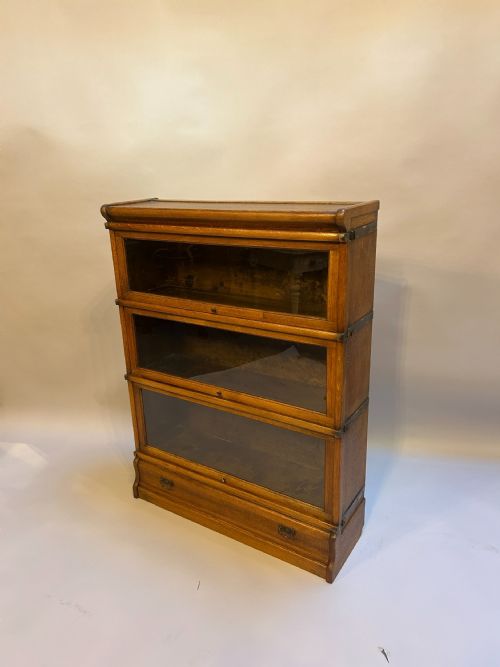
An antique stacking cabinet offers modular storage through independent tiers that lift and slide to keep rows of books or papers tidy.
Antique Stacking Cabinet
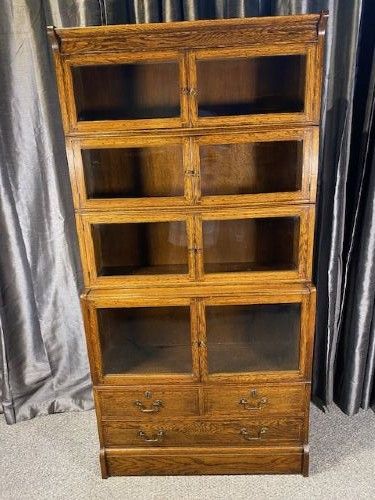
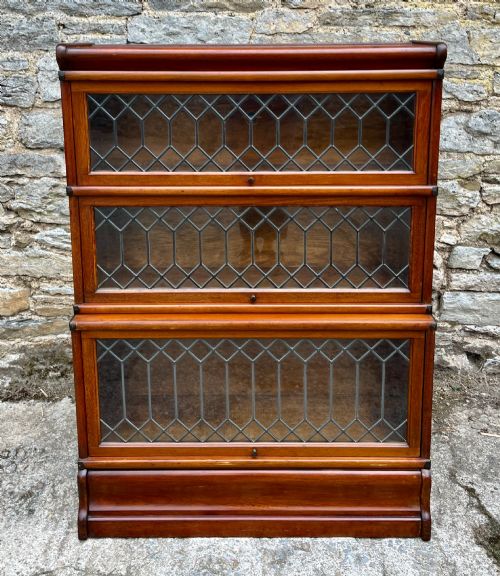
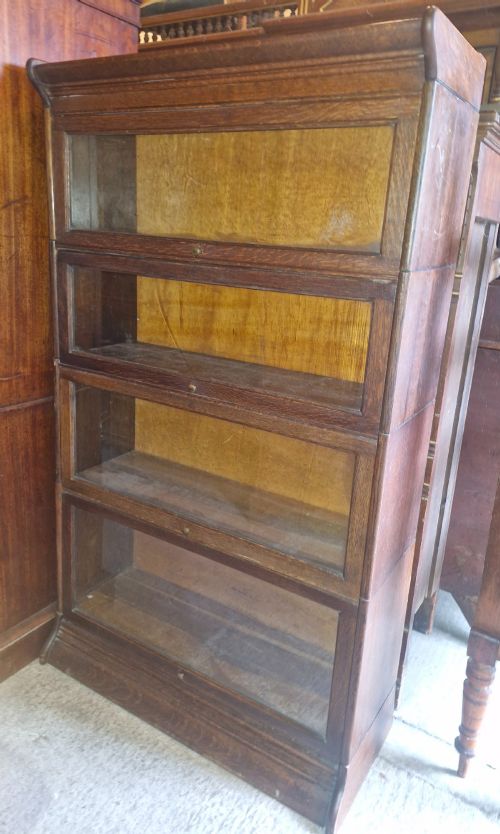
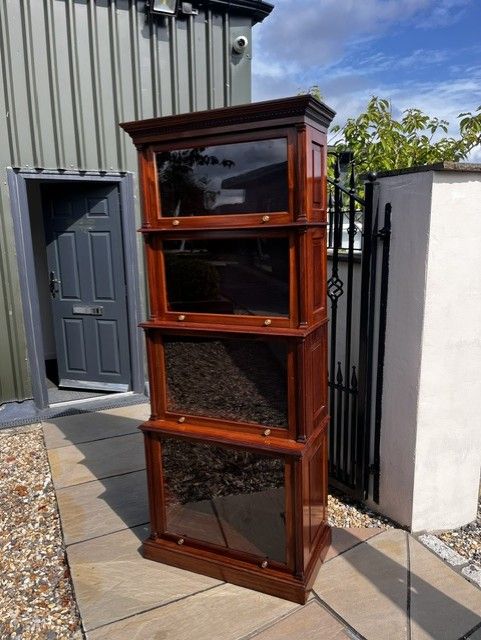
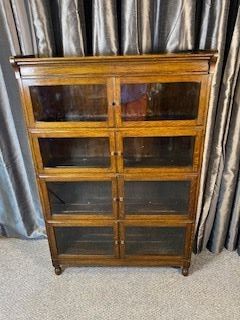
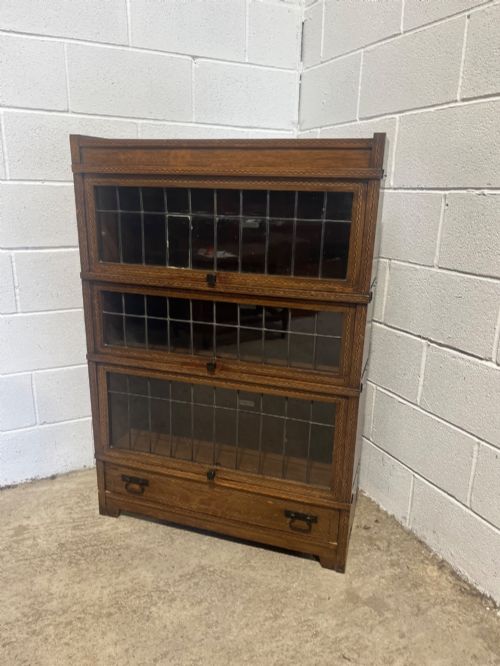
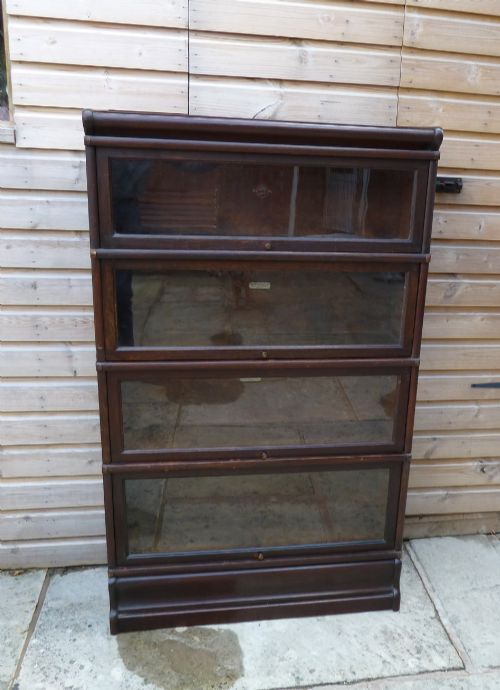
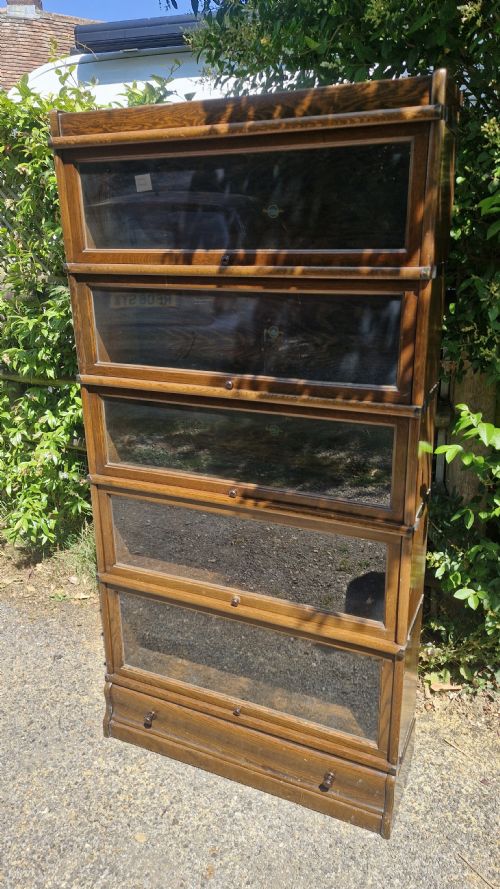
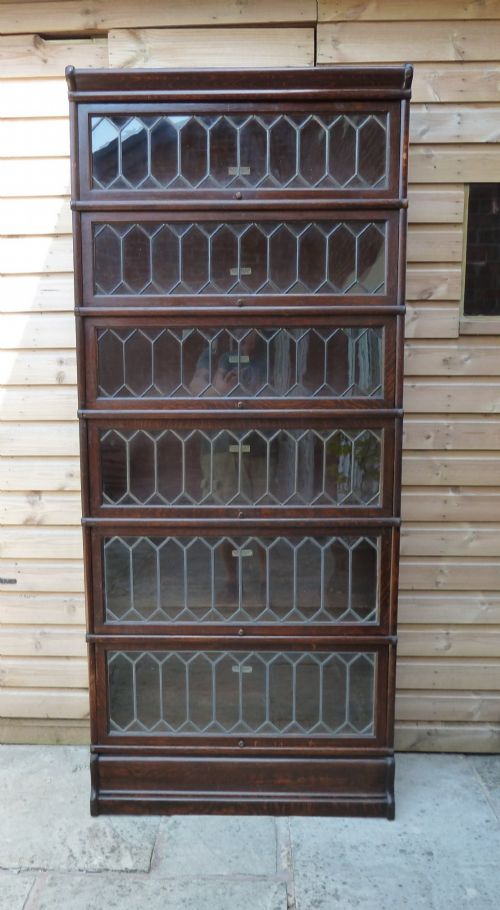
An antique stacking cabinet brings together modular tiers and glazed or solid doors designed to house books, papers, or small objects in home and office spaces. The forms seen most often on this page are sectional bookcases and barrister cabinets built in upright columns that can be separated or built higher.
The periods represented stretch from the late nineteenth century through the nineteen-thirties, with a strong concentration of Edwardian and nineteen-twenties pieces. Buyers encounter various configurations, from single-tier modules to four-section stacks in oak and mahogany.
Materials and Construction
Makers utilised solid oak and mahogany as the primary timbers for these modular cabinets, sometimes adding walnut or pine beneath the surface. Timber selection dictated the weight and grain pattern of each tier, while brass hardware provided the connecting mechanisms and drawer pulls.
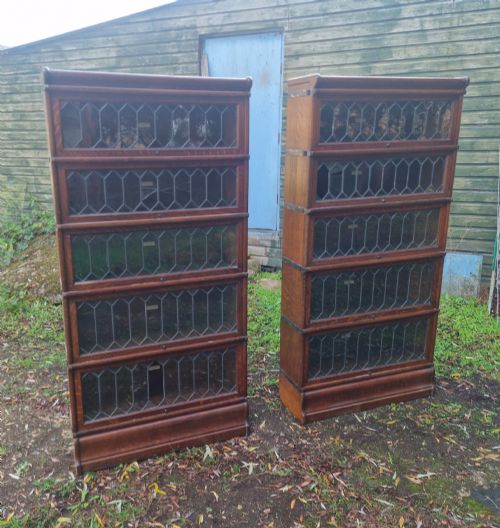
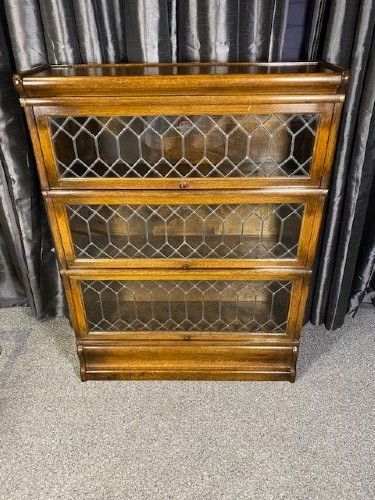
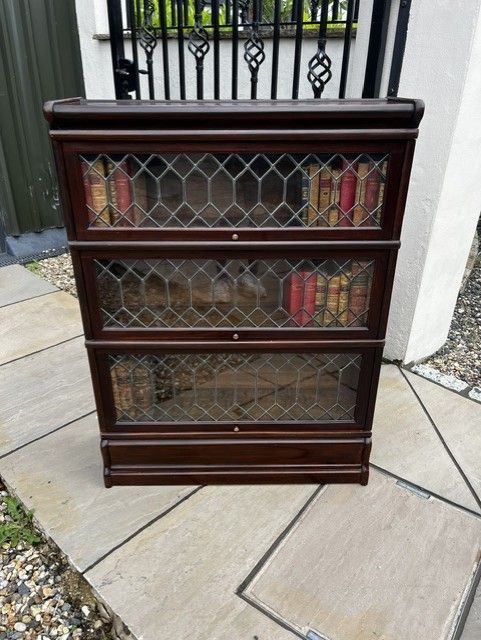
Glass panels fitted into wooden frames formed the distinctive lifting doors, occasionally reinforced with lead cames in arts and crafts styles. The sectional construction relied on precise joinery so that individual tiers could interlock securely without permanent fixings.
Listings feature modular furniture in oak, mahogany, and walnut spanning the Edwardian era through the nineteen-thirties.
Judging Quality
The standard of a sectional cabinet rests on the precision of its mechanisms and the matching of its timber grains across different tiers. Pieces that retain their original glass, hardware, and surface finish hold greater integrity than those altered over time.
Makers distinguished their output through refined timber selection and subtle decorative details such as inlaid banding or panel moulding. The smoothness with which each glazed section glides open dictates the practical distinction between standard utility items and finer workshop productions.
Globe Wernicke·Heals·Lebus·Minty·Gunn
The Antique Stacking Cabinet Glossary
- Barrister bookcase
- A specific form of stacking cabinet designed with glazed lifting doors to protect professional books in an office. They are frequently found in oak and mahogany from the Edwardian era onwards.
- Lead cames
- Slender strips of lead used to hold individual panes of glass together in leaded cabinet doors. They create geometric patterns typical of arts and crafts design.
- Cornice
- The moulded horizontal projection that crowns the top of a cabinet. It finishes the uppermost tier of a modular stacking system.
Antique Stacking Cabinet: Frequently Asked Questions
What is an antique stacking cabinet?
An antique stacking cabinet is a modular piece of furniture made from separate tiers that fit together vertically. These sections usually feature glass lifting doors designed to protect books or papers.
The design allows owners to add or remove tiers depending on their storage needs. Most examples found today date from the early twentieth century and originate from workshop makers.
How do the doors open?
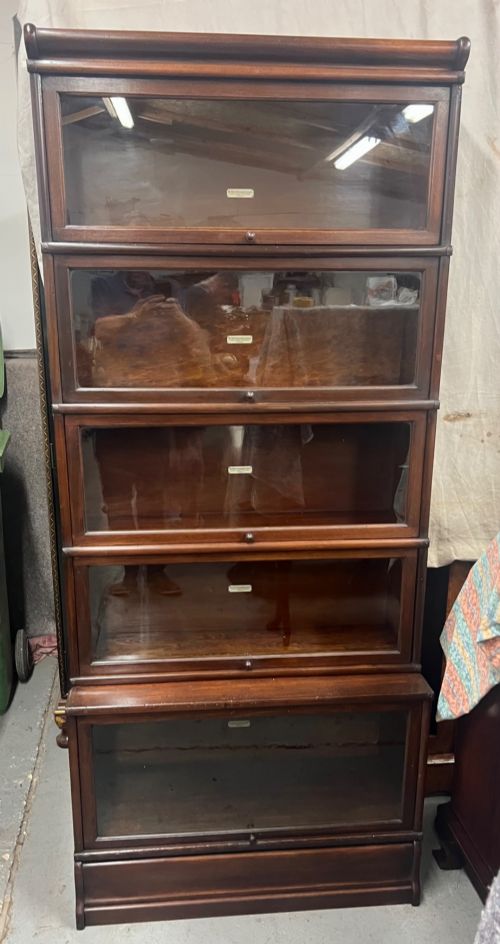
The doors on these cabinets typically lift upwards on metal scissor hinges and slide into the recess above the books. This mechanism allows easy access without doors swinging outward into room space.
Each tier operates independently, meaning only the section currently in use needs to be opened. The glass remains protected inside the cabinet frame during the sliding action.
Can the sections be separated?
Yes, the tiers are designed to lift apart from each other once the top cornice and base plinth are removed. This modular construction made them easy to transport and rearrange in offices and libraries.
Buyers can alter the height of the unit by taking away or adding matching sections. It remains important to keep tiers from the same maker together to ensure proper interlocking.
Which woods are most common?
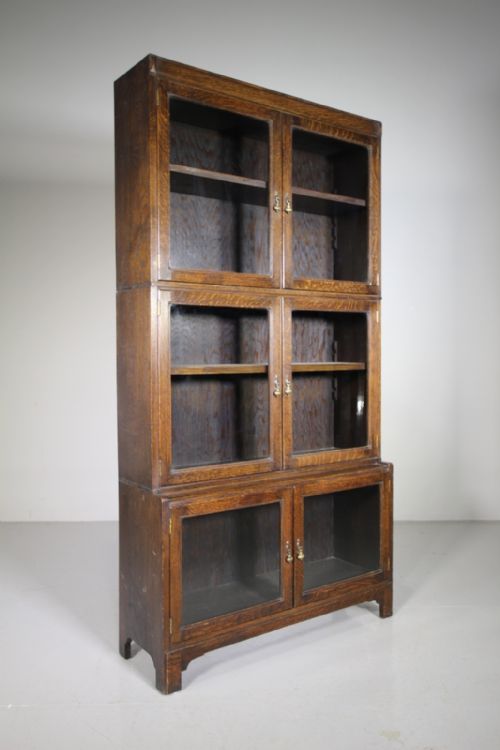
Oak and mahogany appear most frequently in these sectional units, often finished in golden or darker tones. Oak versions frequently show strong quarter-sawn figuring which highlights the natural grain.
Mahogany provides a smoother, darker surface often associated with formal library settings. Walnut and pine also appear occasionally among the listings.