

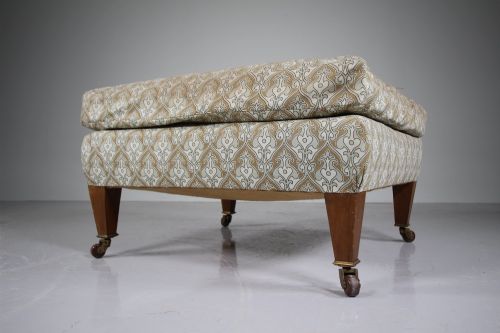


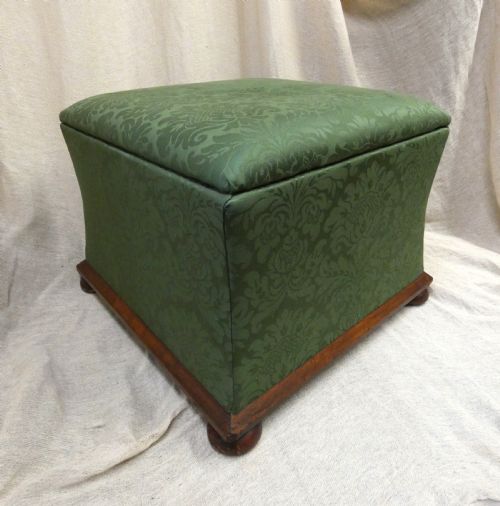


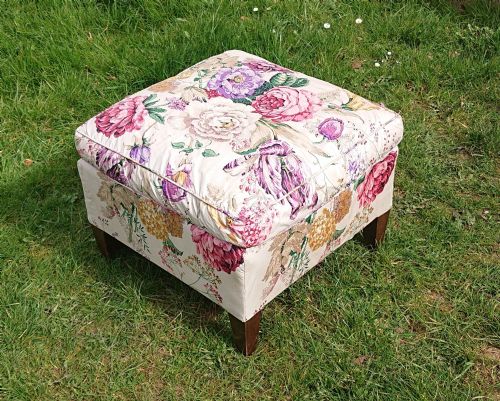


Antique Square Ottoman
An antique square ottoman offers sturdy seating and hidden storage, bridging comfort and formal design across centuries of British craftsmanship.
Antique Square Ottoman
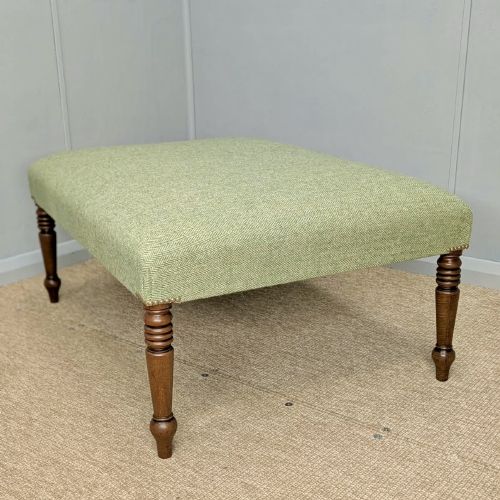
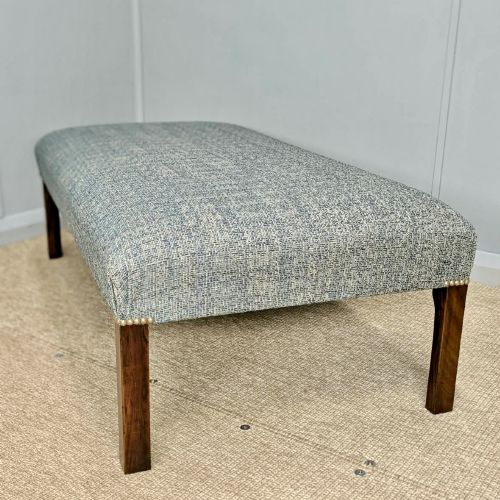
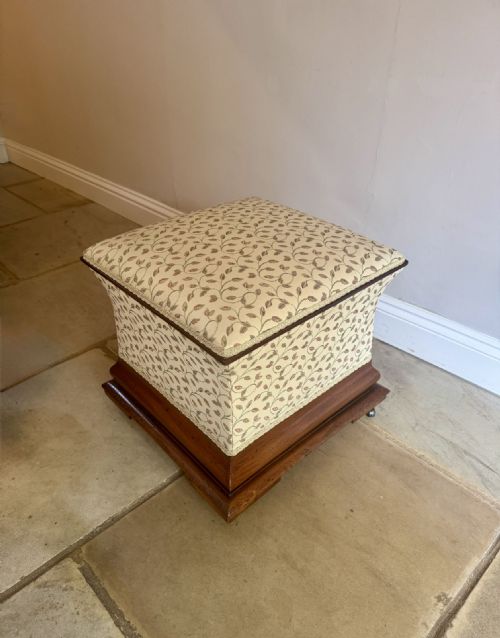
An antique square ottoman combines the proportions of a low seat with the structured form of a footstool or small table, originating in various periods from the Georgian era through to the early twentieth century. These pieces serve multiple domestic functions in a room, functioning equally well as a resting place for feet, a centre table with a caned top, or an upholstered seat.
The versions most commonly met on this page span the Victorian period and the nineteenth century, alongside earlier Georgian examples and later pieces from the early nineteen-hundreds. They appear in forms described variously as footstools, ottomans, centre stools, and dressing stools, often retaining their original upholstery or needlepoint covers.
Makers and craftsmen built these items to suit domestic interiors ranging from grand country houses to modest rooms, utilising durable timbers and traditional joinery. A buyer searching for an antique square ottoman will encounter sturdy wooden frames paired with buttoned leather, fabric, or wool covers.
How they were made
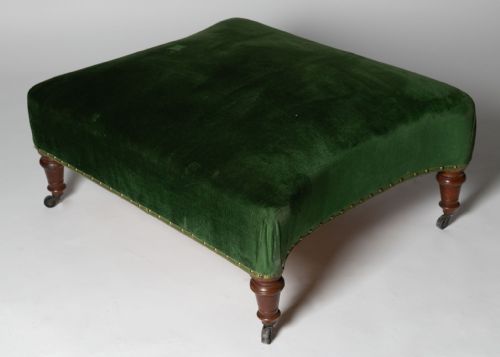
Makers constructed the foundational frames of these pieces using hardwoods such as mahogany, walnut, oak, and rosewood, frequently incorporating decorative elements like spiral carving or turned legs. Brass castors occasionally appear on the feet to allow movement across heavy carpets.
Upholstery techniques involved durable padding layered beneath materials like leather, fabric, wool, and intricate needlepoint, secured with traditional buttoning where specified by the design.
Antique Square Ottoman Retail Price Guide 2026
Typical asking prices for square ottoman among the pieces listed under this phrase on Sellingantiques today, from the lower quarter to the upper quarter. They describe what is for sale here now, not the wider market.
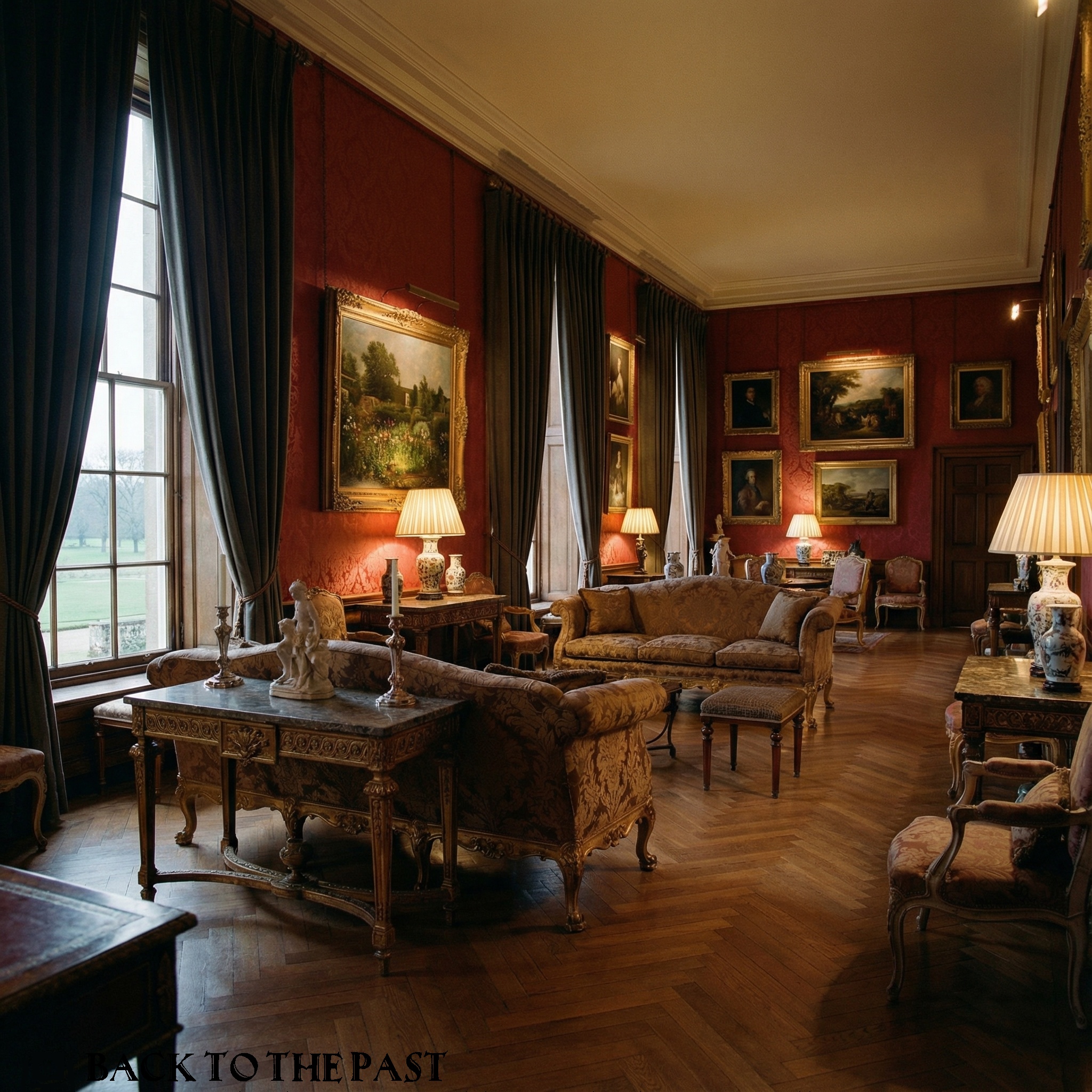
Some Victorian footstools hide within country house settings, quietly enduring centuries of muddy boots and afternoon tea.
What varies in quality
The standard of timber selection and the precision of the frame construction define the upper tiers of these pieces, where dense hardwoods and stable joinery ensure lasting structural integrity. Lesser examples rely on simpler secondary woods or display less refined carving on the legs and rails.
The quality of the upholstery work and the preservation of materials like leather, needlepoint, or buttoned wool significantly influence the character of the piece. Well-executed traditional stitching and intact period textiles elevate the overall execution compared to later, less sympathetic recovering.
Howard & Sons
The Antique Square Ottoman Glossary
- Buttoned leather
- A method of upholstery where leather is pulled tight and secured with deep buttons to create a diamond pattern. This technique provides firm support and decorative texture on nineteenth-century seating.
- Caned top
- A woven seat surface made from split rattan or cane material. It provides a lightweight, resilient top for tables or stools.
- Needlepoint
- Hand-stitched canvas work using wool yarn in intricate patterns. It frequently covers the top of Victorian and Georgian footstools.
- Spiral carved
- A decorative turning technique applied to wooden legs or stretchers, resembling a twisted rope. This detail appears frequently on walnut furniture from revival styles.
- Centre stool
- A large freestanding stool designed to sit in the middle of a room rather than against a wall. These items often feature buttoned leather upholstery and substantial wooden frames.
Antique Square Ottoman: Frequently Asked Questions
What is an antique square ottoman used for?
These pieces function as footstools, extra seating, or low tables depending on their upholstery and top surface. Examples with caned tops serve double duty as small tables.
Heavier leather-topped versions often act as centre stools in traditional rooms, providing a sturdy surface for books or feet alike.
How do I date an antique square ottoman?
Dating relies on identifying the timber species, joinery methods, and the style of the carved legs. Walnut and mahogany were favoured in different decades, while specific revival styles point to later Victorian interpretations.
Upholstery materials and buttoning techniques also offer clues, though many pieces have been recovered over their lifespan.
What woods were used for these stools?
Cabinetmakers utilised sturdy hardwoods including mahogany, walnut, oak, and rosewood for the structural frames and legs. The choice of timber often reflects the prevailing fashion of the piece's period of origin.
Secondary woods may appear inside the frame construction, hidden beneath the upholstery and padding.
Are these ottomans comfortable for daily use?
Traditional padding and buttoned leather or fabric provide a firm, supportive surface for resting feet or sitting. The solid wooden frames ensure they remain stable under everyday weight.
Original padding may feel firmer than modern foam, reflecting the construction methods of nineteenth-century workshops.