



Antique Square Column Stand
An antique square column stand serves as a steadfast architectural support or display piece, bringing structural clarity and refined proportion to any interior.
Antique Square Column Stand
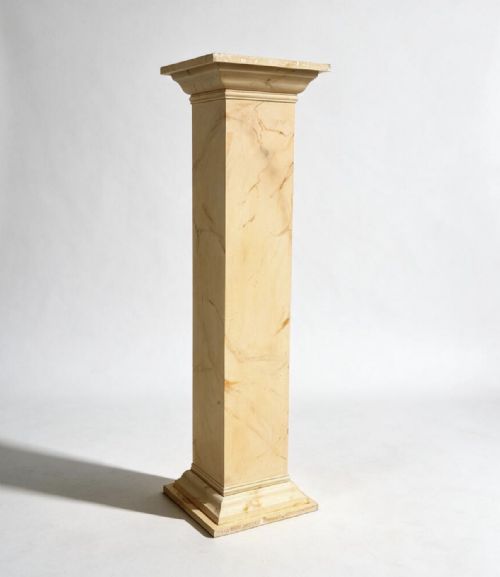
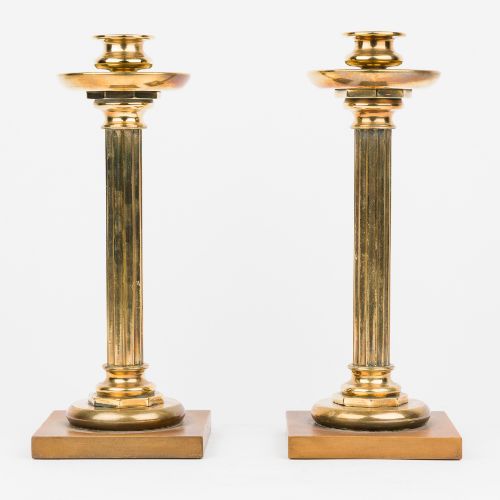
An antique square column stand encompasses pedestals, plant stands, plinths, and column candlesticks designed with linear geometry and upright profiles. These forms emerge across the eighteenth, nineteenth, and early twentieth centuries in styles ranging from Georgian and Neoclassical to Arts and Crafts and Art Deco.
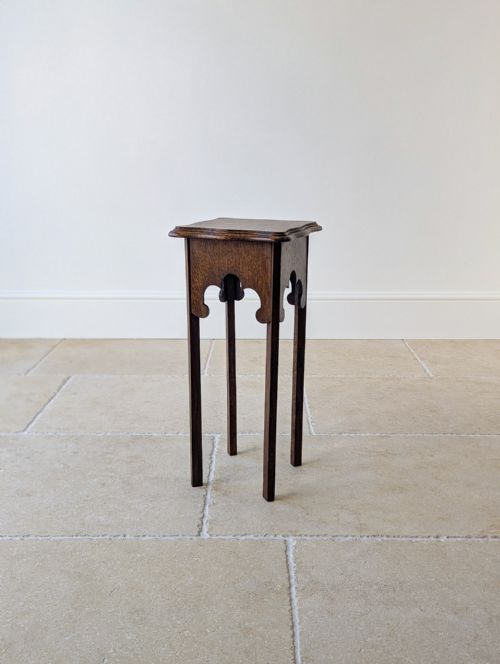
The versions most commonly encountered on this page include mahogany plant stands, marble top pedestals, and brass or bronze column candlesticks. Their square columns provide a stable architectural footprint whether utilised for displaying decorative objects or supporting lighting.
How they were made
Cabinetmakers and metalworkers construct these pieces from timber such as oak and mahogany, alongside cast metals like brass and bronze. Wooden examples often feature straightforward joinery or turned shafts, while metal items utilise casting and finishing techniques to achieve sharp architectural profiles.
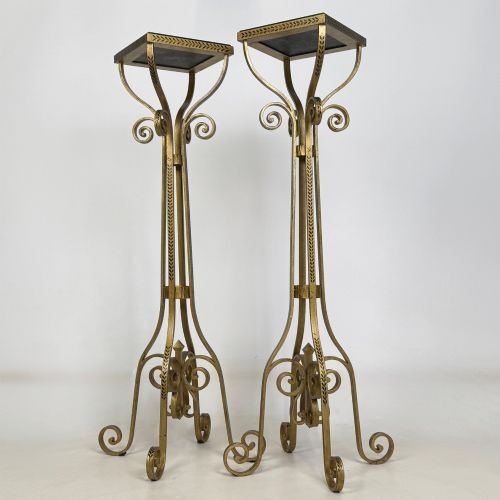
Surface treatments vary from polished wood and scagliola to faux marble finishes and gilded iron details. These materials are chosen for both durability and their ability to catch the light along flat planes and fluted edges.
Antique Square Column Stand Retail Price Guide 2026
Typical asking prices for square column stand among the pieces listed under this phrase on Sellingantiques today, from the lower quarter to the upper quarter. They describe what is for sale here now, not the wider market.
The object types found here range from column candlesticks and occasional side tables to large display pedestals and plant stands.
What varies in quality
Quality rests upon the crispness of the architectural detailing, the proportion of the column relative to its base and capital, and the selection of materials. Heavier gauges of brass, dense hardwoods, and finely finished scagliola separate superior examples from simpler utilitarian items.
Construction integrity also dictates value, particularly in the stability of the joints and the trueness of the vertical planes. A well-balanced stand remains solid and plumb, demonstrating careful execution by the original maker.
The Antique Square Column Stand Glossary
- Scagliola
- A composite material made from selenite, glue, and pigments, used to imitate marble and other stonework. Artisans apply and polish it by hand to achieve a convincing stone-like finish.
- Plinth
- The heavy slab or block forming the lowest part of a base, column, or pedestal. It provides weight and a stable grounding for the upright structure above.
Antique Square Column Stand: Frequently Asked Questions
What is a square column stand used for?
These stands primarily function to elevate decorative objects, urns, plants, or lighting devices within a room. Their vertical elevation draws the eye upward and highlights specific items.
Historically, they also served as architectural table bases or display furniture in grand interiors and domestic settings alike.
How do I date an antique column stand?
Dating relies on examining the timber species, metal casting methods, and stylistic cues present in the design. Georgian and Neoclassical examples often show classical proportions, whereas Arts and Crafts or Art Deco pieces display simpler lines or period-specific ornamentation.
Tool marks, joint types, and surface finishes further help narrow down the period of manufacture.
Are marble top stands heavy?
Stands incorporating marble tops or scagliola surfaces tend to carry significant weight due to the density of the stone. This weight provides a low centre of gravity that prevents the stand from tipping over easily.
When moving these pieces, it is advisable to lift them from the base rather than the upper column to protect the joints.
How do I clean wooden column stands?
Regular dusting with a soft, dry cloth keeps the surface free from particulate buildup. Periodic application of quality beeswax helps nourish timber finishes like oak and mahogany.
Avoid using harsh chemical sprays or excessive moisture, which can damage the polish or warp the wood over time.