

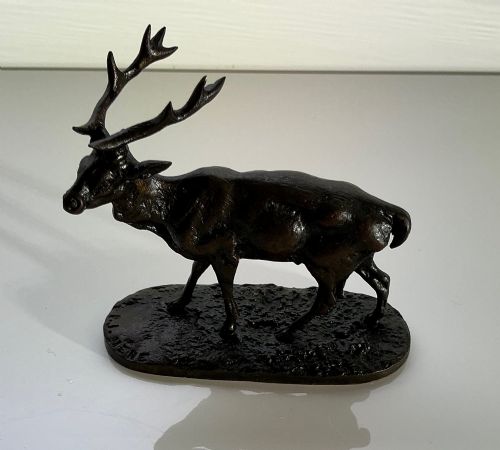

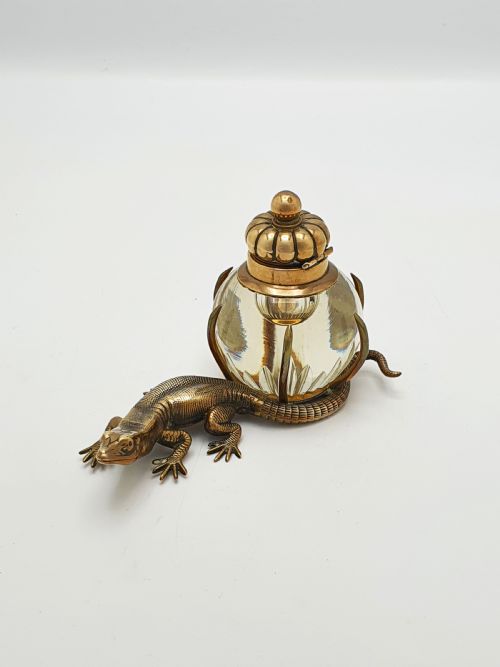
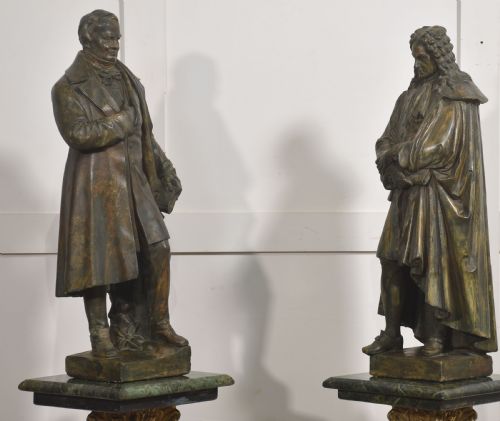

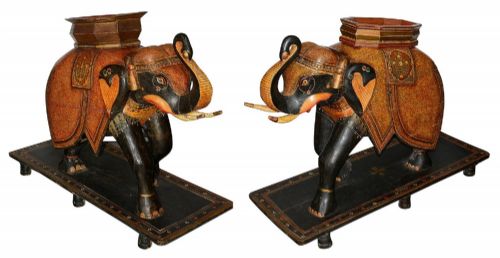
19th Century Sculpture Stand
These pieces unite height and display, offering a designated platform for figures and busts.
19th Century Sculpture Stand
A 19th century sculpture stand typically serves to elevate a carved or cast object, bringing it to eye level within a room. Collectors encounter these supports in various configurations, including columns, pedestals, plinths, and figural bases.
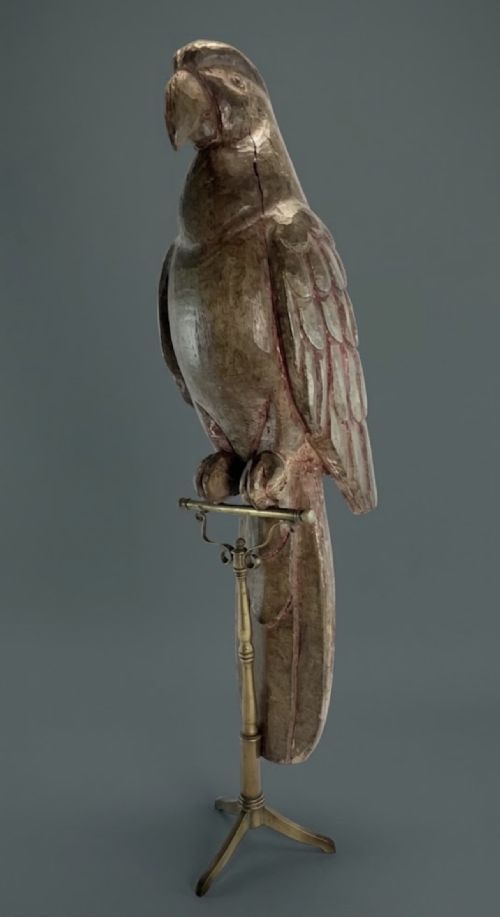
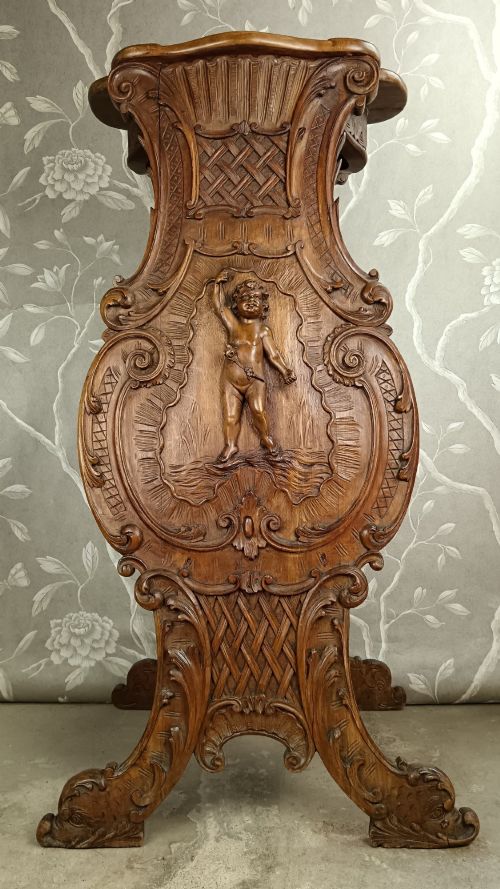
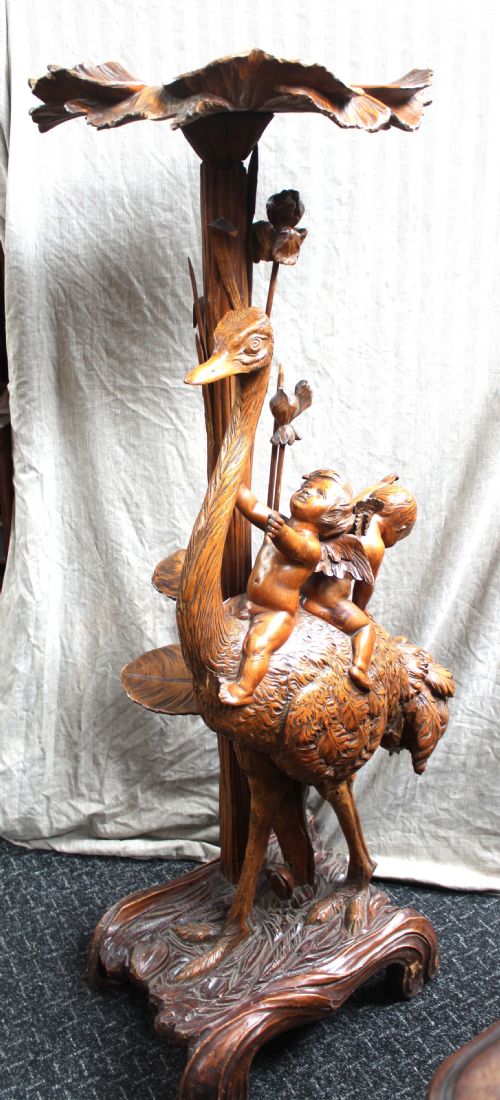
The materials and styles span traditional European revivals, British vernacular forms, and regional carving traditions such as Black Forest work or Asian woodwork. Many examples pair a column or plinth with an independent sculptural subject or integrate the figure directly into the stand.
Makers and workshops from this era utilised stone, timber, and metal to construct dependable supports that could bear the weight of heavy bronze or marble items without losing stability.
Materials and construction methods
Makers shaped structural supports from native and exotic timbers, frequently employing mahogany, walnut, fruitwood, and carved lime wood. Surface treatments ranged from natural grain polishing and dark patination to polychrome paint and faux marble finishes.
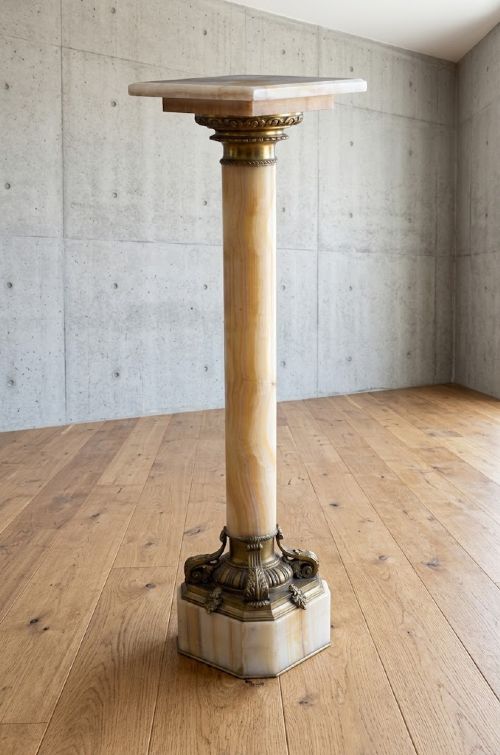
Stonemasonry and casting played a central role in heavier supports, utilising solid marble, onyx, and patinated bronze. Ormolu collars and brass fittings frequently accented the stone columns and plinths.
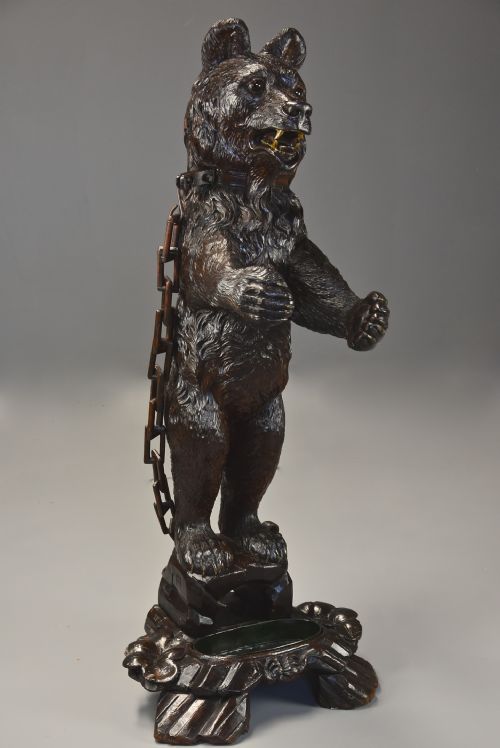
Several pieces feature carved bears holding umbrellas, perfectly positioned to greet visitors in a nineteenth-century hallway.
Factors determining the standard of execution
The competence of the carver or metal caster dictates the sharpness of detail in figural supports, where superior pieces exhibit clean anatomical lines and thoughtful proportions. In architectural columns and pedestals, precision in turning and structural balance mark the higher tier of production.
Material selection significantly influences the standing of a piece, with dense marbles, rich patinated bronzes, and well-seasoned hardwoods commanding greater respect than painted pine or soft plaster substitutes.
P Granet·G J Lines·PJ Mene·Dopmeier·Barbedienne
The 19th Century Sculpture Stand Glossary
- Plinth
- A heavy rectangular or square block serving as the base for a statue, column, or pedestal. It provides essential weight at the foundation to prevent tipping.
- Ormolu
- Gilded bronze applied as decorative mounts or collars on furniture and columns. This technique involved mercury amalgamation during the nineteenth century.
- Patination
- The surface sheen or colour acquired by materials like bronze, wood, or marble through age and handling. Artificial patination was also applied by nineteenth-century founders to simulate age.
- Socle
- A short plinth or pedestal supporting a bust, figure, or candlestick. It acts as an intermediary base between the object and the main floor stand.
- Black Forest
- A nineteenth-century style of intricate wood carving originating from the mountainous region of Central Europe. Pieces typically depict bears and forest fauna integrated into furniture and stands.
19th Century Sculpture Stand: Frequently Asked Questions
What materials were used for these stands?
Makers constructed these supports primarily from carved woods, marble, onyx, and cast bronze. Combinations of brass fittings and painted pine also appear.
Heavier items utilised natural stone and metal to ensure stability for loaded sculptures and busts.
How do I distinguish regional styles?
Regional characteristics emerge through specific carving motifs and material choices. Black Forest pieces feature detailed forest animals, whilst Italian examples often showcase classical marble columns.
Asian items demonstrate distinct lacquer, rootwood, and bronze casting traditions.
Where should I place a pedestal in a room?
These supports suit corners, hallway entrances, or focal points against panelled walls. Their primary function is to elevate sculptures into clear view.
Placement requires a stable surface to bear the considerable weight of marble or bronze elements safely.
Are figural lamps different from standard stands?
Figural lamps incorporate lighting fixtures directly into the sculptural composition or column structure. Standard stands focus entirely on supporting an independent statue or bust.
Both types share similar nineteenth-century manufacturing techniques and material palettes.