


Antique Painted Pedestal
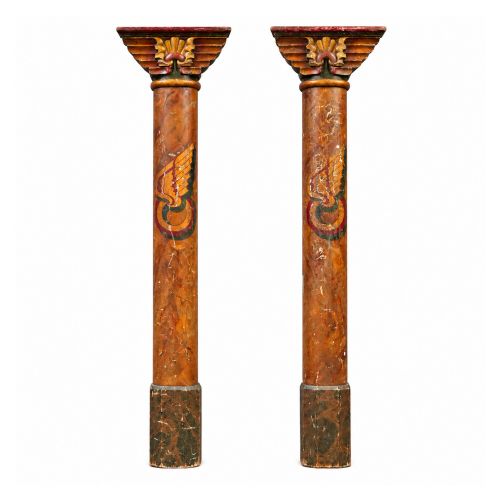
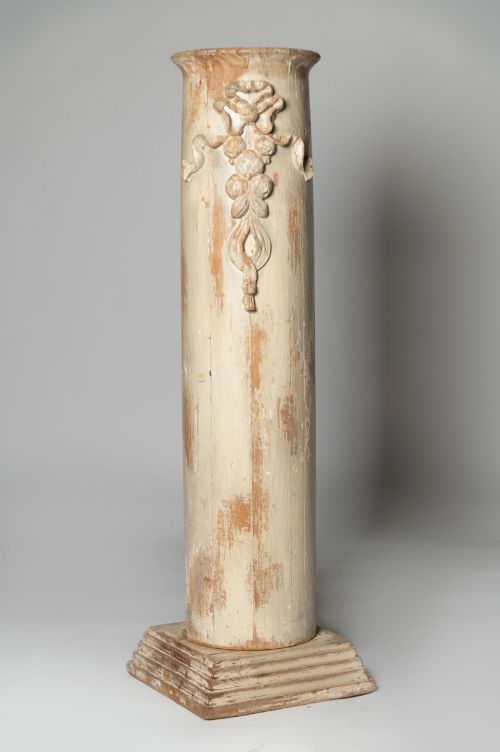
An antique painted pedestal raises a bust or plant on a decorated column, bringing colour and height to a room.
Antique Painted Pedestal
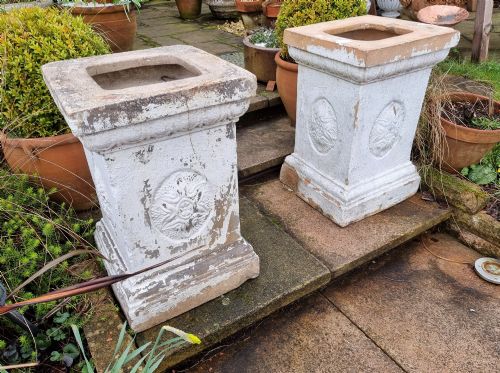
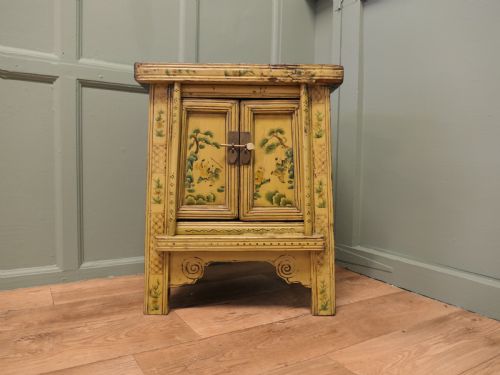
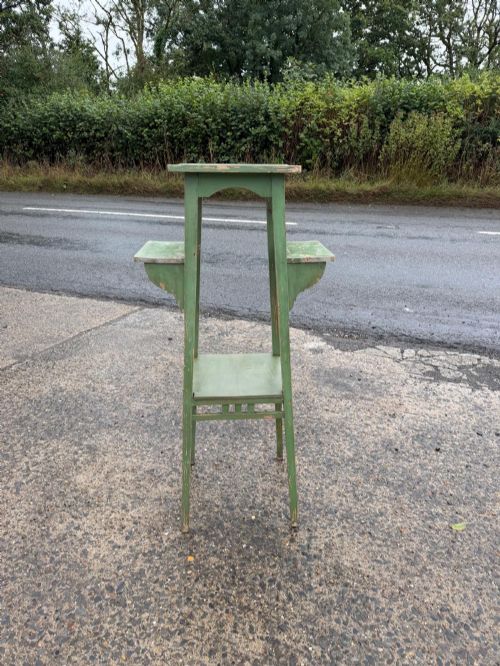
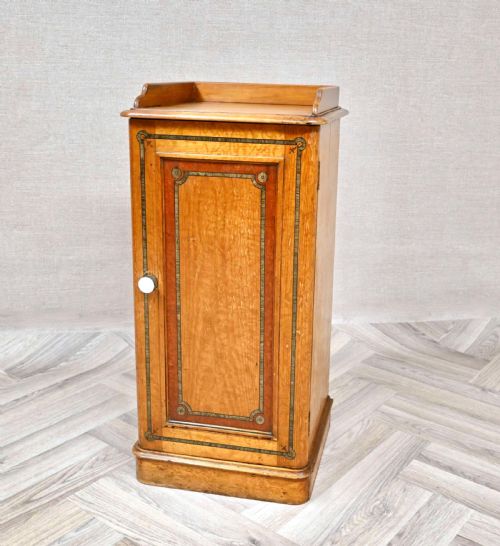
An antique painted pedestal provides a raised surface or structural support for display, spanning forms such as plant stands, torchières, columns, and bedside cabinets. Buyers exploring this category encounter pieces originating from the Georgian, Victorian, and early twentieth-century periods.
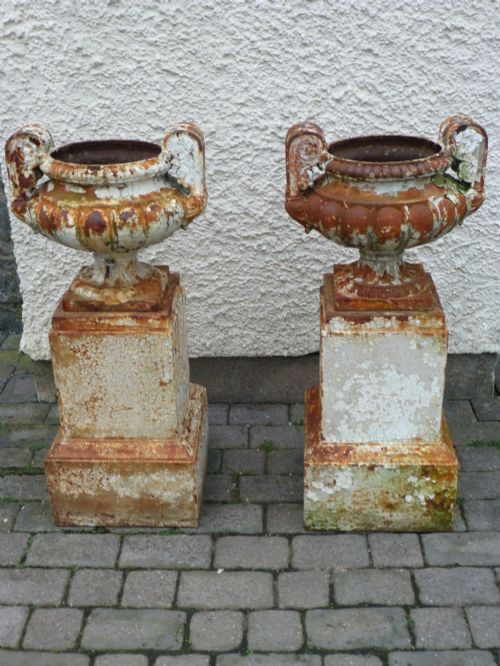
The selection ranges from Swedish country lamp tables and occasional pieces to cast iron garden urns on plinths and carved wooden columns. Regional variations include Scandinavian country surfaces, French marble-top stands, and English satinwood cabinetry.
Makers and foundries such as Falkirk Carron, Coalbrookdale, and Dunfermline Clay Company produced robust cast iron and pottery columns. Domestic furniture often takes the form of painted pine or satinwood supports designed to hold decorative objects.
Materials and construction
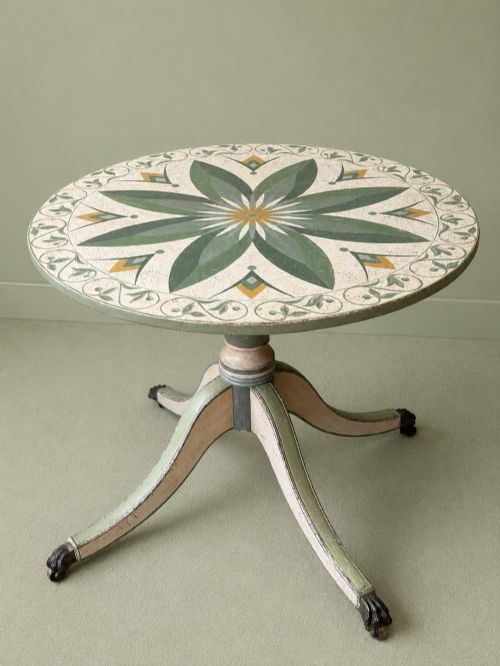
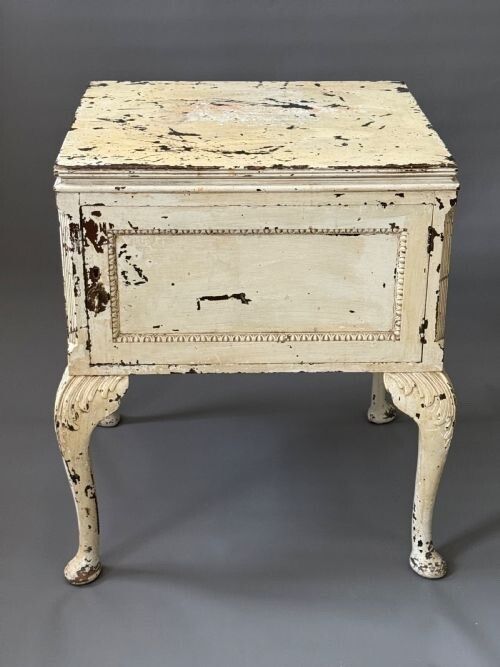
Makers utilised pine, satinwood, mahogany, and pitch pine as foundational timbers for wooden pedestals, applying initial layers of paint, gilt, or Chinoiserie decoration directly to the substrate. Surviving surfaces frequently retain their original green, cream, or yellow paint schemes.
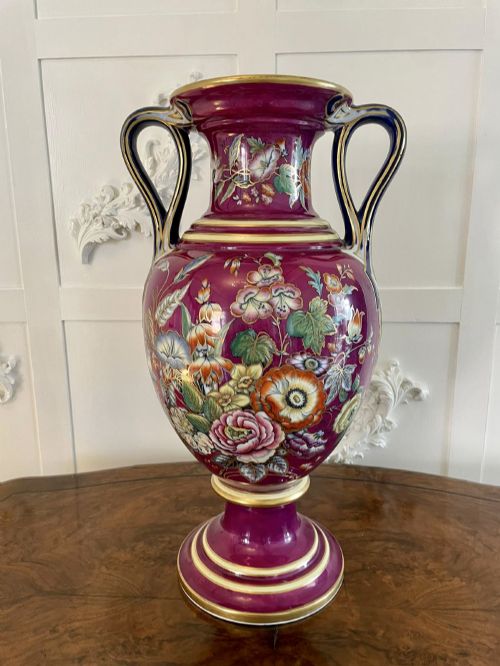
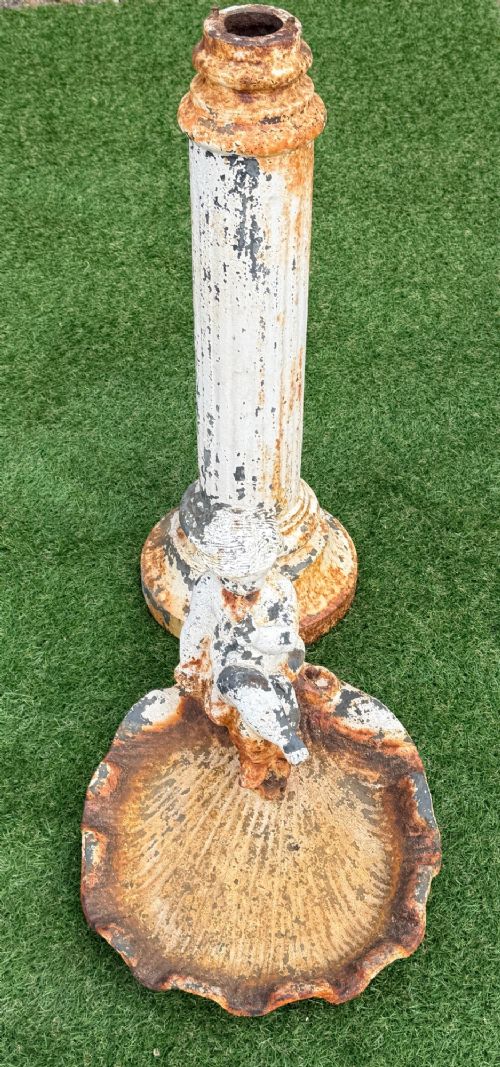
Foundries cast iron and bronze to create heavy garden urns, bird baths, and architectural columns, sometimes combining metal with porcelain or marble elements. Ceramic and porcelain pedestals, vases, and bowls from factories like Sèvres, Spode, and Royal Worcester incorporated moulded handles and hand-painted details before being fired.
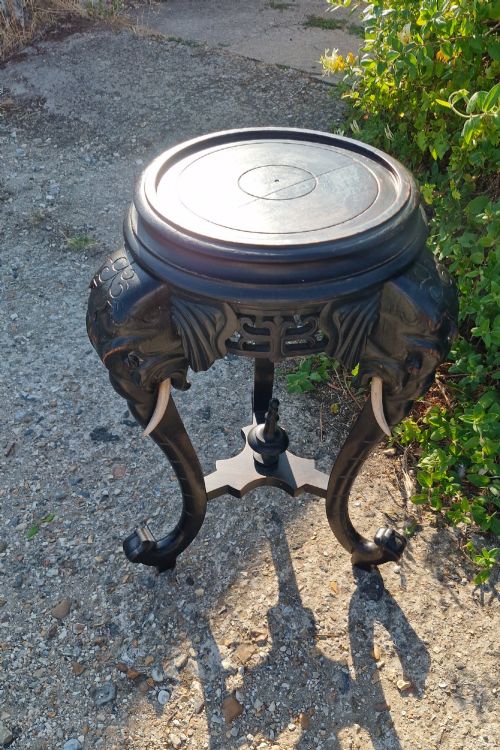
A late Victorian elephant table includes painted wooden tusks alongside its traditional pedestal form.
Factors determining quality
The integrity of the original paint finish dictates much of the visual appeal, as unretouched surfaces with authentic patination command greater interest than later repainting. Fineness in hand-painted botanical or Chinoiserie decoration separates standard utility pieces from exceptional studio and factory output.
Structural robustness in heavy cast iron foundry pieces or carved wooden columns ensures safe load-bearing for heavy urns and busts. The quality of supplementary materials, such as inset marble tops or gilt bronze mounts, signals the original tier of manufacture.
Falkirk Carron foundry·Coalbrookdale·Dunfermline Clay Company·Sèvres·Spode·Limoges·Helena Wolfsohn Dresden·Royal Worcester·Josef Lorenzl
The Antique Painted Pedestal Glossary
- Torchiere
- A tall ornamental stand or floor candelabrum designed to hold a light or a decorative vessel. These slender supports often feature painted wooden shafts.
- Chinoiserie
- European artistic interpretation of Chinese and East Asian decorative motifs, commonly executed in paint and lacquer on furniture cabinets.
- Porcelaneous
- A hard, semi-translucent ceramic material resembling true porcelain, frequently utilised for nineteenth-century decorative vases and pedestal bowls.
- Plinth
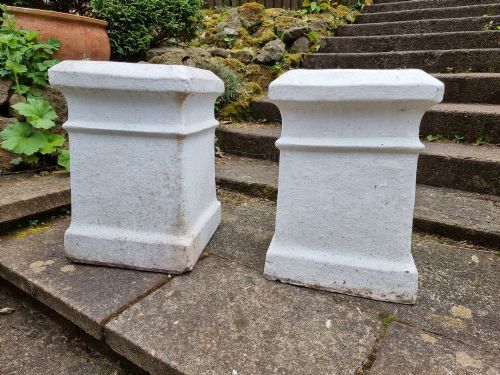
- The heavy base or square block upon which a column, urn, or pedestal stands to provide stability and elevation.
- Tazza
- A wide, shallow saucer-like dish or bowl mounted on a stem and foot, often displayed on a pedestal or table.
Antique Painted Pedestal: Frequently Asked Questions
What were antique pedestals originally used for?
These pieces served to elevate decorative urns, sculptures, lamps, and plants within domestic interiors and gardens. They brought light sources and decorative focal points to specific eye levels in reception rooms.
In larger houses, heavy cast iron or stone versions anchored formal garden walks, while wooden or porcelain variants furnished drawing rooms and hallways.
How do I identify original paint on wooden furniture?
Original paint surfaces show natural wear, fine craquelure, and uniform ageing consistent with the underlying timber. Pigments settle into the grain and corners over decades without modern chemical undercoats.
Inspect the edges and undersides for continuity of colour and matching layers of wear. Later overpainting often conceals this integrated patination.
Can these stands support heavy stone planters?
Cast iron and heavy ceramic pedestals safely hold substantial weights such as bird baths, garden urns, and large planters. Their dense construction prevents tipping.
Wooden and lighter pine bedside or lamp tables are built for porcelain vases, lamps, or small sculptures rather than heavy masonry. Check the base footprint and material strength before placing weighty items atop them.
Where should I place a pedestal in a modern room?
Freestanding columns and torchières suit empty corners, entrance halls, or flanking doorways where height creates visual balance. They draw the eye upward and frame specific sculptures or plants.
Shorter lamp tables and bedside cabinets function practically beside seating or beds while providing display space for decorative ceramics.