

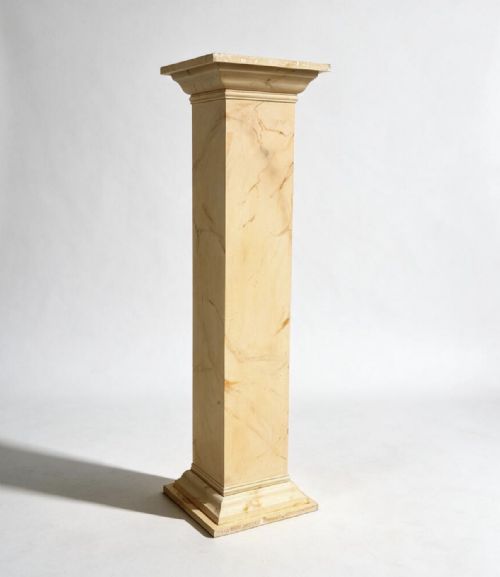

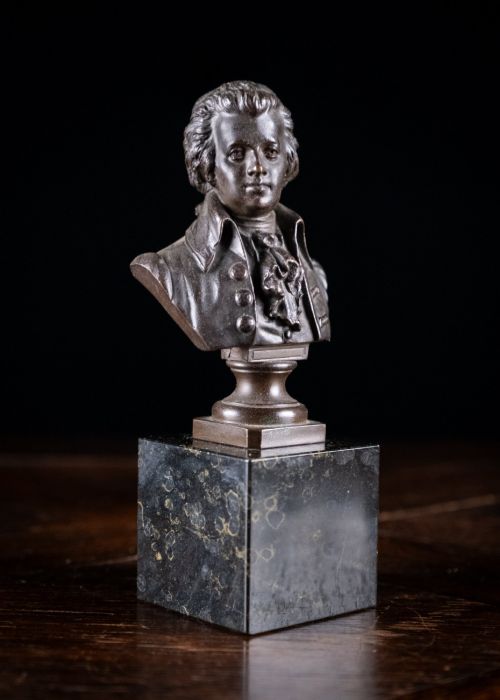

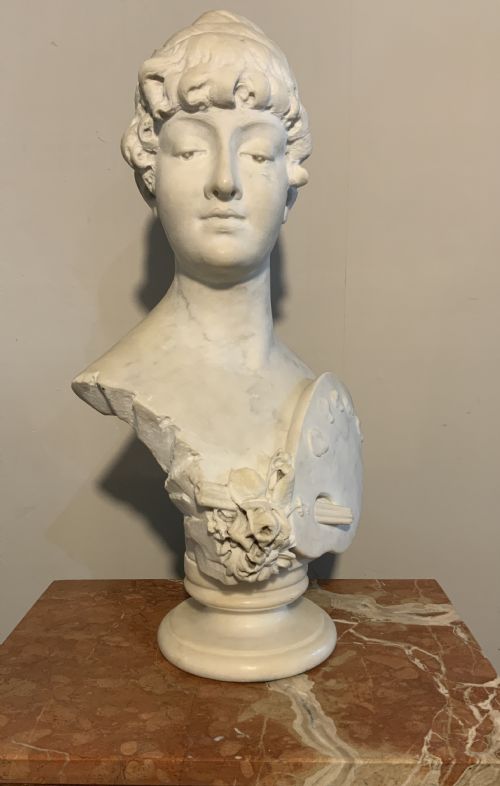
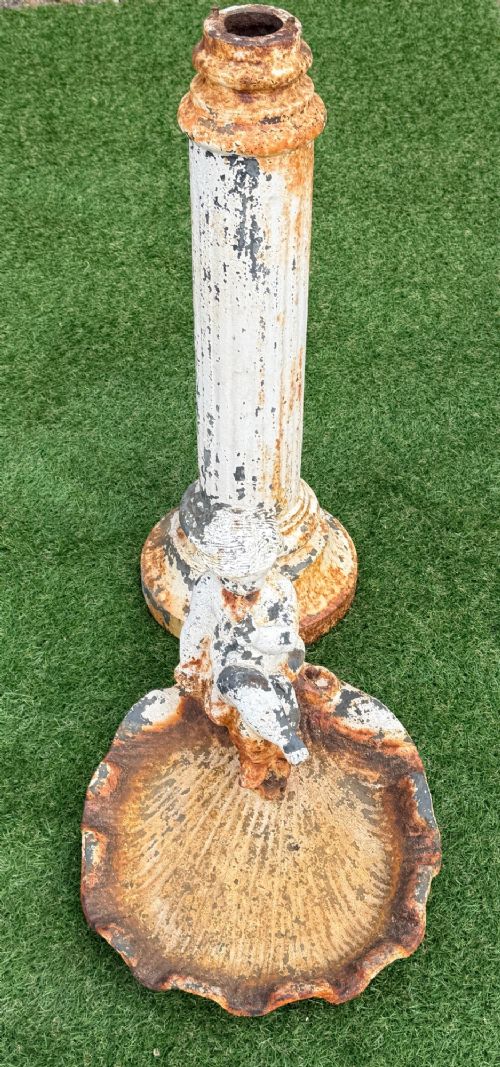



Vintage Statue Pedestal
These vintage statue pedestal displays elevate figures and garden busts, combining sculptural presence with architectural support for interior or exterior settings.
Vintage Statue Pedestal
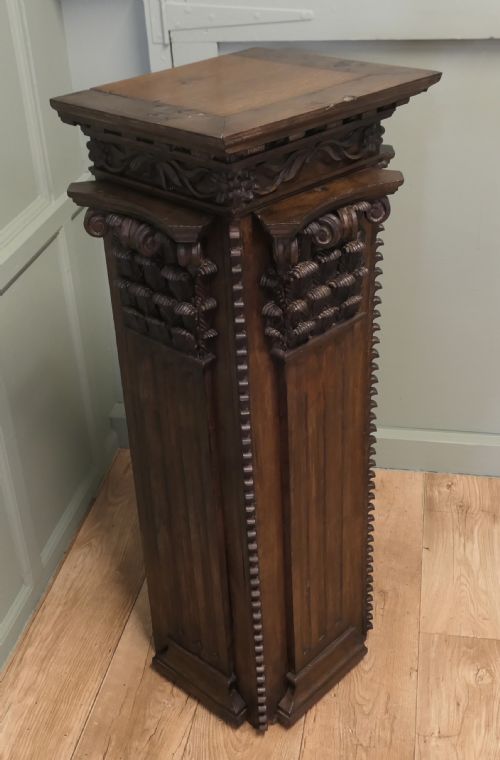
A vintage statue pedestal elevates figures, busts and urns, serving as a distinct architectural support in both interiors and gardens. Buyers searching for a vintage statue pedestal encounter structures that range from interior wood and marble columns to garden stone plinths.
The selections span the nineteenth century through the mid twentieth century, encompassing Victorian garden pieces and later architectural columns. Forms include carved wood columns, faux marble stands, cast iron bases and reconstituted stone plinths designed to display sculpture.
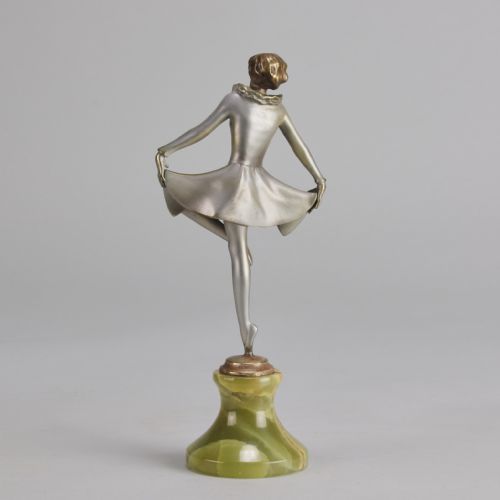
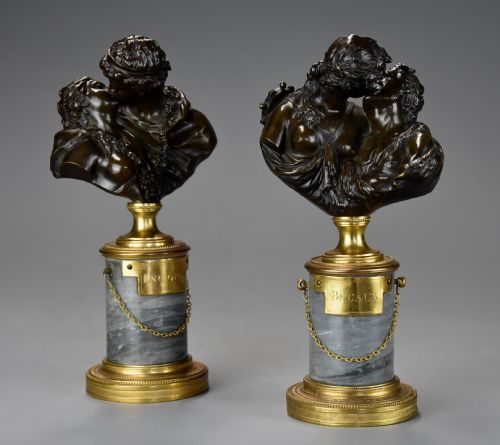
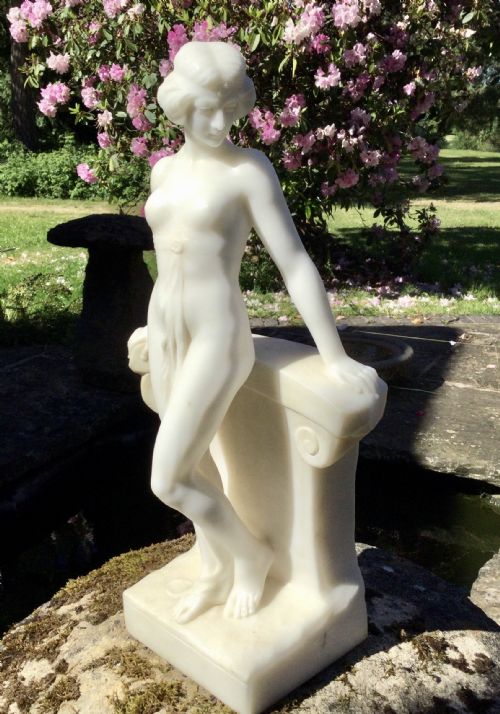
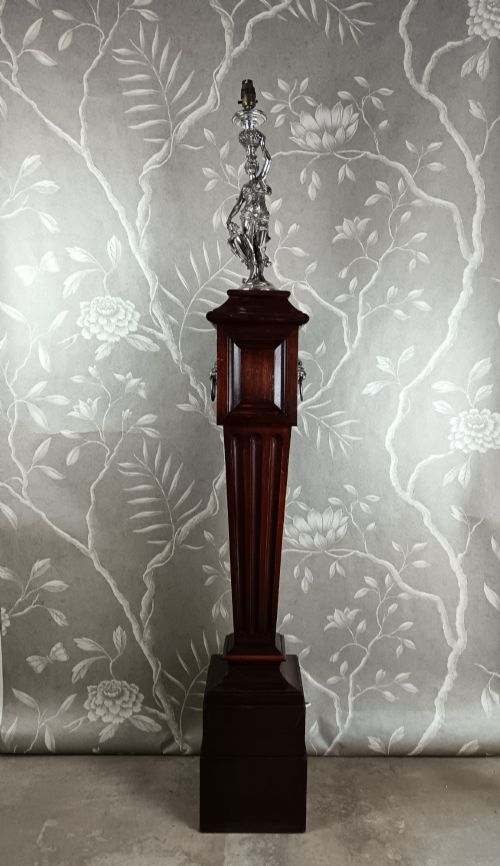
Many items pair a sculptural figure with a separate stand, such as Venetian polychrome figures on stands or garden statues positioned on stone plinths. Others integrate the pedestal directly into the object, such as figural floor lamps and pedestals supporting bronze figures.
How they were made
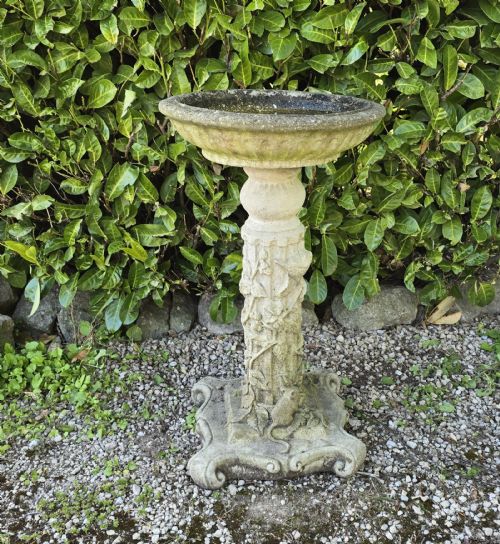
Carvers shaped solid timber, marble and stone using traditional chisels and turning lathes, producing fluted columns, turned wooden pedestals and detailed classical busts. Stonework frequently utilises cast or reconstituted stone to form durable garden plinths and bird baths.
Metal components involve cast iron and bronze, often finished with cold-painting, silver-plating or polychrome decoration over gesso and paint. Wood and plaster surfaces receive hand-painted finishes, lacquer or gilding to emulate richer materials like marble and bronze.
Vintage Statue Pedestal Retail Price Guide 2026
Typical asking prices for vintage statue pedestal among the pieces listed under this phrase on Sellingantiques today, from the lower quarter to the upper quarter. They describe what is for sale here now, not the wider market.
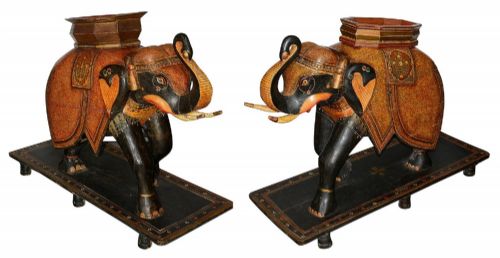
Several pedestals double as polite company, holding everything from young boys with shells to bronze Buddhas and Kashmiri lacquer elephants.
What varies in quality
Material selection dictates both weight and longevity, particularly for outdoor garden statuary where dense natural marble and robust cast stone endure weathering better than painted plaster or softwood. Original surface treatments, such as untouched gilt polychrome or aged patination, hold greater visual integrity than later repaint layers.
Josef Lorenzl·WMF·Jean Antoine Houdon·Claire Colinet
The Vintage Statue Pedestal Glossary
- Plinth
- A heavy base supporting a statue, column or bust. It provides stability and visual weight to elevated sculpture.
- Torchere
- A tall ornamental stand or floor lamp designed to hold a light source or a small decorative figure. These pieces often feature slender shafts.
- Polychrome
- Painted or decorated in several colours. This finish appears frequently on Venetian and carved wooden figures.
- Reconstituted stone
- A composite material made from aggregate stone mixed with a binder to imitate natural carved stone. It is commonly utilised for garden statuary and plinths.
- Caryatid
- A sculpted female figure serving as an architectural support taking the place of a column or pilaster. Pairs of these figures often frame architectural displays.
Vintage Statue Pedestal: Frequently Asked Questions
How do I choose the right height?
Consider the viewing angle of the room or garden space where the piece will stand. Taller columns suit corners and hallways, while shorter plinths keep busts at eye level for seated viewers.
Ensure the top surface matches the base dimensions of your statue to maintain secure balance.
Are these pieces suitable for outdoor use?
Suitability depends entirely on the original material specified for the construction. Cast stone, reconstituted stone and cast iron withstand garden conditions over decades.
Wood, plaster and cold-painted bronze require indoor environments to prevent moisture damage and surface degradation.
How do I identify different historical periods?
Look to the decorative vocabulary and material choices characteristic of specific eras. Victorian examples often favour heavy turned timber and cast iron, while Art Deco items display streamlined bronze or silvered finishes.
Nineteenth-century pieces commonly employ classical revival motifs drawn from Neoclassical and Venetian styles.
How do I clean antique marble and stone?
Dust surfaces regularly with a soft, dry cloth to prevent particulate accumulation. Avoid harsh chemical cleaners that strip historical patination or etch polished marble.
Garden stone tolerates gentle water rinsing, but porous materials benefit from specialised conservation cleaners.