



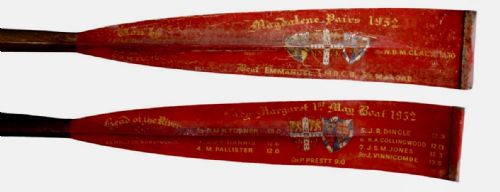


Antique Sporting Trophy
An antique sporting trophy commemorates athletic triumph and field pursuits, bringing tactile history and competitive spirit into your home.
Antique Sporting Trophy
When you search for an antique sporting trophy, you encounter a diverse array of commemorative objects that celebrate human athleticism and rural field sports. These pieces span from the late nineteenth century through to the middle of the twentieth century, capturing decades of competitive history.
Origins vary across British and continental workshops, reflecting regional sporting traditions such as university rowing, curling, and fox hunting. Each object serves as a tangible link to specific matches, meets, and exhibitions of prowess.
Materials and construction methods
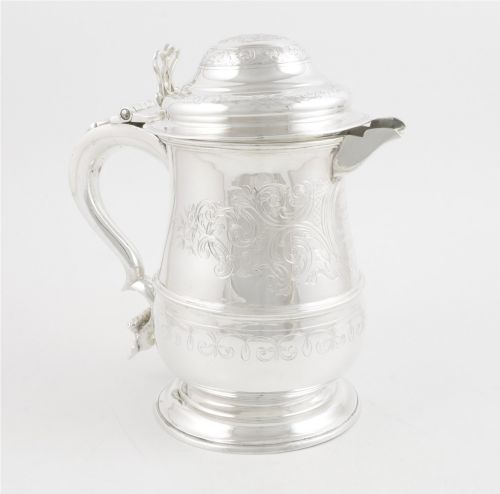
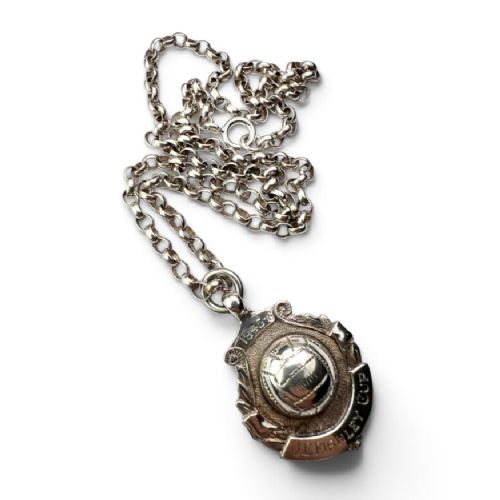
Silversmiths utilised sterling silver and silver-plating to shape presentation goblets, medals, and pocket watch chains, often employing intricate hand engraving to record dates and recipients. These metal items demonstrate traditional stamping, casting, and chasing techniques.
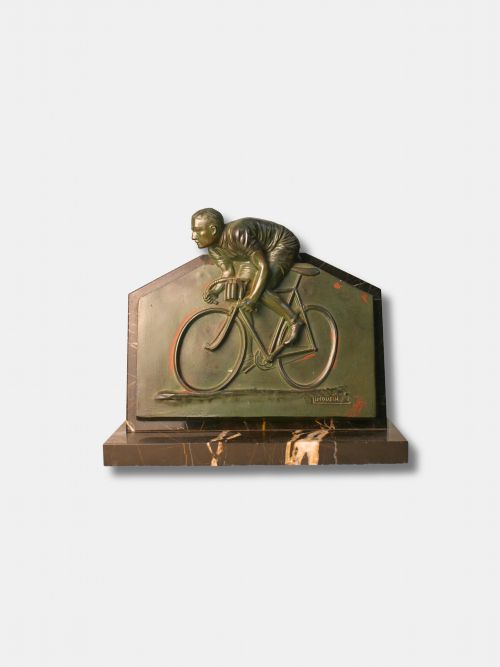
Taxidermists prepared wall mounts and table lamps using natural fur, antler, and wood shields, sometimes combining oak and taxidermy to create functional decor. Sculptors worked in bronze, spelter, and onyx to render animalier studies and human figures.
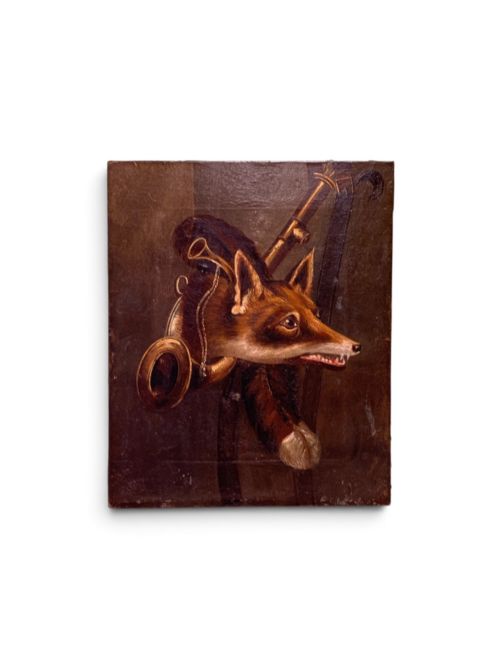
Artists applied oil on canvas to capture detailed still life scenes and animal subjects, while jewellers mounted enamel onto precious metals for medallions and pendants.
Antique Sporting Trophy Retail Price Guide 2026
Typical asking prices for sporting trophy among the pieces listed under this phrase on Sellingantiques today, from the lower quarter to the upper quarter. They describe what is for sale here now, not the wider market.
The listings demonstrate a strong presence of 19th-century and early 20th-century items, utilising sterling silver, oak, taxidermy, and bronze.
Quality variations in craftsmanship
The standard of a piece rests upon the crispness of its hand engraving and the anatomical accuracy of its metal or taxidermy forms. Superior silver items exhibit deep, clean lettering and substantial weight.
Taxidermy execution dictates value significantly, where professional preservation maintains natural posture and clean pelts over decades. Bronze sculptures differentiate themselves through fine chasing of surface textures and stable, well-fitted mounting on materials like onyx or marble.
Maker attribution elevates certain works, particularly when pieces bear recognizable signatures or stamps from established taxidermy firms and silversmiths.
Henry Tatton Son·David McGregor Perth·Peter Spicer Sons
The Antique Sporting Trophy Glossary
- Animalier
- A nineteenth-century artistic style focusing on the realistic portrayal of animals, frequently seen in bronze sculptures.
- Taxidermy
- The art of preserving and mounting animal skins to display lifelike forms, commonly utilised in hunting trophies.
- Spelter
- A zinc alloy frequently used as a cost-effective alternative to bronze for figural sculptures, often finished with a bronze-like patina.
- Hallmark
- An official stamp applied by an assay office to precious metals, indicating purity, maker, and year of testing.
- Fob
- A small medallion or ornament attached to a pocket watch chain, often presented as a sporting prize.
Antique Sporting Trophy: Frequently Asked Questions
How do I date a silver trophy?
Examine the hallmarks stamped directly onto the metal surface, which reveal the assay office, standard of silver, and a specific date letter.
Compare these official marks against published reference guides to pinpoint the exact year of manufacture.
Where should I display taxidermy mounts?
Mount taxidermy pieces on sturdy interior walls away from direct sunlight and excessive moisture to protect the natural fur and wood shields.
Ensure adequate clearance from heat sources to prevent the preservation materials from drying out or degrading.
What maintenance do silver trophies need?
Clean sterling silver items periodically with a soft cloth and specialised polish to remove tarnish without abrading engraved details.
Avoid harsh chemical dips that strip away the subtle patination accumulated over generations of handling.
How do I identify sporting medals?
Inspect both sides of the medallion for engraved inscriptions detailing the sport, recipient name, winning club, and event date.
Check for suspension loops or rings that indicate whether the piece was worn as a pendant or mounted on a chain.