


Antique Splash Lustre
Antique splash lustre brings the brilliant, speckled metallic finish of nineteenth-century English earthenware straight to your table.
Antique Splash Lustre
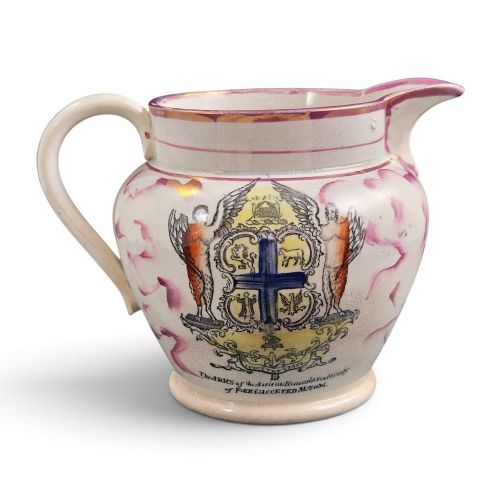
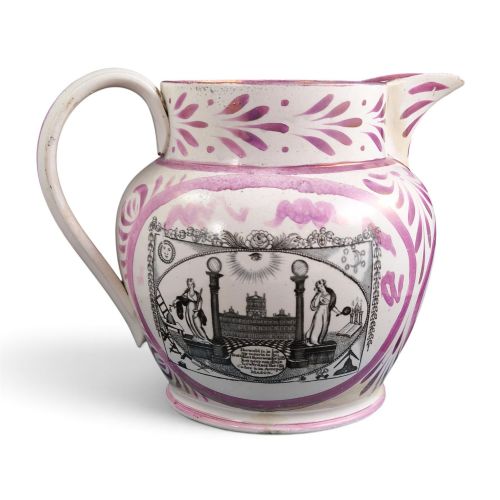
Antique splash lustre comprises earthenware jugs and bowls decorated with characteristic mottled pink and purple metallic glazes. These pieces predominantly originate from nineteenth-century English potteries, spanning the Georgian and Victorian eras.
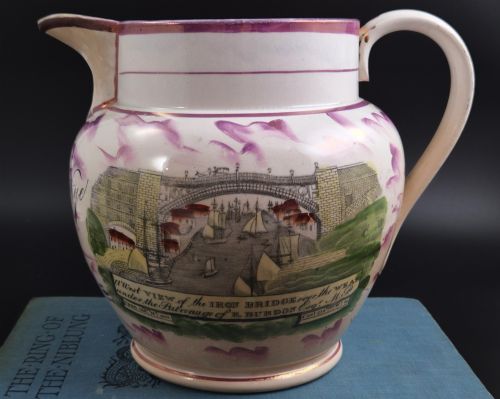
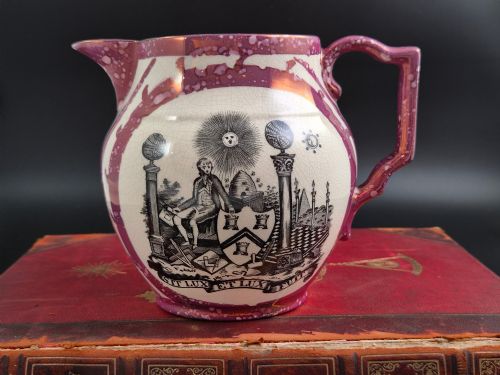
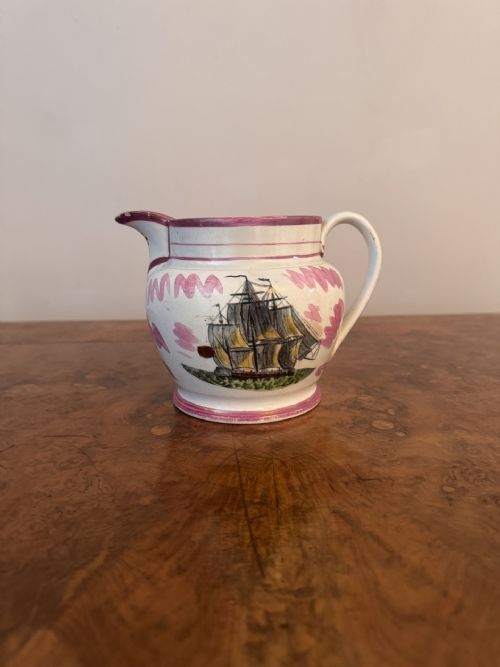
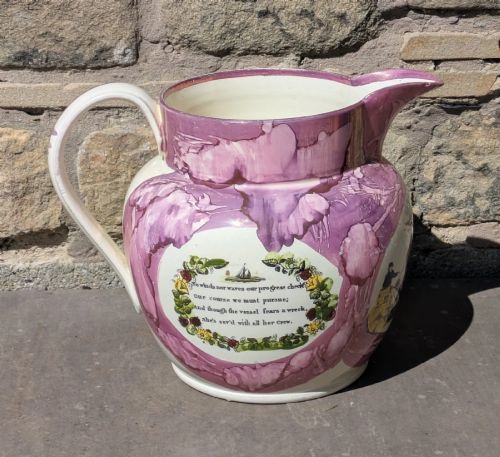
You are most likely to encounter robust jugs and pitchers featuring transfer-printed maritime scenes, Masonic symbols, or moral verses. The form follows practical utilitarian shapes that double as decorative table objects.
The aesthetic centres on the distinctive splashed or mottled application of metallic oxide, which creates an iridescent surface. This technique produces an eye-catching speckled effect across the body of each vessel.
How they were made
Potters shaped these items from earthenware and pearlware bodies before applying a white or cream glaze as a base. Artisans then added transfer-printed inscriptions, poems, and pictorial themes including tall ships and the Iron Bridge over the Wear.
The characteristic splash lustre effect was achieved by flicking or spattering metallic glaze onto the surface before firing. Controlled kiln reduction processes transformed the metallic oxides into a shimmering, reflective sheen.
Listings demonstrate that nineteenth-century splash lustre primarily appears on earthenware and pearlware jugs featuring maritime or Masonic themes.
What varies in quality
Quality rests upon the richness and density of the metallic lustre application alongside the crispness of the transfer-printed motifs. Finer examples display deep, vibrant pink hues that cover the body evenly without dull patches.
Sunderland Garrison Pottery
The Antique Splash Lustre Glossary
- Splash lustre
- A metallic glaze technique where oxides are flicked onto pottery to create a mottled, speckled appearance. This finish reflects light with an iridescent pink or purple sheen.
- Pearlware
- A refined earthenware developed in the late eighteenth century featuring a subtle bluish-grey glaze. It served as a popular pale ground for lustre decoration.
- Earthenware
- Porous ceramic fired at lower temperatures than stoneware or porcelain. It forms the standard body for nineteenth-century lustre jugs.
- Transfer printing
- A method of applying engraved designs to ceramics using paper templates. This allowed intricate maritime scenes and poems to be reproduced consistently on jugs.
Antique Splash Lustre: Frequently Asked Questions
What is splash lustre?
Splash lustre is a nineteenth-century ceramic decoration technique where metallic oxides are flicked onto an earthenware body to create a mottled, speckled finish.
The resulting glaze catches the light with a distinctive pink or purple iridescent sheen, characteristic of English regional potteries from the Georgian and Victorian periods.
How were these jugs used?
These earthenware vessels served as both functional household pitchers and commemorative pieces for sailors, lodges, and local events. Many feature patriotic verses, maritime scenes, or Masonic emblems intended for display.
Their robust construction suited everyday tavern or domestic use, while the decorative prints celebrated personal milestones, naval occupations, and fraternal bonds.
How do I date an antique lustre jug?
Dating relies on stylistic clues, ceramic body composition, and occasional named inscriptions or dates fired directly onto the piece. Pearlware bodies and certain transfer-printed themes point towards earlier Georgian production.
Later Victorian examples often feature bolder pink splash effects and heavier earthenware bodies. Comparing the specific typographic style of printed verses also helps narrow the manufacturing period.
What themes appear on these pieces?
Maritime subjects dominate the decorative repertoire, featuring tall ships, sailors' farewells, and depictions of the Iron Bridge over the Wear. Fraternal themes such as Masonic emblems also recur frequently.
Potters additionally incorporated moral poetry, named personal inscriptions, and boxing scenes onto the ceramic surfaces to commemorate specific individuals and communal occasions.