


Antique Spirit Cabinet
An antique spirit cabinet organises your hospitality with the substance of past centuries, holding decanters and glassware in seasoned timber.
Antique Spirit Cabinet
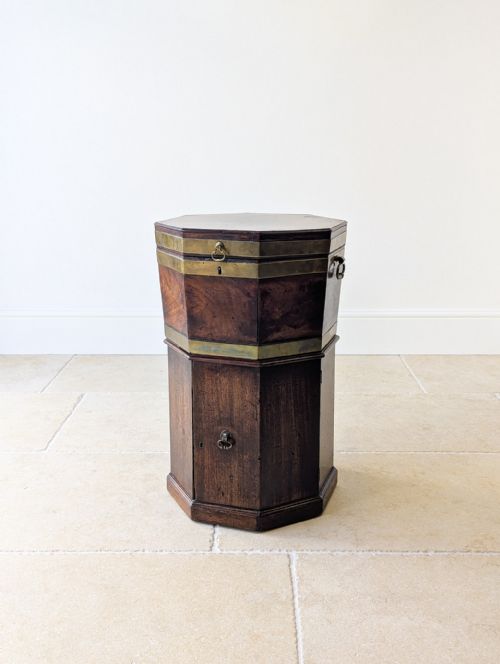
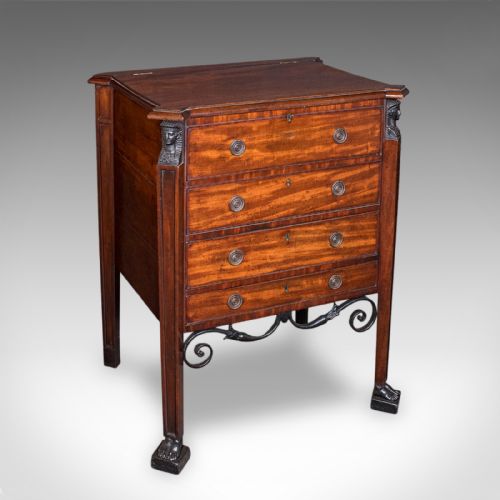
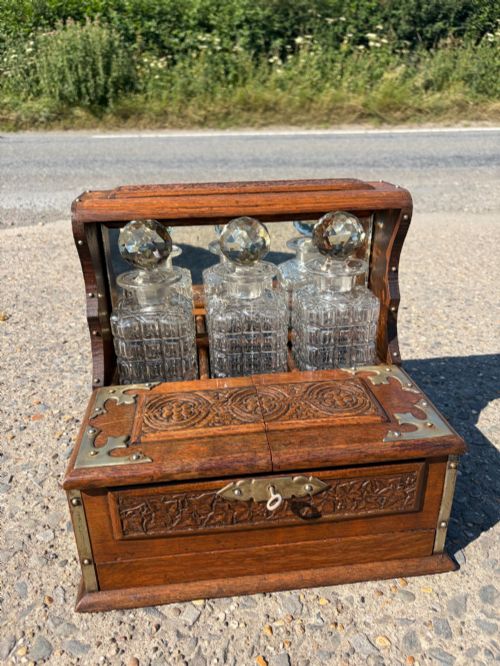
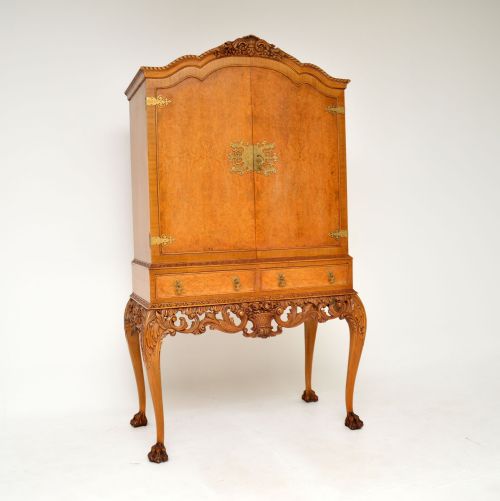
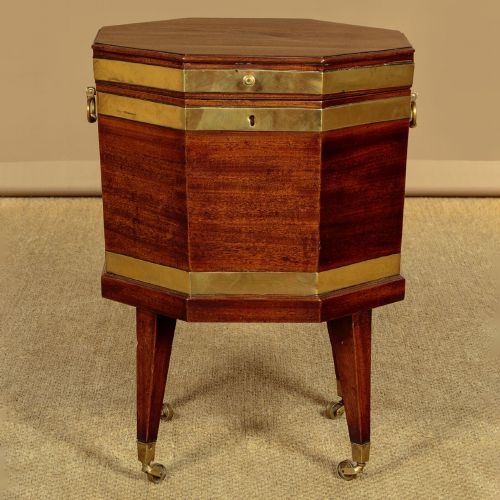
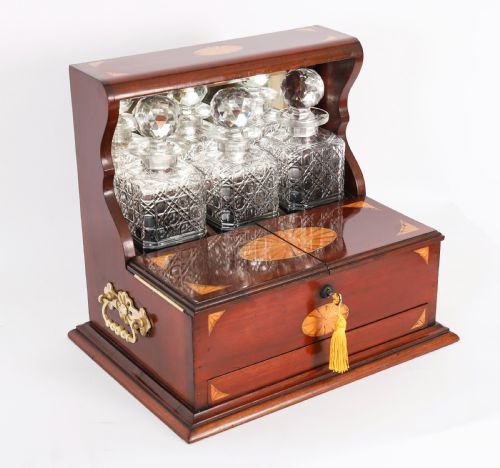
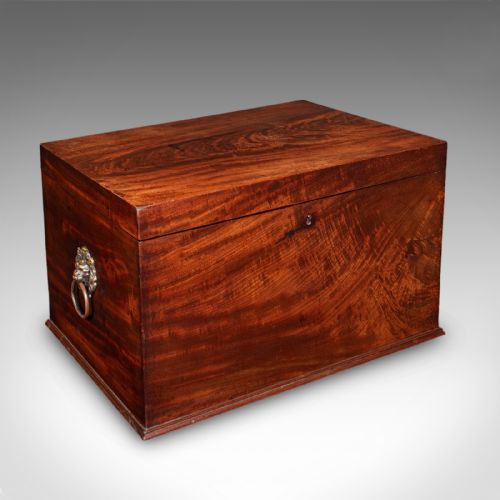
When you search for an antique spirit cabinet, you encounter a specialised form of furniture designed to store liquor, decanters, and glassware securely. These pieces range from Georgian brass-bound cellarettes and nineteenth-century tantaluses to twentieth-century cocktail cabinets and drinks compendiums.
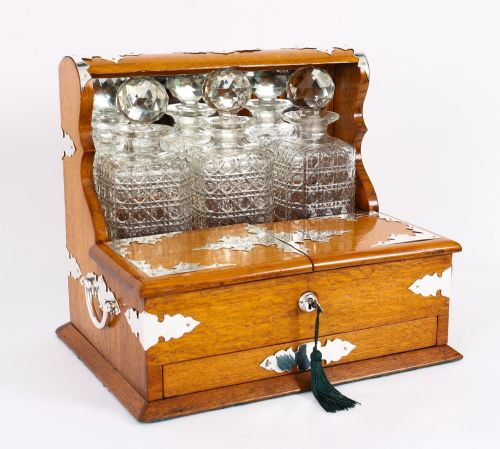
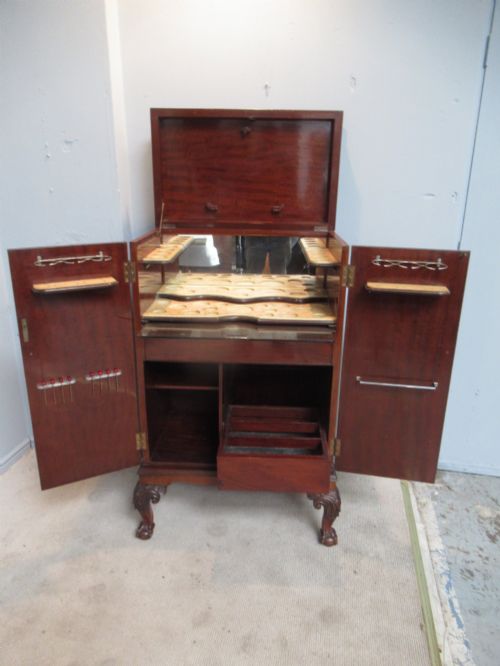
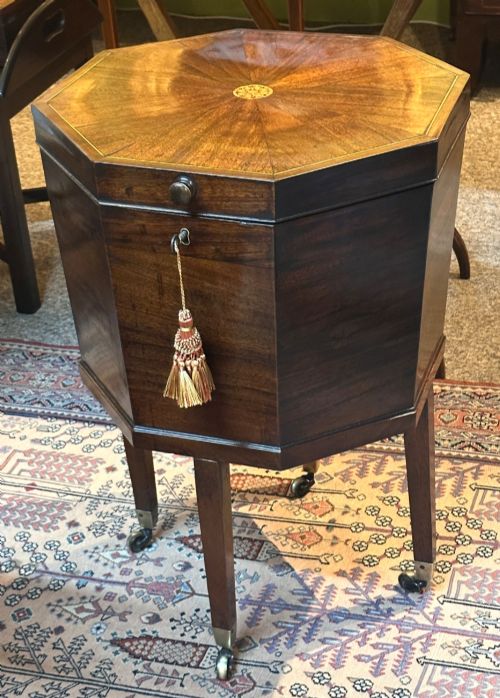
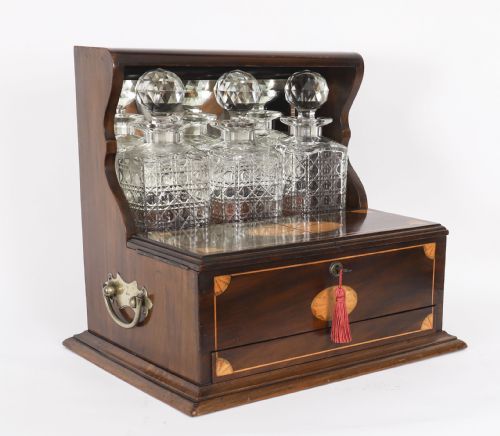
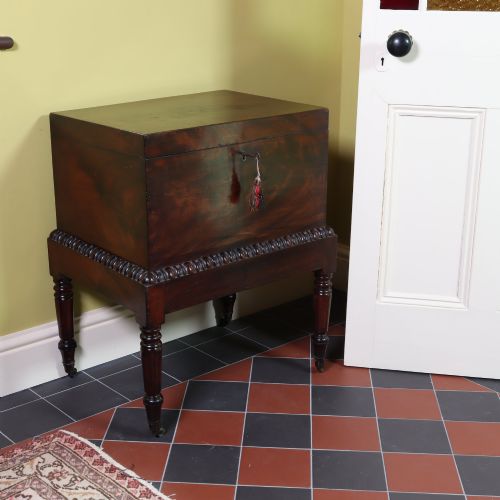
The version you meet most frequently on this page is the nineteenth-century oak or mahogany tantalus, often fitted with cut crystal decanters and games compartments. Alongside these, Georgian flame mahogany cellarettes and 1930s walnut cocktail cabinets appear with regular frequency.
Origins stretch across English, Irish, and continental workshops, encompassing styles from Queen Anne and Chippendale revivals to Art Deco and Egyptian taste. They served as functional storage in dining rooms and drawing rooms, keeping costly spirits under lock and key.
Materials and construction
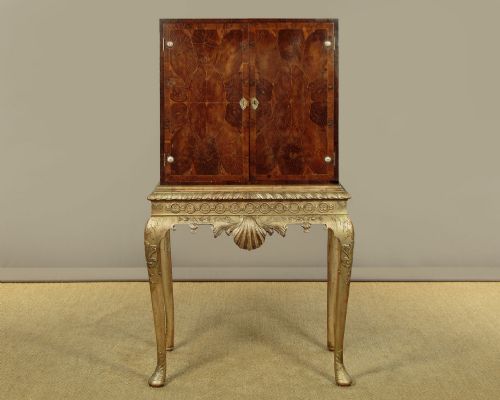
Cabinetmakers utilised dense timbers such as mahogany, oak, walnut, and satinwood, frequently employing flame veneers and marquetry stringing to decorative effect. Solid brass bands, corner brackets, and locking mechanisms provide structural reinforcement and security.
Interiors often feature fitted wooden frames lined with mirror glass, alongside compartments designed specifically to hold cut crystal decanters, glasses, and playing cards. Silver plate mounts and hardware finish the assembly.
Joinery relies on traditional techniques suited to heavy duty use, ensuring the framework supports the considerable weight of bottles and liquid contents.
Antique Spirit Cabinet Retail Price Guide 2026
Typical asking prices for spirit cabinet among the pieces listed under this phrase on Sellingantiques today, from the lower quarter to the upper quarter. They describe what is for sale here now, not the wider market.
Listings span from the 18th century through to the 1930s, featuring oak, mahogany, walnut, and coromandel alongside brass and cut glass.
Distinctions in quality
Quality rests upon the selection of timber figures, such as rich flame mahogany or figured burr walnut, matched with crispness in inlay work and brass mounts. Superior pieces display harmonious proportions and robust locking mechanisms that remain fully functional.
The integrity of the internal fittings, including undamaged cut glass decanters and complete original games compendiums, elevates a piece significantly. Finer examples maintain original finishes that exhibit a deep, warm patina developed through decades of careful maintenance.
Gillingtons
The Antique Spirit Cabinet Glossary
- Tantalus
- A locking drink container that secures decanters within a metal bar frame, preventing removal without a key while displaying the contents. It gained popularity during the Victorian era for domestic entertaining.
- Cellarette
- A lockable box or cabinet designed to hold wine bottles and spirits, often lined with lead or brass. Earlier Georgian examples stood on legs or floor frames, while later versions sat upon sideboards.
- Decanter
- A stoppered glass vessel used for serving wine or spirits. In antique spirit cabinets, these are frequently heavy cut crystal.
- Marquetry
- Decorative woodwork where pieces of veneer are fitted into a background to form geometric or floral patterns. It appears frequently on nineteenth-century cabinetwork.
Antique Spirit Cabinet: Frequently Asked Questions
What is an antique spirit cabinet?
An antique spirit cabinet is a dedicated piece of furniture designed to securely store and display liquor, decanters, and drinking accessories. These range from heavy wooden cellarettes of the Georgian period to locking tantaluses and twentieth-century cocktail cabinets.
They were essential fixtures in dining rooms and drawing rooms of past centuries, allowing hosts to serve guests while keeping expensive spirits under lock and key.
How do I date an antique tantalus?
Dating relies on examining the timber, hardware, and locking mechanisms used in the construction. Victorian and Edwardian examples often feature heavy oak frames with brass strapping and three cut crystal decanters.
Earlier Georgian pieces utilise solid mahogany with distinctive brass banding and octagonal or cellarette forms, while 1930s variants favour walnut veneers and streamline aesthetics.
How were spirit cabinets used originally?
These cabinets served primarily in country houses and town residences to store alcoholic beverages and glassware away from domestic staff and unauthorised drinkers. Many incorporate games compendiums, doubling as entertainment centres for cards and board games.
Locked bars prevented the removal of decanters, ensuring household supplies remained strictly monitored by the master or mistress of the house.
How do I care for wood and crystal?
Maintenance requires regular dusting with a soft, dry cloth and occasional application of appropriate beeswax to nourish antique timbers. Direct sunlight and sudden changes in temperature should be avoided to prevent veneer cracking.
Crystal decanters benefit from gentle hand washing with warm water, avoiding harsh detergents that might damage older glass or silver collars.