


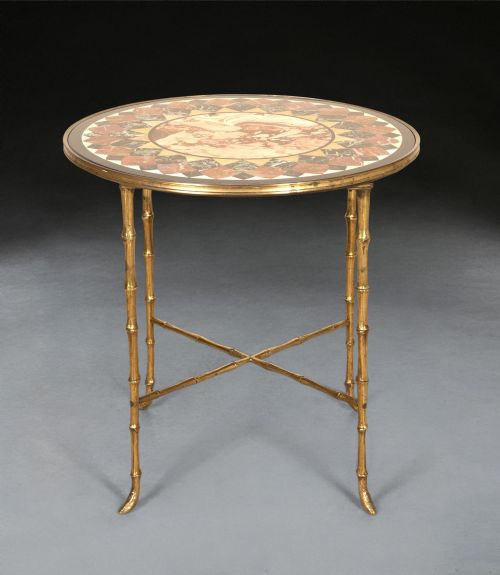

Antique Specimen Table
An antique specimen table brings together the quiet labour of the lapidary and the woodworker to display the natural colours of marble and timber.

Antique Specimen Table
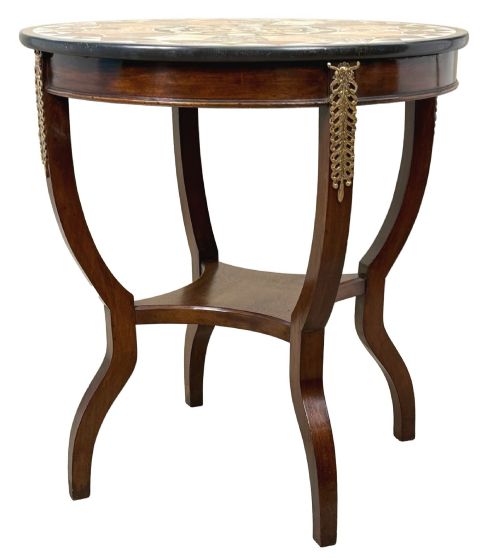
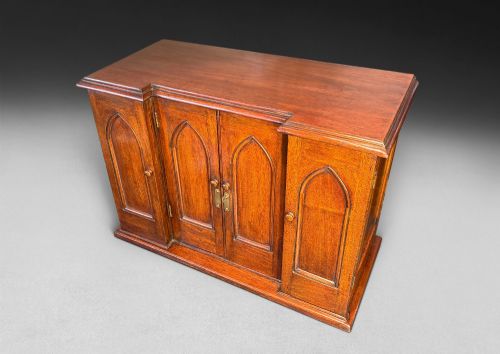
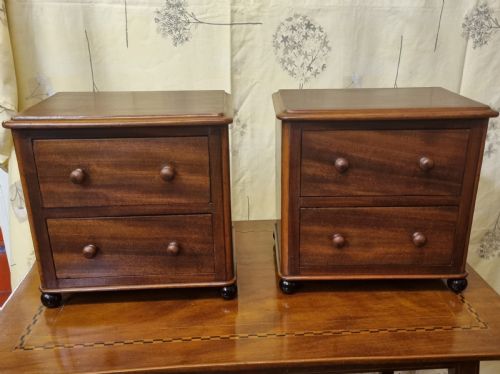
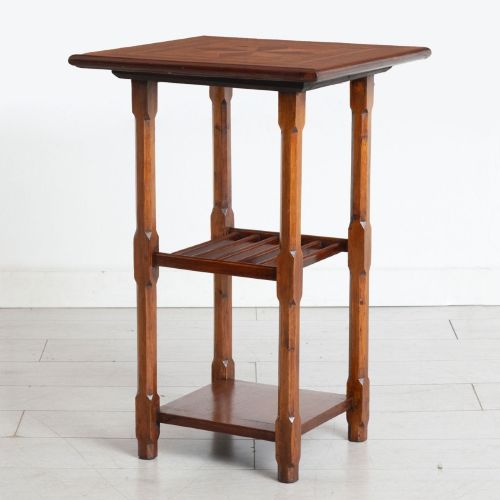
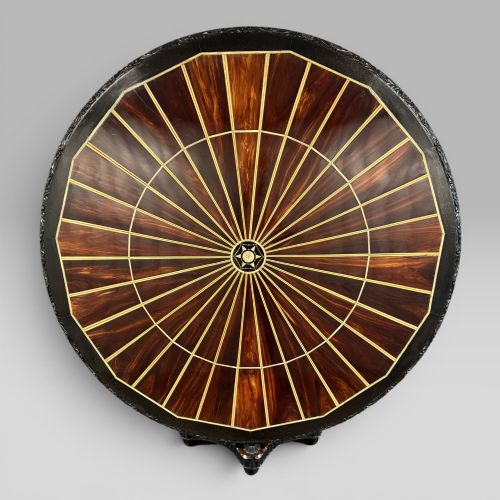
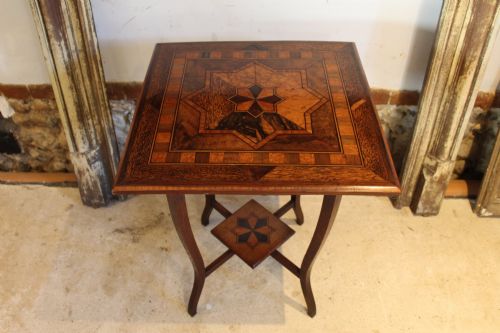
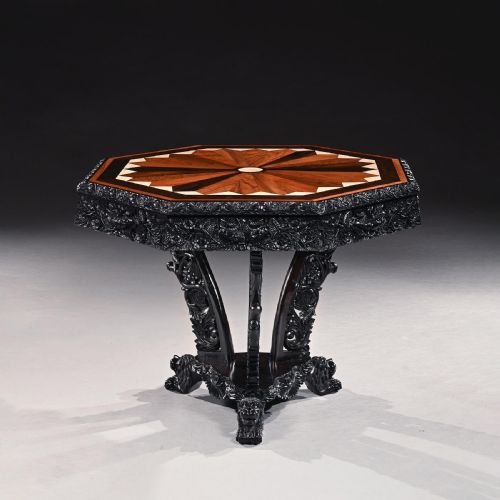
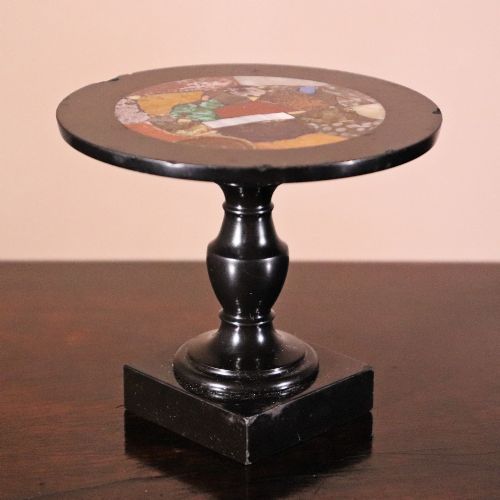
An antique specimen table is a piece of furniture designed to showcase carefully collected geological or botanical samples, arranged into geometric patterns or pictorial mosaics on the surface. These tables take various forms, appearing as occasional, centre, side, and games tables, as well as miniature or table-top variations designed for display.
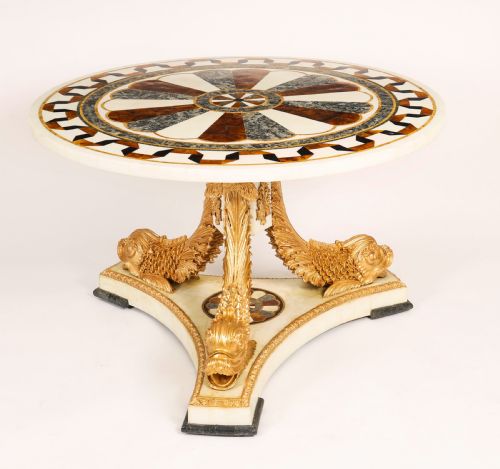
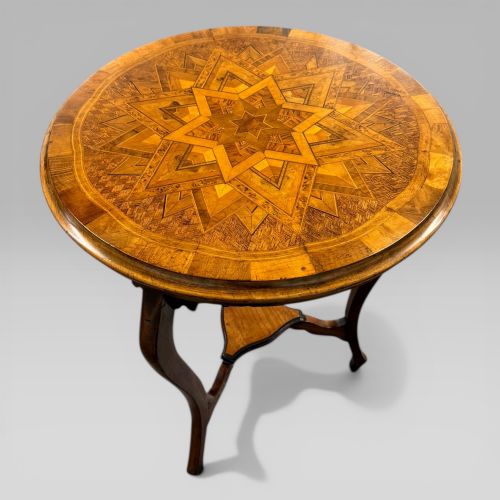
The version most commonly met on this page is the 19th-century occasional or centre table, frequently featuring a circular top composed of inlaid specimen marble or diverse indigenous woods. Pieces span periods from the Georgian and Regency eras through the Victorian age and into Edwardian and later 20th-century examples, reflecting shifting tastes in domestic display.
Makers and workshops across Britain, Europe, and colonial regions such as Ceylon and New Zealand utilised local and imported materials to construct these surfaces. The resulting forms range from simple tripod lamp tables to elaborate marble-topped centre tables supported by carved mahogany or cast iron.
How they were made
Makers constructed the structural bases of these tables using dense timbers such as mahogany, walnut, rosewood, and oak, often incorporating brass fittings and turned supports. These frames provided the necessary rigidity to support heavy stone or intricately parquetted wooden tops.
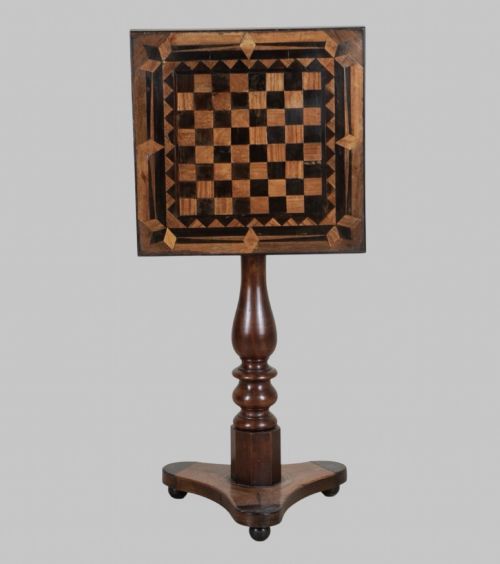
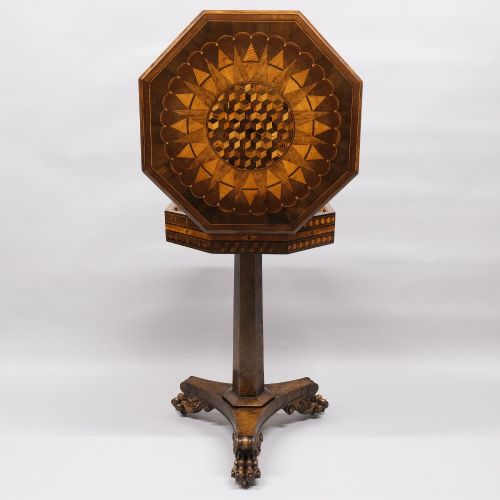
The decorative surfaces relied on precise cutting and fitting of individual pieces, utilising specimen marble, pietra dura, and diverse exotic and native woods. Craftsmen meticulously assembled these fragments into geometric tessellations, chess boards, or botanical marquetry panels before polishing the entire surface to a smooth finish.
Antique Specimen Table Retail Price Guide 2026
Typical asking prices for specimen table among the pieces listed under this phrase on Sellingantiques today, from the lower quarter to the upper quarter. They describe what is for sale here now, not the wider market.
Listings feature 19th-century occasional and centre tables alongside table-top cabinets, utilising mahogany, walnut, rosewood, and marble.
What varies in quality
The standard of an antique specimen table rests primarily on the variety, rarity, and precision of the individual samples selected for the top. Tables featuring extensive collections of numbered geological marbles or highly figured colonial timbers demonstrate a higher degree of workshop skill than those with repetitive or common materials.
Construction details of the base and the tightness of the joinery also separate ordinary items from finer examples. A stable, well-proportioned frame using quality hardwoods with clean parquetry work indicates superior craftsmanship compared to loose joints or plain secondary woods.
James Shoolbred·Ralph Turnbull·Anton Seuffert·Woodley family
The Antique Specimen Table Glossary
- Specimen marble
- Marble selected and cut to show different geological colours and varieties, assembled into tabletops. These stones are often arranged in geometric patterns or specimen grids.
- Pietra dura
- An artistic technique using cut and fitted polished coloured stones to create inlaid images. This pictorial mosaic work frequently appears on Italian and Victorian table tops.
- Parquetry
- Geometric mosaic woodwork formed by small pieces of timber laid down on a surface. It creates patterned tabletops seen on many occasional and games tables.
- Marquetry
- The art of applying pieces of veneer to a structure to form decorative designs. Makers used varied specimen woods to depict scenes or floral motifs.
- Centre table
- A freestanding table finished on all sides, designed to stand in the middle of a room. These frequently feature prominent specimen tops intended for all-round viewing.
Antique Specimen Table: Frequently Asked Questions
What is a specimen table?
A specimen table is a decorative piece of furniture featuring a tabletop composed of various collected samples of marble, stone, or exotic woods arranged in patterns.
These tables were designed to showcase natural history collections and geological or botanical specimens as functional art objects in the home.
How were they used?
These tables served as surface furniture for drawing rooms and parlours, functioning as lamp tables, occasional tables, or specialised games tables with chess boards.
Owners also used them to display smaller decorative objects or simply to demonstrate their appreciation for natural philosophy and fine craftsmanship.
How do I date a specimen table?
Dating relies on examining the secondary timbers, the style of the base construction, and the overall aesthetic movement reflected in the piece, such as Regency or Gothic Revival.
Makers' marks, where present, and the specific combinations of marbles or colonial woods can also narrow down the period of manufacture.
Are marble and wood tables cared for differently?
Marble tops require gentle cleaning with mild soap and water to avoid dulling the polished stone surface, steering clear of acidic substances that can etch the material.
Wooden bases and marquetry tops benefit from traditional wax polishing and protection from direct sunlight and dramatic humidity changes to prevent timber movement.