




Antique Spaniel Ornament
These antique spaniel ornament examples capture the steadfast charm of Victorian interiors, most often found as ceramic figures modelled in pairs.
Antique Spaniel Ornament
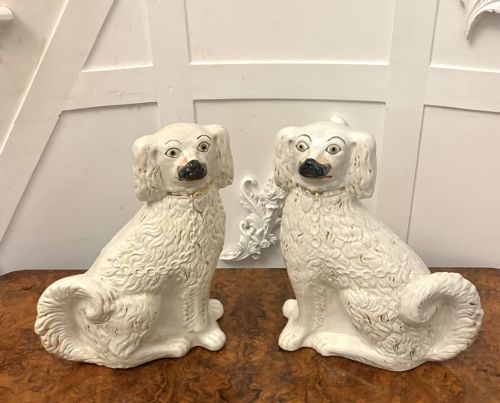
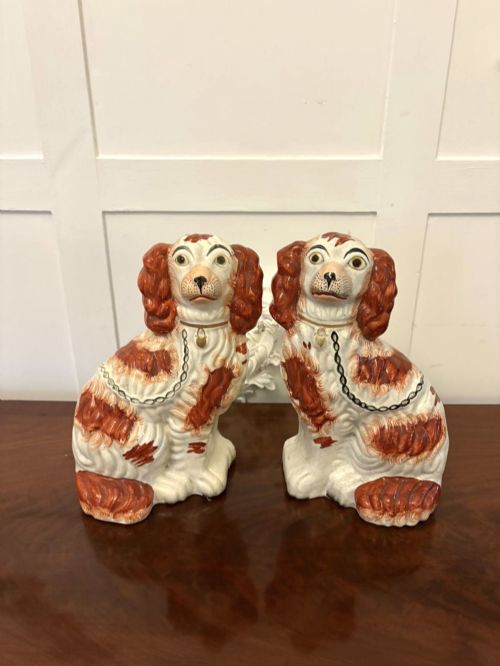
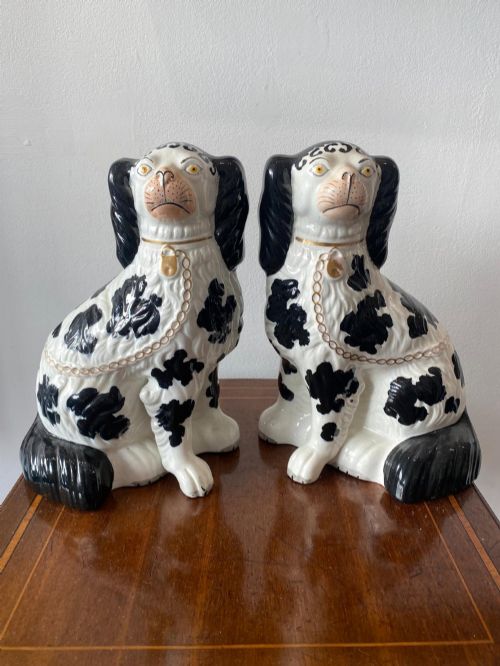
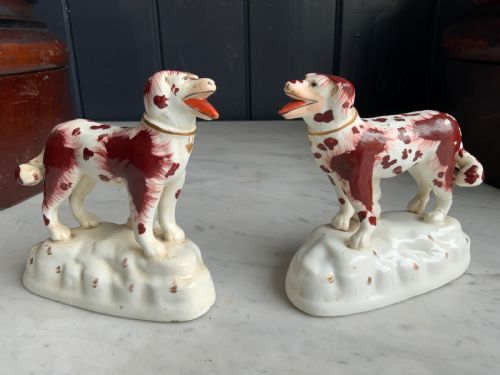
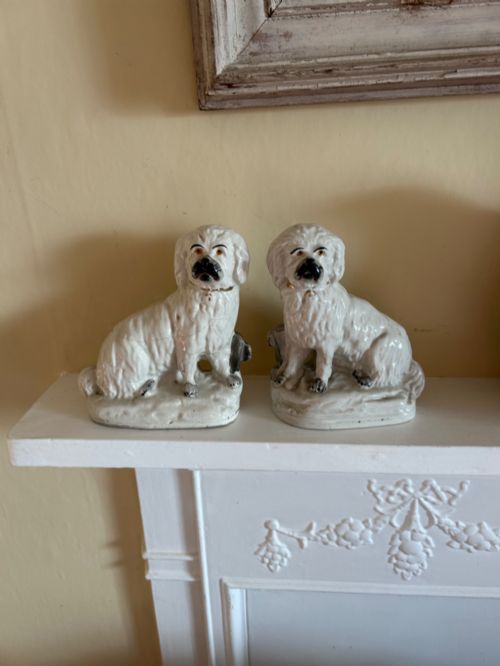
An antique spaniel ornament brings domestic character to a room, drawing on Victorian traditions of mantelpiece display. The pieces on this page appear predominantly as ceramic figures and pottery figurines, frequently arranged as symmetrical pairs intended to sit on either side of a fireplace.
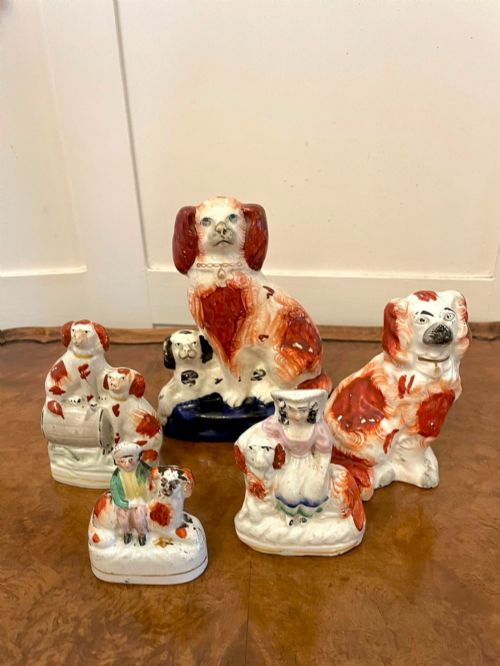
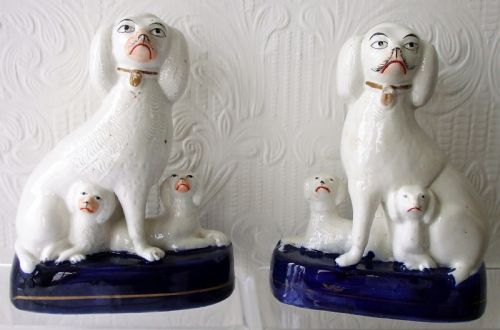
Beyond the standard earthenware spaniel, the selection broadens to include related canine subjects such as poodles, terriers, and retrievers. Formats range from simple seated dogs to clock groups and models accompanied by puppies.
Materials and production
Potters relied primarily on earthenware, ceramic, and stoneware, shaping the figures through traditional moulding techniques before applying glaze. Many examples show hand-painted surface details, enamel highlights, or gilt decoration to define the collars, lockets, and facial expressions.
Alternative mediums appear across the listings in bronze, cast iron, plaster, and Chinese export porcelain. These diverse materials demonstrate how different workshops adapted canine subjects for domestic settings, from heavy doorstops to finely cast sculptures.
Antique Spaniel Ornament Retail Price Guide 2026
Typical asking prices for spaniel ornament among the pieces listed under this phrase on Sellingantiques today, from the lower quarter to the upper quarter. They describe what is for sale here now, not the wider market.
Listings feature periods spanning from the eighteenth century to the mid-twentieth century, with the Victorian era representing the most common period for ceramic spaniels.
Distinguishing quality
Pairs that retain their original matched proportions and consistent glaze coloration stand apart from mismatched assemblies. Additional care in the modelling of secondary elements, such as textured coats or accompanying puppies, signals superior workmanship.
Royal Doulton·Beswick
The Antique Spaniel Ornament Glossary
- Copper lustre
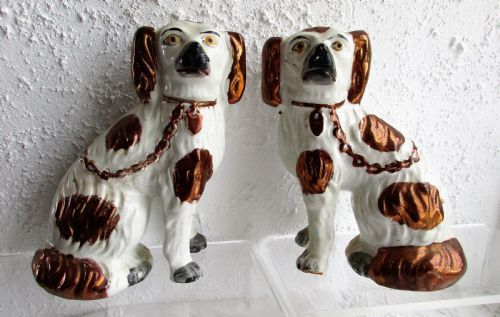
- A metallic glaze technique that imparts a reflective, coppery sheen to the ceramic surface. Potters achieved this effect by introducing metallic oxides into the kiln atmosphere during firing.
- Staffordshire
- A broad geographical term designating pottery and figures produced in the Staffordshire Potteries region of England. Most ceramic dog ornaments on this page originate from these factories.
- Enamel
- Opaque vitreous colours fused to the ceramic body over the primary glaze through a secondary low-temperature firing. This method allowed makers to add vibrant red, black, and gold details to the finished figures.
Antique Spaniel Ornament: Frequently Asked Questions
What are comforter spaniels?
Comforter spaniels are ceramic figures modelled after small lapdogs that Victorian households kept by the hearth. Potters produced them in matched pairs to sit at either end of a mantelpiece.
They gained immense popularity during the nineteenth century as an accessible form of decorative art. Today, collectors seek them out for their traditional domestic appeal and historic regional styles.
How do I identify Victorian Staffordshire dogs?
Staffordshire dogs typically feature earthenware or pottery bodies with hand-painted or glazed markings in black, red, or copper lustre. They frequently display golden chains and lockets painted around their necks.
Looking underneath often reveals hollow bases with small vent holes necessary for the firing process. The presence of crazing in the glaze also points towards nineteenth-century production methods.
Were these ornaments always made in pairs?
Makers designed the majority of these ceramic figures to be displayed as symmetrical pairs facing one another. This arrangement suited the formal mantelpiece layouts of nineteenth-century interiors.
Single pieces do appear occasionally, sometimes separated from their original partners over time. Pairs that have stayed together remain more desirable for traditional displays.
What materials were used besides ceramic?
While earthenware and pottery dominate the selection, the category includes pieces cast in bronze, iron, plaster, and porcelain. Early examples extend to Chinese export porcelain and heavier metal sculptures.
These alternative mediums served different household functions, from lightweight decorative figurines to heavy cast iron doorstops. Each material brings a distinct weight and finish to the subject.