

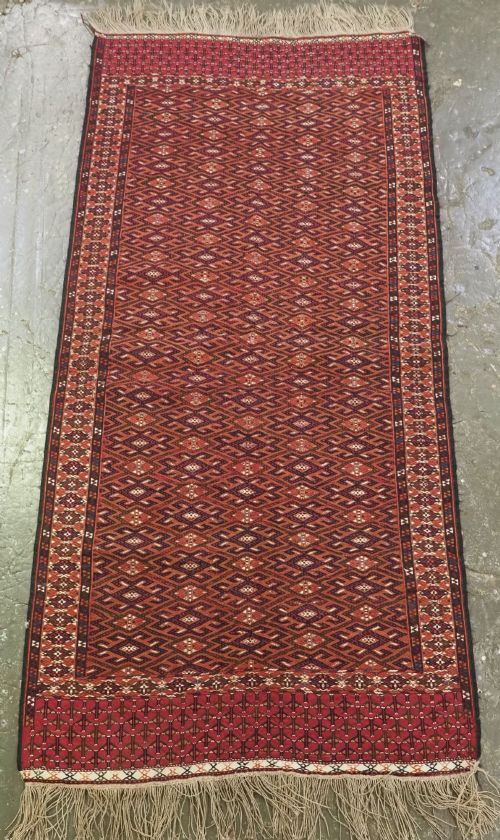
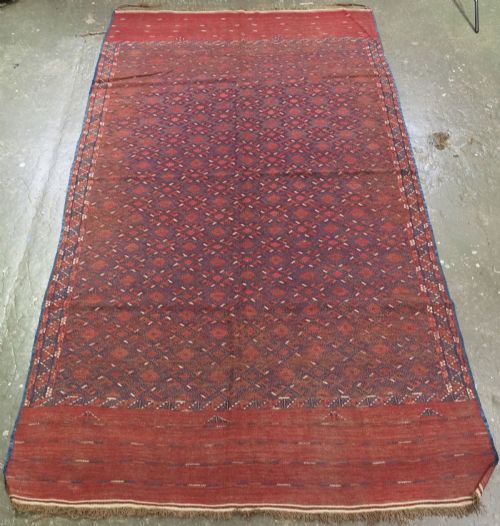
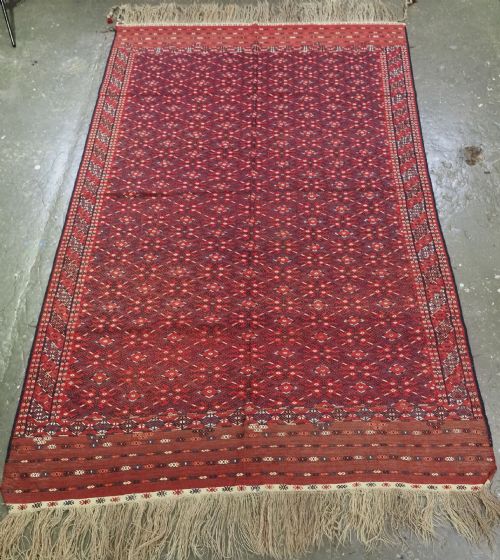
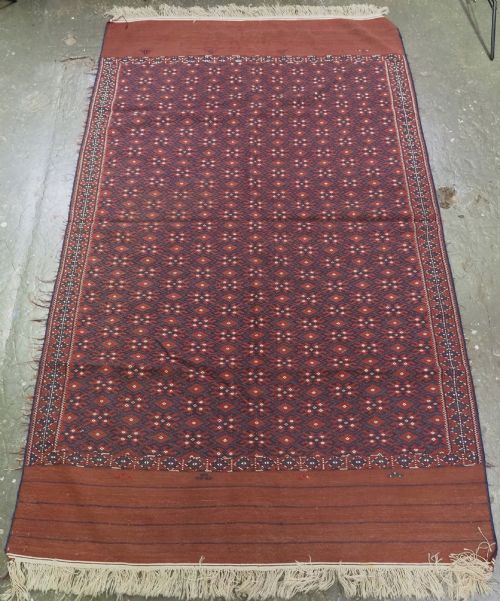


Antique Soumak Flatweave
When you examine an antique soumak flatweave, you hold a piece of nomadic textile history defined by intricate wrapping techniques and rich tribal symbolism.
Antique Soumak Flatweave
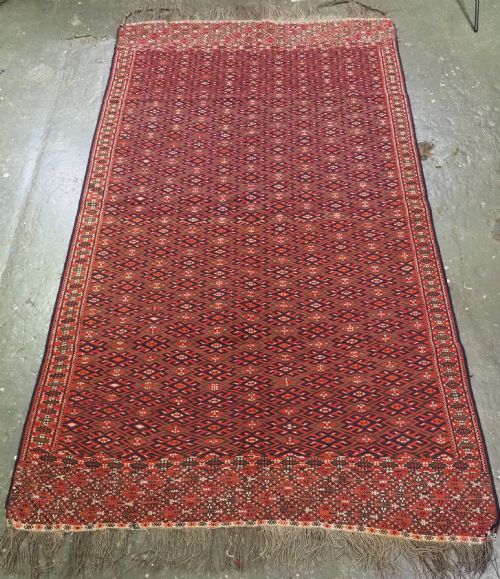
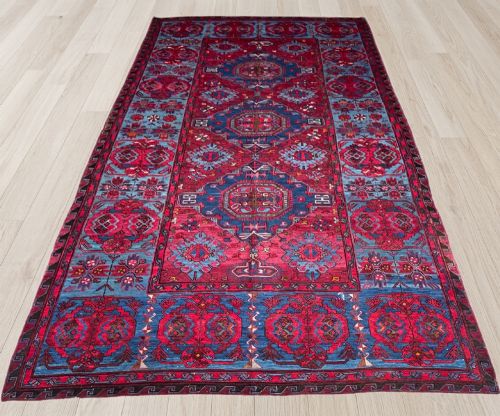
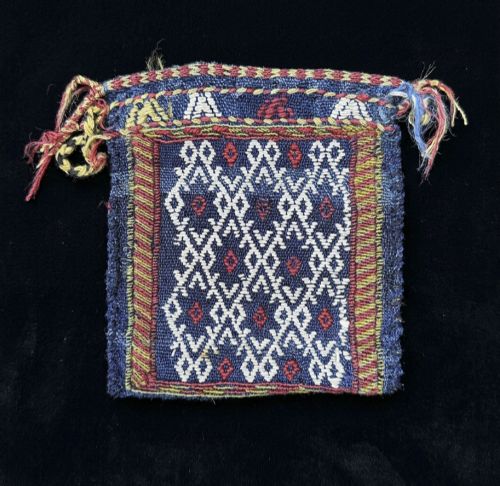
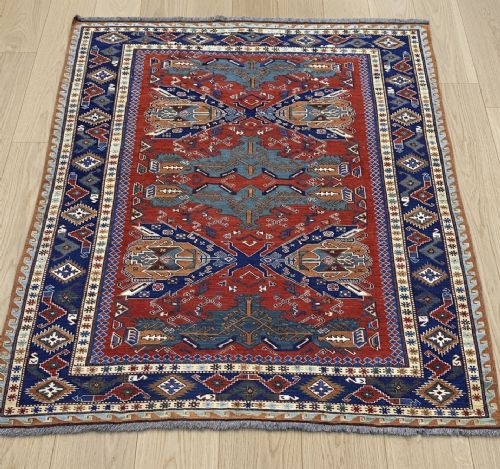
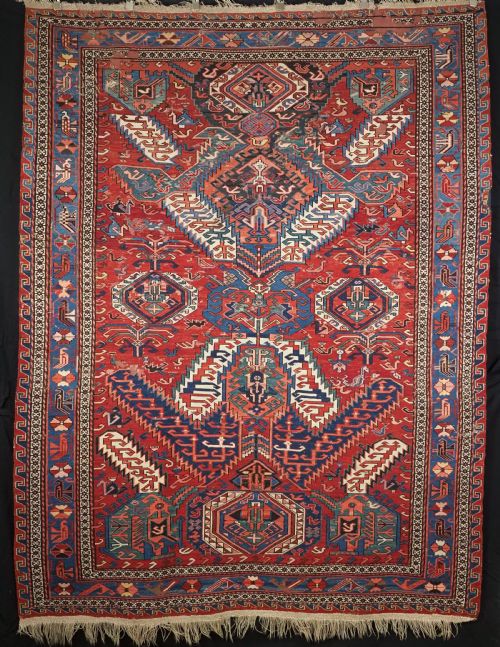
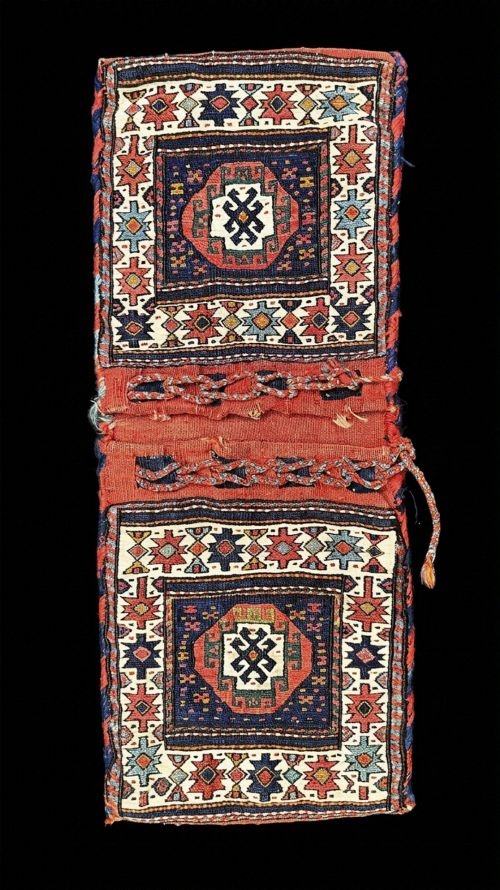
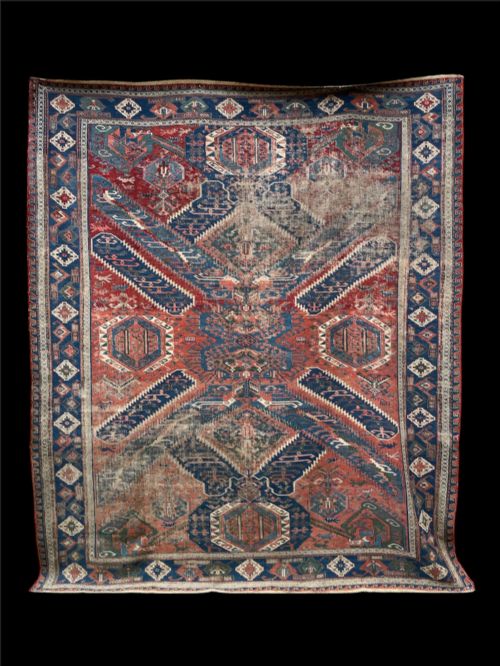
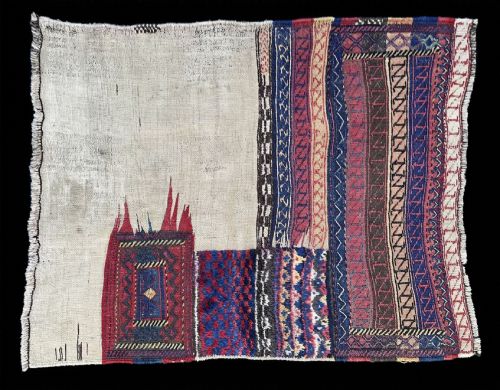
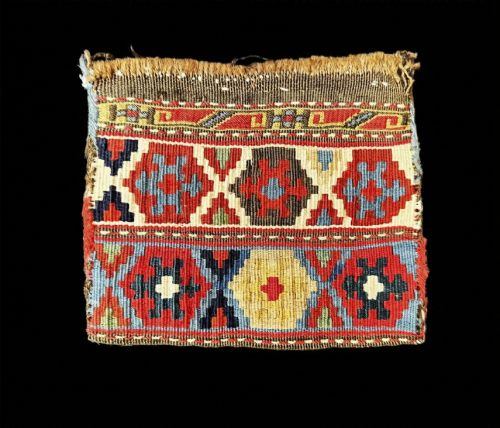
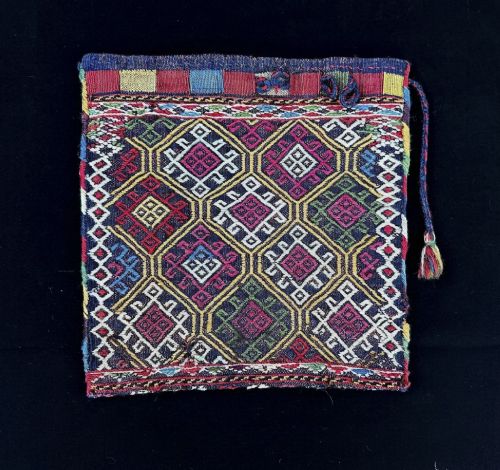
An antique soumak flatweave represents a distinct category of woven textile created by tribal makers across the Caucasus and Persia. These pieces span from the late nineteenth century into the early twentieth century, taking the form of large carpets, long kilims, bag faces, vanity bags, and complete storage containers.
The most common formats encountered include Caucasian and Shahsavan bag faces and panels alongside Yomut Turkmen palas kilims. Regional origins extend from Daghestan and Kuba in the eastern Caucasus to Azerbaijan, Fars, and Kerman, reflecting diverse nomadic traditions.
How they were made
Weavers constructed these textiles using hand-spun wool and cotton foundations, incorporating natural and vegetable dyes to achieve enduring colour palettes. The characteristic soumak structure involves wrapping supplementaryweft threads around the warp beams in a continuous brocaded pattern.
This wrapping technique produces a textured surface on the face with long floats of yarn neatly tucked on the reverse side. The method allows for intricate geometric motifs, animal designs, and medallion layouts without the vertical slits typical of standard slit-weave kilims.
Antique Soumak Flatweave Retail Price Guide 2026
Typical asking prices for soumak flatweave among the pieces listed under this phrase on Sellingantiques today, from the lower quarter to the upper quarter. They describe what is for sale here now, not the wider market.
The listings show pieces originating from the nineteenth century up to the early twentieth century, spanning wool, cotton, and natural vegetable dyes.
What varies in quality
Quality rests upon the precision of the wrapping technique and the crispness of the geometric or figurative drawing. Tightly packed rows create structural stability and allow complex motifs like dragons, birds, and multi-medallion layouts to maintain sharp definition.
The choice of palette and the depth of natural dyes dictate visual impact. Pieces utilising rich vegetable-dyed wool display harmonious tonalities and subtle abrash that elevate the overall presence of the weave.
The Antique Soumak Flatweave Glossary
- Soumak
- A flatweave technique where coloured weft threads are wrapped over and under warp threads to create a textured, durable surface.
- Mafrash
- A large rectangular storage bag or chest panel traditionally used by nomadic groups for bedding and household goods.
- Khorjin
- A traditional paired saddlebag woven for transport on horses, donkeys, or camels.
- Palas
- A term applied to flatwoven rugs and utility textiles produced by Turkmen and related tribes.
- Abrash
- Variations in colour shading caused by changes in dye batches or natural wool variations across the textile.
Antique Soumak Flatweave: Frequently Asked Questions
What is a soumak flatweave?
A soumak flatweave is a non-pile textile created by wrapping coloured wool or cotton threads around warp wires. This method yields a sturdy fabric with a ribbed face and floats on the back.
Nomadic groups utilised this technique for floor coverings, transport bags, and storage containers intended for daily utility.
How do I care for an antique flatweave?
Protect the textile by placing a quality underlay beneath it to prevent slipping and reduce friction on hard floors. Vacuum gently using low suction without a rotating brush.
Keep the piece away from direct sunlight to preserve the natural vegetable dyes. Professional textile cleaning should be undertaken sparingly by specialists.
How are bag faces used today?
Antique bag faces and storage panels are frequently mounted as wall art to display their intricate tribal designs. They also serve as decorative cushion covers or small accent floor pieces.
Their sturdy structure allows them to withstand gentle use in low-traffic areas of the home.
Where were these textiles made?
Production centred primarily in the Caucasus and Persia, driven by tribal groups such as the Shahsavan, Yomut Turkmen, and Afshar nomads. Regional workshops in Daghestan, Kuba, and Azerbaijan also produced notable examples.
Each region developed distinct layouts, including medallion arrangements and specific animal motifs.