
Antique Smelling Salts
Antique smelling salts take the form of small, intricate containers designed to hold pungent restoratives, bringing together silver, glass and precious stones from the Georgian and Victorian eras.
Antique Smelling Salts
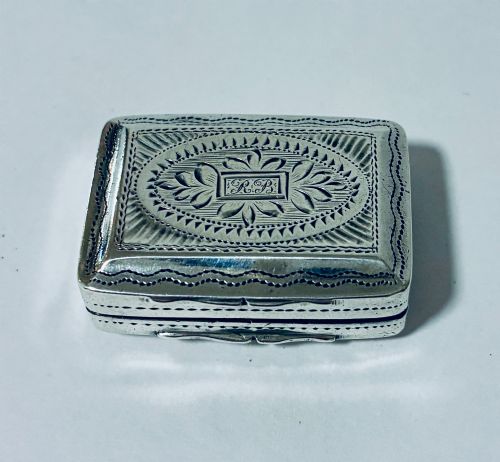
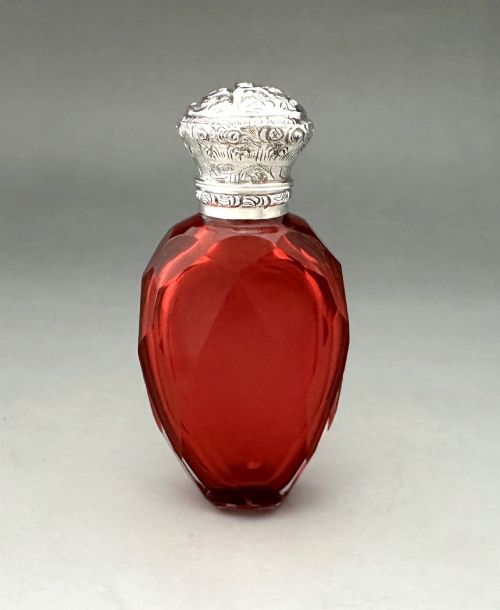
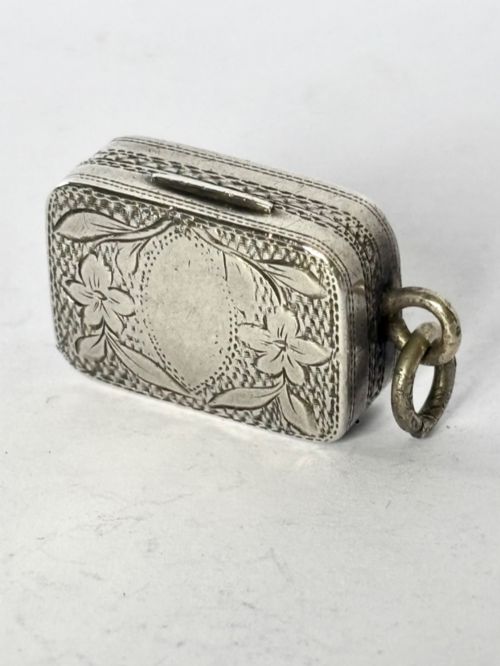
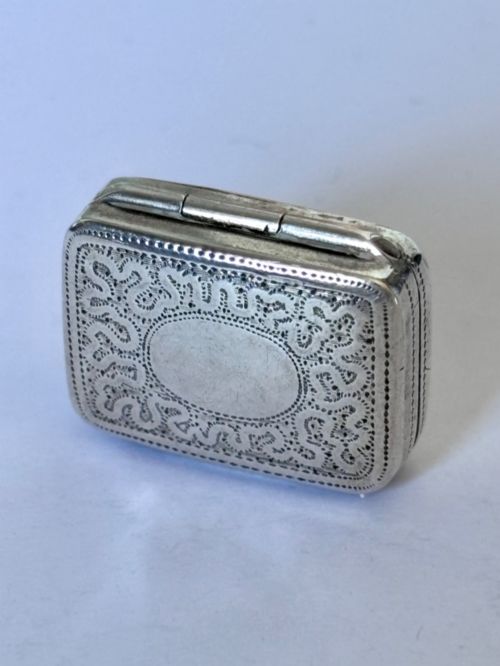
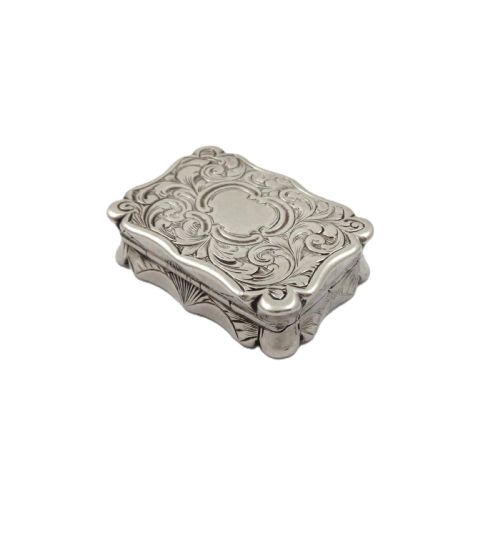
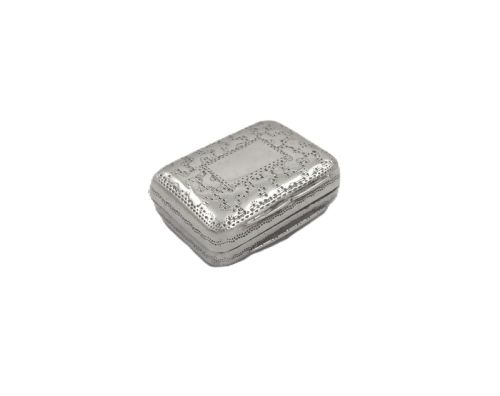
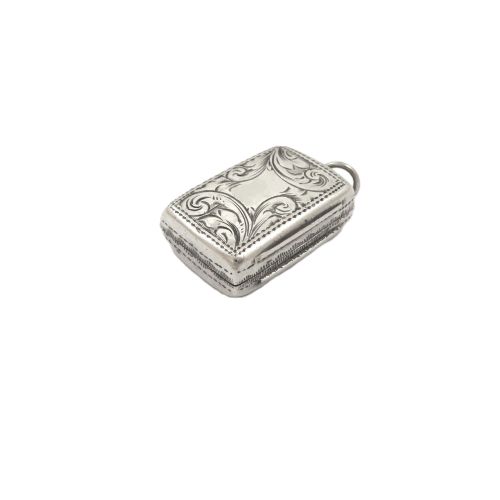
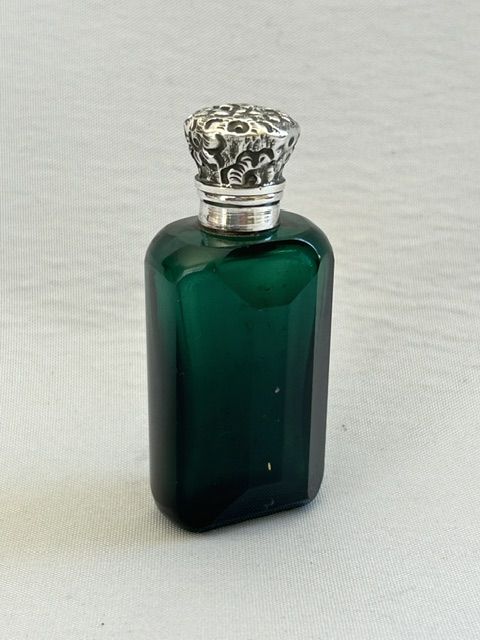
These pieces encompass scent bottles, vinaigrettes and small silver boxes created to deliver reviving aromas in polite society. The forms range from pocket-sized glass flasks to hinged silver boxes fitted with internal pierced grilles.
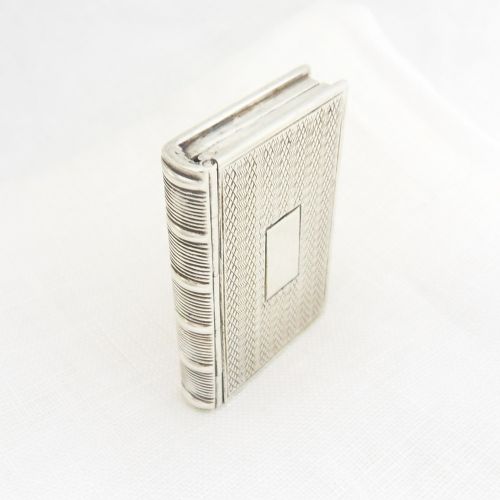
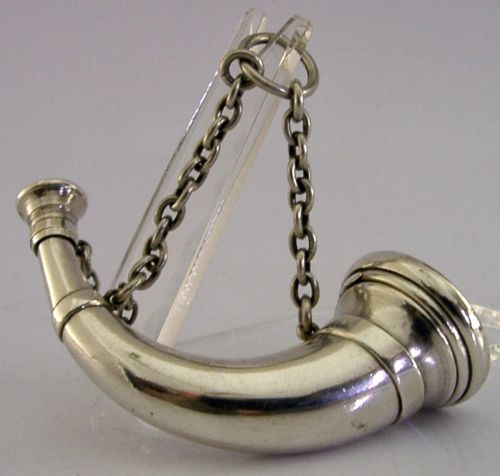
Victorian and Georgian examples dominate the record, alongside pieces from the William IV and Edwardian periods. Collectors encounter everything from plain silver oblongs to novelty shapes such as fish, hunting horns and walnuts.
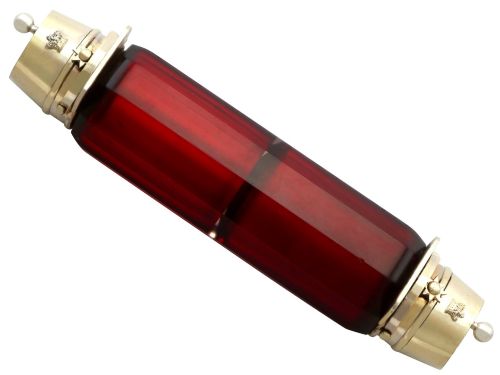
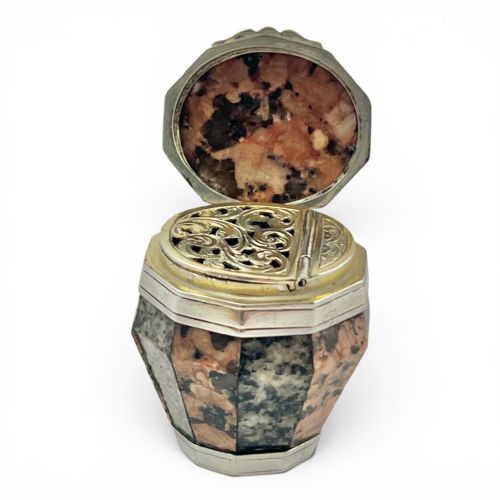
Materials extend beyond standard metal to include cut glass, ruby glass, Bristol green glass, opaline glass, agate, granite, horn, cowrie shell and enamel. Scottish variations often feature native stones mounted in silver.
Distinctions in Execution
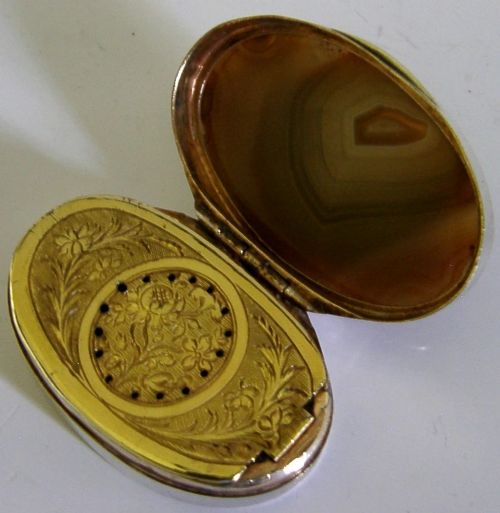
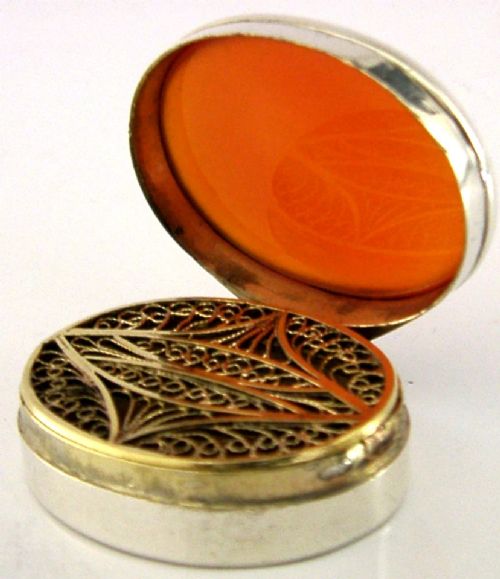
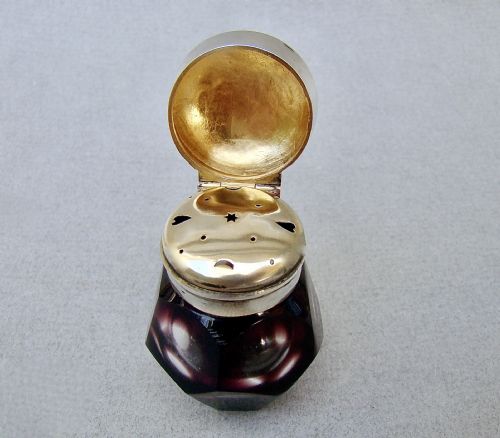
Quality rests upon the crispness of the chased or engraved ornament and the structural integrity of the internal grille within vinaigrettes. Finer pieces demonstrate superior hand-piercing patterns on these interior plates rather than simple stamped holes.
The choice and treatment of materials separate standard production from exceptional work, seen in the selection of richly coloured glass, matched stones like agate or citrine, and original presentation cases. Novelty forms require complex articulation and precise mechanical execution to succeed.
Maker attribution elevates a piece, with recognised silversmiths achieving greater distinction through marked silver components and documented workshop practices.
The listings show items spanning the Georgian, Victorian, William IV and Edwardian periods, executed in sterling silver, cut glass, agate and gold gilt.
Samuel Pemberton·Thomas Johnson·Horton & Allday·Sampson Mordan·Nathaniel Mills·Edward Smith·Jacob Amyand·John Bettridge·G H James & Co·Henri Lapeyre
The Antique Smelling Salts Glossary
- Vinaigrette
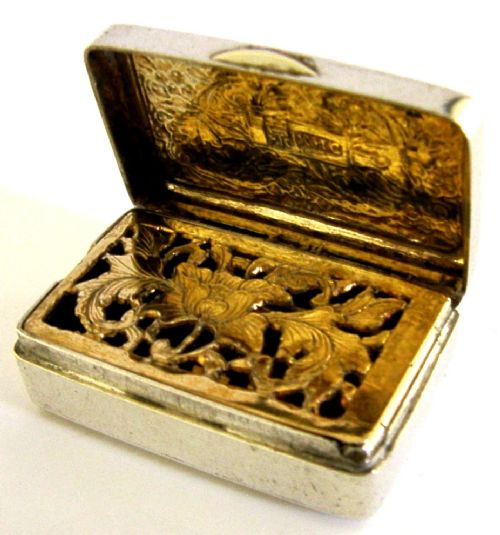
- A small pocket container fitted with a hinged, pierced internal grille that held a sponge soaked in aromatic vinegar or smelling salts. This allowed the user to inhale reviving scents discreetly in crowded rooms.
- Silver Gilt
- Sterling silver covered with a thin layer of gold, providing a rich yellow lustre and protecting the interior of vinaigrettes from the corrosive nature of vinegar.
- Castle Top
- A vinaigrette or box lid featuring a high-relief architectural engraving or casting of a specific landmark, such as an Oxford college. These represent sought-after examples of topographical silversmithing.
- Double Ended Scent Bottle
- A symmetrical flask with hinged caps at both ends, traditionally used for holding smelling salts on one side and liquid perfume on the other.
Antique Smelling Salts: Frequently Asked Questions
How did people use vinaigrettes?
A vinaigrette held a small sponge saturated with aromatic vinegar rather than liquid perfume. The user opened the outer lid to expose a decorative, pierced inner grille that allowed the scent to diffuse.
This method provided a discreet way to combat unpleasant odours or stave off fainting spells in confined spaces. The gold gilt interior protected the silver from the acidic nature of the vinegar.
How do I date an antique smelling salts piece?
Dating relies primarily on hallmarks stamped into the silver components, which indicate the assay office, year and maker. Stylistic cues, such as Georgian neoclassical engraving or Victorian naturalistic motifs, offer further context.
The evolution of materials, from early enamel and gold to later coloured glass and novelty forms, also helps place a piece within its historical period.
How should I care for silver scent bottles?
Silver components require gentle cleaning with a soft cloth to preserve engravings and hallmarks, avoiding harsh chemical dips that damage gilt surfaces and historic glass. Displaying them away from direct sunlight protects sensitive materials like coloured glass and horn.
Checking hinges and stoppers periodically ensures the mechanical parts remain stable and functional.