


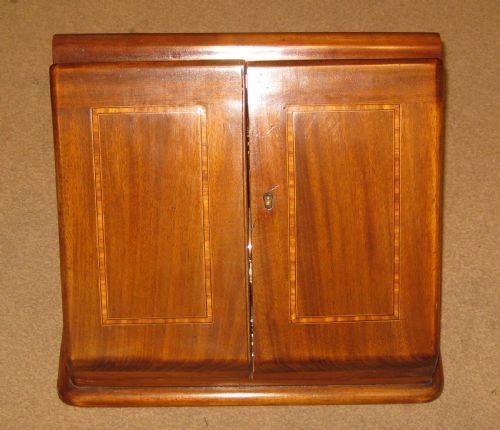
Antique Slope Front Box
An antique slope front box provides a practical desk tidy or writing surface, crafted in robust timbers like oak and mahogany.
Antique Slope Front Box
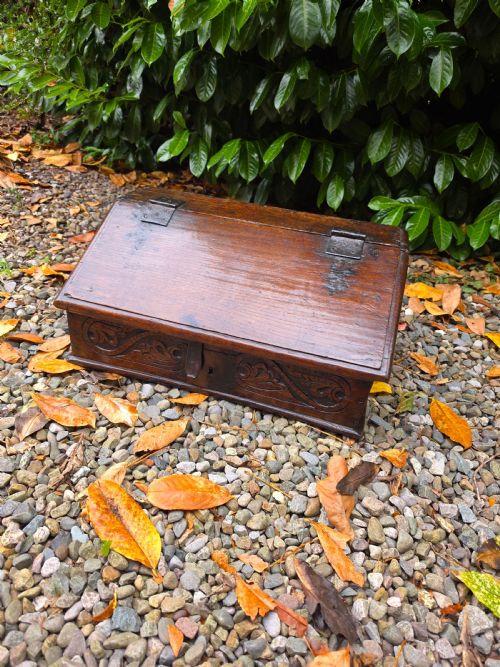
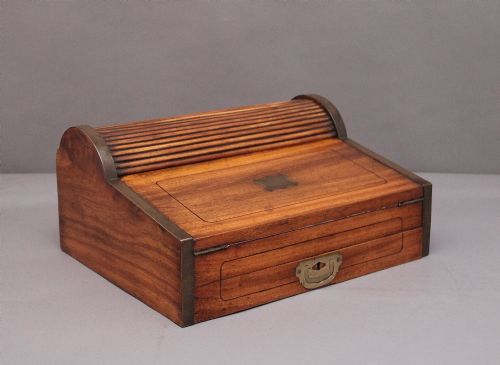
When you search for an antique slope front box, you encounter a versatile group of desktop organisers, stationery cabinets, writing slopes, and table top bureaux. These pieces originate from periods spanning the seventeenth century through to the Victorian era, reflecting domestic and utilitarian needs of past households.
How they were made
Cabinet makers utilised dense hardwoods such as oak, mahogany, and walnut, often selecting figured timber for principal display surfaces. Boxwood and satinwood provide subtle contrast through delicate wood inlay and stringing.
Metal fittings such as brass hinges, carrying handles, and locks secure the heavy lids and fall fronts. Secondary treatments include painted finishes on Swedish desks and gilt decoration on Victorian stationery cabinets.
Several early Welsh and English desks still retain the original owner's scratched initials and domestic dates from the seventeen-hundreds.
What varies in quality
The distinction between standard utility boxes and superior examples lies in the selection of timber and the precision of the joinery. Figured mahogany or quarter-sawn oak with lively grain patterns elevates a piece considerably above plain timber constructions.
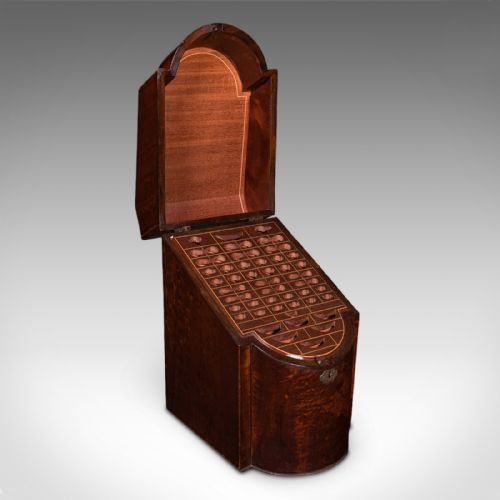
Fitted interiors with clever partitions, secret compartments, and original heavy brass hardware demonstrate higher workshop ambition. Subtle decorative elements such as serpentine shaping and fine inlay distinguish master carpentry from basic regional output.
The Antique Slope Front Box Glossary
- Slant front
- An angled lid that opens to reveal a writing surface or storage compartment.
- Stationery box
- A desk accessory designed to hold paper, envelopes, and writing implements upright.
- Fall front
- A hinged panel that drops forward to grant access to interior compartments or drawers.
- Serpentine front
- A cabinet face shaped with a central convex curve flanked by concave sweeps.
- Table top bureau
- A small desk form intended to sit upon a larger table or chest rather than stand independently.
Antique Slope Front Box: Frequently Asked Questions
What is an antique slope front box used for?
These boxes serve as practical containers for letters, stationery, and small documents while providing a stable sloped surface for writing.
Modern buyers utilise them on desks or side tables to organise correspondence and maintain traditional desktop organisation.
How do I date an oak slant front box?
Dating relies on construction methods, timber choice, and hardware styles associated with specific eras like the seventeenth century or the Georgian period.
Early pieces display pegged joints and heavy hand-carved oak, whereas later Victorian examples utilise machine-cut dovetails and varied exotic veneers.
What is the difference between a knife box and a stationery box?
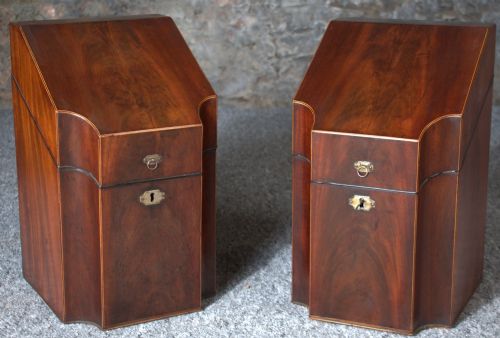
Knife boxes originated to store cutlery on dining sideboards, featuring tall vertical profiles and sloping lids.
Many period knife boxes feature converted interiors that suit modern storage of letters and stationery items.
Are these boxes made of solid wood?
The majority of pieces from the seventeenth and eighteenth centuries utilise solid regional timbers like oak, elm, or mahogany throughout their construction.
Later Victorian and Edwardian cabinets frequently incorporate fine mahogany or walnut veneers laid over stable secondary woods.