
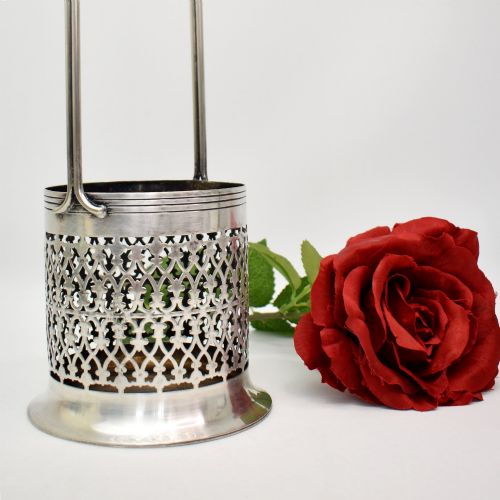


Antique Silver Wine Accessories
These antique silver wine accessories bring the tactile weight of Georgian and Victorian dining tables straight to the modern sideboard.
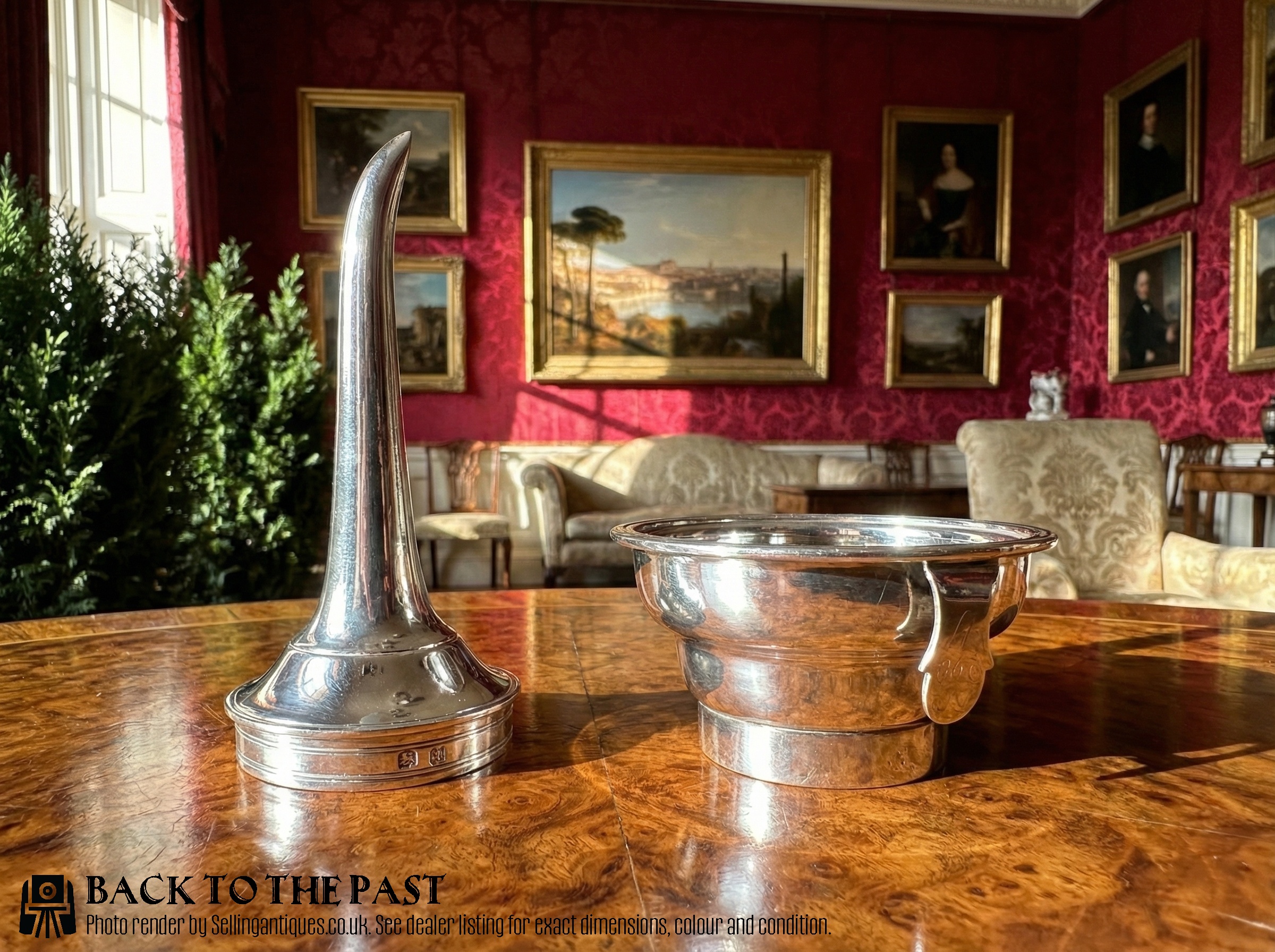
Antique Silver Wine Accessories
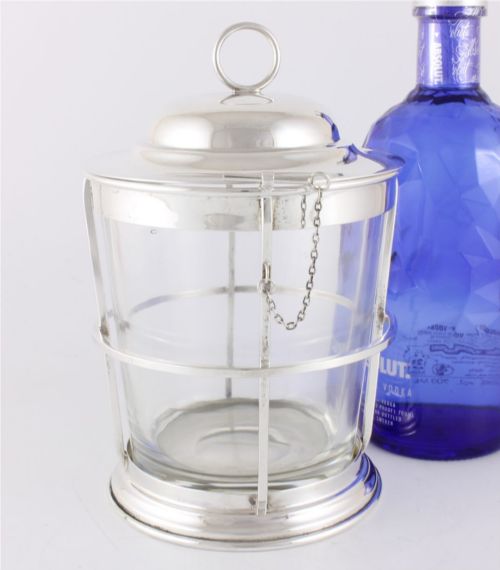
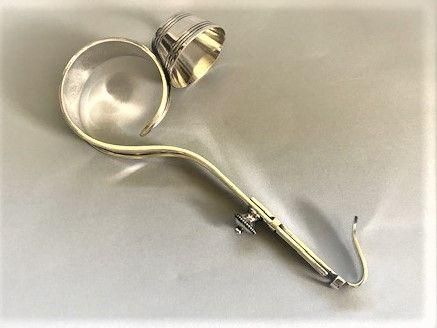
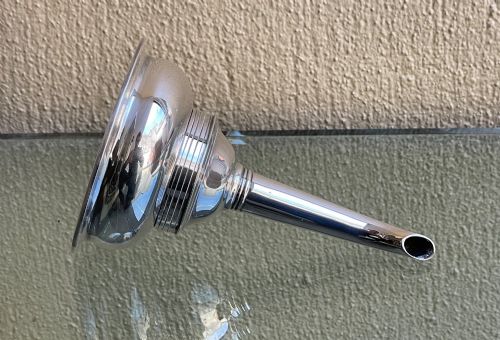
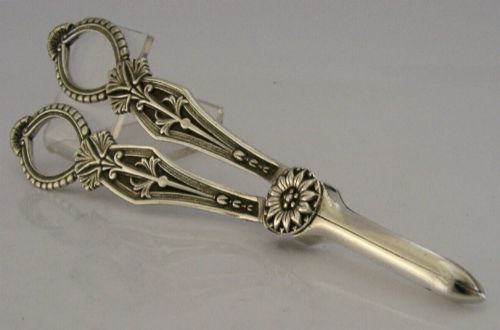
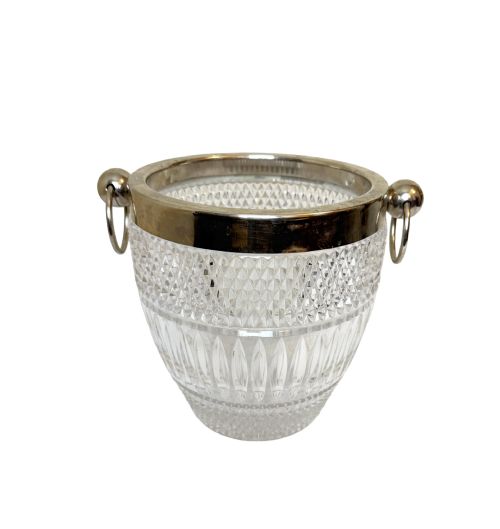
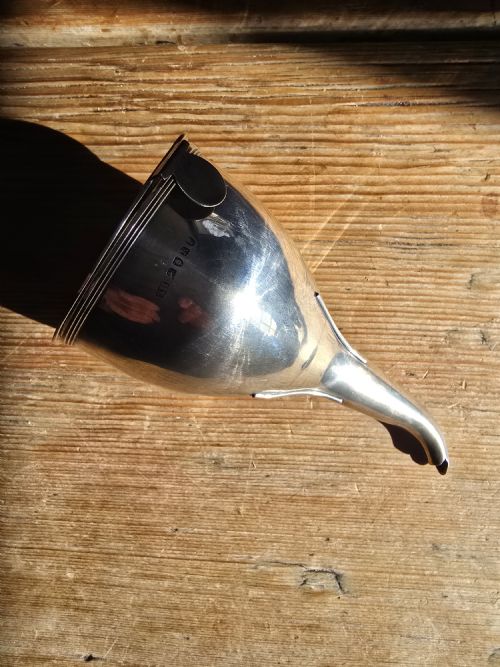
When you search for antique silver wine accessories, you meet the small vessels, labels, and implements that served the bottle during Georgian, Victorian, and Edwardian dining. The selection here brings together wine coasters, decanter labels, wine funnels, ice buckets, and grape shears spanning multiple centuries.
The most common forms on this page are silver-plated and sterling silver wine coasters alongside functional funnel and label sets. Pieces date from the Georgian era through to mid-century designs, reflecting how hosts managed wine service across generations.
How they were made
Maker workshops combined sterling silver or silver plate with structural materials like mahogany, oak, cut glass, and ceramic creamware liners. Coasters frequently paired turned wood bases with metal rims, while ice buckets utilised heavy glass inserts alongside plated handles.
Silversmiths employed casting, piercing, and engraving techniques to shape intricate vine leaf decanter labels and multipart wine funnels. Old Sheffield plating and standard electroplate formed the durable outer layers for many bottle holders and coolers.
Antique Silver Wine Accessories Retail Price Guide 2026
Typical asking prices for silver wine accessories among the pieces listed under this phrase on Sellingantiques today, from the lower quarter to the upper quarter. They describe what is for sale here now, not the wider market.
Listings combine sterling silver and silver plate with mahogany, oak, cut glass, and ceramic creamware across Georgian to mid-century periods.
What varies in quality
Substance separates the standard production from the exceptional pieces in this field. Heavier gauge silver and substantial metal weight indicate superior original manufacture, particularly in functional items like wine funnels and grape shears that endured regular handling.
The crispness of chased detail and engraved lettering dictates visual standing. Clean hallmarks, well-preserved gilding, and intact turned wooden bases reflect the care taken by original silversmiths and subsequent owners.
PH Vogel·Lowe & Sone·Solomon Hougham·Brook & Son·James Dixon & Sons
The Antique Silver Wine Accessories Glossary
- Wine funnel
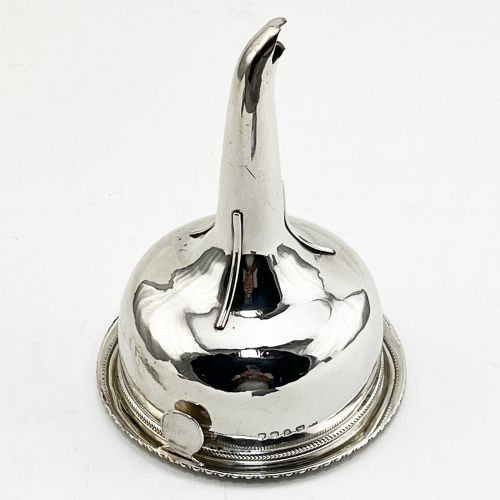
- A three-part device designed to strain sediment from older vintages into the decanter. It often includes a removable pierced mesh insert.
- Decanter label
- A small pierced or engraved silver tag hung by a chain around the neck of a bottle or decanter to identify the contents. Terms like claret, hock, and moselle appear frequently.
- Wine coaster
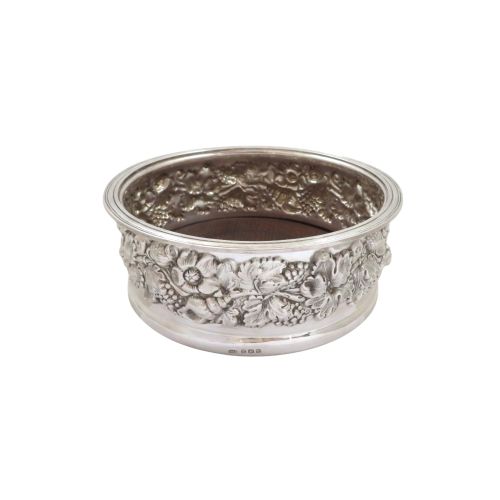
- A low disc with a raised rim used to protect polished dining tables from bottle rings. They frequently feature turned mahogany or oak bases.
- Old Sheffield plating
- An early fusion technique where a thin sheet of sterling silver was fused to a copper core. Pieces display distinctive rich warmth.
- Silver plate
- A manufacturing method where a layer of silver is bonded to a base metal like copper or nickel silver. It provided accessible elegance for nineteenth-century dining rooms.
Antique Silver Wine Accessories: Frequently Asked Questions
What is a wine funnel used for?
These funnels held a fine mesh strainer to catch sediment and cork fragments when pouring older vintages from bottle to decanter.
They allowed hosts to serve clear wine while leaving dregs behind in the original vessel.
How do I identify decanter labels?
Labels usually hang from thin chains and bear engraved or pierced titles naming specific drinks like claret, hock, or moselle.
Georgian and Victorian examples often feature vine leaf motifs or pierced borders that match the prevailing style of the dining service.
Are wooden bases original to coasters?
Many nineteenth-century coasters paired silver or plated rims with turned wooden inserts made from mahogany or oak.
A central metal button often held the wooden base firmly inside the metal gallery.
How should I clean silver plate?
Gentle washing in warm soapy water preserves the plating without wearing down the thin silver surface.
Abrasive dips should be avoided to protect any integrated wooden bases, glass liners, or ceramic inserts.