


Antique Silver Table Tray
An antique silver table tray combines the utility of a serving piece with the presence of fine metalwork, serving as a functional centrepiece.
Antique Silver Table Tray
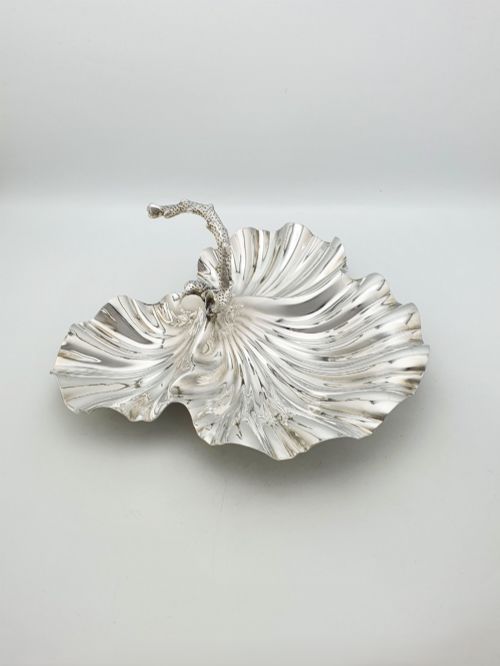
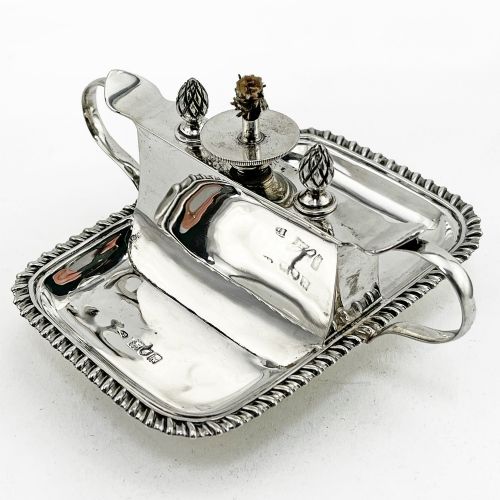
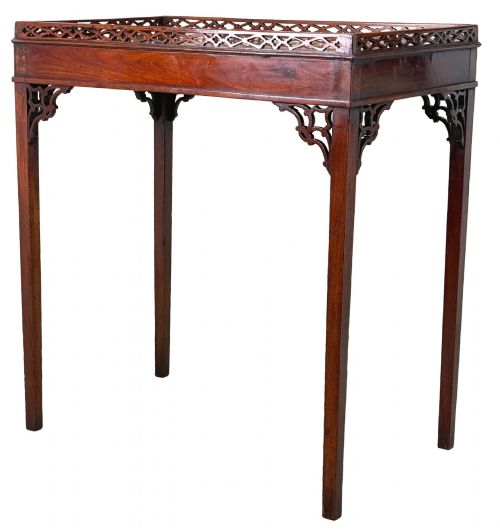
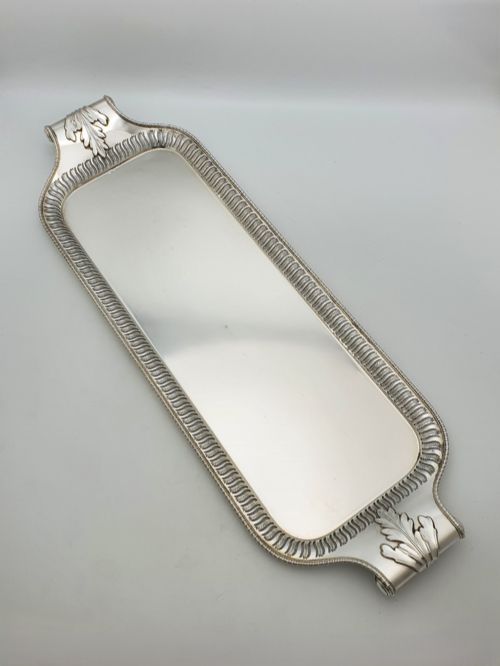
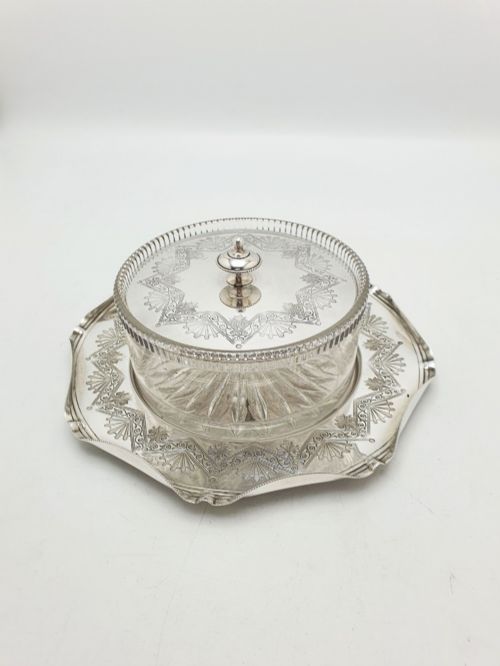
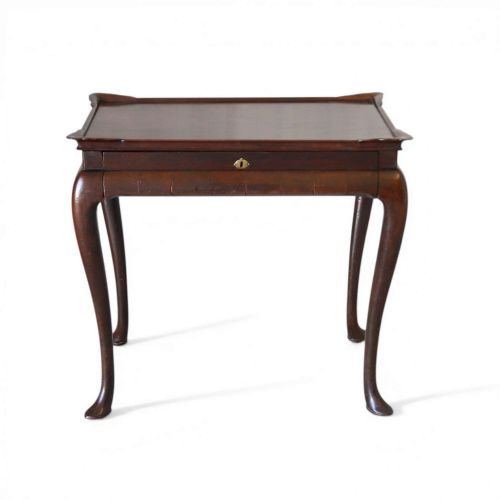
When you search for an antique silver table tray, you encounter a diverse group of items spanning serving vessels, standing display tables, and removable trays designed for hospitality. The selections include sterling silver service pieces, silver plated platters, and mahogany tray top tables originating from the Georgian, Victorian, and Edwardian eras.
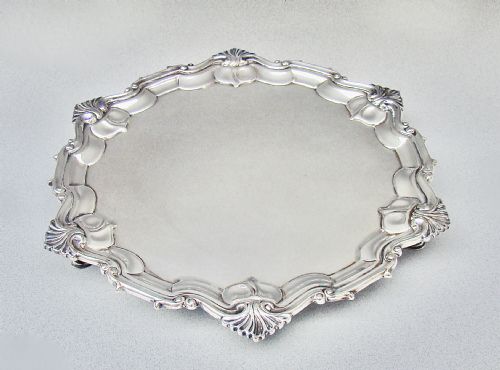
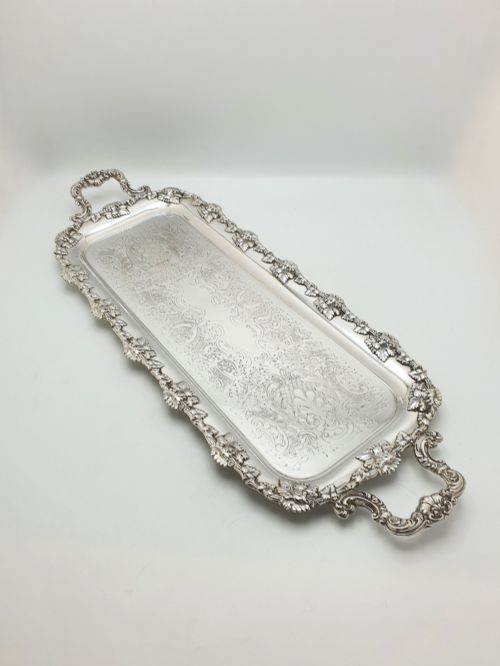
The version most frequently met on this page is the silver plated serving tray or salver featuring decorative borders, alongside wooden occasional tables built with removable tray tops. These pieces derive from periods such as the 19th and 18th centuries, utilising materials like sterling silver, silver plate, mahogany, and walnut.
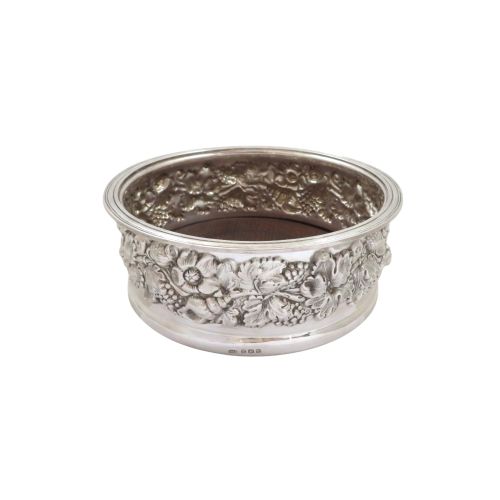
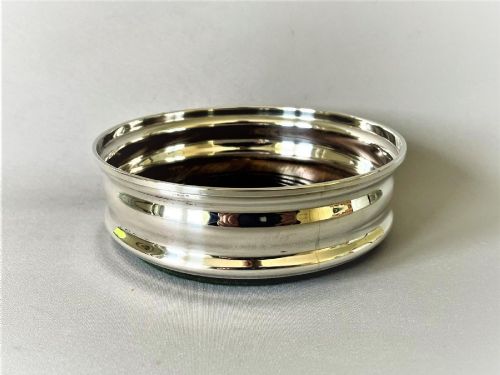
Beyond standard platters, the category encompasses specialised forms like knife trays, bottle coasters, and display tables intended for presentation. These objects reflect the changing domestic habits of the Georgian and Edwardian periods, shifting from dining room service to drawing room display.
Materials and construction
Makers constructed these items using solid sterling silver or by applying a silver layer over base metals such as copper through methods like Old Sheffield plating, later utilising electroplating on nickel silver known as EPNS. Heavy timber frames in mahogany, walnut, and burr walnut provided the structure for tray top tables and knife boxes.
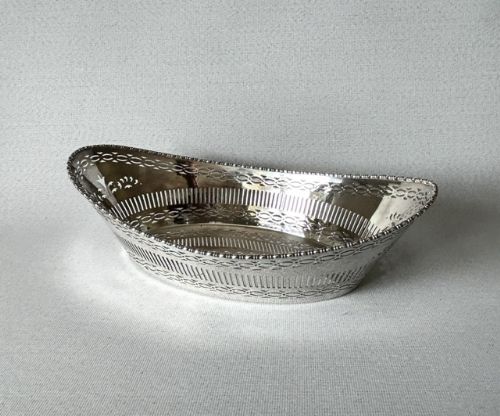
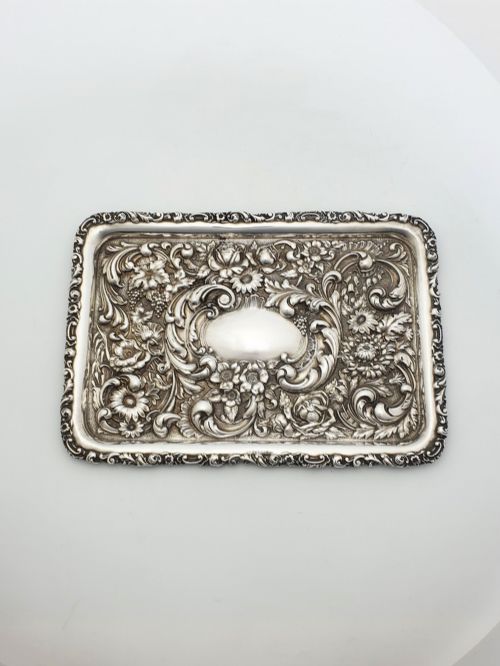
Surface ornamentation involved hand-chasing, repoussé work, pierced borders, and marquetry inlay, executed with specialised hammer and punch techniques. Silver components often bear hallmarks indicating assay offices and dates, while wooden joints rely on traditional cabinet-making joinery.
Listings feature sterling silver, silver plate, mahogany, walnut, and glass across Georgian, Victorian, and Edwardian periods.
Determinants of quality
Quality rests upon the crispness of the chased or embossed ornamentation, where deep, hand-worked repoussé details demonstrate superior craftsmanship compared to shallow, machine-pressed alternatives. The weight of the silver and the structural integrity of the underlying metal or timber frame indicate the standard of manufacture.
Purity of line and balance define the better examples, particularly in tray top tables where the timber selection, such as figured mahogany or burr walnut, dictates the visual value. Maker attribution to notable workshops also influences the standing of a piece within the range.
William Neale·William Hutton and Sons·Creswick·Mappin and Webb·Orivit·Tiffany and Co·William Comyns
The Antique Silver Table Tray Glossary
- Silver plate
- A thin layer of silver bonded to a base metal such as copper or Britannia metal. This technique allowed makers to produce large serving items at a lower cost than solid silver.
- Repoussé
- A metalworking technique where the artisan hammers the design from the reverse side to form a raised pattern on the front. It appears frequently on Edwardian and Victorian trays.
- Tray top table
- A table featuring a raised rim around the edge of the top surface, often designed with handles so the top can be lifted off. These developed during the Georgian period.
- Old Sheffield plate
- An early method of fusing a sheet of silver to a copper core before rolling them together into sheets. This process produces a distinctive warm tone as the underlying copper occasionally shows through wear.
- Salver
- A flat tray used for serving drinks or presenting items, typically supported on small feet. They appear in silver plate and sterling silver across Victorian and Edwardian inventories.
Antique Silver Table Tray: Frequently Asked Questions
What is the difference between a salver and a tray?
A salver is traditionally a formal flat serving vessel mounted on small feet, whereas a tray is generally flatter, lighter, and equipped with handles for carrying.
In historical usage, salvers held glasses or letters, while trays served broader domestic functions during tea and dinner service.
How do I care for antique silver plate?
Maintenance requires gentle cleaning with a soft cloth and a specialised silver polish formulated to preserve thin plating layers. Avoid abrasive cleaners that strip the silver coating from the base metal.
Regular handling and correct storage in dry conditions prevent rapid tarnishing and protect the underlying structure.
Were tray top tables used for dining?
Tray top tables served primarily in the drawing room or parlour for afternoon tea, card games, or decorative display rather than heavy dining. The removable top allowed servants to carry refreshments directly to seated guests.
Their elegant mahogany and walnut construction suited formal entertaining spaces of the Georgian and Edwardian eras.
How can I tell old Sheffield plate from electroplate?
Old Sheffield plate displays a sandwich effect where the copper core shows along cut edges or worn high points. Electroplated nickel silver, introduced later in the nineteenth century, reveals a greyish base metal underneath worn silver rather than warm copper.
Weight and construction methods also help distinguish the fused copper technique from later chemical plating processes.