

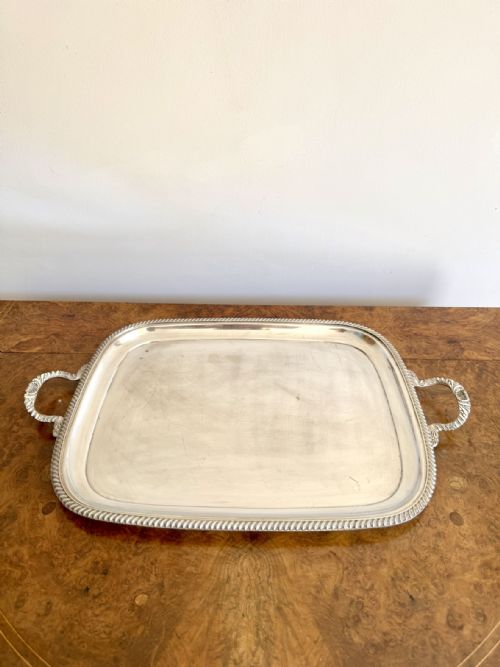


Edwardian Silver Plated Salver
An edwardian silver plated salver is a solid serving centrepiece designed for drinks or small dishes, combining period weight with bright display.
Edwardian Silver Plated Salver
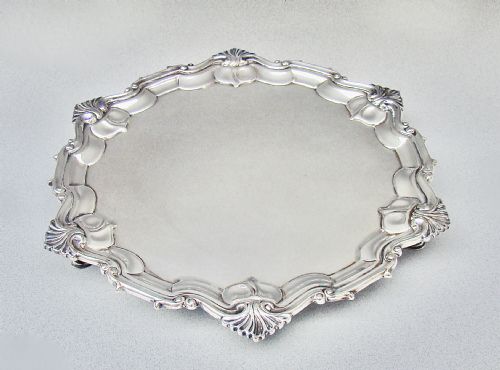
An edwardian silver plated salver is typically a circular or oval serving tray used for drinks, cocktails, and tea. The form sits on small feet or a raised gallery border, presenting a flat surface for domestic service.
Most examples date from the Edwardian era and the surrounding decades of the late nineteenth and early twentieth centuries. These pieces reflect the formal hospitality customs of the period through decorative engraving and substantial proportions.
How They Were Made
Makers formed these items using a base metal core, frequently nickel silver or electroplated nickel silver, which provided stability and strength. A layer of silver plate was then applied over the surface to give the appearance of solid silver.
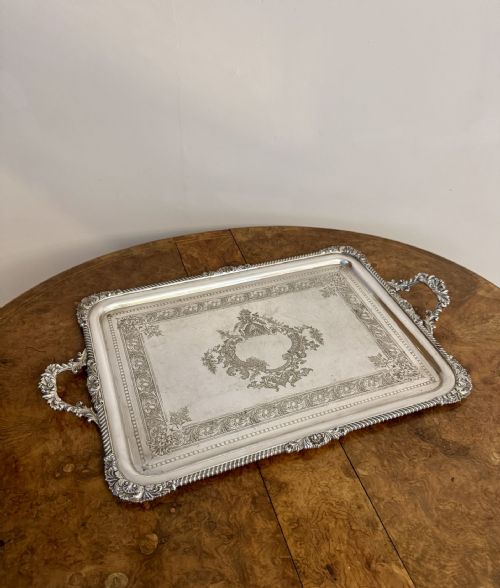
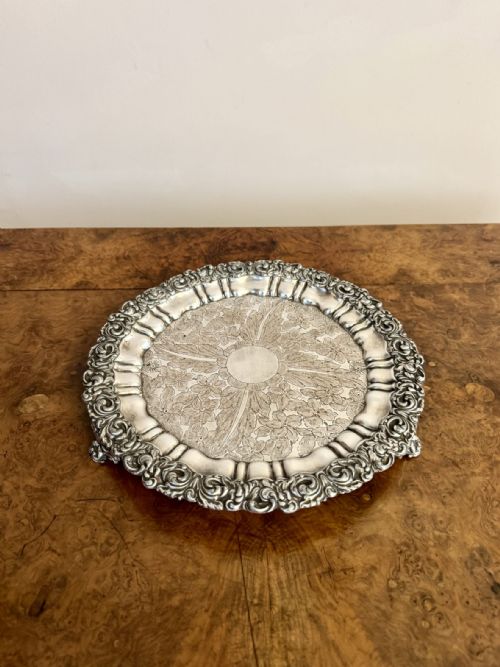
Surface decoration was often achieved through hand engraving, creating detailed floral or geometric patterns across the tray bed. Borders and edges were cast separately and soldered into place, adding sculptural weight to the finished object.
One exceptional tray includes a family crest, turning an ordinary piece of silver plate into a personal heraldic archive.
What Varies in Quality
The thickness of the applied silver layer and the quality of the underlying base metal determine the durability of the piece through decades of use. Heavier gauges of metal prevent warping and provide a more substantial feel in the hand.
Artistic skill in the hand engraving and the crispness of cast border details separate standard production items from finer workshop output. Maker attribution also influences distinction, as prominent firms maintained higher standards of design and finish.
William Hutton & Sons·Mappin & Webb·Walker & Hall
The Edwardian Silver Plated Salver Glossary
- Silver Plate
- A thin layer of silver bonded to a base metal core such as nickel silver or brass. This technique allowed manufacturers to produce durable tableware with the visual appeal of solid silver at a lower cost.
- EPNS
- Electroplated Nickel Silver, a common alloy base used beneath the silver coating during the period. The material provided a sturdy and resilient foundation for domestic serving items.
- Salver
- A flat serving tray, usually round and raised on short feet, traditionally used for presenting glasses or letters. The form differs from a standard tray through its specific pedestal base.
- Gallery Tray
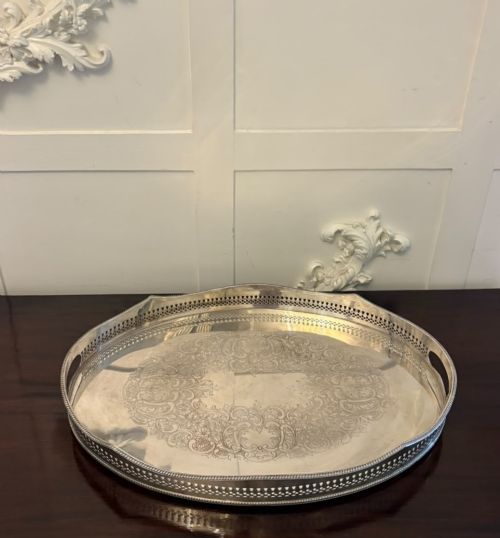
- A serving tray featuring an upright pierced or solid metal railing around its perimeter. This decorative border prevented items from sliding off the surface during transport.
Edwardian Silver Plated Salver: Frequently Asked Questions
How do I clean an edwardian silver plated salver?
Use a specialised silver polish and a soft cloth to gently remove tarnish from the surface. Avoid abrasive cleaners that might wear through the thin silver layer over time.
Wash the tray in warm soapy water and dry thoroughly after polishing to maintain the lustre. Regular gentle care preserves both the engraving and the underlying plate.
Can I use these trays for serving drinks?
These pieces were originally designed for serving tea, cocktails, and glasses in a domestic setting. The flat surface and sturdy construction make them well suited for practical use.
Ensure moisture is not left sitting on the plate for extended periods to protect the finish. Wipe the tray dry after each use to prevent spotting.
What is the difference between a salver and a tray?
A salver traditionally refers to a flat circular serving vessel raised on small feet. Regular trays often include handles or take rectangular and oval forms for easier carrying.
Both types share similar construction methods and materials from the period. The distinction primarily rests on the presence of feet and the specific shape of the border.
How can I tell the date of a piece?
Dating relies on stylistic clues, maker marks, and the specific proportions typical of the Edwardian era. Many items carry stamps or hallmarks on the underside indicating the manufacturing firm.
Comparison with documented examples from the same period helps narrow down the decade of production. Documentation in historical catalogues provides further confirmation for specific designs.