


Epns Salver Tray
These epns salver tray pieces are silver plated serving wares designed for afternoon tea and cocktails, offering traditional elegance for your home.
Epns Salver Tray
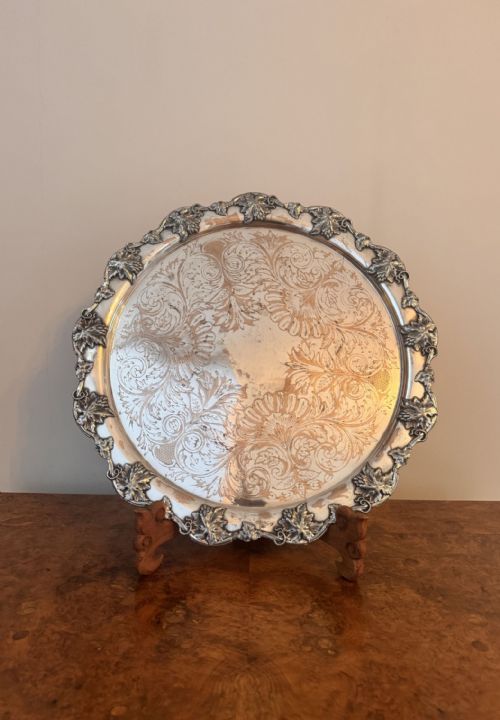
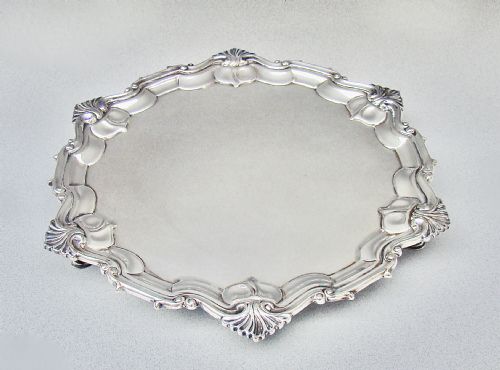
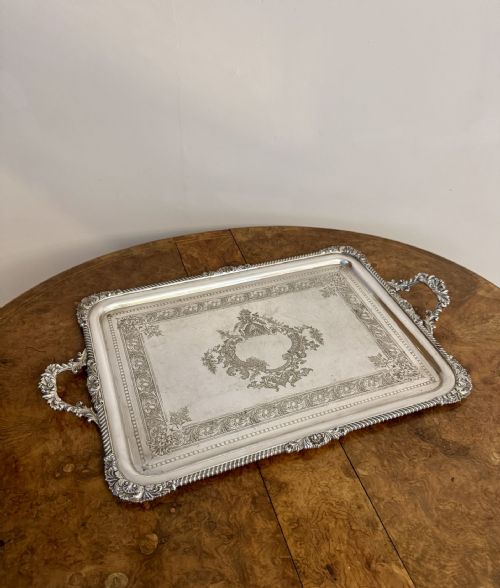
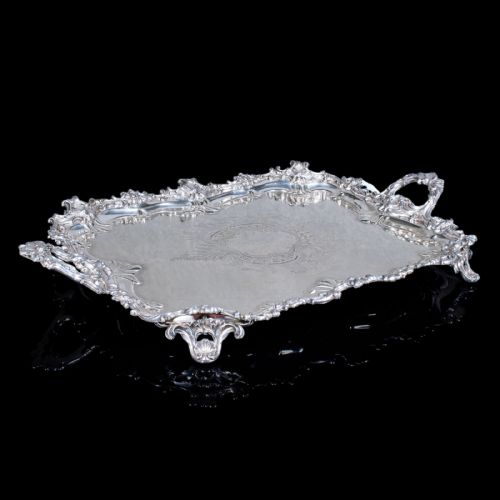
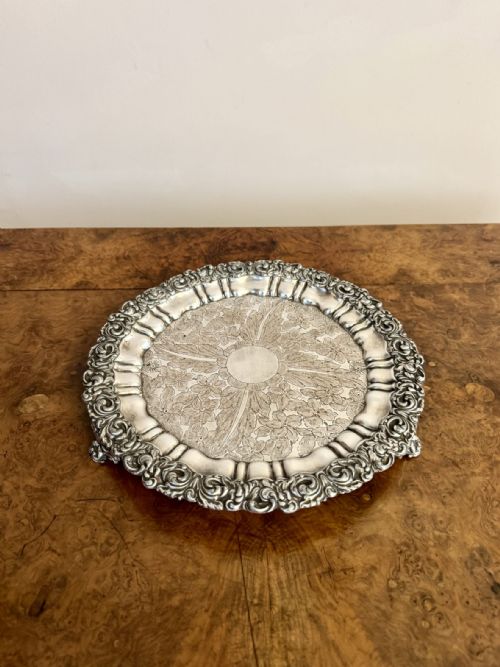
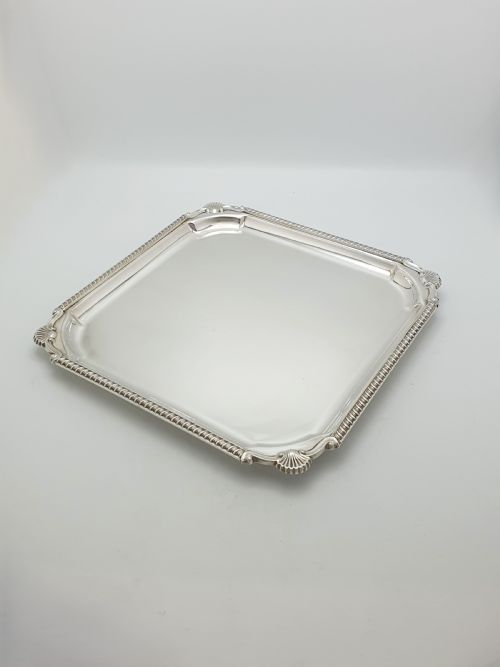
When you search for an epns salver tray, you encounter serving pieces spanning the Victorian, Edwardian and Art Deco periods. These items primarily take the form of circular salvers, large presentation trays and twin handled serving trays.
The selections on this page originate predominantly from English makers working in the nineteenth and early twentieth centuries. Forms range from ornate Victorian styles with detailed borders to geometric Art Deco cocktail trays.
Makers utilised electroplated nickel silver to create durable domestic wares that imitated solid silver at a lower cost. These trays served practical roles in formal households before becoming decorative display items today.
How they were made
Manufacturers utilised nickel silver as the base metal, which provided a sturdy and malleable foundation for the plates. This alloy was shaped into circular forms, twin handled trays and reticulated serving dishes.
Artisans applied a layer of silver to the base metal through electroplating techniques developed during the nineteenth century. Workshops then added cast borders, chased decorations and engraved centre panels by hand.
Some cocktail trays feature integrated shell borders designed to stop rolling glassware from staging a dramatic escape during lively evening parties.
What varies in quality
The weight and gauge of the underlying metal foundation determine the structural rigidity and heft of each tray. Thicker base plates resist warping and maintain their shape over decades of use.
The thickness and preservation of the applied silver plating separate standard utility pieces from presentation items. Superior examples retain their complete electroplated layer without thinning on the prominent surface areas.
William Hutton & Sons·Walker & Hall·Fenton Russel·Lee & Wigfull
The Epns Salver Tray Glossary
- EPNS
- Electroplated Nickel Silver. This abbreviation denotes a base alloy of copper, nickel and zinc coated with a thin layer of pure silver.
- Salver
- A flat serving tray typically raised on small feet. These circular or shaped plates were traditionally used for presenting letters, calling cards or drinks.
- Reticulated
- Openwork or net-like decoration. Craftsmen pierced the metal of the tray rim to create intricate geometric or floral patterns.
- Chasing
- A metalworking technique used to decorate the surface from the front. Artisans indented the metal with hammer and punches to create relief designs without removing material.
- Cocktail tray
- A specialised serving surface popularised during the twentieth century. These pieces accommodated glassware and decanters for home entertaining.
Epns Salver Tray: Frequently Asked Questions
What is an epns salver tray used for?
These trays served functional roles in period households for carrying tea sets, serving beverages or presenting visiting cards to hosts. Today, they function as decorative tabletop displays or serving accessories for home entertaining.
Their sturdy construction and raised rims make them suitable for holding smaller decorative objects, bottles or glassware on sideboards and coffee tables.
How do I clean my silver plated tray?
Maintenance requires gentle washing with warm soapy water and a soft cloth to remove everyday dust and grime. Avoid abrasive scouring pads or harsh chemical dips that can wear away the thin silver layer.
When tarnishing occurs, use a specialised silver polish formulated for plated items, applying it sparingly and buffing gently with a microfiber cloth.
How do I date a Victorian silver plated tray?
Dating relies on stylistic clues, manufacturer marks and the specific manufacturing techniques visible on the piece. Victorian examples often feature heavy cast floral borders, chased centre panels and maker hallmarks stamped into the metal base.
Comparing the maker stamp against historical trade directory records helps narrow down the decade of production between the mid and late nineteenth century.
What is the difference between EPNS and solid silver?
EPNS consists of a base metal alloy, typically nickel silver, coated with a thin layer of pure silver via an electrical process. Solid silver items comprise the precious metal throughout their entire structure, marked with standard purity hallmarks.
Plated items offer the visual appearance and lustre of silver at a fraction of the weight and cost.